Why Your Tea Tastes Metallic or Papery (And How to Fix Your Water)
A single cup of tea contains over 200 distinct chemical compounds — and it only takes one wrong mineral in your water to ruin all of them. If your morning brew has been tasting like old coins, wet cardboard, or something vaguely industrial, the problem almost certainly starts before the tea leaves ever hit the water.
Disclosure: This post contains affiliate links. As an Amazon Associate, we earn from qualifying purchases, and at no extra cost to you.
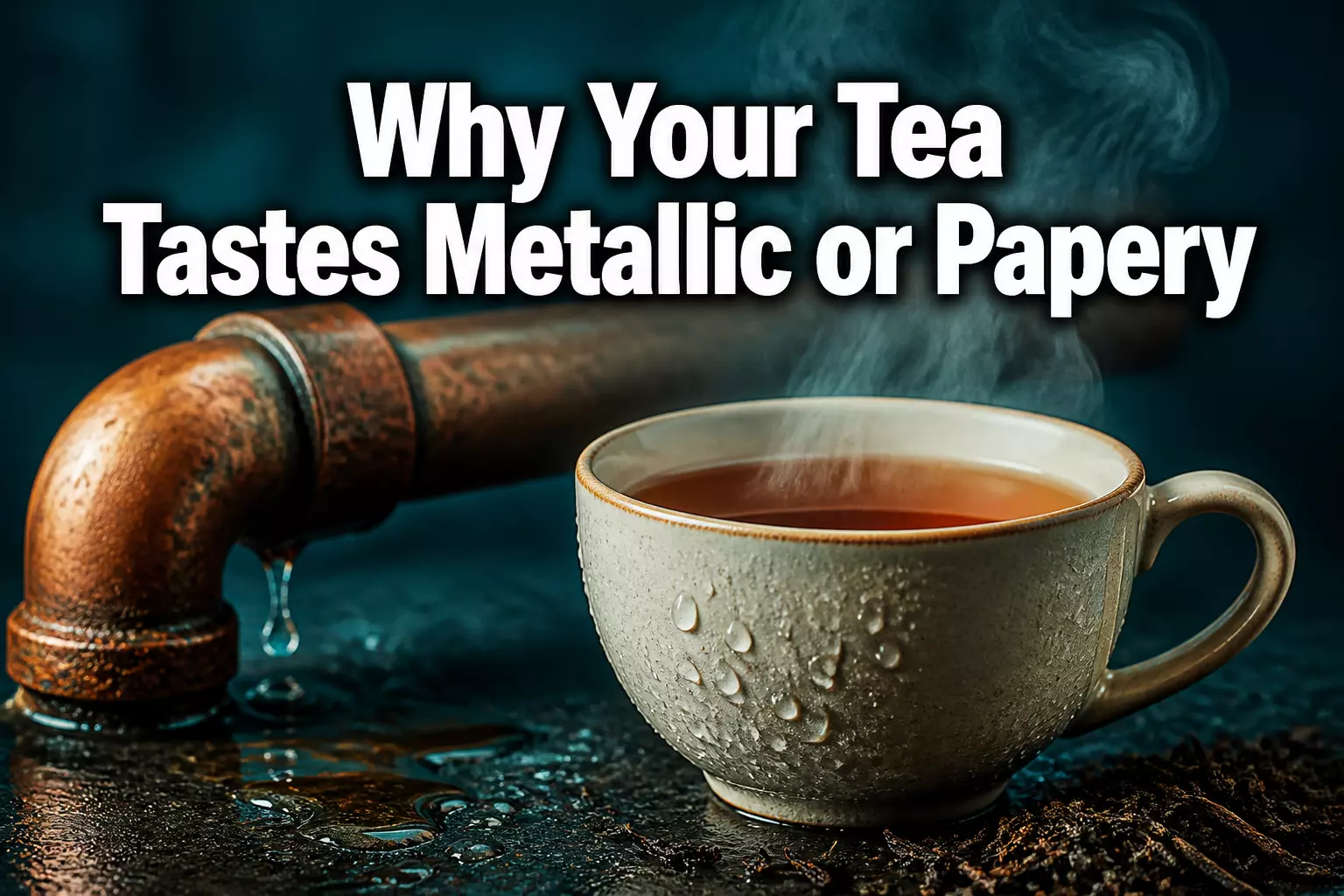
Understanding why your tea tastes metallic or papery (and how to fix your water) is not about becoming a chemistry professor. It’s about knowing a handful of practical truths that most tea drinkers never learn — truths that can transform a disappointing cup into something genuinely delicious. In this guide, I’ll walk you through every major cause of off-flavors in brewed tea, from aging pipes to poor-quality kettles, and give you clear, actionable fixes for each one.
Key Takeaways
- 🔑 Dissolved metals — especially iron, copper, and zinc — from tap water and old pipes are the most common cause of metallic tea flavor.
- 🔑 Your kettle and teaware can introduce rust and corrosion into your brew, especially if they’re old, scratched, or made from low-grade steel.
- 🔑 Hard water creates a chalky, thick film that coats the palate and mimics a metallic sensation.
- 🔑 Filtered or spring water is the single most impactful upgrade you can make to your tea routine.
- 🔑 Simple habits — flushing your tap, descaling monthly, and choosing the right travel mug — eliminate most off-flavors permanently.
- Interactive Tool: Tea Water Quality Checker
What’s Actually in Your Tap Water (And Why It Matters)
Most people assume tap water is just water. In reality, it’s a complex solution of dissolved minerals, trace metals, treatment chemicals, and pH-adjusting compounds — all of which interact with tea’s delicate chemistry the moment they meet.
The Main Mineral Culprits
The most common cause of metallic-tasting tea is dissolved minerals in tap water, particularly iron, copper, and zinc [1]. These metals are not always present in the water supply itself. More often, they leach into the water as it travels through your home’s plumbing.
💬 “The water that reaches your kettle is not the same water that left the treatment plant. Every foot of pipe it travels through changes it.”
Here’s a quick breakdown of the key minerals and what they do to your tea:
| Mineral | Source | Flavor Effect |
|---|---|---|
| Iron | Old iron pipes, rust | Sharp metallic, blood-like taste |
| Copper | Copper plumbing, fittings | Bitter, astringent, coin-like |
| Zinc | Galvanized pipes, solder | Dry, slightly sour metallic |
| Calcium carbonate | Hard water geology | Chalky film, papery aftertaste |
| Magnesium | Hard water geology | Slightly bitter, flat |
| Chlorine | Water treatment | Medicinal, chemical |
The Standing Water Problem
If your home was built before the 1970s, pay close attention to this one. Water that sits overnight in copper or iron pipes leaches significantly more metal than water that’s been flowing recently [1]. This is why the first pour from a cold tap in the morning often tastes the worst.
The fix is simple: flush your cold tap for 30 seconds before filling your kettle [1]. It costs almost nothing and makes a real difference.
Hard Water vs. Soft Water
Hard water — water with high concentrations of calcium and magnesium compounds — creates a specific problem for tea drinkers. Cities like London, for example, have naturally hard water with elevated levels of calcium carbonate and magnesium [3][2]. When this water is heated, these minerals precipitate out and form a visible film on the surface of your tea.
That film isn’t just cosmetic. It coats your tongue and creates a thick, chalky sensation that many people describe as metallic or papery [3]. It also suppresses the aromatic compounds in tea, making even premium leaves taste flat and dull.
Low pH and Corrosive Water
Acidic groundwater (low pH) is especially aggressive at dissolving metals from pipes and fixtures [1]. If your local water supply has a pH below 7, it’s working like a mild solvent every time it flows through your plumbing. The result is higher concentrations of dissolved metals in your kettle — and in your cup.
Your Kettle and Teaware: Hidden Sources of Off-Flavors
Even if your tap water is perfectly clean, your equipment can introduce metallic flavors on its own. This is one of the most overlooked causes of why tea tastes metallic or papery, and it’s worth a close look at every item in your brewing setup.
The Kettle Heating Element
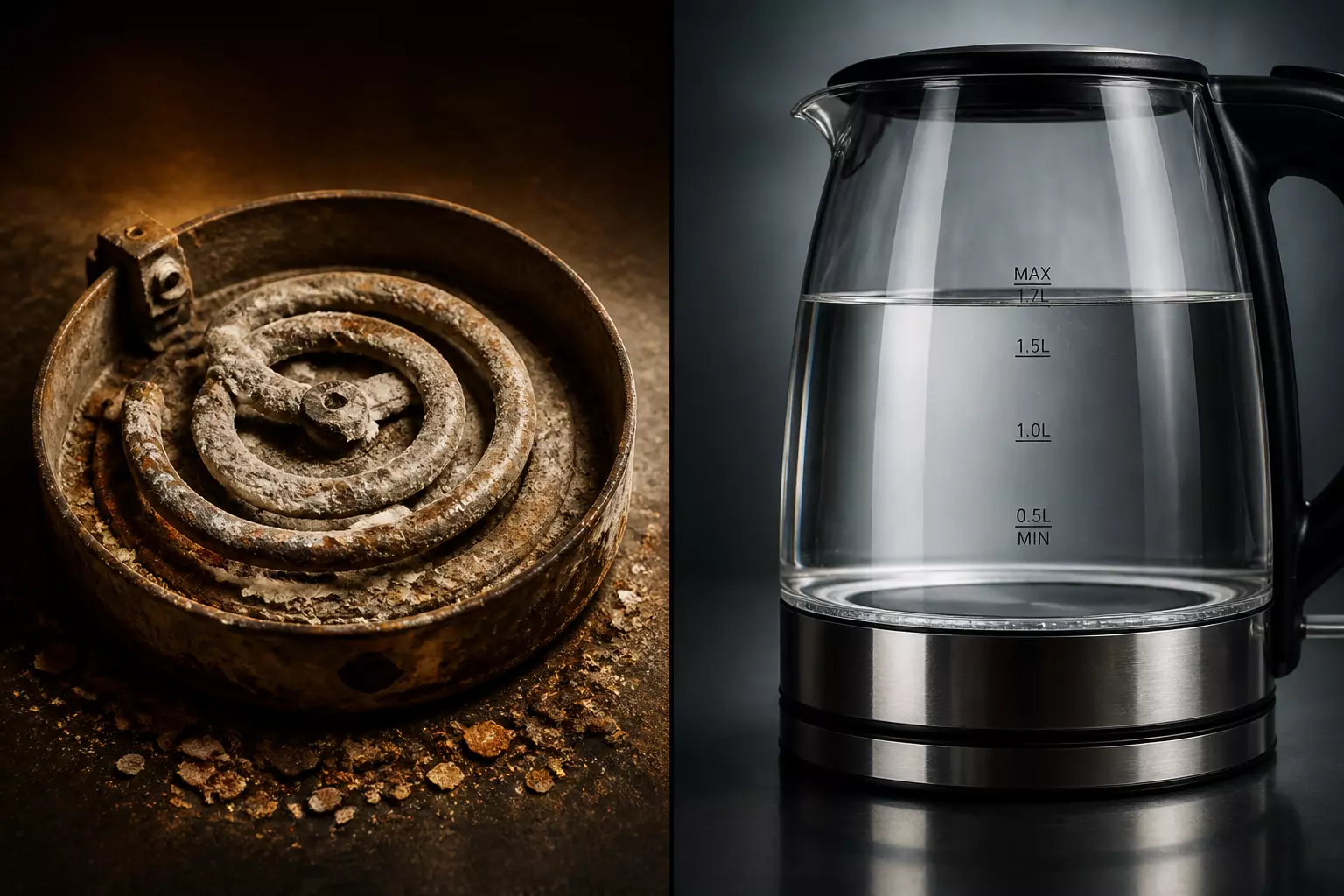
Older kettles — or cheaper models — often have heating elements made from lower-grade stainless steel (grades 201 or 430) that contain less chromium than premium alloys [1]. Chromium is what makes stainless steel resistant to rust. Less chromium means more corrosion over time, and tiny rust particles end up in your boiled water.
🔍 What to look for: Visible orange or brown discoloration inside your kettle, or a faint rust smell when the kettle is boiling.
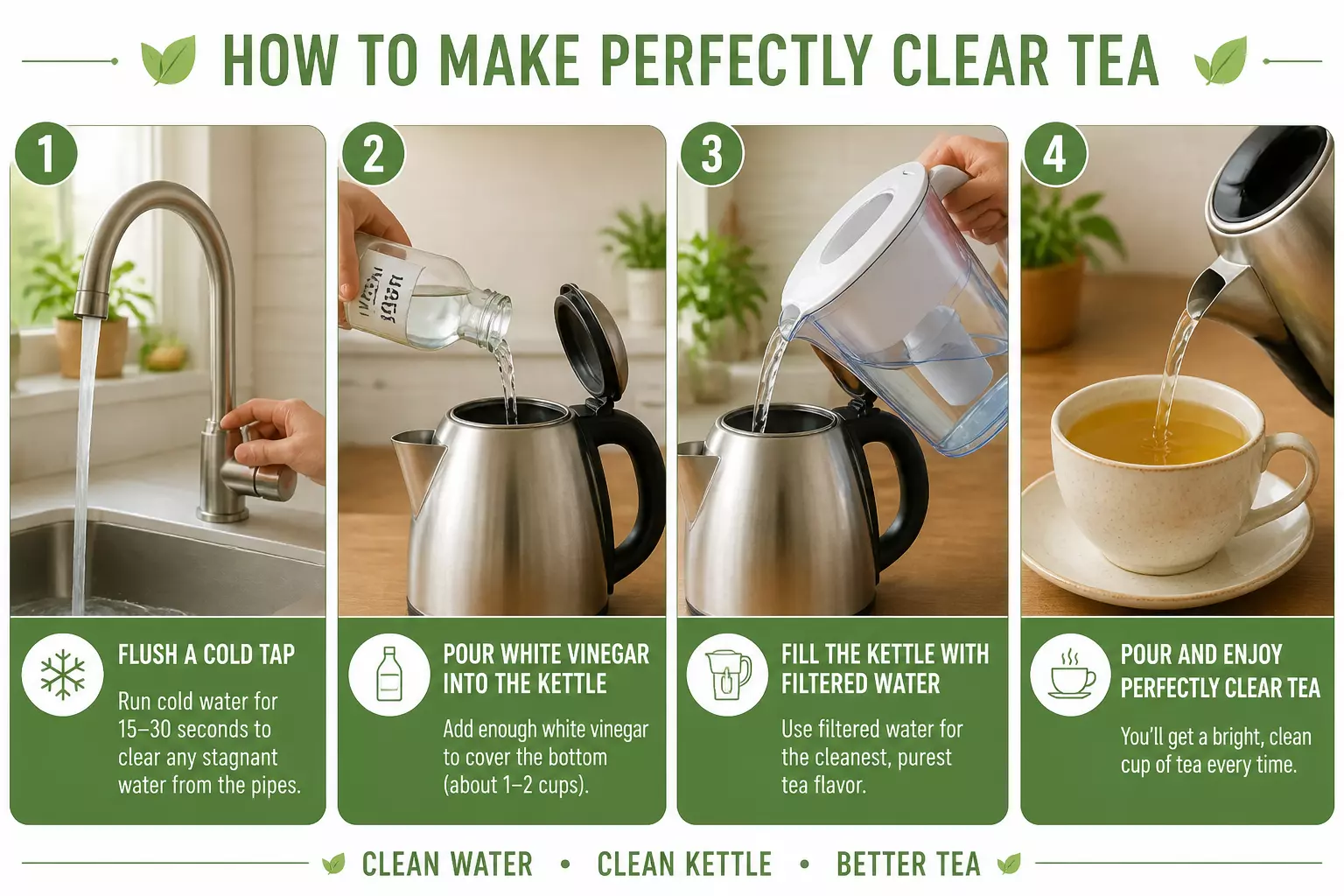
The fix: Descale your kettle monthly using white vinegar [1]. Fill the kettle halfway with a 50/50 mix of white vinegar and water, bring it to a boil, let it sit for 30 minutes, then rinse thoroughly. This removes limescale buildup that traps metallic particles and protects heating elements from further corrosion.
Stainless Steel Travel Mugs
This one surprises a lot of people. Hot, acidic tea (which typically has a pH between 4.9 and 5.5) reacts with the metal in travel mugs, especially if the steel is low-grade [1]. The problem gets significantly worse if:
- The mug has scratches on the interior surface
- You stir with a metal spoon
- You leave tea sitting in the mug for more than an hour
The process is called galvanic corrosion, and it’s a real chemical reaction — not just a flavor perception issue [1].
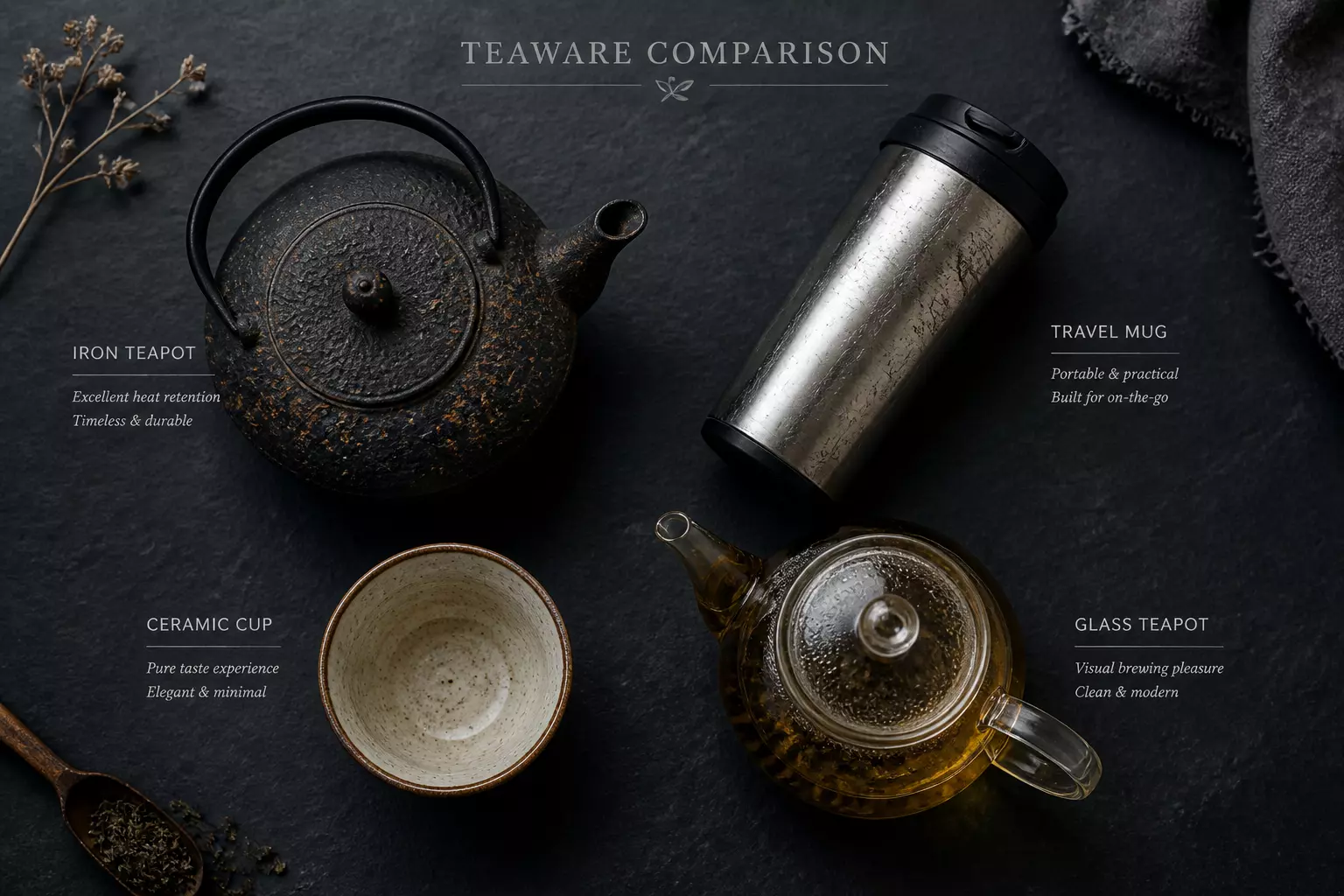
The fix: Look for travel mugs labeled “18/8” or “304” food-grade stainless steel [1]. These contain 18% chromium and 8% nickel, making them far more resistant to corrosion. Better yet, switch to a ceramic-lined or glass travel mug if you’re particularly sensitive to metallic flavors [1].
Iron Teapots and Aged Teaware
Traditional cast iron teapots (tetsubin) are beautiful, but they require proper care. As they age and develop patina — or if water is left sitting inside them — they can impart undesirable metallic flavors into your brew [4]. The same applies to stainless steel thermoses that have developed interior scratches or residue buildup.
The fix: After every use, empty and dry your iron teapot completely. Never leave water sitting in it. If you notice rust developing, season the pot with a light coat of brewed tea (the tannins help protect the surface).
The Papery Taste Problem: It’s Not Always About Metal
Sometimes the off-flavor in your tea isn’t metallic at all — it’s more like cardboard, wet paper, or something vaguely musty. This is a distinct problem with different causes.
Over-Extraction and Stale Water
Water that has been boiled multiple times loses dissolved oxygen and develops a flat, stale quality [2]. This doesn’t taste metallic — it tastes papery and lifeless. The tea’s aromatic compounds have nothing to interact with, so the brew falls flat.
The fix: Always use freshly drawn, cold water for each brew. Never reboil water that’s already been heated.
Water Temperature and Tea Type
Using water that’s too hot for delicate teas — especially green tea or white tea — causes over-extraction of bitter tannins and polyphenols [3]. The result is a harsh, papery bitterness that overwhelms the tea’s natural sweetness.
| Tea Type | Ideal Water Temperature |
|---|---|
| White tea | 70–75°C (158–167°F) |
| Green tea | 75–80°C (167–176°F) |
| Oolong tea | 85–90°C (185–194°F) |
| Black tea | 95–100°C (203–212°F) |
| Herbal/tisane | 100°C (212°F) |
Chlorine in Tap Water
Municipal water treatment uses chlorine to kill bacteria, which is essential for public health — but chlorine reacts with tea’s polyphenols to create off-flavors that range from medicinal to papery [2]. If you can smell chlorine in your tap water, it’s almost certainly affecting your tea.
The fix: Let tap water sit in an open jug for 30 minutes before using it (chlorine is volatile and dissipates), or use a carbon-block filter.
How to Fix Your Water: A Complete Action Plan
Now that you understand the causes, here’s a prioritized action plan. Start with the easiest fixes first and work your way up.
Step 1: Flush Your Tap First 💧
Before filling your kettle, run the cold tap for 30 seconds [1]. This clears out any water that’s been sitting in your pipes overnight and picking up metal particles. It’s free, takes no time, and makes an immediate difference — especially in older homes.
Step 2: Switch to Filtered Water
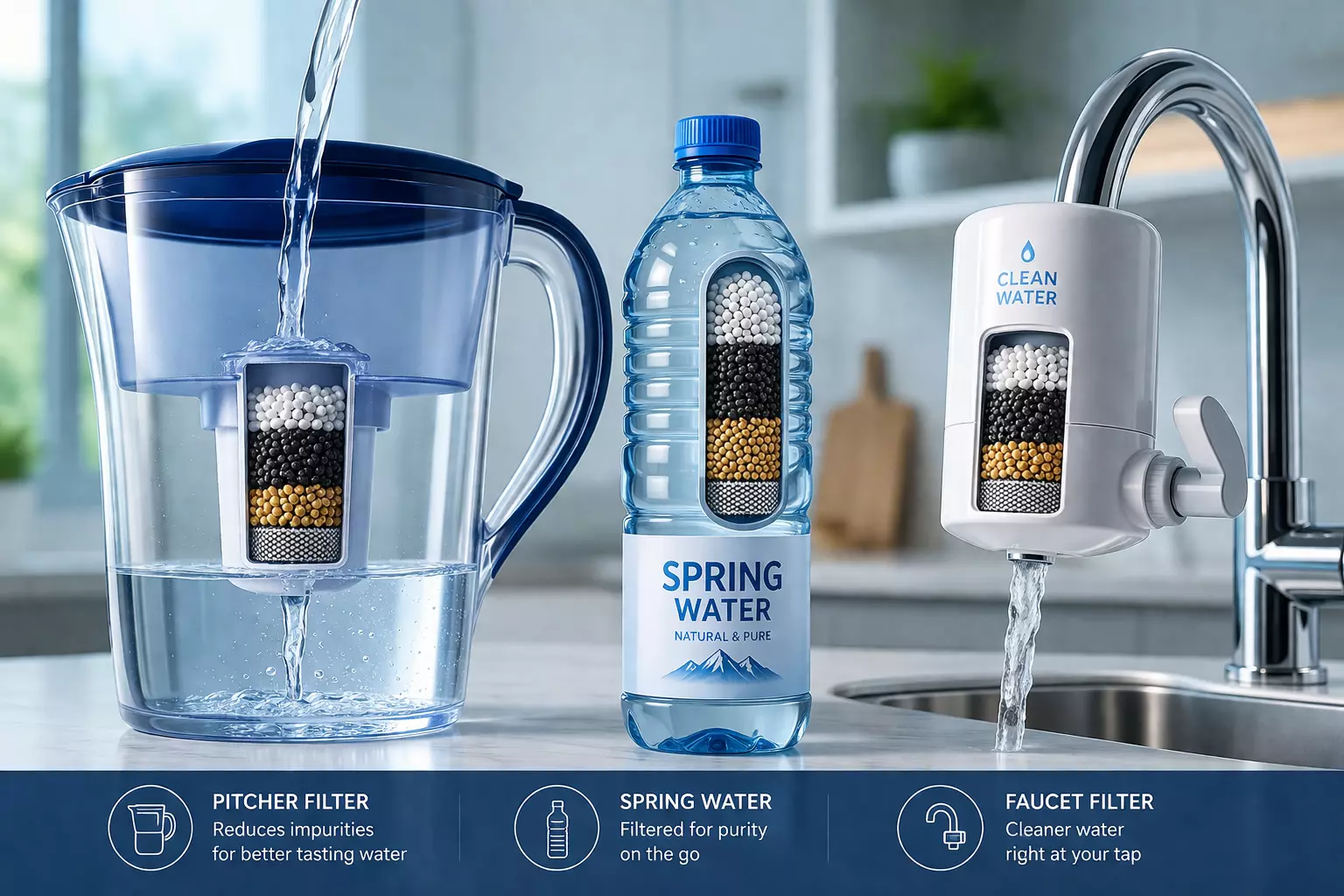
This is the single highest-impact upgrade you can make. A carbon-block pitcher filter (like those from Brita or similar brands) removes chlorine, reduces heavy metals, and softens the mineral profile of your water [2].
⚠️ Important: Do NOT use distilled water for tea. Distilled water has had all minerals removed, which sounds ideal — but tea actually needs a small amount of dissolved minerals to properly extract flavor compounds [2]. Completely mineral-free water produces flat, thin-tasting tea.
Spring water is often the best off-the-shelf option. It has a balanced mineral profile that supports full flavor extraction without the metallic or chalky downsides of hard tap water [2].
Step 3: Descale Your Kettle Monthly 🧹
Limescale is a calcium carbonate deposit that builds up on your kettle’s heating element and interior walls. It doesn’t just taste bad — it traps metallic particles and accelerates corrosion [1].
Monthly descaling routine:
- Fill kettle halfway with equal parts white vinegar and water
- Bring to a boil
- Let sit for 30 minutes
- Discard the solution
- Rinse the kettle 2–3 times with fresh water
- Boil a full kettle of plain water and discard before using
Step 4: Upgrade Your Equipment
If you’ve fixed your water and still taste metal, the problem is likely your equipment. Here’s what to prioritize:
- ✅ Kettle: Choose a glass or ceramic-lined electric kettle, or one explicitly rated with food-grade 304 stainless steel
- ✅ Travel mug: Look for “18/8” or “304” grade steel, or switch to ceramic-lined options [1]
- ✅ Teapot: Use glass, ceramic, or properly maintained cast iron
- ❌ Avoid: Cheap stainless steel with no grade marking, scratched or dented travel mugs, kettles with visible rust
Step 5: Test Your Water
If you’ve tried everything above and still have problems, consider testing your home’s water quality. Home water testing kits are widely available and can identify specific metal concentrations, pH levels, and hardness. This gives you targeted information — for example, if your water is extremely hard, you might benefit from a dedicated water softener or a specialist filter.
Understanding Why Your Tea Tastes Metallic or Papery: A Quick Diagnosis Guide
Not sure which problem you’re dealing with? Use this quick reference to diagnose your specific off-flavor:
🔍 Flavor Diagnosis Chart
Tastes like old coins or blood:
→ Likely cause: Iron or copper from pipes or a corroded kettle
→ Fix: Flush tap, descale kettle, filter water
Tastes chalky or thick on the tongue:
→ Likely cause: Hard water with high calcium carbonate
→ Fix: Use filtered or spring water, descale regularly
Tastes flat and papery, no aroma:
→ Likely cause: Reboiled water, over-extraction, or chlorine
→ Fix: Use fresh cold water, lower brewing temperature, filter chlorine
Tastes slightly sour and metallic:
→ Likely cause: Galvanic corrosion in travel mug or thermos
→ Fix: Upgrade to 304-grade steel or ceramic-lined mug, don’t leave tea sitting
Tastes bitter and harsh:
→ Likely cause: Water too hot for tea type, or over-steeping
→ Fix: Reduce water temperature, shorten steep time
Choosing the Right Water for Different Tea Types
Not all teas respond the same way to water chemistry. Here’s a practical guide to matching your water to your tea:
Delicate Teas (Green, White, Yellow)
These teas are the most sensitive to water quality. Soft, slightly mineral water with a neutral to slightly acidic pH (around 6.5–7) works best. Hard tap water will overwhelm their subtle flavors entirely. Use filtered or spring water, and never exceed 80°C [2][3].
Bold Teas (Black, Pu-erh)
Black teas are more forgiving. They can handle slightly harder water, though very hard water will still create that unpleasant film. The key issue here is usually temperature — black tea needs water close to boiling (95–100°C) to fully extract its flavor compounds [3].
Oolong Teas
Oolong sits in the middle. Medium-soft filtered water at 85–90°C brings out the best of both its floral and roasted notes. Hard water tends to flatten the floral aromatics that make good oolong distinctive.
Herbal Teas and Tisanes
Most herbal teas are robust enough to handle a wider range of water qualities, but chlorine and heavy metals will still suppress their aromatic oils. Filtered water is still recommended for the best experience [2].
Why Your Tea Tastes Metallic or Papery: The Bigger Picture
It’s worth stepping back and recognizing something important: the quality of your water is arguably more important than the quality of your tea leaves. You can spend a significant amount on premium single-origin tea and completely ruin it with poor water. Conversely, a modest, everyday tea brewed with excellent water will consistently outperform an expensive tea brewed carelessly.
This is why professional tea tasters and tea rooms invest heavily in water filtration. It’s not a luxury — it’s the foundation of every good cup.
The good news is that fixing your water doesn’t require expensive equipment or complicated chemistry. In most cases, the combination of:
- Flushing your tap before use
- Using a basic carbon-block filter
- Descaling your kettle monthly
- Upgrading to quality teaware
…will completely eliminate metallic and papery off-flavors from your daily brew.
Interactive Water Quality Checker
Use the tool below to diagnose your specific tea taste problem and get a personalized fix recommendation:
Tea Water Quality Checker
Answer 5 quick questions for your personalized fix plan
Conclusion: From Metallic to Magnificent
Understanding why your tea tastes metallic or papery (and how to fix your water) comes down to a clear chain of cause and effect. Dissolved metals from old pipes, corrosion from low-grade kettles and travel mugs, hard water mineral deposits, chlorine, and reboiled water — these are the real culprits, and every one of them has a practical solution.
Your Action Plan for 2026 🎯
- This week: Start flushing your cold tap for 30 seconds before every kettle fill. Free, instant improvement.
- This month: Descale your kettle with white vinegar. Check your travel mug’s steel grade and replace if it’s not marked 18/8 or 304.
- Ongoing: Switch to filtered or spring water as your standard brewing water. Match your water temperature to your tea type using the table in this guide.
- If problems persist: Test your home water quality to identify specific mineral or pH issues.
The difference between a metallic, papery cup and a clean, vibrant one is rarely about the tea itself. Fix your water, and you fix your tea. It really is that straightforward.
References
[1] Tea Tastes Metallic – https://teatrade.co.uk/learning/tea-tastes-metallic.html
[2] 5 Things That Can Affect The Taste Of Your Tea And How To Fix Them – https://theinfusedkettle.com/blogs/blog/5-things-that-can-affect-the-taste-of-your-tea-and-how-to-fix-them
[3] 5 Common Brewing Mistakes – https://www.goodandpropertea.com/blogs/all/5-common-brewing-mistakes
[4] If Your Tea Doesn’t Taste Right You May Be Making One Of The Most – https://www.meimeitea.com/blogs/latest-news/if-your-tea-doesnt-taste-right-you-may-be-making-one-of-the-most