
The Ideal Time of Day to Drink Coffee (Hint: Not Right When You Wake Up)
Ninety percent of American adults consume caffeine daily — yet most of them are drinking coffee at the single worst time their body can use it. That first-thing-in-the-morning cup you’re reaching for before your eyes fully open? Science says it’s largely wasted, and it may be setting you up for a mid-afternoon energy crash you didn’t need to have. Understanding the ideal time of day to drink coffee (hint: not right when you wake up) could be one of the simplest, most impactful health upgrades you make in 2026.
Disclosure: This post contains affiliate links. As an Amazon Associate, we earn from qualifying purchases, and at no extra cost to you.

This isn’t just about feeling more alert. A landmark study from the National Heart, Lung, and Blood Institute (NHLBI) found that when you drink coffee matters as much as whether you drink it at all — with morning coffee drinkers showing a 31% lower risk of dying from cardiovascular disease compared to non-drinkers [1]. The timing of your daily brew is a genuine health decision.
Key Takeaways ☕
- ⏰ Wait 90–120 minutes after waking before your first cup of coffee for maximum energy and fewer crashes
- 🫀 Morning coffee (before noon) reduces cardiovascular mortality risk by 31% according to NHLBI research
- 🧠 Your body already produces its own stimulant (cortisol) right after waking — coffee during this window is largely redundant
- 🌙 Drinking coffee after 2 p.m. disrupts sleep for the majority of people, negating many health benefits
- 📊 2–3 cups consumed in the morning provides the strongest protective health effects
- Interactive Tool: Your Personalized Coffee Timing Tool
Why Your Body Doesn’t Need Coffee the Moment You Wake Up
Here’s the biology most coffee drinkers don’t know: your brain and body are already working hard to wake you up the moment your alarm goes off.
The Cortisol Awakening Response
Within 30 to 45 minutes of waking, your body triggers what scientists call the Cortisol Awakening Response (CAR). Cortisol — often called the “stress hormone” — spikes sharply at this time, and its job is exactly what you think coffee does: it sharpens focus, increases alertness, and prepares your body for the demands of the day.
When you drink coffee during this cortisol spike, you’re essentially “adding stimulation when your body is already providing it,” as Cleveland Clinic research puts it [2]. The caffeine doesn’t stack on top of the cortisol boost in a useful way. Instead, it competes with your body’s natural rhythm, and you build caffeine tolerance faster without getting the full alertness benefit.
💡 Pull Quote: “Drinking coffee the moment you wake up is like flooring the gas pedal when the engine is already running at full speed. You’re burning fuel without going anywhere faster.”
The Adenosine Factor
There’s a second, equally important reason to wait. Adenosine is a chemical your brain accumulates throughout the day that makes you feel sleepy. While you sleep, your body clears adenosine. When you wake up, levels are low — but they start rebuilding immediately.
Caffeine works by blocking adenosine receptors, which is why it keeps you alert. But here’s the catch: if you drink coffee too early, before adenosine has had a chance to build up to a meaningful level, the caffeine has fewer receptors to block. When the caffeine wears off a few hours later, adenosine floods back in all at once — and that’s exactly what causes the dreaded mid-morning or afternoon energy crash [2].
Waiting to drink coffee gives adenosine time to accumulate slightly, so caffeine can do its actual job more effectively and for longer.
The Science Behind the Ideal Time of Day to Drink Coffee (Hint: Not Right When You Wake Up)
So when should you drink your coffee? The research points to a surprisingly specific window.
The 90–120 Minute Rule
Stanford neuroscientist Dr. Andrew Huberman has popularized a timing strategy grounded in adenosine-cortisol interaction: wait 90 to 120 minutes after waking before consuming caffeine [2]. This approach:
- Allows the cortisol awakening response to complete its natural cycle
- Lets adenosine accumulate enough for caffeine to work effectively
- Prevents the residual adenosine buildup that causes afternoon crashes
- Aligns your caffeine peak with the period when you need sustained focus most
What does this look like in practice?
| Wake-Up Time | Cortisol Peak Ends | Optimal First Coffee Window |
|---|---|---|
| 5:30 a.m. | ~6:15 a.m. | 7:00 – 7:30 a.m. |
| 6:30 a.m. | ~7:15 a.m. | 8:00 – 8:30 a.m. |
| 7:00 a.m. | ~7:45 a.m. | 8:30 – 9:00 a.m. |
| 7:30 a.m. | ~8:15 a.m. | 9:00 – 9:30 a.m. |
| 8:00 a.m. | ~8:45 a.m. | 9:30 – 10:00 a.m. |
For most people who wake between 6:30 and 7:30 a.m., this means their first cup should land somewhere between 9:30 and 11:00 a.m. [2] — a window that probably feels surprisingly late if you’re used to brewing immediately after your alarm.
The NHLBI Morning Window: Before Noon Is the Sweet Spot
The NHLBI’s landmark research — which analyzed data from over 40,000 U.S. adults over nearly 10 years — found that adults who drank coffee between 4 a.m. and noon were 16% less likely to die from any cause compared to non-coffee drinkers [1].
The cardiovascular benefits were even more striking: morning coffee drinkers showed a 31% lower risk of dying from cardiovascular disease [1]. These are not small numbers. For context, many pharmaceutical interventions aim for risk reductions in the single digits.
Crucially, the study found that people who spread their coffee consumption throughout the entire day did not show the same benefits — even when they drank the same total amount of coffee [4].
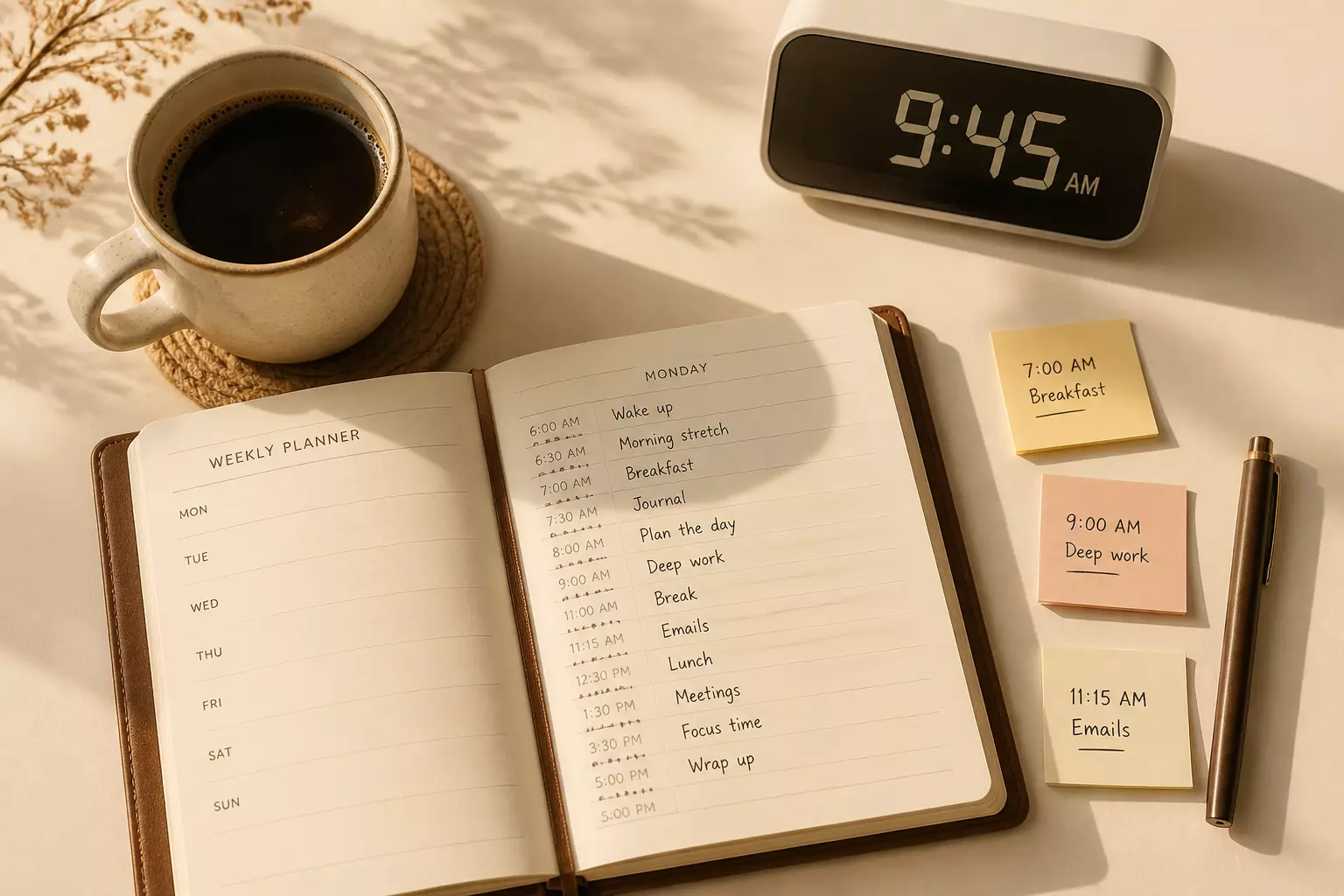
The Heart Health Connection: Why Morning Coffee Is Different
The cardiovascular findings from this research deserve their own spotlight, because they reveal something important about why timing matters so much.
Anti-Inflammatory Effects Are Time-Dependent
Coffee contains powerful anti-inflammatory compounds, including polyphenols and chlorogenic acids. These compounds fight inflammation — a key driver of heart disease, diabetes, and many cancers.
Here’s the critical detail: inflammation levels in the human body naturally peak in the morning [1]. By drinking coffee during this window, you’re deploying its anti-inflammatory firepower exactly when your body needs it most. The same cup of coffee consumed at 8 p.m. doesn’t offer the same protective effect, because the inflammation it would fight has already subsided.
Interestingly, the NHLBI study found these anti-inflammatory benefits applied to both caffeinated and decaffeinated coffee [1]. This tells us that the timing benefit isn’t purely about caffeine — it’s about the bioactive compounds in coffee interacting with your body’s natural inflammatory cycle.
Circadian Rhythm Alignment
Dr. Adedapo Iluyomade, a preventative cardiologist, explains that morning coffee consumption aligns with the body’s natural circadian rhythms — the internal 24-hour clock that governs nearly every biological process [3]. When coffee is consumed in the morning:
- ✅ It works with your body’s natural energy-rising phase
- ✅ It doesn’t interfere with evening melatonin production
- ✅ It supports the body’s natural cortisol decline through the afternoon
Late-day coffee consumption, by contrast, disrupts melatonin secretion and throws off circadian timing — potentially negating the very health benefits that make coffee valuable in the first place [3].
How Many Cups? The Dose-Response Relationship
The NHLBI research also found that quantity matters, but perhaps not in the way you’d expect:
- 2–3 cups or more per day in the morning showed the strongest mortality risk reduction
- Even 1 cup or less in the morning showed smaller but still meaningful decreases in mortality risk [3]
- Spreading those same cups throughout the day eliminated the benefit entirely
The takeaway: you don’t need to be a heavy coffee drinker to benefit from timing optimization. Even modest morning consumption outperforms all-day drinking.
The Afternoon Coffee Trap: What Happens When You Drink Too Late
Understanding the ideal time of day to drink coffee (hint: not right when you wake up) also means understanding the other end of the timing equation — when to stop.
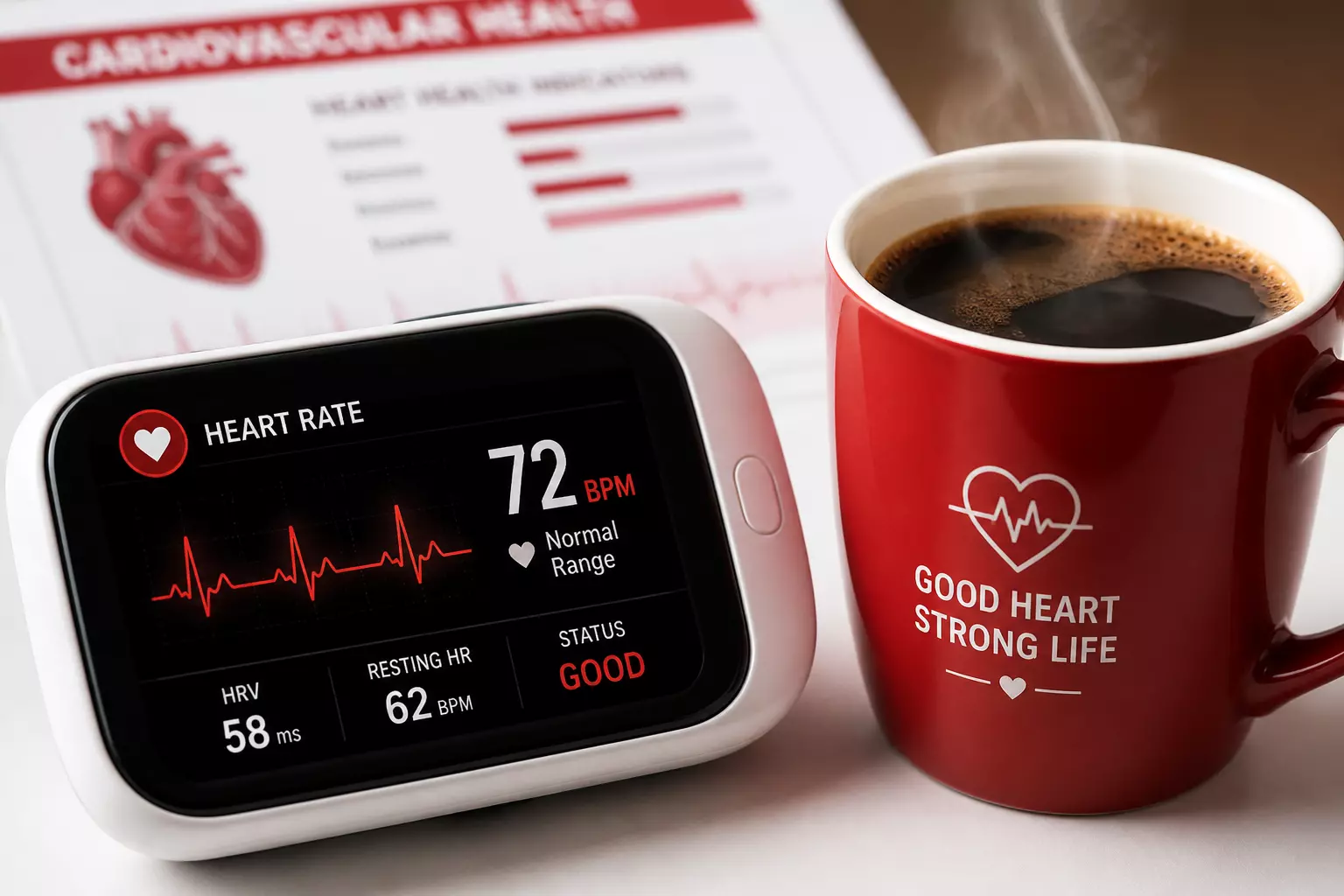
The Sleep Disruption Problem
Caffeine has a half-life of approximately 5–6 hours in the average adult. This means that if you drink a cup of coffee at 3 p.m., roughly half of that caffeine is still active in your system at 9 p.m. — right when you’re trying to wind down for sleep.
The numbers on this are sobering: 88% of people who regularly consume afternoon caffeine experience at least one sleep problem [2]. Poor sleep, in turn, increases inflammation, elevates cardiovascular risk, impairs cognitive function, and ironically makes you more dependent on caffeine the next morning — creating a vicious cycle.
Caffeine Cutoff Times by Sensitivity
Not everyone processes caffeine at the same rate. Your genetics, liver function, and even medications you take can affect how quickly your body clears caffeine. Here’s a practical guide:
| Caffeine Sensitivity | Hours Before Bed to Stop | Example: 10 p.m. Bedtime Cutoff |
|---|---|---|
| Normal sensitivity | 6–8 hours | 2:00 – 4:00 p.m. |
| Sensitive individuals | 8–10 hours | 12:00 – 2:00 p.m. |
| Slow metabolizers | 10–12 hours | 10:00 a.m. – 12:00 p.m. |
For most people with a 10 p.m. bedtime, the last cup of coffee should occur between noon and 2 p.m., accounting for caffeine’s 45-minute peak absorption time [2].
If you’re unsure which category you fall into, a simple test: if you drink coffee at 2 p.m. and still feel wired at 11 p.m., you’re likely a slow metabolizer and should move your cutoff earlier.
The All-Day Pattern vs. Morning Pattern: A Stark Contrast
A peer-reviewed study published in the European Heart Journal made this point with statistical precision: higher coffee intake was significantly associated with lower all-cause mortality in people with a morning-type consumption pattern, but showed no significant benefit in those with an all-day-type pattern (P-interaction = .031) [4][5].
This is perhaps the most compelling evidence that timing isn’t just a minor optimization — it’s a fundamental factor in whether coffee helps or hurts your long-term health.
Practical Guide: Building Your Ideal Coffee Schedule
Let’s bring all of this together into an actionable daily framework. Here’s how to structure your coffee consumption for maximum benefit in 2026.

Step 1: Identify Your Wake Time and Calculate Your First Coffee Window
Use the 90-minute rule as your baseline:
- Wake time + 90 minutes = earliest recommended first coffee
If you wake at 7:00 a.m., your first coffee window opens at 8:30 a.m. at the earliest, with 9:00–9:30 a.m. being even better.
Step 2: Keep All Coffee Before Noon When Possible
The NHLBI data strongly supports keeping the bulk of your coffee consumption in the 4 a.m. to noon window [1]. If you must have an afternoon cup, keep it before 2 p.m. and be honest with yourself about whether it’s affecting your sleep.
Step 3: Know Your Caffeine Cutoff
Based on your sensitivity level (see table above), set a firm last cup time and stick to it. Many people find that simply moving their last coffee 2 hours earlier dramatically improves sleep quality within a week.
Step 4: Don’t Skip the Morning Entirely
This isn’t an argument against coffee — it’s an argument for better-timed coffee. The research is clear that morning coffee drinkers have better health outcomes than non-coffee drinkers [1][3]. The goal is to optimize the timing, not eliminate the habit.
Quick Reference: The Ideal Coffee Timing Cheat Sheet 📋
- 🚫 Avoid: Coffee within the first 90 minutes of waking
- ✅ Best window: 90–120 minutes after waking, through late morning
- ⭐ Optimal zone: Before noon for maximum cardiovascular and anti-inflammatory benefits
- ⚠️ Caution zone: 12 p.m. – 2 p.m. (only if needed, and only for normal metabolizers)
- 🛑 Stop point: No coffee within 6–10 hours of bedtime (depending on sensitivity)
Your Personalized Coffee Timing Tool
Use the interactive tool below to find your ideal coffee schedule based on your personal wake time and caffeine sensitivity.
Your Personalized Coffee Timing
Find your optimal caffeine schedule based on the science of cortisol, adenosine & circadian rhythm.
Common Myths About Coffee Timing — Debunked
Before we wrap up, let’s address a few persistent misconceptions.
Myth 1: “I need coffee immediately or I can’t function.”
This feeling is largely a product of caffeine dependence and habit, not a genuine biological need. Your cortisol is already doing the waking-up work. The craving for immediate coffee is your brain’s learned expectation, not a physiological requirement.
Myth 2: “Decaf doesn’t count for timing.”
Actually, decaffeinated coffee still contains the anti-inflammatory polyphenols that contribute to coffee’s health benefits [1]. Timing still matters for decaf drinkers who want to maximize those anti-inflammatory effects — though the sleep disruption concern is much less significant.
Myth 3: “As long as I drink enough coffee, timing doesn’t matter.”
The European Heart Journal study directly refutes this. All-day drinkers who consumed the same or more total coffee than morning drinkers did not show the same mortality risk reductions [4]. Quantity cannot compensate for poor timing.
Myth 4: “Afternoon coffee just makes me more productive.”
The short-term alertness boost from afternoon caffeine comes at a hidden cost: disrupted sleep that impairs next-day cognitive performance. Studies consistently show that people who protect their sleep by cutting afternoon caffeine perform better cognitively over the long term than those who rely on late-day coffee for productivity.
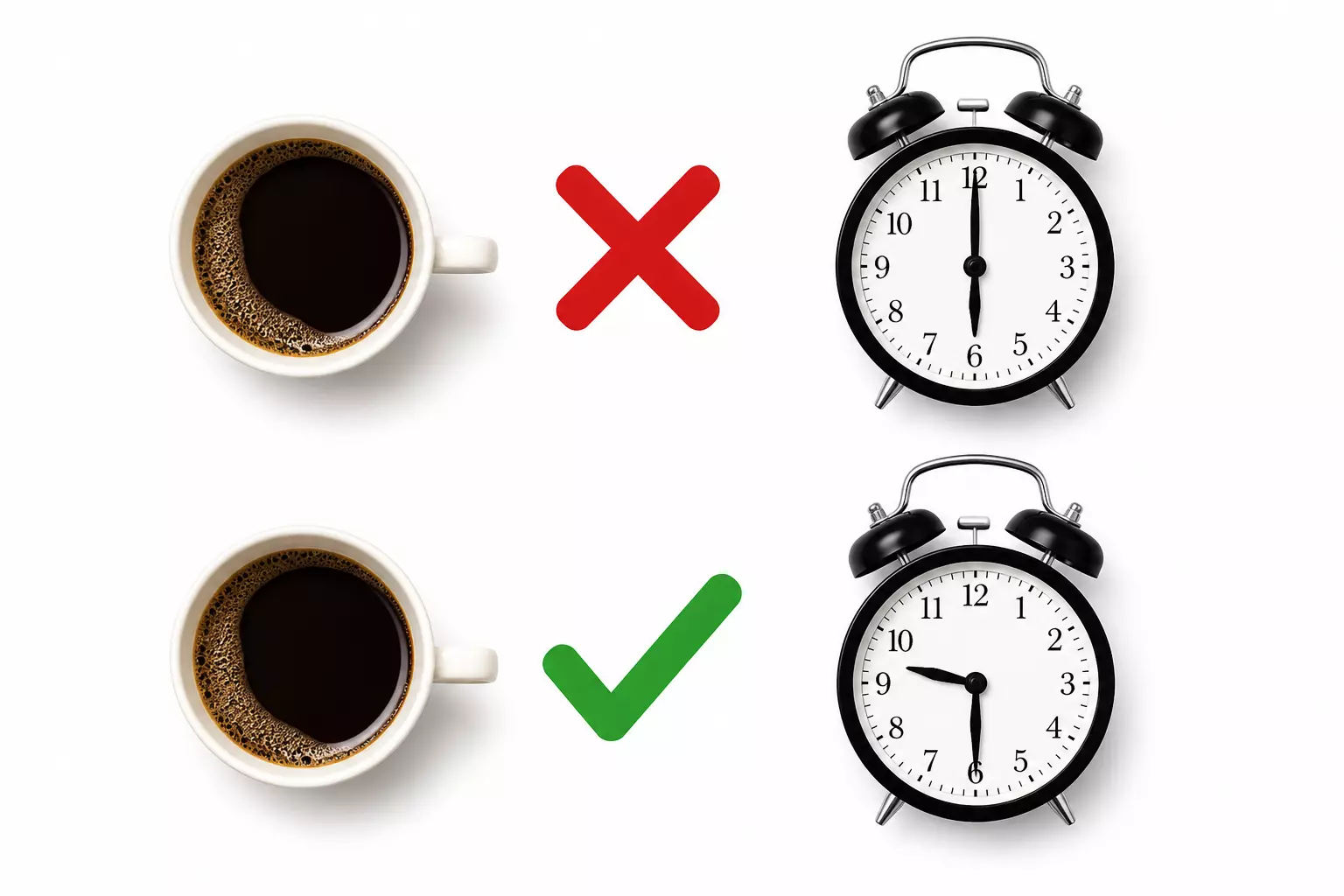
Conclusion: Small Timing Shifts, Big Health Returns
The ideal time of day to drink coffee (hint: not right when you wake up) isn’t a complicated concept — but it is one that most coffee drinkers have never considered. The research is now remarkably clear: when you drink your coffee matters as much as whether you drink it at all.
Here’s what I recommend you do starting tomorrow:
- Set a “coffee alarm” — not to remind you to drink coffee, but to remind you to wait. Set it for 90 minutes after your usual wake time.
- Identify your last cup time using the sensitivity table above and stick to it for two weeks. Notice whether your sleep improves.
- Front-load your coffee consumption — aim to have your 2–3 cups before noon whenever possible.
- Try the transition gradually if cold turkey feels impossible. Push your first cup back by 15–20 minutes each week until you reach the 90-minute target.
The potential payoff is significant: a 16% reduction in all-cause mortality and a 31% reduction in cardiovascular mortality risk aren’t numbers to ignore [1]. And unlike many health interventions, this one doesn’t require you to give anything up — it just asks you to wait a little longer before you enjoy something you were going to have anyway.
Your coffee isn’t going anywhere. But your health window for drinking it optimally? That opens and closes every single day.
References
[1] When It Comes Health Benefits Coffee Timing May Count – https://www.nhlbi.nih.gov/news/2025/when-it-comes-health-benefits-coffee-timing-may-count
[2] The Best Time To Drink Coffee According To Science – https://embercoffee.co/blogs/learn/the-best-time-to-drink-coffee-according-to-science
[3] When To Drink Coffee For Heart Health Study – https://www.prevention.com/health/a69872059/when-to-drink-coffee-for-heart-health-study/
[4] PubMed – Coffee Timing and Mortality Study – https://pubmed.ncbi.nlm.nih.gov/39776171/
[5] European Heart Journal – Coffee Consumption Patterns – https://academic.oup.com/eurheartj/article/46/8/749/7928425