9 Must-Haves for the Ultimate Home Coffee Bar Station
Americans now spend an average of $1,100 per year on visits — money that could fund a world-class home setup many times over. If you have ever watched a barista pull a perfect and thought, “I want that at home,” you are not alone. The good news? Building the ultimate home station is more achievable — and more rewarding — than most people think.
Disclosure: This post contains affiliate links. As an Amazon Associate, we earn from qualifying purchases, and at no extra cost to you.
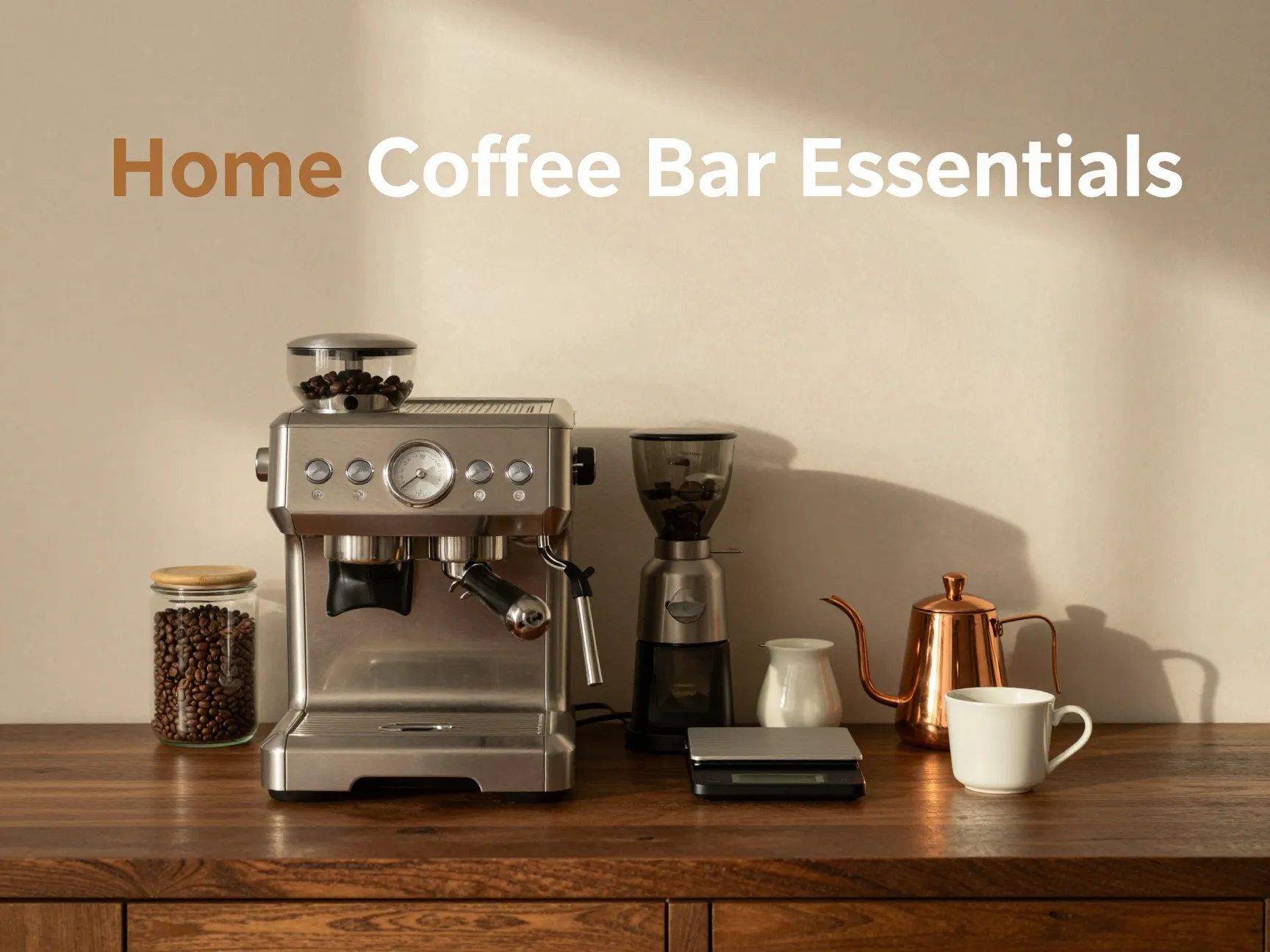
This guide walks you through the 9 Must-Haves for the Ultimate Home Coffee Bar Station, covering everything from the beans in your canister to the tools on your counter. Whether you are a casual drip-coffee drinker or an aspiring obsessed with latte art, these essentials will transform your morning routine into a genuine craft experience.
Key Takeaways
- 🫘 Quality beans and a burr grinder are the two non-negotiables — everything else builds on them.
- ⚖️ Precision tools like a digital scale and gooseneck kettle dramatically improve consistency and flavor.
- ☕ Your brewing method (espresso machine, French press, pour-over, etc.) should match your lifestyle and taste preferences.
- 🥛 A milk frother unlocks a whole new category of café-style drinks at home.
- 🗄️ Proper storage and smart accessories protect your investment in premium beans and gear.
Why a Dedicated Home Coffee Bar Station Is Worth Building in 2026
The home coffee bar trend has moved well beyond a trendy shelf with a Nespresso machine. Today, enthusiasts are investing in curated setups that rival specialty cafés — and for good reason. A dedicated station keeps all your tools organized, speeds up your morning routine, and signals to your brain that coffee-making is a ritual, not a chore [4].
“A well-designed coffee bar is not just about equipment — it is about creating a space that inspires you to slow down and enjoy the process.”
Beyond the aesthetic appeal, a home setup pays for itself quickly. A single specialty latte at a café can cost $6–$8. Make two a day at home and you recover the cost of a solid espresso machine within a few months.
Let’s get into the 9 Must-Haves for the Ultimate Home Coffee Bar Station — numbered, ranked, and explained in full.
The 9 Must-Haves for the Ultimate Home Coffee Bar Station: A Complete Breakdown
1. Freshly Roasted, High-Quality Coffee Beans
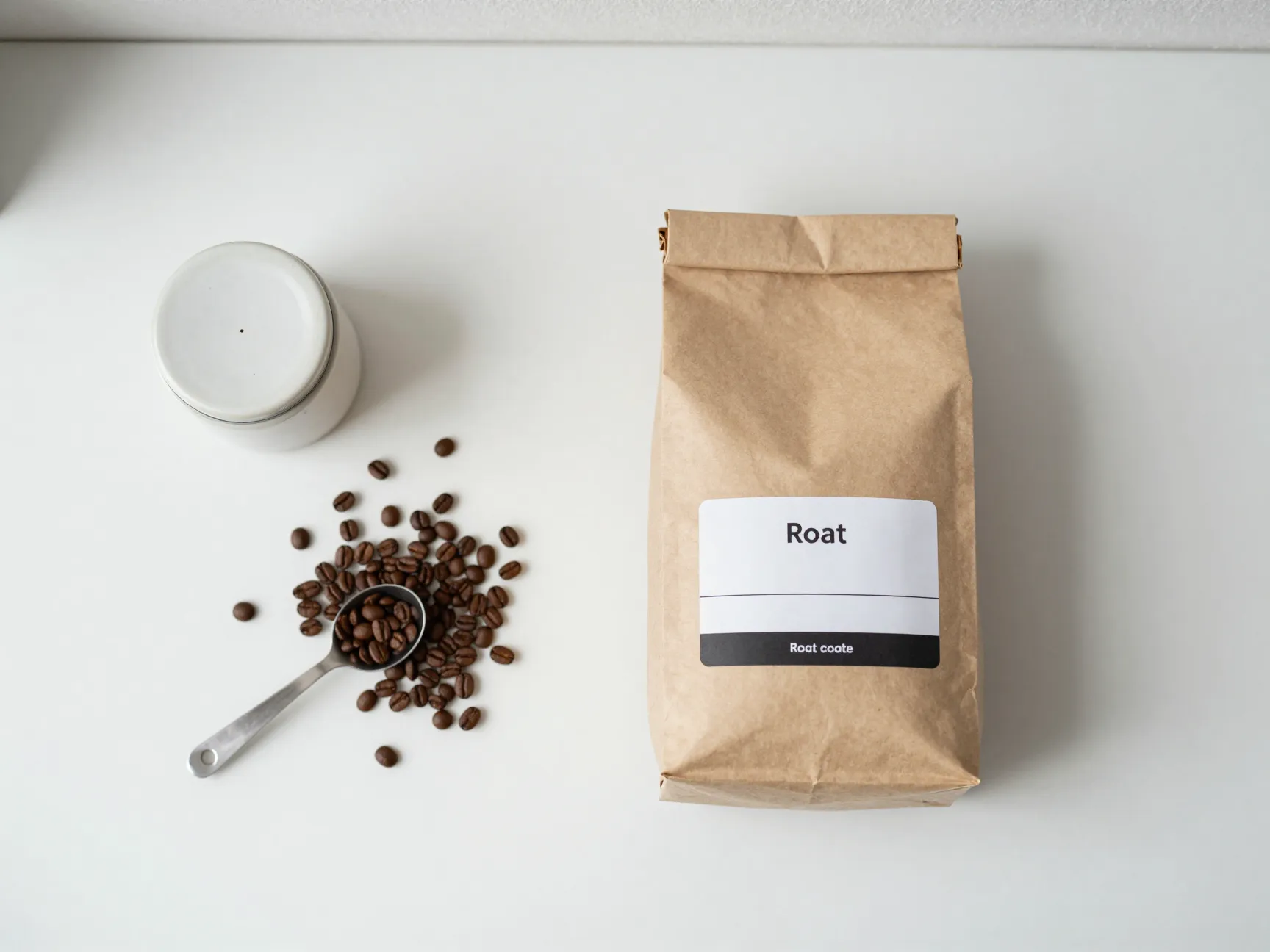
No piece of equipment can rescue bad beans. Quality coffee beans are the foundation of every great cup, and this is the one area where you should never cut corners [2].
Here is what to look for when buying beans:
| Factor | What to Look For |
|---|---|
| Roast date | Within 2–4 weeks of purchase |
| Origin | Single-origin for nuanced flavor; blends for consistency |
| Roast level | Light for pour-over; medium-dark for espresso |
| Certification | Specialty grade (SCA score 80+) when possible |
Pro tip: Buy from local roasters or reputable online sources that print the roast date on the bag. Avoid supermarket beans with only a “best by” date — they are often months old before they reach the shelf [2].
2. A High-Quality Burr Grinder
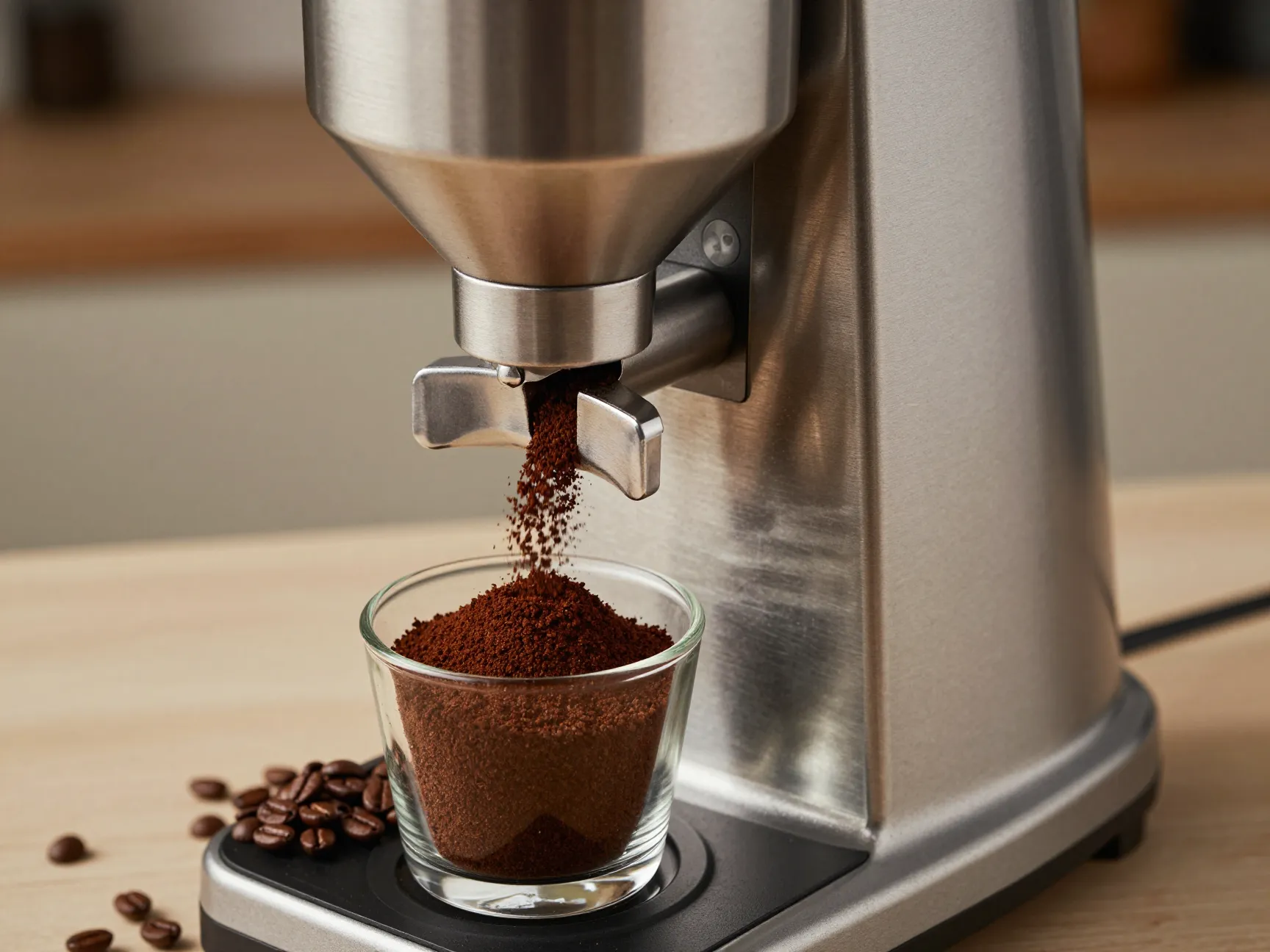
If quality beans are the foundation, a burr grinder is the cornerstone. Grinding your own beans fresh before each brew is one of the highest-impact upgrades you can make to your home coffee bar [2].
Why burr over blade?
- Burr grinders crush beans between two abrasive surfaces, producing a uniform, consistent grind size.
- Blade grinders chop unevenly, creating a mix of fine powder and large chunks that leads to over- and under-extraction in the same cup.
- Burr grinders allow you to adjust grind size — coarse for French press, medium for drip, fine for espresso — giving you full control over every brew method.
Types of burr grinders to consider:
- Flat burr grinders — Preferred by espresso purists for their precision and clarity of flavor.
- Conical burr grinders — Excellent for most home setups; quieter and easier to clean.
- Hand grinders — Budget-friendly and travel-ready, great for pour-over enthusiasts.
A quality burr grinder typically costs between $50 (entry-level hand grinder) and $500+ (prosumer electric). For most home baristas, a mid-range model in the $150–$300 range hits the sweet spot.
3. An Espresso Machine (The Centerpiece)
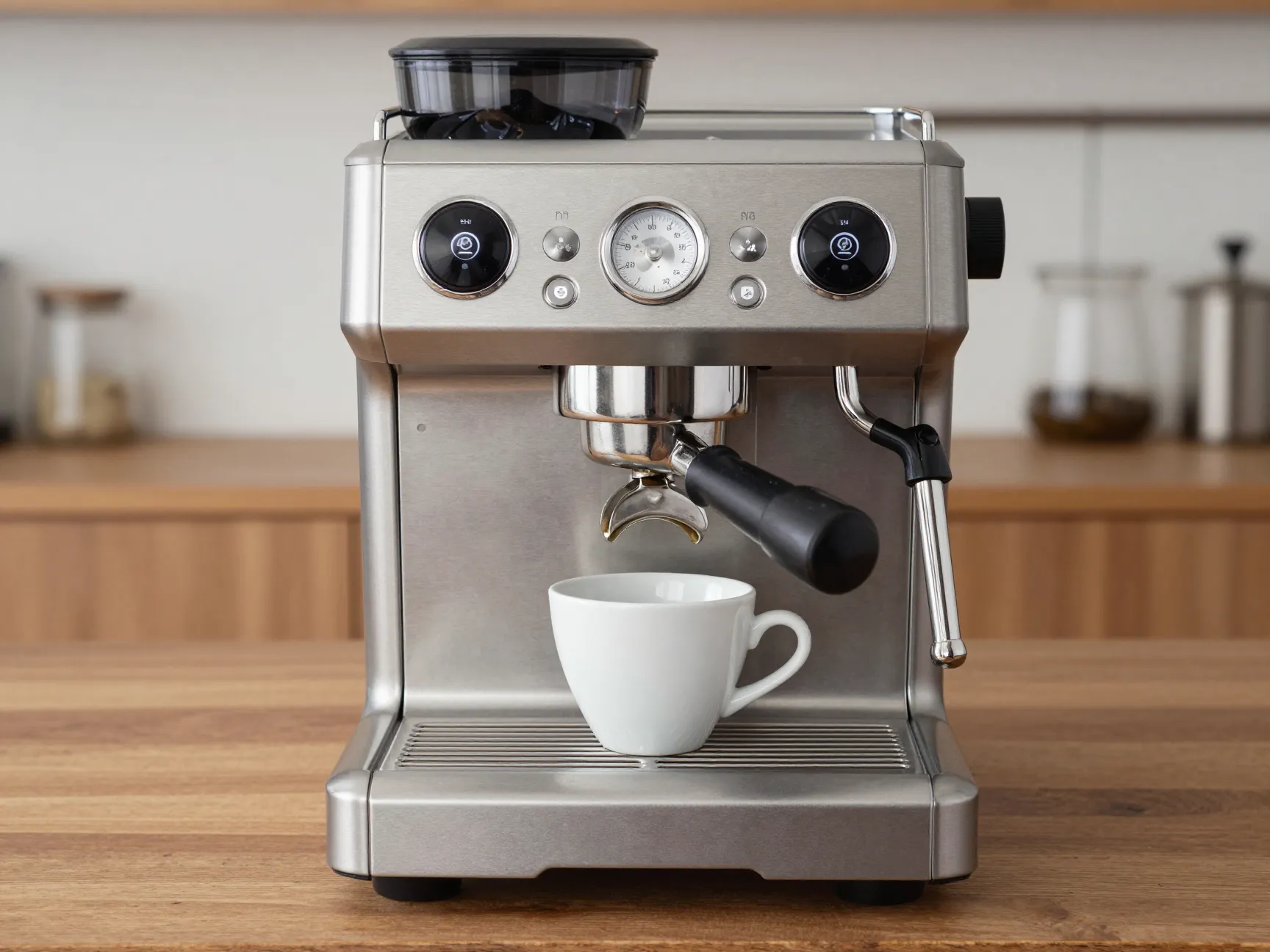
The espresso machine is the star of the show in any serious home coffee bar station. It is the piece of equipment that draws the most attention, requires the most investment, and delivers the most reward when dialed in correctly [2].
“Semi-automatic espresso machines offer the perfect balance of hands-on control and everyday convenience — making them the top choice for home baristas in 2026.”
Espresso machine categories at a glance:
| Type | Control Level | Price Range | Best For |
|---|---|---|---|
| Manual (lever) | Maximum | $300–$2,000+ | Coffee purists |
| Semi-automatic | High | $300–$1,500 | Serious home baristas |
| Automatic | Medium | $400–$2,000 | Convenience + quality |
| Super-automatic | Low | $500–$3,500 | Hands-off users |
| Pod/capsule | Minimal | $100–$400 | Simplicity seekers |
For most people building the ultimate home coffee bar, a semi-automatic machine is the recommended starting point. It lets you control grind size, dose, and while handling the pump pressure automatically [2].
Key specs to evaluate:
- Boiler type (single, dual, or heat exchanger)
- Pump pressure (9 bars is the standard for espresso)
- Steam wand quality for milk frothing
- Portafilter size (58mm is the professional standard)
4. A Versatile Coffee Maker for Non-Espresso Brewing
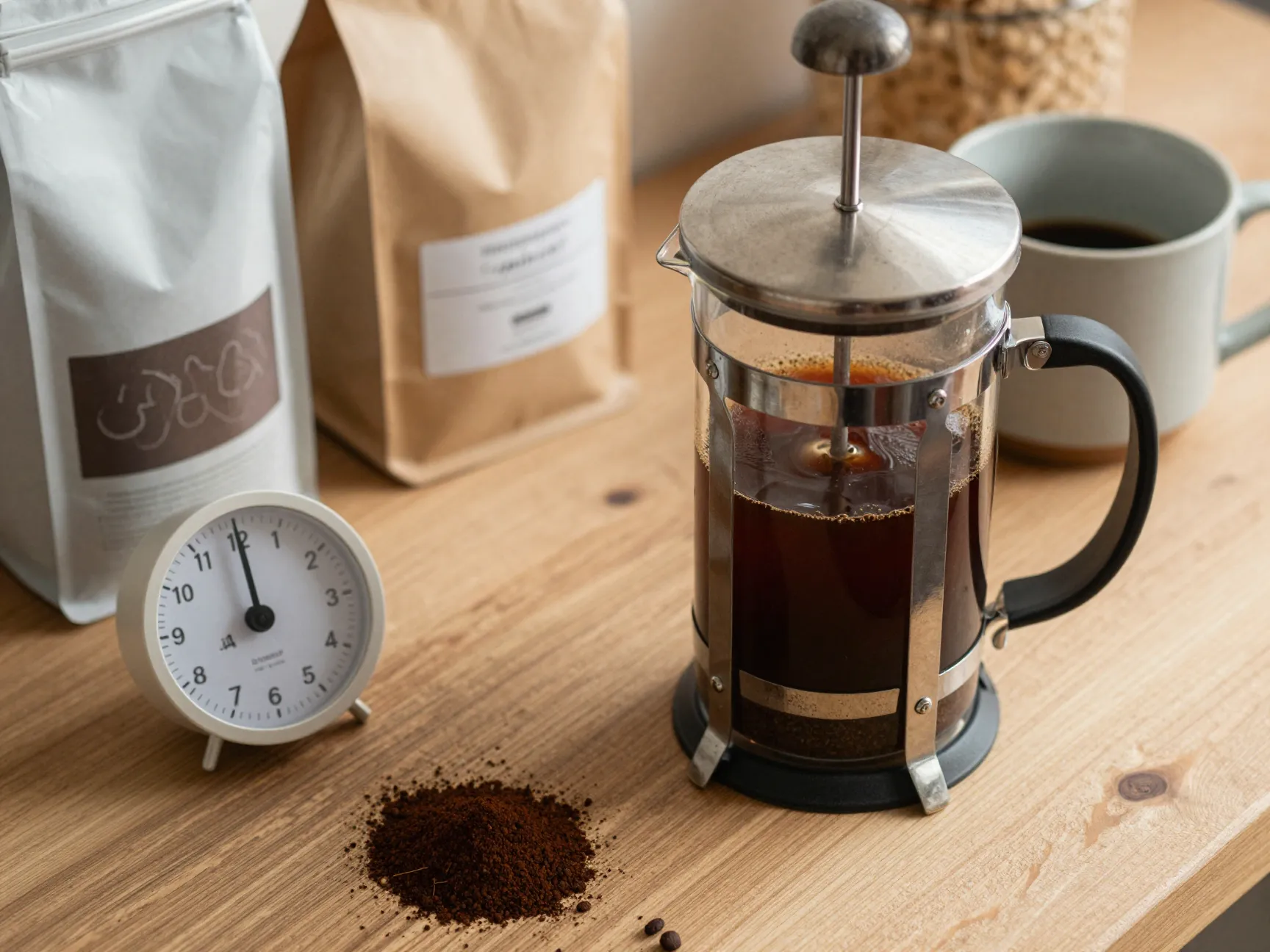
Not every great cup of coffee comes from an espresso machine. A complete home coffee bar station includes at least one alternative brewing method to suit different moods, occasions, and guests [2].
Here are the most popular options:
- Drip coffee maker — The classic choice for brewing multiple cups quickly. Modern versions with thermal carafes keep coffee hot without burning it.
- French press — Produces a rich, full-bodied cup with maximum flavor oils. Requires coarse-ground beans and about 4 minutes of steep time.
- Pour-over setup (Chemex, V60, Kalita Wave) — Beloved by fans for its clean, nuanced flavor. Pairs perfectly with a gooseneck kettle.
- AeroPress — Compact, fast, and incredibly versatile. Makes espresso-style concentrate or smooth, low-acid coffee depending on the recipe.
- Cold brew system — Perfect for warm months. Steep coarse grounds in cold water for 12–24 hours for a smooth, concentrated brew.
My recommendation: Start with a French press or AeroPress alongside your espresso machine. Both are affordable, require no electricity, and produce excellent results with minimal fuss.
5. A Digital Scale for Precision Brewing
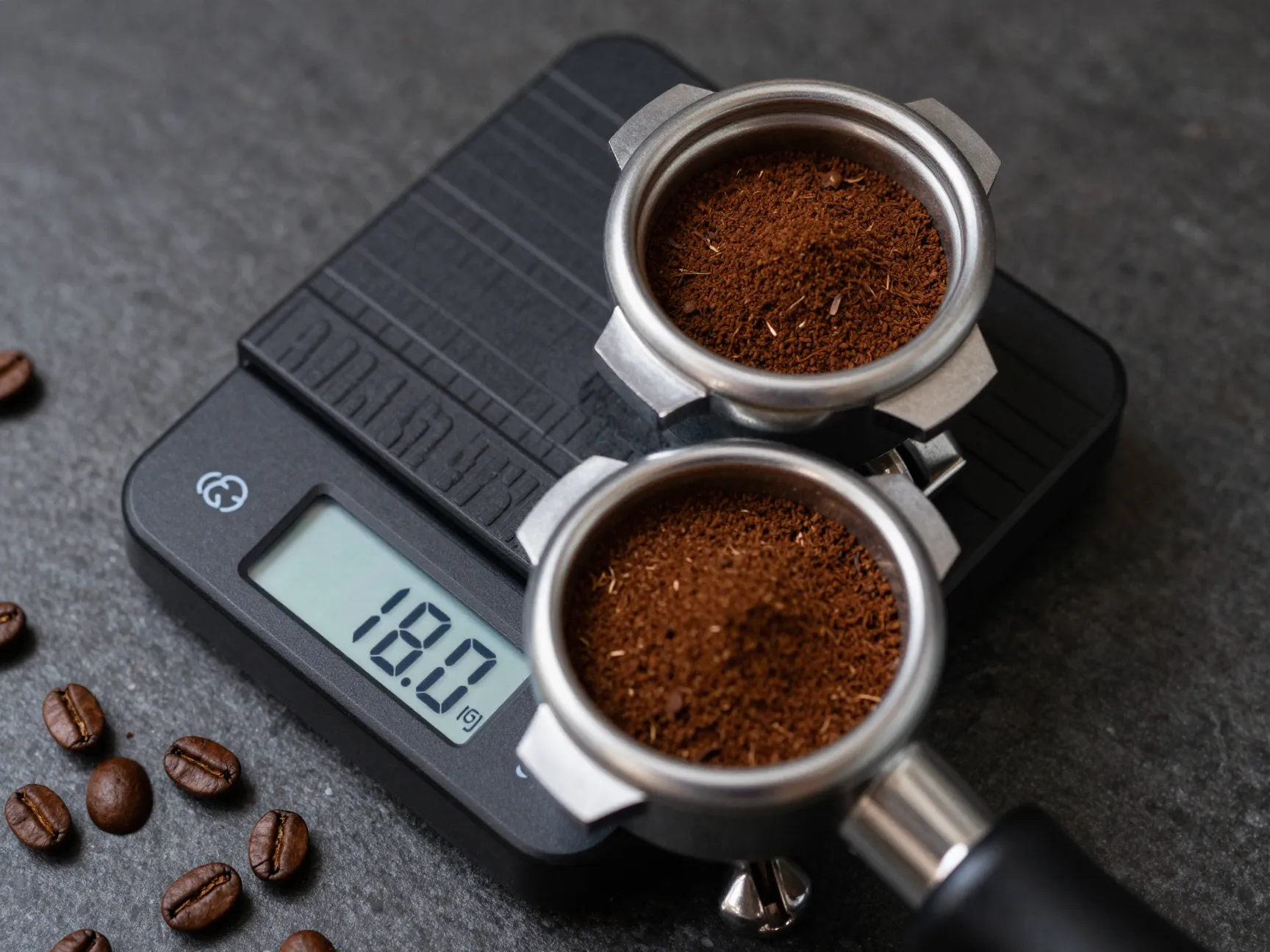
This is the most underrated item on this list — and one of the most impactful. A digital scale transforms from guesswork into a repeatable science [2].
☕ Why precision matters:
- The standard is 1:2 (dose to yield) — 18g of ground coffee producing 36g of liquid espresso. Even a 2g variation changes the flavor profile noticeably.
- For pour-over, the 1:15 to 1:17 coffee-to-water ratio is the gold standard. Measuring by volume (scoops) is far less accurate than measuring by weight.
- A scale helps you replicate your best cups and troubleshoot your worst ones.
What to look for in a coffee scale:
| Feature | Why It Matters |
|---|---|
| 0.1g precision | Accurate enough for espresso dosing |
| Built-in timer | Tracks extraction time simultaneously |
| Response time | Fast response (under 0.5 seconds) for live pour-over feedback |
| Water resistance | Coffee spills happen — a lot |
| Size | Should fit under your portafilter or brewing vessel |
Decent coffee scales start at around $20–$30, with premium models (like the Acaia Pearl) running $150+. For most home baristas, a mid-range option around $50–$80 is more than sufficient.
6. A Gooseneck Kettle with Temperature Control
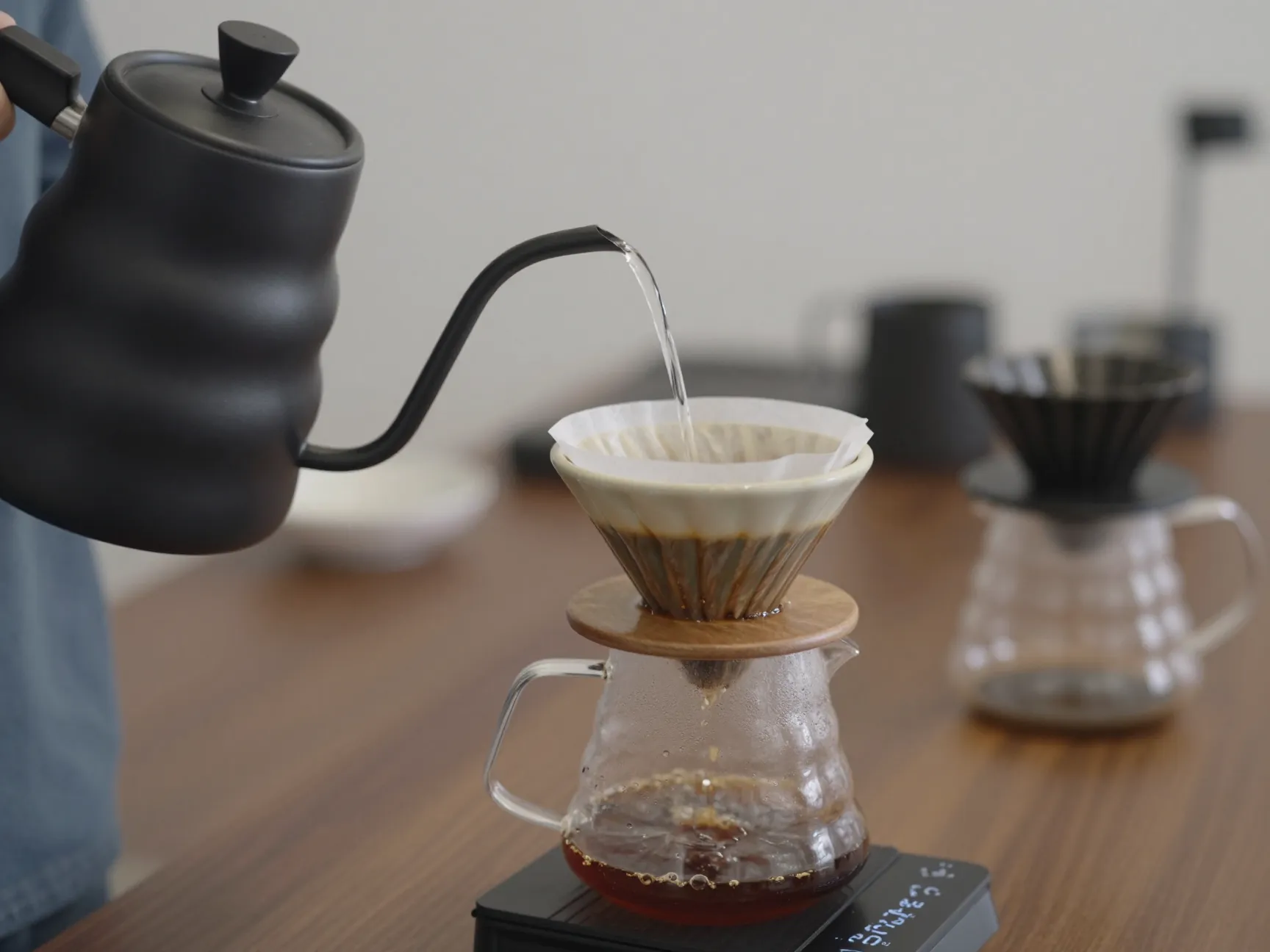
If you brew pour-over, Chemex, or AeroPress coffee, a gooseneck kettle is non-negotiable. The long, curved spout gives you precise control over your pour rate and direction — two variables that significantly affect extraction [2].
Why temperature control matters:
- Light roasts extract best at 200–205°F (93–96°C)
- Medium roasts perform well at 195–200°F (90–93°C)
- Dark roasts can be brewed slightly cooler at 185–195°F (85–90°C)
- Boiling water (212°F) can scorch lighter roasts, creating bitter, harsh flavors
“Brewing temperature is one of the most overlooked variables in home coffee. A variable-temperature kettle puts that control in your hands.”
Electric vs. stovetop gooseneck kettles:
- Electric with variable temperature — Set your exact target temp; kettle holds it. Best for serious brewers.
- Stovetop gooseneck — More affordable but requires a separate thermometer to hit precise temperatures.
For the ultimate home coffee bar station, an electric gooseneck kettle with variable temperature settings is the clear winner [2].
7. A Milk Frother for Café-Style Drinks
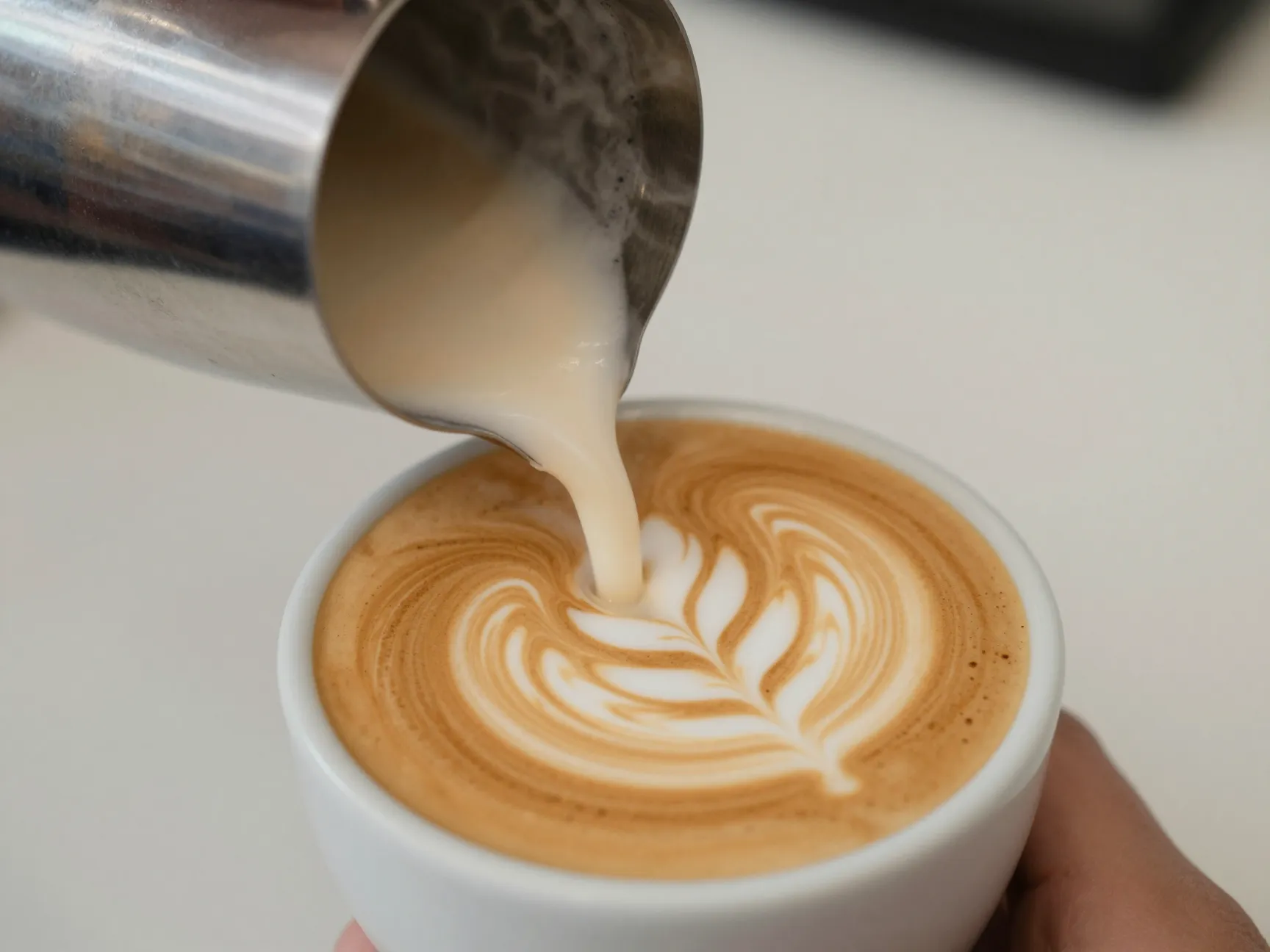
Want to make lattes, cappuccinos, flat whites, and macchiatos at home? Then a milk frother is essential — full stop [3].
Without properly frothed milk, you are just pouring cold or warm milk into espresso. With it, you unlock an entirely different category of drinks — and if you practice, you can even attempt latte art.
Types of milk frothers:
- Steam wand (built into espresso machine) — The gold standard. Produces microfoam ideal for latte art. Requires practice but delivers professional results.
- Standalone electric frother — Heats and froths milk automatically. Great for beginners and those without a steam wand.
- Handheld frother (wand-style) — Inexpensive and compact. Froths but does not heat milk. Best for quick cappuccino-style foam.
- French press frother — Pump the plunger rapidly in warm milk for decent foam. Budget-friendly hack.
🥛 Milk alternatives that froth well:
- Oat milk (barista edition) — Best plant-based option for microfoam
- Whole dairy milk — Classic choice; highest protein content for stable foam
- Soy milk (barista edition) — Good texture, slightly beany flavor
- Almond milk — Froths less consistently; best with a powerful steam wand
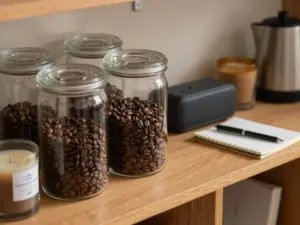
8. Airtight Coffee Bean Storage Containers
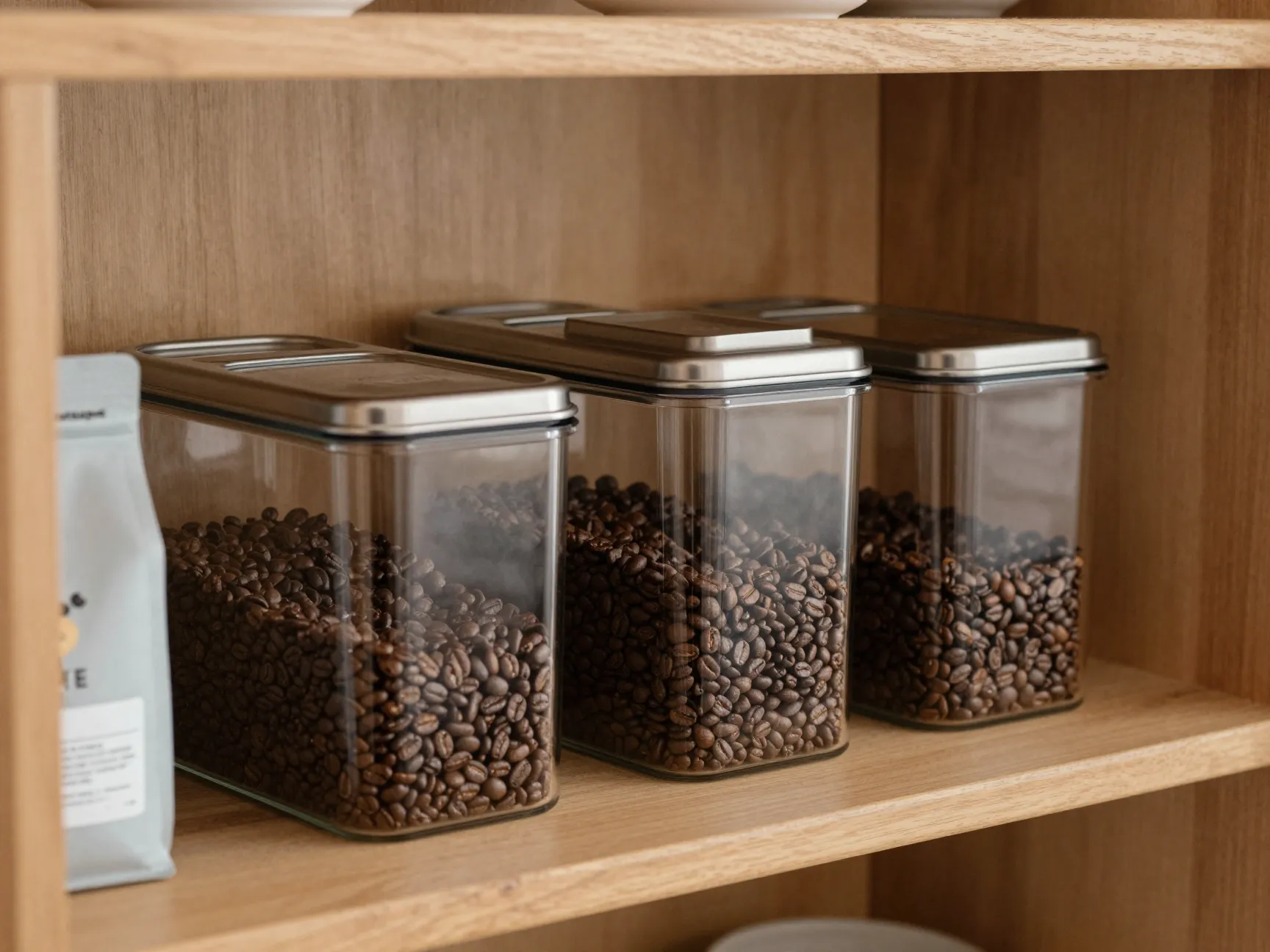
You spent good money on freshly roasted beans. Do not let them go stale in the original bag. Proper storage is what separates a great home coffee bar from a mediocre one [2].
Coffee’s four enemies are:
- 💨 Air (causes oxidation)
- 💧 Moisture (promotes mold and staleness)
- ☀️ Light (degrades flavor compounds)
- 🌡️ Heat (accelerates off-gassing and staling)
What to look for in a container:
| Feature | Benefit |
|---|---|
| Airtight seal | Blocks oxygen from reaching beans |
| One-way valve | Lets CO₂ escape without letting air in |
| Opaque material | Blocks light exposure |
| Vacuum pump lid | Actively removes air for maximum freshness |
| UV-resistant glass | Stylish and protective |
Storage tips:
- Store beans at room temperature — not in the fridge or freezer (unless freezing for long-term storage in a sealed bag)
- Buy in smaller quantities (1–2 week supply) to ensure freshness
- Keep the container away from your stove or direct sunlight
Popular brands include Airscape, Fellow Atmos, and OXO Pop containers — all available in the $20–$60 range [2].
9. Essential Accessories and Tools
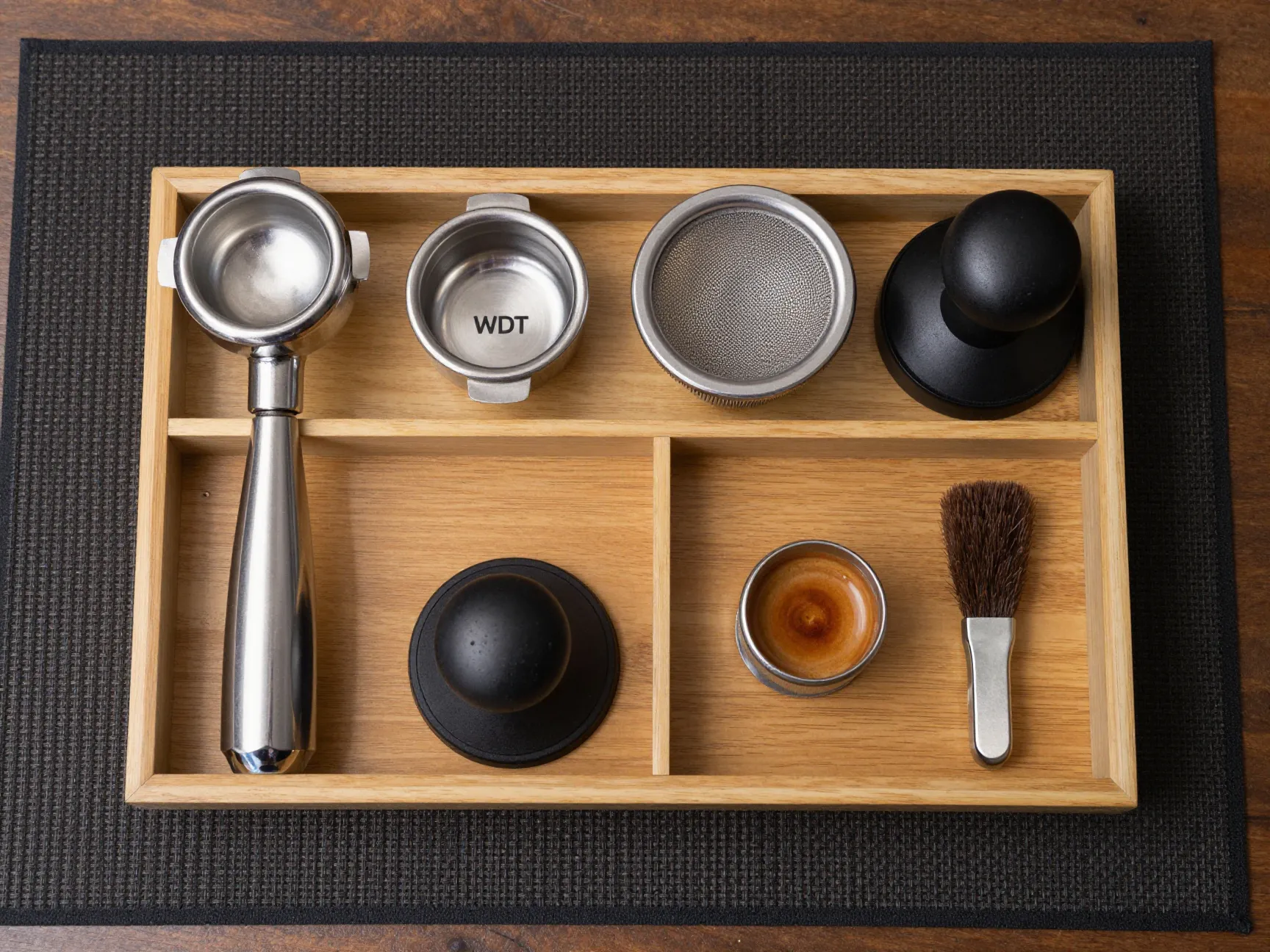
The final category in the 9 Must-Haves for the Ultimate Home Coffee Bar Station is a collection of smaller tools that, together, make a significant difference in your daily brewing experience [2].
Here are the accessories worth adding to your station:
For espresso brewing:
- Tamper — Compresses your evenly in the portafilter. A flat-bottomed, 58mm tamper is standard. Invest in a calibrated tamper for consistent 30lb pressure.
- Distribution tool / WDT tool — Breaks up clumps and distributes grounds evenly before tamping, reducing channeling.
- Puck screen — Sits on top of the coffee puck to improve water distribution from the shower screen.
- Knock box — A sturdy container for disposing of spent espresso pucks. Keeps your counter clean and your portafilter ready for the next shot.
For all brewing methods:
- Thermometer — A backup for kettles without a built-in temperature display.
- Brewing guides / recipe cards — Laminated reference cards for your favorite recipes keep ratios and techniques at your fingertips.
- Cleaning supplies — Backflush detergent, group head brushes, and descaling solution keep your machine performing at its best.
For your station setup:
- Drip tray or mat — Protects your countertop from spills and drips [5].
- Organizer or tray — Corrals accessories and creates a visually clean station [4].
- Good lighting — Under-cabinet LED strips make your station feel like a café and help you see what you are doing.
“The difference between a and a true coffee bar often comes down to the small tools — the ones that make every step feel intentional.”
How to Set Up Your Home Coffee Bar Station: Quick-Start Checklist
Use this checklist to build your setup in stages:
Stage 1 — Foundation (Start Here)
- [ ] Quality freshly roasted beans
- [ ] Burr grinder (hand or electric)
- [ ] One brewing method (French press or AeroPress)
- [ ] Airtight
Stage 2 — Upgrade Your Precision
- [ ] Digital scale with timer
- [ ] Gooseneck kettle with temperature control
Stage 3 — Go Full Barista
- [ ] Semi-automatic espresso machine
- [ ] Milk frother or steam wand practice
- [ ] Tamper, knock box, distribution tool
Stage 4 — Polish the Setup
- [ ] Organizer tray and drip mat
- [ ] Cleaning supplies and descaler
- [ ] Decorative touches (plants, chalkboard labels, artwork)
Budget Guide: Building Your Home Coffee Bar at Every Level
| Budget Level | Approximate Spend | What You Get |
|---|---|---|
| Starter | $100–$300 | Hand grinder + AeroPress + storage + scale |
| Enthusiast | $300–$800 | Electric burr grinder + pour-over + gooseneck kettle + scale |
| Home Barista | $800–$2,000 | Semi-auto espresso machine + burr grinder + full accessory kit |
| Prosumer | $2,000–$5,000+ | Commercial-grade machine + flat burr grinder + full setup |
Most people find the Enthusiast to Home Barista range delivers the best value — enough equipment to make genuinely excellent coffee without the steep learning curve of prosumer gear.
Conclusion: Build Your Ultimate Home Coffee Bar Station Today
The 9 Must-Haves for the Ultimate Home Coffee Bar Station are not just a shopping list — they are a framework for building a daily ritual you will genuinely look forward to. Start with the essentials (great beans, a burr grinder, and one brewing method), then layer in precision tools and espresso equipment as your skills and budget grow.
Here are your actionable next steps:
- Audit what you already own — You may already have a grinder or kettle that qualifies.
- Identify your primary brewing style — Espresso lover or pour-over purist? Let that guide your biggest purchase.
- Set a budget and build in stages — You do not need everything at once. The Starter setup alone will produce dramatically better coffee than a pod machine.
- Buy fresh beans this week — Even before you upgrade any equipment, switching to freshly roasted beans from a local roaster will immediately improve your cup.
- Practice consistently — The best equipment in the world means nothing without repetition. Pull shots, take notes, and adjust.
Your perfect cup of coffee is not waiting at a café down the street. It is waiting on your own countertop — you just need the right tools to make it happen.
References
[1] Home Coffee Bar Must Haves – https://www.nikkisplate.com/home-coffee-bar-must-haves/
[2] Setting Up Your Home Coffee And Espresso Bar 10 Must Have Essentials – https://us.ecscoffee.com/blogs/ecs/setting-up-your-home-coffee-and-espresso-bar-10-must-have-essentials
[3] Home Coffee Bar – https://www.thebeardandthebaker.com/home-coffee-bar/
[4] Beautiful Home Coffee Bar Ideas – https://procoffeegear.com/blogs/articles/beautiful-home-coffee-bar-ideas
[5] Accessories – https://www.womanandhome.com/homes/kitchen/coffee-station-accessories/
[6] Coffee Bar Essentials – https://www.homesandgardens.com/buying-guides/coffee-bar-essentials