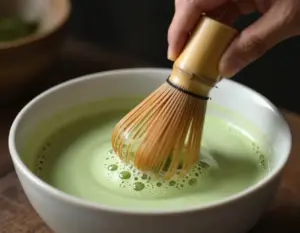
8 Genius Ways to Use Your Leftover Espresso Coffee Grounds
The average coffee drinker tosses roughly 30 pounds of used into the trash every single year — and most of that waste comes straight from the . That is a staggering amount of material to throw away, especially when science and centuries of home wisdom confirm that spent grounds are packed with nitrogen, antioxidants, and abrasive texture that still have enormous practical value.
Disclosure: This post contains affiliate links. As an Amazon Associate, we earn from qualifying purchases, and at no extra cost to you.

If you have been dumping your used pucks straight into the bin after every shot, this article will change that habit for good. The 8 genius ways to use your leftover espresso coffee grounds covered below are practical, cost-saving, and genuinely effective. Whether you want to improve your garden, upgrade your skincare routine, or fix a scratched , these ideas work — and I will show you exactly how to apply each one.
Key Takeaways
- ☕ Used espresso grounds are nitrogen-rich and still carry antioxidants, making them useful far beyond the cup.
- 🌱 Grounds can replace commercial fertilizers, pest repellents, and compost accelerators in your garden.
- 💆 A simple coffee scrub made with coconut oil costs pennies and rivals expensive exfoliating products.
- 🕯️ Coffee- made from real grounds smell richer and more authentic than most store-bought versions.
- 🧊 In winter, grounds double as an eco-friendly ice-melting traction aid for slippery walkways.
Why You Should Never Throw Away Espresso Grounds Again
Before diving into the 8 genius ways to use your leftover espresso coffee grounds, it helps to understand why these grounds are so valuable in the first place.
Espresso grounds are finely milled, which means they have an enormous surface area packed with:
| Component | Why It Matters |
|---|---|
| Nitrogen | Feeds soil microbes and plants |
| Antioxidants | Beneficial for skin and hair |
| Caffeine | Natural insect deterrent |
| Abrasive texture | Ideal for scrubbing and exfoliating |
| Acidity | Helps melt ice and balance alkaline soils |
💡 Pull Quote: “Spent espresso grounds are not waste — they are a concentrated resource that most households throw away without a second thought.”
The key is drying your grounds before storing them. Spread them on a baking sheet and let them air-dry for 24 hours, or bake them at 200°F (93°C) for 20 minutes. Dry grounds resist mold and can be stored in a sealed jar for weeks.
The 8 Genius Ways to Use Your Leftover Espresso Coffee Grounds
1. Garden Fertilizer for Acid-Loving Plants
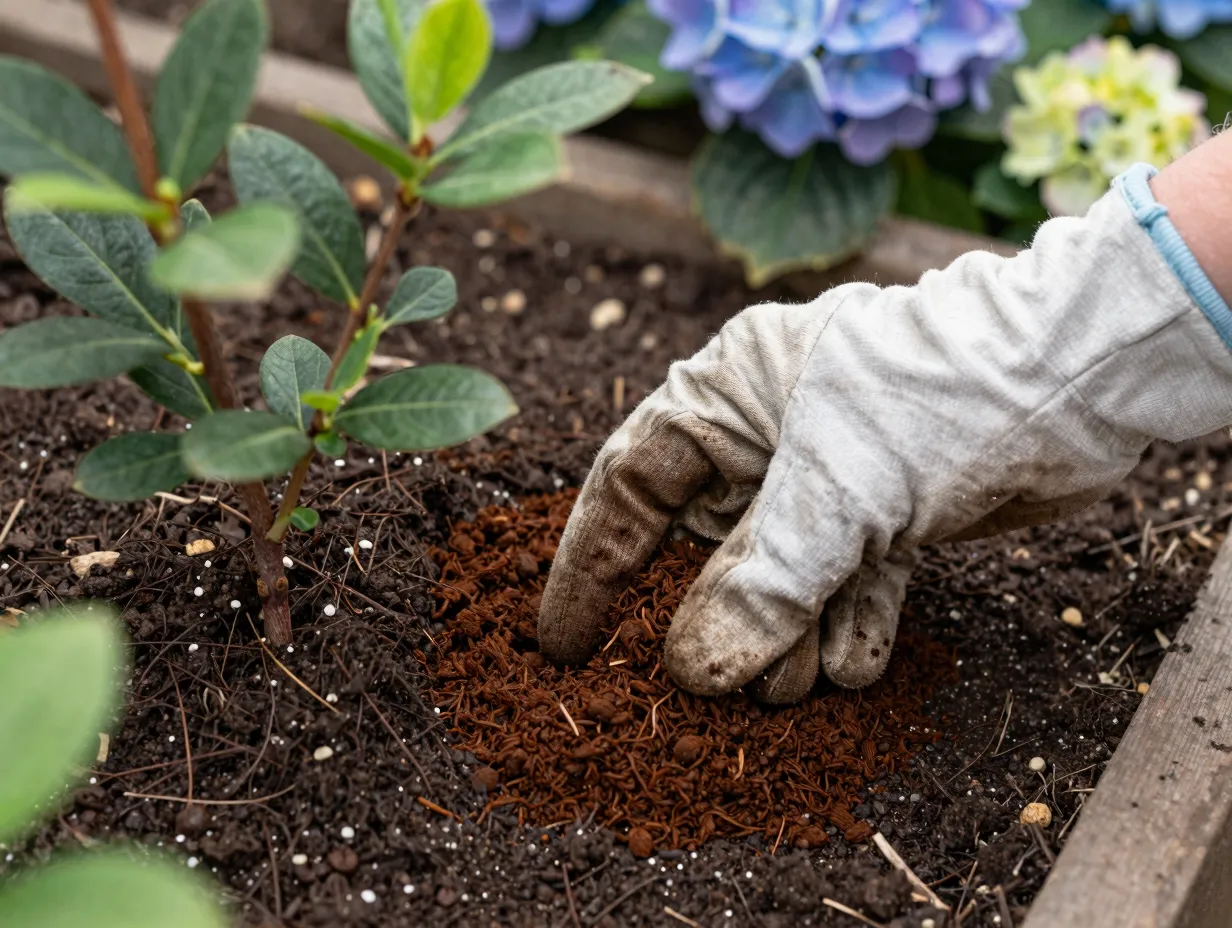
One of the most well-documented uses for spent espresso grounds is as a natural garden fertilizer. Grounds are rich in nitrogen, one of the three primary macronutrients plants need to thrive. They also contain smaller amounts of potassium and phosphorus, rounding out a modest but genuinely useful nutrient profile [1].
Best plants to target:
- Azaleas
- Hydrangeas
- Blueberries
- Roses
- Camellias
- Rhododendrons
These acid-loving plants respond especially well because espresso grounds have a slightly acidic pH, typically between 6.0 and 6.5 after brewing. To apply, simply work a thin layer of dried grounds into the top inch of soil around the plant base. Avoid piling grounds directly against stems, as this can cause moisture buildup and rot.
How much to use: A light dusting — about two tablespoons per square foot — applied once a month during the growing season is plenty. More is not better here; too many grounds can compact the soil surface and repel water.
2. Natural Pest Repellent for Your Garden
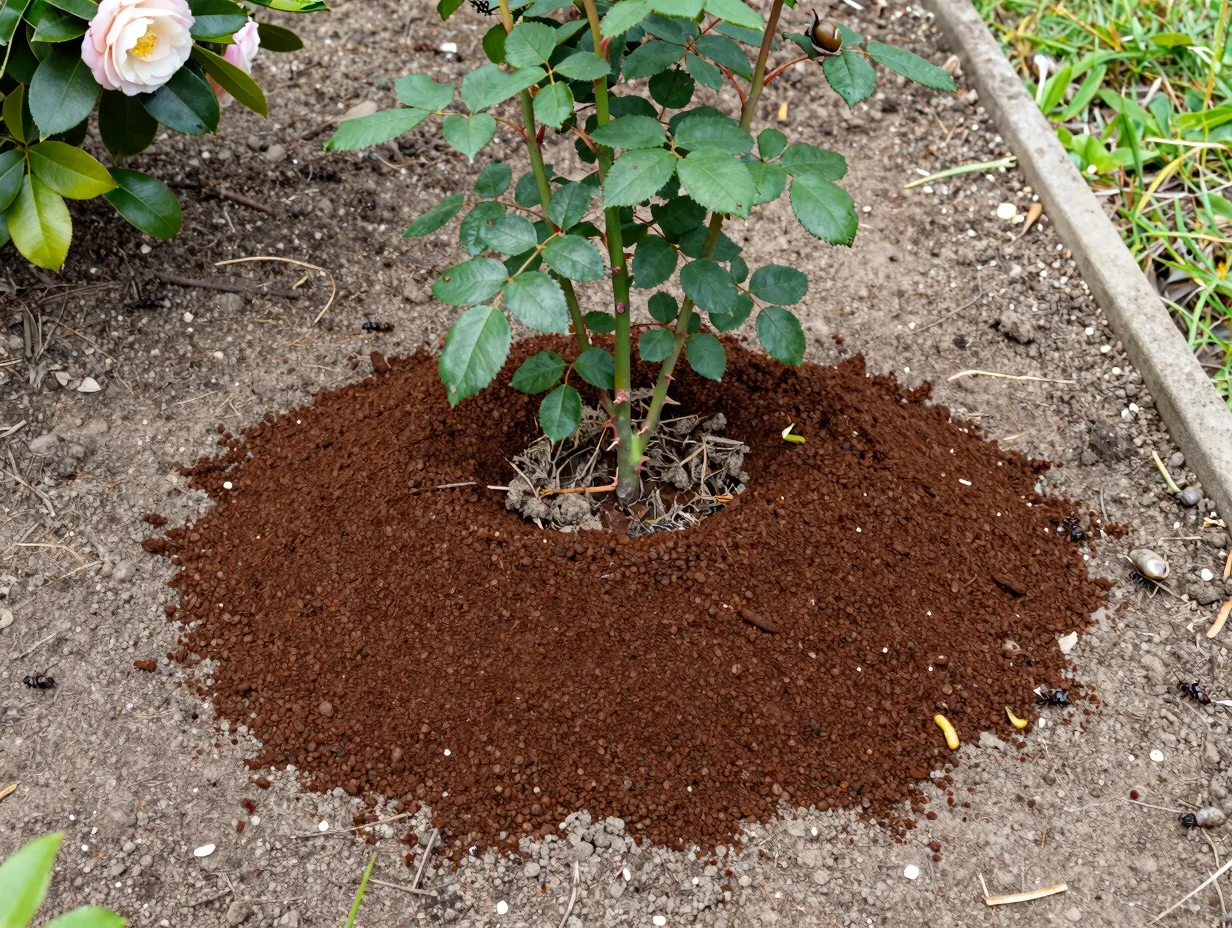
If slugs, snails, ants, or fruit flies are a recurring problem in your garden, espresso grounds offer a surprisingly effective and chemical-free solution. Many insects find caffeine toxic, and the sharp, gritty texture of grounds creates an uncomfortable barrier that soft-bodied pests like slugs and snails are reluctant to cross [1].
Pests that grounds help repel:
- 🐌 Slugs and snails
- 🐜 Ants
- 🦟 Mosquitoes (near standing water areas)
- 🪰 Fruit flies
How to apply:
Sprinkle a ring of dried grounds around the base of vulnerable plants or along garden borders. Reapply after heavy rain, since water will wash the barrier away. For fruit flies near compost bins or kitchen areas, place a small open container of grounds nearby — the strong scent masks the fermenting odors that attract them.
⚠️ Note: While grounds deter many insects, they can also affect earthworms in high concentrations. Use sparingly if you are actively cultivating worm activity in your beds.
3. DIY Body Scrub and Skin Exfoliator
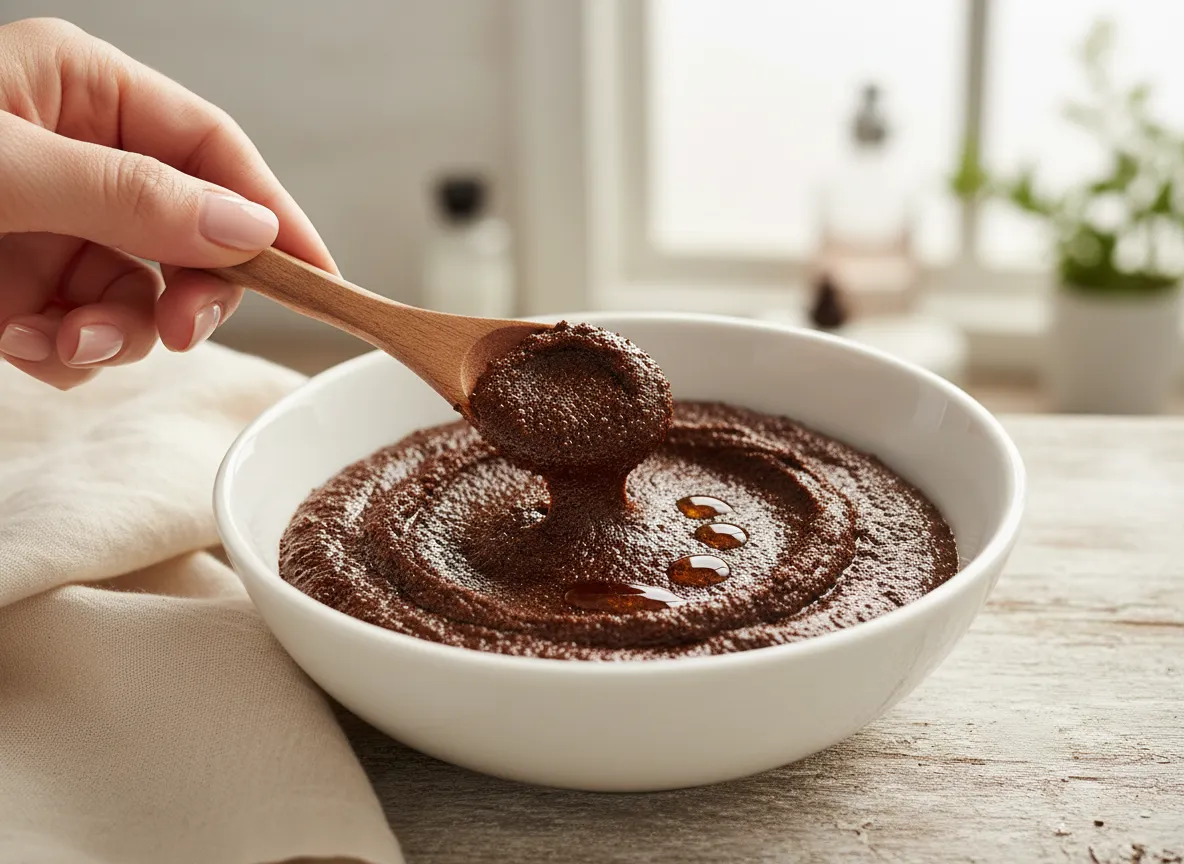
The beauty industry charges a premium for coffee-based scrubs, but you can make an equally effective version at home for almost nothing. The fine, abrasive texture of espresso grounds sloughs off dead skin cells while the caffeine temporarily tightens skin and boosts circulation [4].
Basic Recipe:
| Ingredient | Amount |
|---|---|
| Dried espresso grounds | 1 tablespoon |
| Coconut oil or honey | 1 tablespoon |
| Optional: a few drops of vanilla extract | To taste |
Mix the ingredients into a paste, apply to damp skin in circular motions, and rinse thoroughly. This works well on elbows, knees, and feet — areas where skin tends to be rougher.
Why it works: Caffeine is a vasoconstrictor, meaning it temporarily narrows blood vessels near the skin surface, which can reduce puffiness and give skin a firmer, more toned appearance. Many commercial eye creams and anti-cellulite products use caffeine as an active ingredient for exactly this reason [3].
Use this scrub no more than two to three times per week to avoid over-exfoliating.
4. Natural Dye for Fabric, Paper, and Crafts
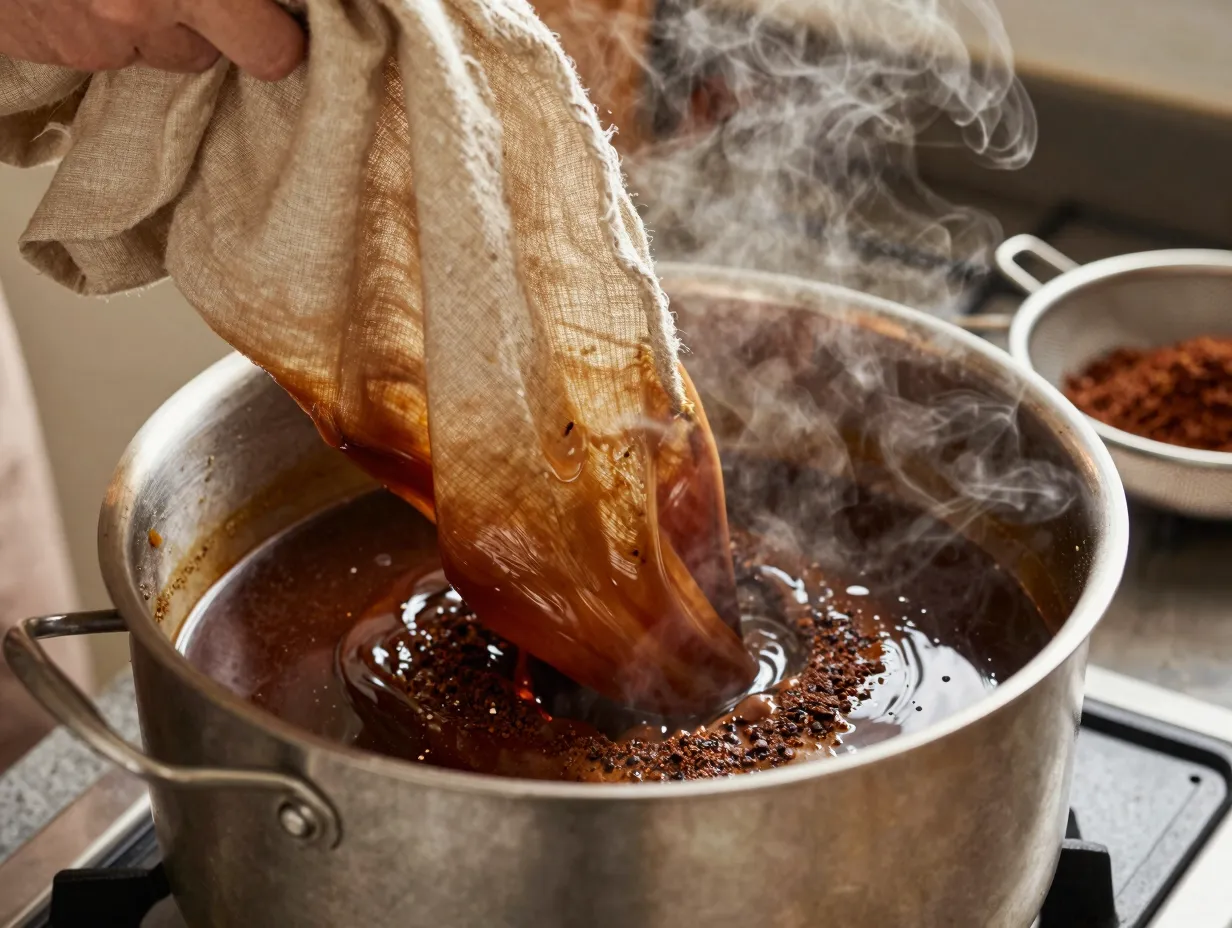
Long before synthetic dyes existed, natural materials like berries, bark, and coffee were used to color textiles. Rewetted espresso grounds produce warm brown and sepia tones that are perfect for giving fabric, yarn, paper, or Easter eggs a vintage, aged look [3].
How to create a bath:
- Combine used grounds with hot water in a large pot (roughly 1 cup of grounds per 2 cups of water).
- Simmer for 15–20 minutes, then strain out the grounds.
- Submerge your material in the dye bath.
- The longer you leave it, the darker the tone — 30 minutes gives a light tan; 2 hours gives a rich sepia.
- Rinse with cold water and allow to air dry.
Best materials for coffee dyeing:
- Natural cotton and linen (absorb dye best)
- Wool and silk
- Watercolor paper and cardstock
- Unfinished wood surfaces
Synthetic fabrics like polyester resist natural dyes and will produce very faint results. For a more permanent color, pre-soak the material in a fixative solution of one part white vinegar to four parts water before dyeing.
5. Homemade Coffee-Scented Candles
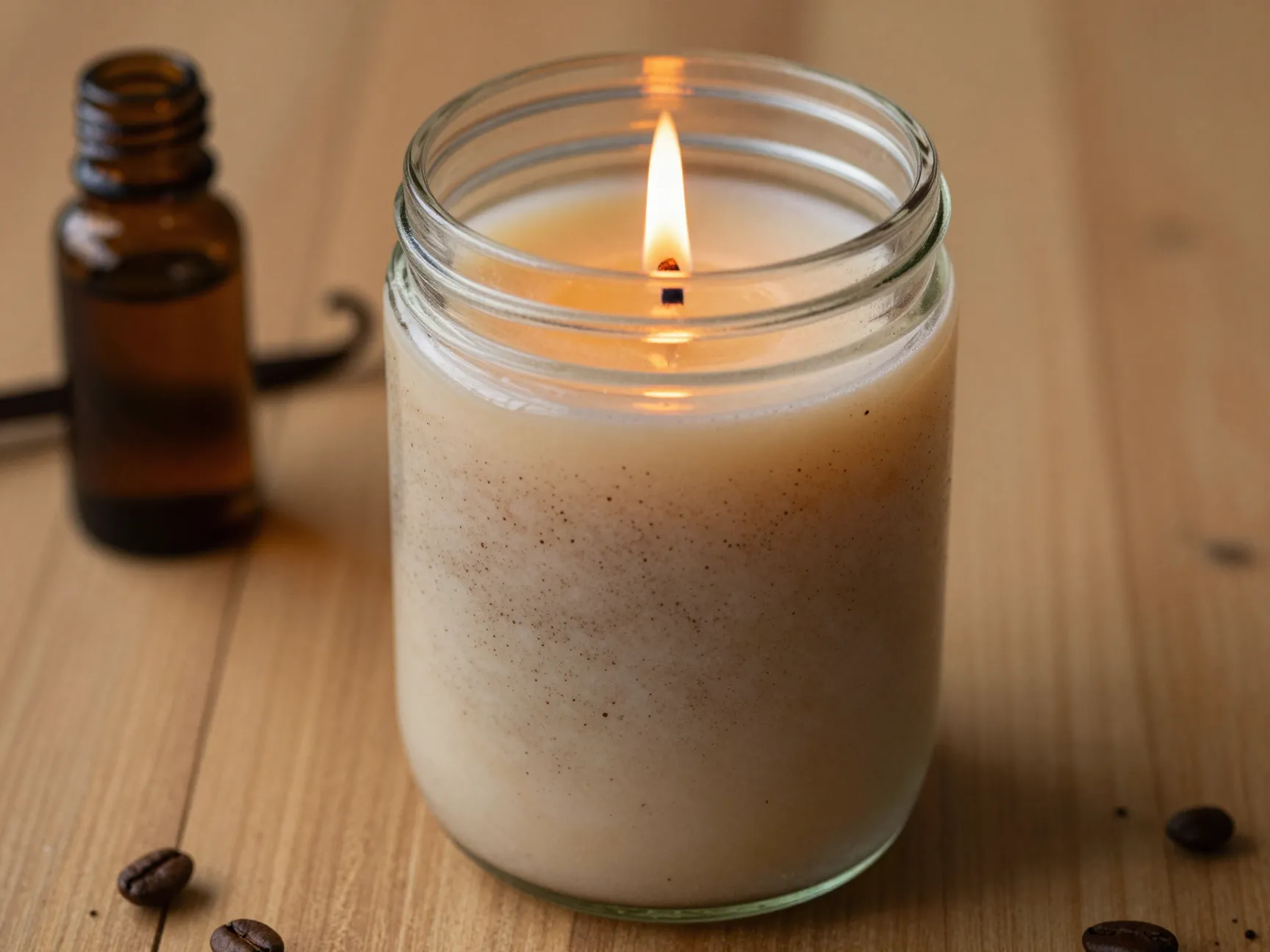
–scented candles often use synthetic fragrance oils that smell pleasant but lack the depth of real coffee. Candles made with actual espresso grounds are different — as the wax heats up, the grounds release genuine roasted that fills a room far more effectively than artificial alternatives [1].
Basic supplies needed:
- Soy or beeswax
- Candle wicks
- A heat-safe container (mason jar works well)
- Dried espresso grounds
- Optional: a few drops of vanilla essential oil
Simple method:
- Melt wax in a double boiler until fully liquid.
- Stir in dried grounds — about 2 tablespoons per cup of wax.
- Pour into your container with the wick centered.
- Allow to cool and set for at least 4 hours before burning.
The grounds will settle through the wax as it cools, creating a visually interesting speckled texture. When lit, the candle releases a warm, roasted scent that intensifies as the wax pool deepens. These also make excellent handmade gifts.
6. Composting Accelerator
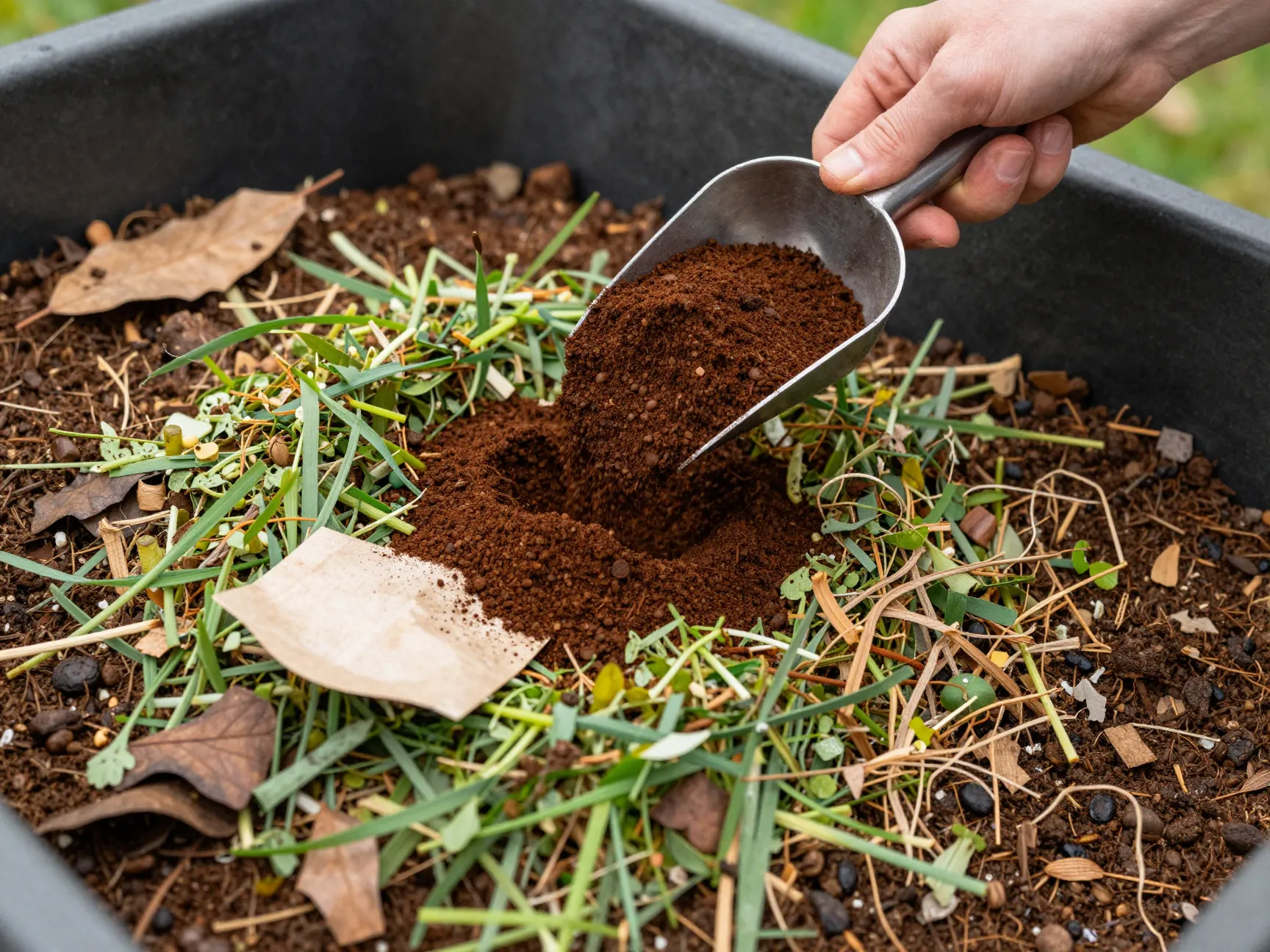
If you maintain a compost pile or bin, espresso grounds are one of the most effective green materials (nitrogen-rich) you can add. Nitrogen is what feeds the microorganisms that break down organic matter, and without enough of it, decomposition slows to a crawl [4].
Compost balance guide:
| Material Type | Examples | Role |
|---|---|---|
| Green (Nitrogen) | Coffee grounds, vegetable scraps, grass clippings | Feeds microbes, speeds decomposition |
| Brown (Carbon) | Dry leaves, cardboard, straw | Provides structure, prevents odor |
The ideal ratio is roughly 3 parts brown material to 1 part green. Coffee grounds should make up no more than 20% of your total compost volume — exceeding this can make the pile too acidic and actually slow things down [4].
Pro tip: Add along with the grounds. Paper filters are compostable and count as a brown (carbon) material, helping you maintain the right balance automatically.
7. Eco-Friendly Ice Melter and Traction Aid
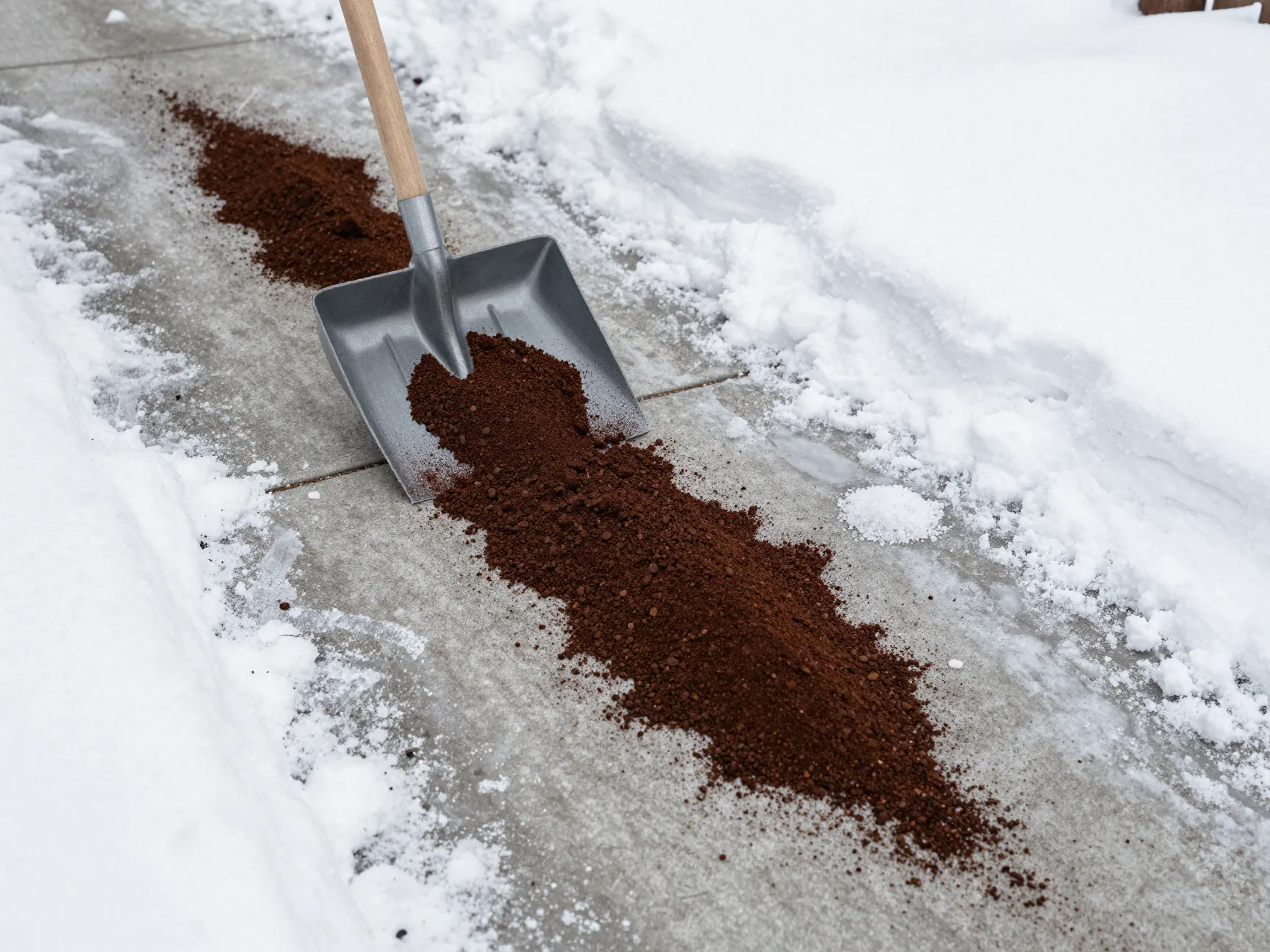
This one surprises most people. During winter, instead of reaching for rock salt or chemical ice melters, scatter dried espresso grounds on icy sidewalks and steps. The natural acidity of coffee helps break down ice faster, while the gritty texture provides immediate traction underfoot [6].
Comparison of common ice-melt options:
| Method | Eco-Friendly? | Traction? | Safe for Pets? | Cost |
|---|---|---|---|---|
| Rock salt | ❌ | ✅ | ❌ | Low |
| Chemical de-icer | ❌ | ✅ | ❌ | Medium |
| Sand | ✅ | ✅ | ✅ | Low |
| Coffee grounds | ✅ | ✅ | ✅ | Free |
Unlike rock salt, coffee grounds do not damage concrete, harm plant roots near walkways, or irritate pets’ paws. They are dark in color, which also helps absorb solar heat and accelerate melting naturally.
The main limitation is volume — you need a reasonable supply of grounds to cover a long walkway. If you pull daily, saving grounds over a few days before a forecasted storm gives you a useful stockpile.
8. Furniture Scratch Concealer for Dark Wood
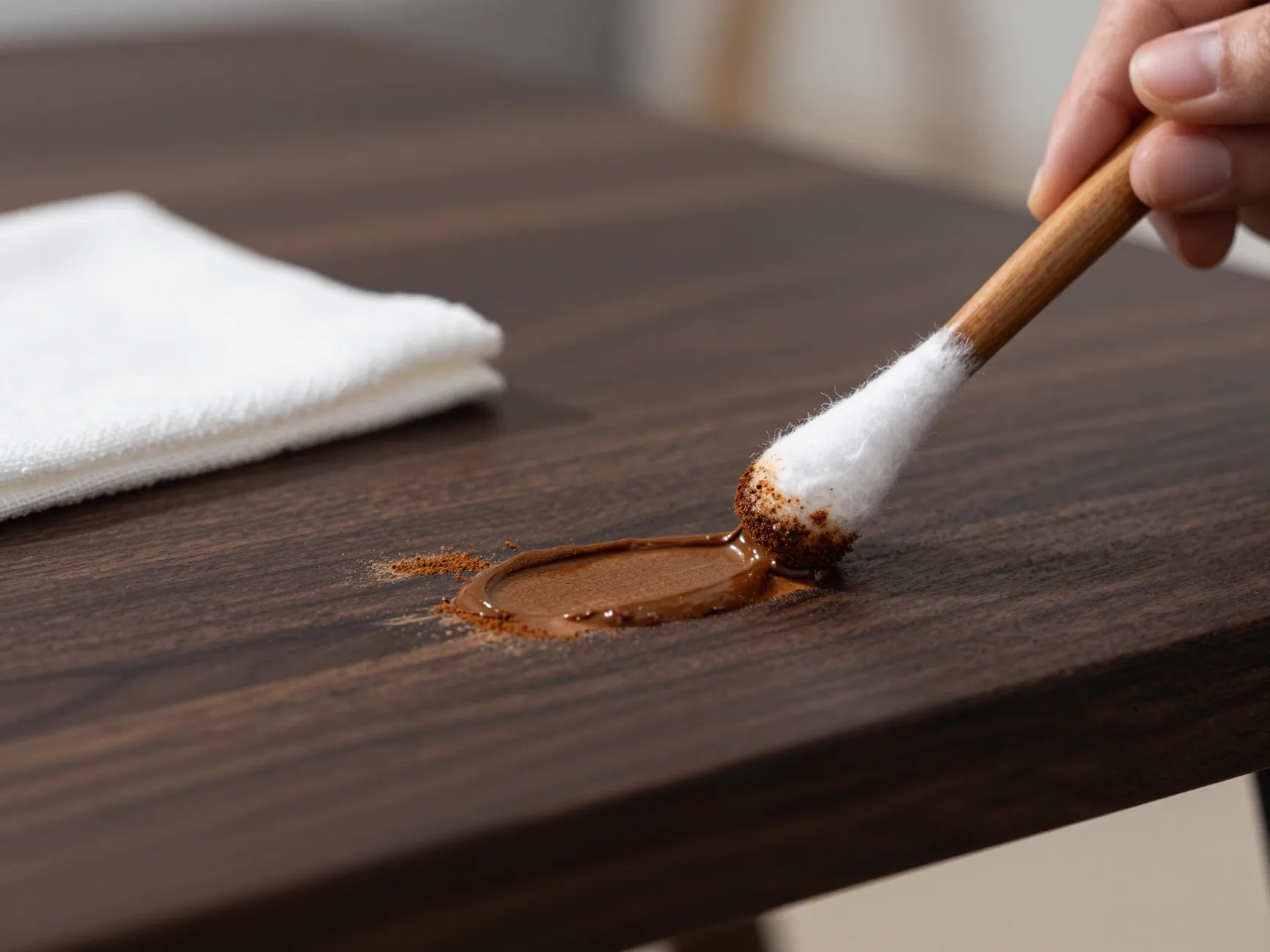
This is one of the most satisfying quick fixes in the 8 genius ways to use your leftover espresso coffee grounds lineup. Dark — , chairs, bookshelves — is prone to light scratches that catch the eye even if the structural damage is minimal. Espresso grounds can minimize these scratches in minutes [2].
How to do it:
- Steep a small amount of used grounds in just enough warm water to create a thick paste.
- Dip a cotton swab or soft cloth into the paste.
- Gently rub the paste into the scratch using small circular motions.
- Allow it to sit for 5–10 minutes.
- Wipe away the excess with a clean, dry cloth.
The dark pigment in the grounds fills and stains the exposed wood fibers, blending the scratch into the surrounding finish. Results vary depending on the wood tone — this works best on medium to dark brown woods like walnut, mahogany, and dark oak.
💡 Pro tip: Test on an inconspicuous area first. Very light-colored woods like maple or ash may end up looking darker than the surrounding finish.
How to Store Leftover Espresso Grounds Properly
Getting the most from these leftover espresso coffee ground hacks depends on proper storage. Wet grounds grow mold quickly, which limits their usefulness and creates a mess.
Best storage practices:
- Dry first: Spread grounds on a baking sheet and air-dry for 24 hours, or bake at 200°F for 20 minutes.
- Store in glass: A sealed mason jar keeps grounds fresh and odor-contained for up to 2 weeks at room temperature.
- Freeze for longer storage: Dried grounds can be frozen in a zip-lock bag for up to 3 months without losing effectiveness for garden or craft uses.
- Label by use: If you are saving grounds for specific purposes (e.g., dyeing vs. composting), keep them in separate labeled jars to avoid confusion.
Quick Reference: All 8 Uses at a Glance
| # | Use | Best For | Difficulty |
|---|---|---|---|
| 1 | Garden fertilizer | Acid-loving plants | ⭐ Easy |
| 2 | Pest repellent | Slugs, ants, fruit flies | ⭐ Easy |
| 3 | Body scrub | Skin exfoliation | ⭐ Easy |
| 4 | Natural dye | Fabric, paper, crafts | ⭐⭐ Moderate |
| 5 | Scented candles | Home fragrance, gifts | ⭐⭐ Moderate |
| 6 | Compost accelerator | Faster decomposition | ⭐ Easy |
| 7 | Ice melter | Winter walkway safety | ⭐ Easy |
| 8 | Scratch concealer | Dark wood furniture | ⭐ Easy |
Conclusion: Stop Wasting Your Espresso Grounds Starting Today
The 8 genius ways to use your leftover espresso coffee grounds covered in this article represent just how much value we routinely discard without thinking. From feeding your garden and protecting your plants to crafting candles, dyeing fabric, and fixing furniture scratches, used espresso grounds are genuinely one of the most versatile zero-waste resources in any household.
Here are your actionable next steps:
- Start a grounds jar today. Place a small sealed container near your espresso machine and begin collecting dry grounds instead of tossing them.
- Pick one use to try this week. The body scrub and the garden fertilizer are the easiest starting points — both require no special equipment and deliver noticeable results quickly.
- Scale up gradually. Once you have a consistent supply, explore the candle-making and natural dyeing projects, which take a little more preparation but produce impressive results.
- Share the habit. If you know other espresso drinkers who toss their grounds, share this article — the collective impact of redirecting this material from landfills is significant.
In 2026, sustainability is not just a trend — it is a practical necessity. Reusing espresso grounds costs nothing, reduces household waste, and delivers real, measurable benefits across your garden, home, and personal care routine. The only question is which use you will try first.
References
[1] Used Coffee Grounds – https://home.howstuffworks.com/green-living/used-coffee-grounds.htm
[2] 10 Terrific Ways To Use Leftover Coffee Grounds – https://kuellife.com/10-terrific-ways-to-use-leftover-coffee-grounds/
[3] Uses For Coffee Grounds – https://www.healthline.com/nutrition/uses-for-coffee-grounds
[4] 12 Genius Ways To Reuse Coffee Grounds Reduce Waste Sustainable Easy – https://www.risecoffeebox.co.uk/blogs/stories/12-genius-ways-to-reuse-coffee-grounds-reduce-waste-sustainable-easy
[5] 10 Great Uses For Used Coffee Grounds – https://www.longmilescoffee.com/10-great-uses-for-used-coffee-grounds/
[6] Coffee Grounds Uses – https://www.ruralsprout.com/coffee-grounds-uses/