8 Ingenious Ways to Make Coffee Without a Coffee Maker in a Pinch
Nearly 79% of American adults drink coffee daily — yet most of them have no backup plan for the morning their dies, the power goes out, or they find themselves in a hotel room with nothing but a kettle and a bag of grounds. That gap between dependency and resourcefulness is exactly where these 8 ingenious ways to make coffee without a coffee maker in a pinch come in.
Disclosure: This post contains affiliate links. As an Amazon Associate, we earn from qualifying purchases, and at no extra cost to you.
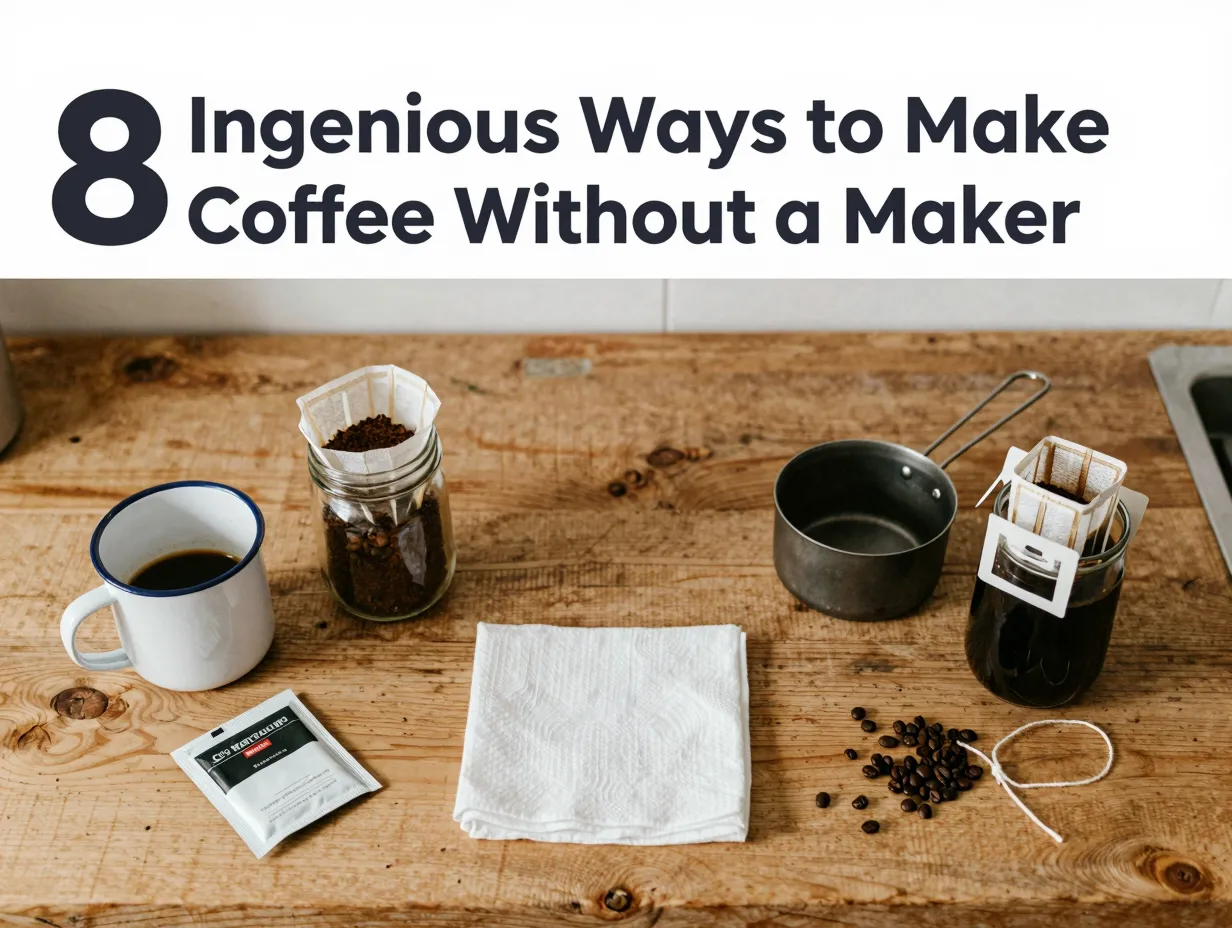
Whether you’re camping in the backcountry, dealing with a broken machine, or just curious about alternative brewing, you don’t need a $300 espresso machine to get a great cup. All you need is hot water, coffee, and a little know-how. These methods are practical, tested, and surprisingly effective — and I’ll walk you through each one step by step.
Key Takeaways 📌
- ☕ You can brew excellent coffee using nothing more than hot water, ground coffee, and basic kitchen tools.
- 🧲 The cowboy method and mason jar method are the easiest zero-equipment options.
- 🔬 matters — coarser grinds work better for immersion methods; finer grinds suit makeshift pour-overs.
- 🏕️ Several of these methods double as reliable camping or emergency brewing solutions.
- 💡 Water temperature is critical: aim for 195–205°F (90–96°C) for the best extraction.
Why Knowing Alternative Brewing Methods Matters in 2026
has never been more sophisticated — or more fragile. In 2026, the global market is worth over $83 billion, yet millions of people are left stranded every year by power outages, broken appliances, and travel situations. Coffee brands and equipment makers have responded with a surge of portable brewing gear, but not everyone has a travel press or a portable pour-over kit on hand.
The good news? Baristas and home brewers have been improvising for centuries. Long before drip machines existed, people used cloth, metal, and fire to get their morning fix. Modern coffee professionals still respect these methods — and some even prefer them [3].
“The best is the one you can actually do right now with what you have.” — A principle echoed by specialty coffee educators worldwide.
Understanding these techniques also deepens your appreciation for how extraction actually works: water temperature, contact time, grind size, and filtration all play a role regardless of the equipment you use [2].
The 8 Ingenious Ways to Make Coffee Without a Coffee Maker in a Pinch
1. The Cowboy Coffee Method (Boiling Method)
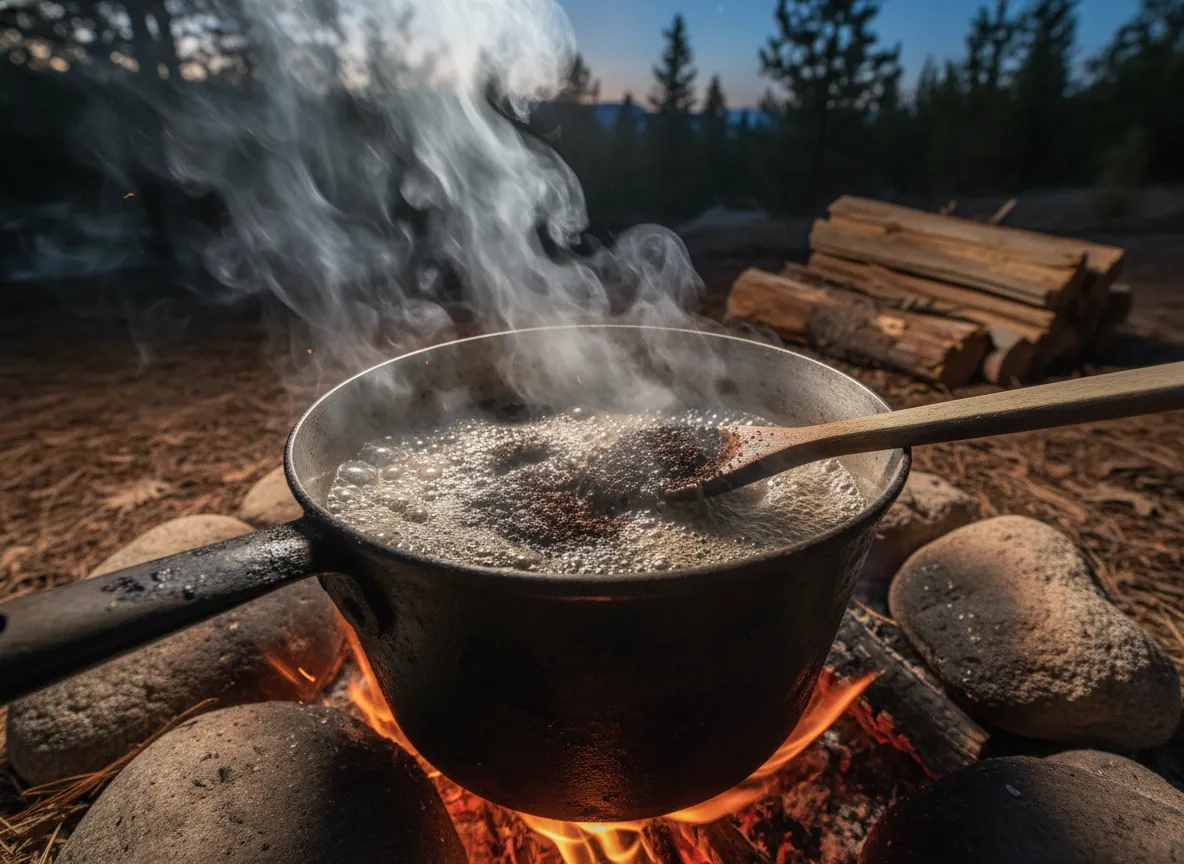
Difficulty: ⭐☆☆☆☆ | Equipment needed: Pot, heat source, mug
The cowboy method is the oldest and most stripped-down approach on this list. It requires absolutely no filters, no special tools, and no electricity — just a pot, water, and ground coffee.
How to do it:
- Add water to a small saucepan or pot (about 6 oz per cup).
- Bring the water to a boil, then remove from heat and let it rest for 30 seconds (target: ~200°F/93°C).
- Add 2 tablespoons of coarsely ground coffee per cup directly into the water.
- Stir gently and let it steep for 4 minutes.
- Pour slowly into your mug, letting the grounds settle at the bottom.
Pro tip: Add a splash of cold water after steeping — it helps the grounds sink faster [1].
The cowboy method produces a bold, full-bodied cup. The key is using a to minimize sediment and avoiding over-boiling, which turns coffee bitter [4].
2. The Mason Jar French Press Method
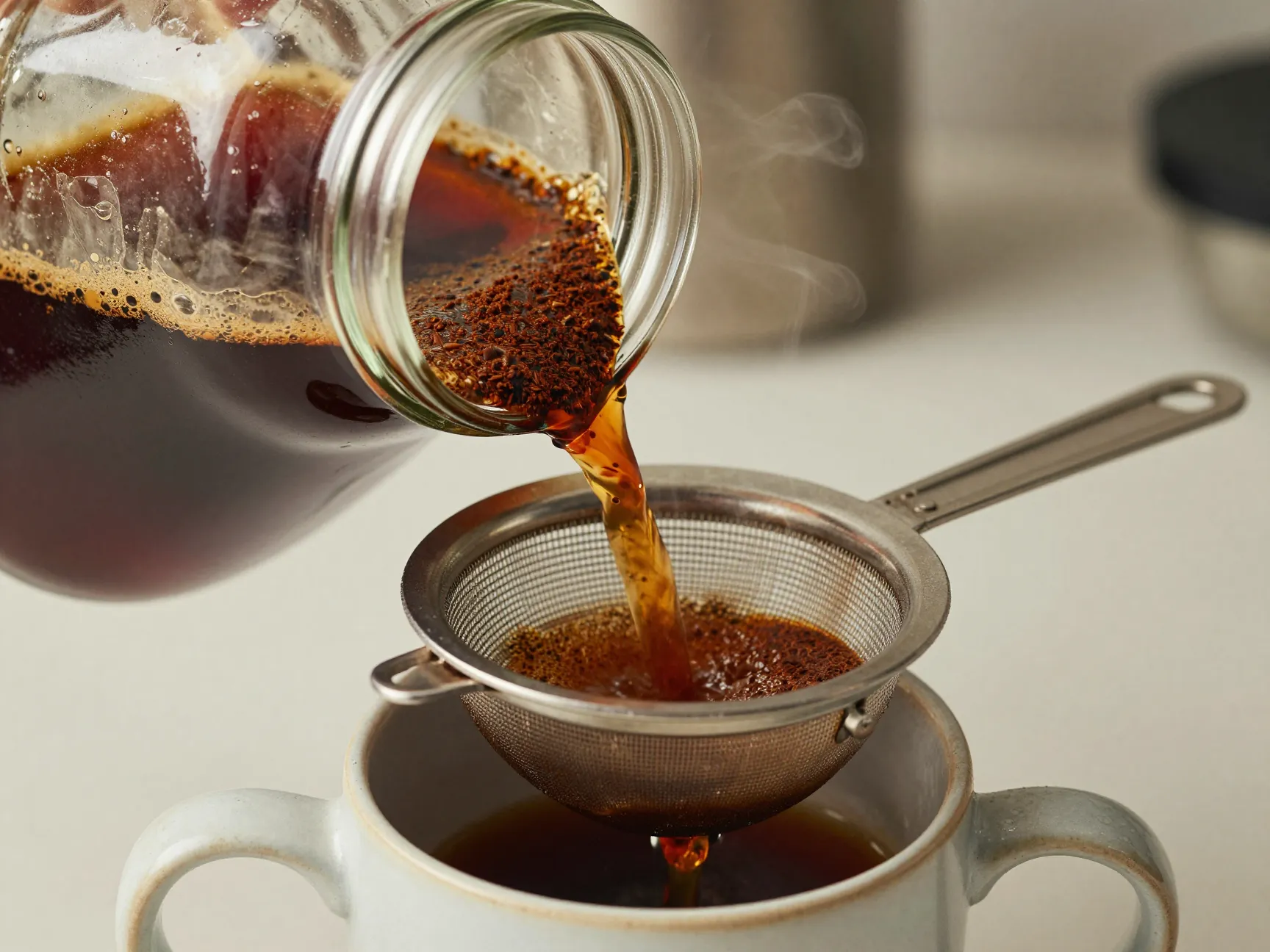
Difficulty: ⭐⭐☆☆☆ | Equipment needed: Mason jar, fine mesh strainer or cheesecloth, spoon
If you have a mason jar and any kind of strainer, you can replicate the French press experience almost perfectly. This is one of the most popular DIY methods among campers and travelers [6].
How to do it:
- Heat water to 200°F (93°C).
- Add 2 tablespoons of coarsely ground coffee per 6 oz of water to the mason jar.
- Pour hot water over the grounds and stir.
- Place the lid loosely on the jar and steep for 4 minutes.
- Slowly pour through a fine mesh strainer or cheesecloth into another cup.
Why it works: The immersion brewing process in the mason jar mirrors exactly what a French press does. The strainer replaces the plunger filter. The result is a rich, textured cup with good body [2].
| Factor | Cowboy Method | Mason Jar Method |
|---|---|---|
| Equipment | Pot only | Jar + strainer |
| Sediment level | High | Low–Medium |
| Body | Very bold | Rich |
| Ease | Very easy | Easy |
3. The Paper Towel Pour-Over Method
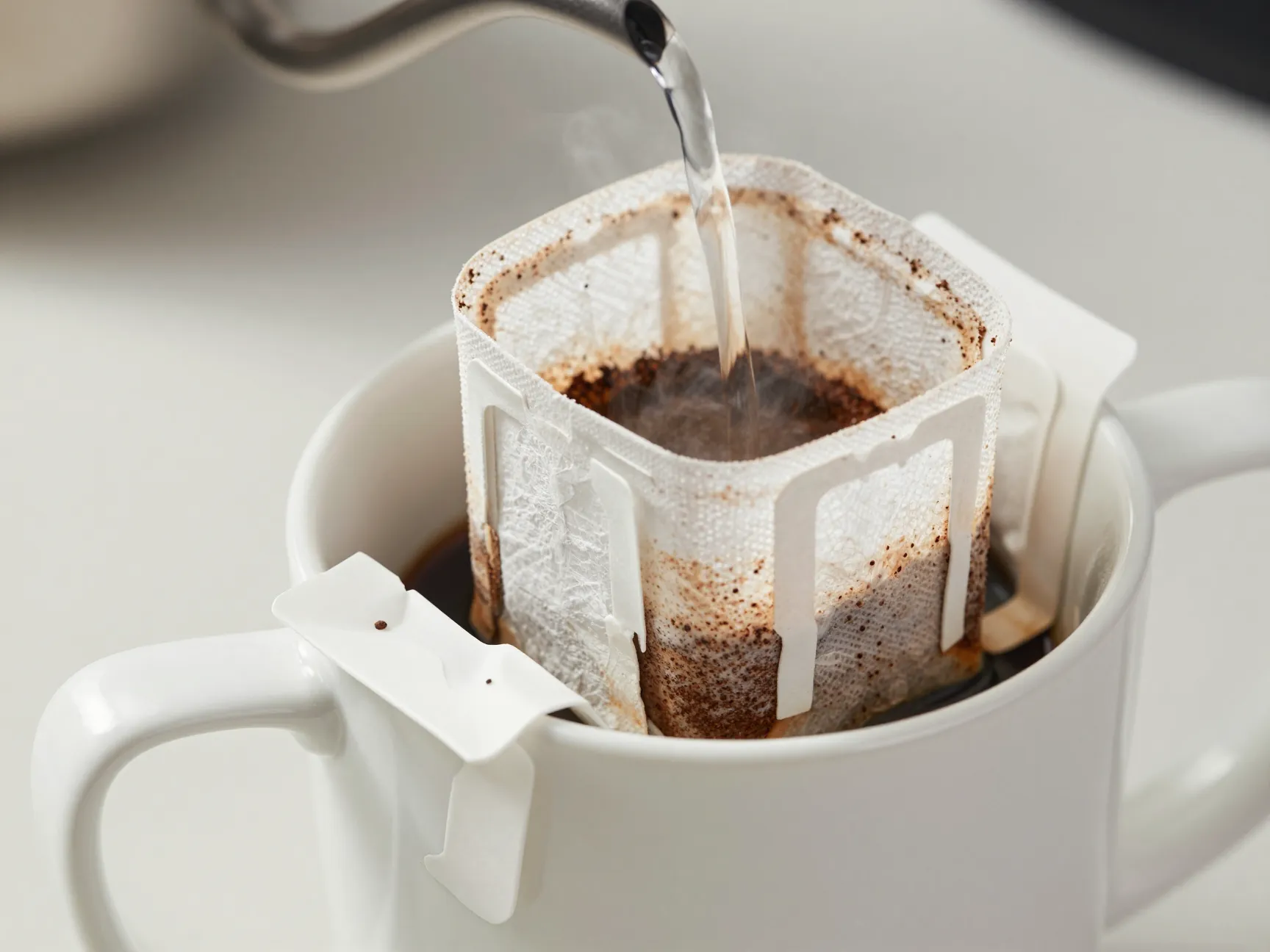
Difficulty: ⭐⭐☆☆☆ | Equipment needed: Paper towel, mug, hot water
This is the most accessible makeshift pour-over you can create. A paper towel acts as a surprisingly effective — it’s porous enough to let water through but tight enough to catch most grounds [1].
How to do it:
- Fold a paper towel into a cone or double it over and drape it inside a mug or cup.
- Add 2 tablespoons of medium-fine ground coffee to the paper towel.
- Pour a small amount of hot water over the grounds first to “bloom” them (let CO₂ escape for 30 seconds).
- Slowly pour the rest of the water in a circular motion.
- Allow it to drip through completely before removing the paper towel.
Watch out: Paper towels can tear if you pour too fast. Go slow and steady. Also, some paper towels have a slight chemical smell — rinse the paper towel with hot water first before adding coffee [3].
4. The Sock or Cloth Filter Method
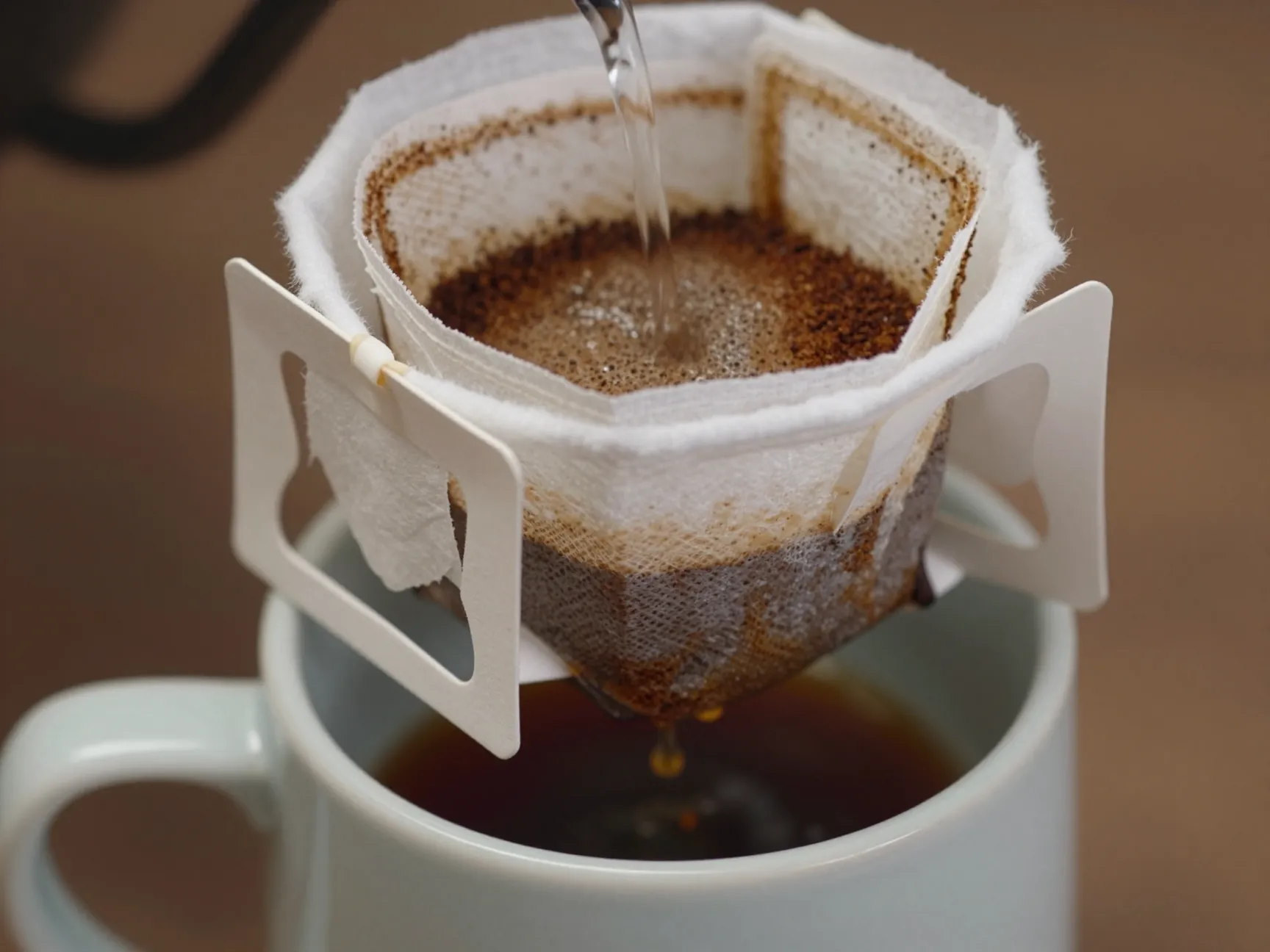
Difficulty: ⭐⭐☆☆☆ | Equipment needed: Clean cloth or sock, rubber band or string, mug
Before paper filters existed, cloth was the go-to filtration method. In many parts of Latin America and Southeast Asia, cloth are still used today — and they produce a wonderfully smooth cup [4].
How to do it:
- Use a clean, thin cotton cloth (or a clean sock in a real pinch — yes, really).
- Secure the cloth over the rim of a mug using a rubber band.
- Add 2 tablespoons of medium-ground coffee to the cloth.
- Slowly pour hot water over the grounds and let it drip through.
Important: Wash the cloth thoroughly before use and rinse with hot water. Avoid synthetic fabrics — cotton works best because it doesn’t add flavor to the brew [6].
💡 Pull Quote: “Cloth filters were the gold standard before paper came along — and in many cultures, they still are.”
5. The Instant Coffee Hack (Upgraded)
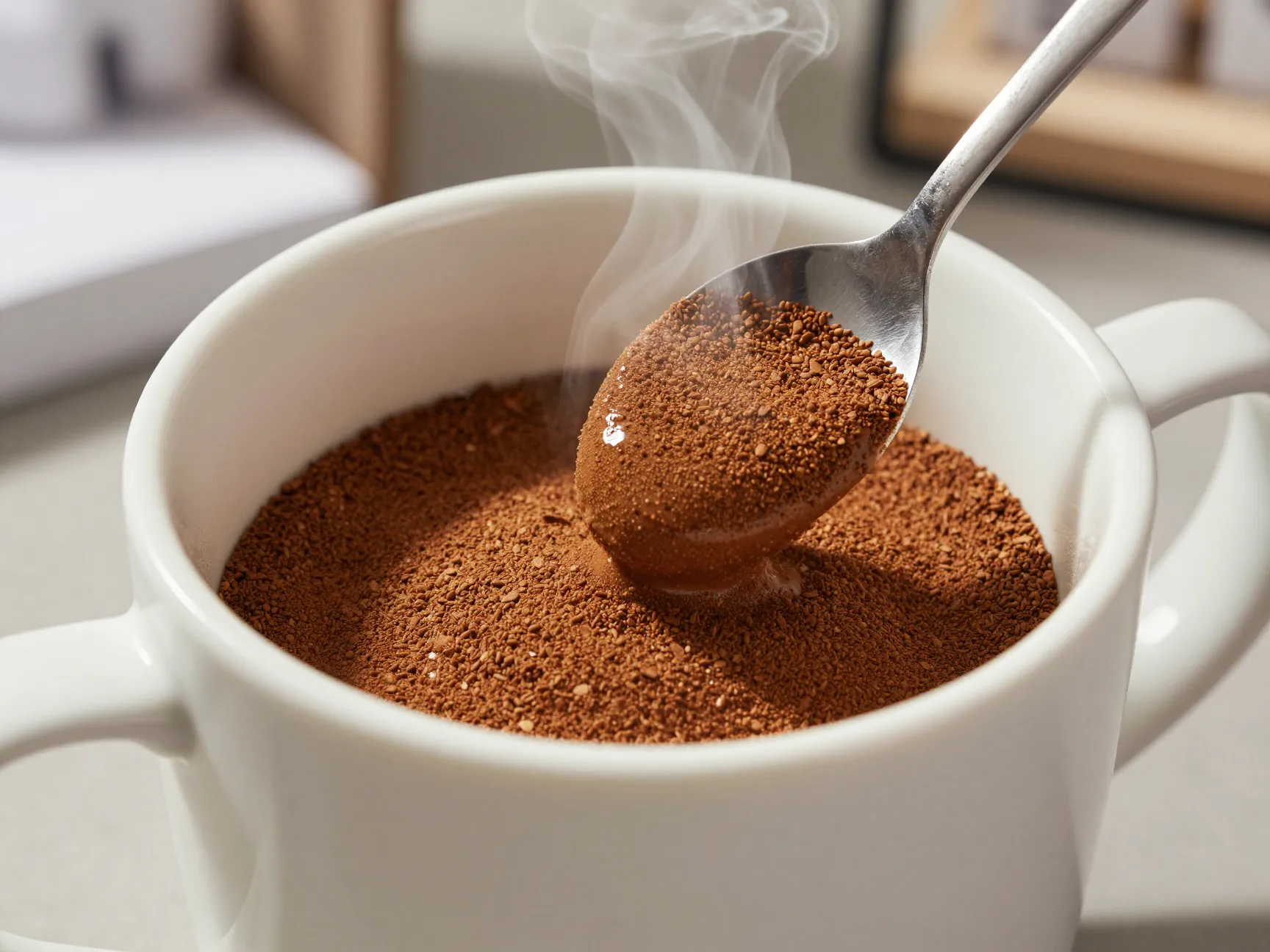
Difficulty: ⭐☆☆☆☆ | Equipment needed: Mug, hot water,
Instant coffee gets a bad reputation, but in 2026, the category has been completely transformed. Premium instant coffee brands now use freeze-dried specialty-grade coffee that rivals many brewed cups in flavor complexity [5].
How to do it:
- Heat water to just below boiling (around 195°F/90°C).
- Add 1–2 teaspoons of premium instant coffee to your mug.
- Pour a small amount of water first and stir to create a paste.
- Fill the rest of the mug with hot water and stir again.
Why the paste step matters: Dissolving the coffee in a small amount of water first prevents clumping and ensures even extraction throughout the cup [5].
Best for: Hotel rooms, offices, travel, and any situation where you need coffee in under 2 minutes.
6. The Cold Brew Concentrate Method (No Equipment Needed)
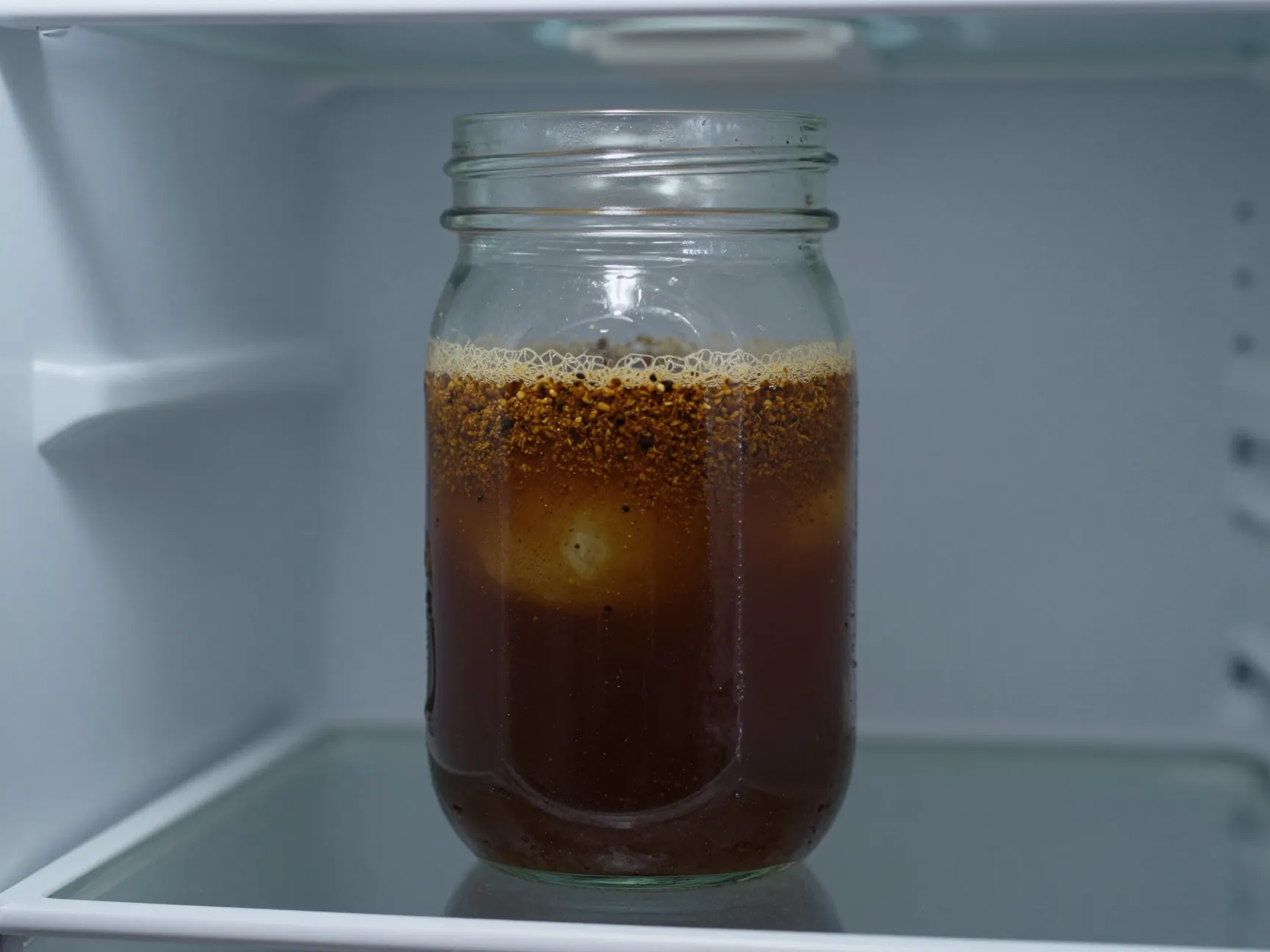
Difficulty: ⭐⭐⭐☆☆ | Equipment needed: Jar, water, strainer or cloth, time (12–24 hours)
doesn’t require any heat or special equipment — just time. This method is ideal if you plan ahead and want a smooth, low-acid you can use for days [2].
How to do it:
- Combine 1 cup of coarsely ground coffee with 4 cups of cold or room-temperature water in a jar.
- Stir well, cover, and let it steep in the refrigerator for 12–24 hours.
- Strain through a cloth, cheesecloth, or fine mesh strainer.
- Dilute the concentrate with water or milk (1:1 ratio) when ready to drink.
Flavor profile: is naturally sweeter and less acidic than hot-brewed coffee because the cold water extracts different compounds from the grounds [3].
| Method | Brew Time | Acidity | Caffeine Level |
|---|---|---|---|
| Cowboy | 4–5 min | High | High |
| Pour-Over (Paper Towel) | 3–4 min | Medium | Medium |
| Cold Brew | 12–24 hrs | Low | Very High |
| Instant | 2 min | Varies | Medium |
7. The Stovetop Moka Pot Alternative (Saucepan Espresso)
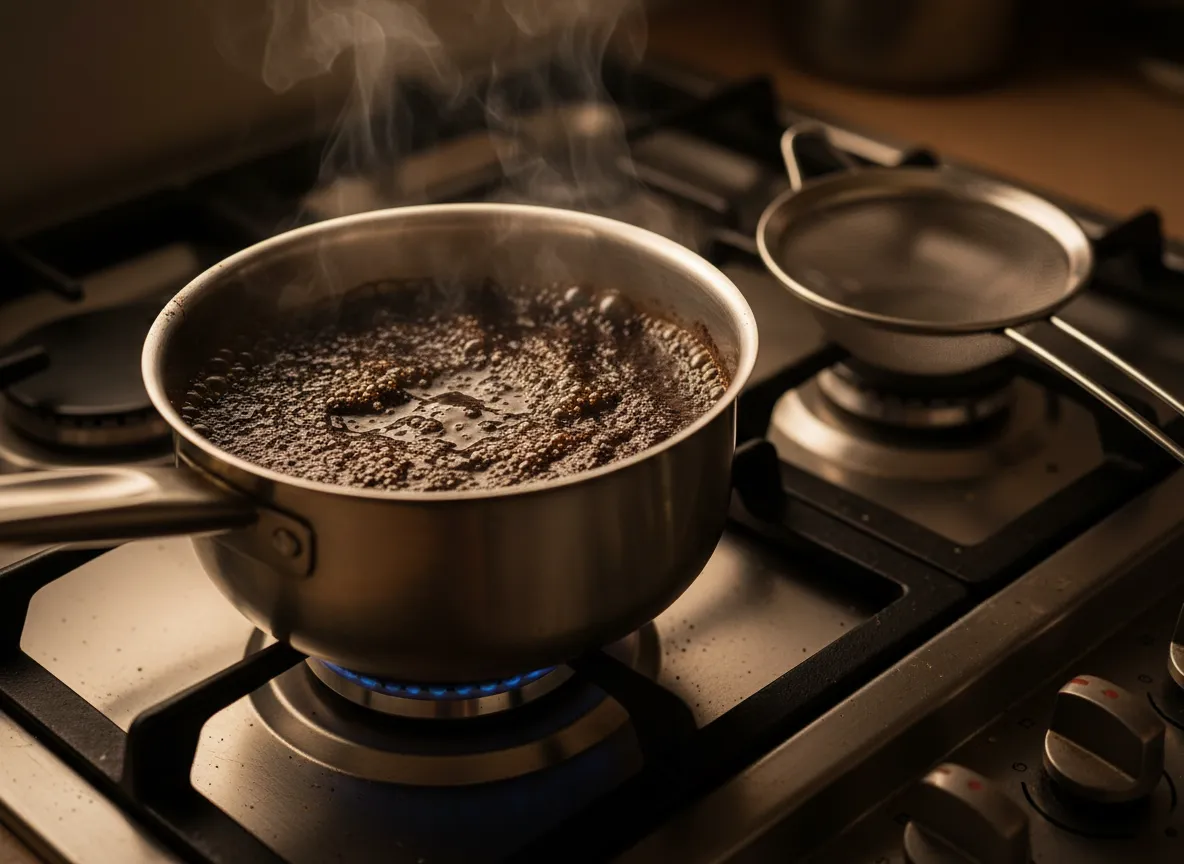
Difficulty: ⭐⭐⭐⭐☆ | Equipment needed: Small saucepan, fine strainer, heat source
This method won’t give you true espresso — nothing without 9 bars of pressure will — but it produces a strong, concentrated coffee that comes closer to espresso than any other no-machine method [5].
How to do it:
- Bring a small amount of water (about 3 oz per serving) to a near-boil in a saucepan.
- Add 1 tablespoon of very finely ground coffee per ounce of water.
- Stir vigorously and keep on low heat for 2–3 minutes — do not boil.
- Remove from heat and let it settle for 1 minute.
- Pour slowly through a fine mesh strainer into a small cup.
Use it for: Lattes, americanos, or any drink that calls for a strong espresso-style base [5].
Grind size is critical here. A fine grind maximizes surface area and extraction speed, giving you that concentrated punch. Too coarse and the result will be weak and watery [4].
8. The Bag Method (DIY Coffee Bag)
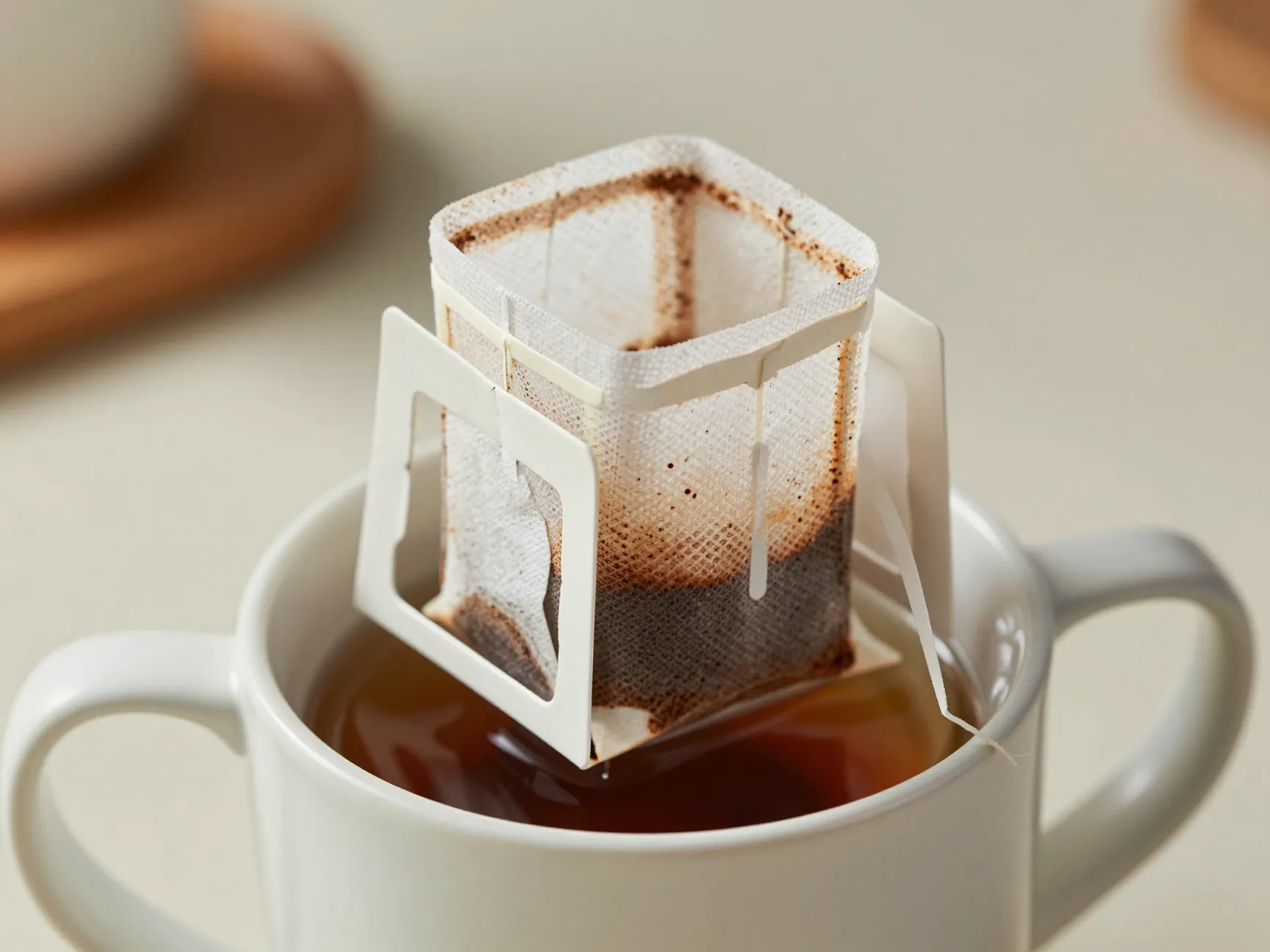
Difficulty: ⭐⭐☆☆☆ | Equipment needed: or cheesecloth, string, mug, hot water
Think of this as making a coffee teabag — and it works just as well as you’d expect. This method is clean, easy, and produces minimal sediment [1].
How to do it:
- Place 2 tablespoons of medium-ground coffee in the center of a coffee filter or small square of cheesecloth.
- Gather the edges and tie them securely with kitchen string or a twist tie.
- Place the bag in your mug.
- Pour hot water (200°F/93°C) over the bag and let it steep for 4–5 minutes.
- Remove the bag, squeezing gently to extract the last of the flavor.
Why it works: The bag method gives you full control over steep time, just like a tea infuser. It’s also one of the cleanest methods — no sediment, no mess, no fuss [6].
Batch tip: Make several coffee bags in advance and store them in a sealed container. They’re perfect for travel, camping, or office emergencies.
Choosing the Right Method: A Quick Decision Guide 🗺️
Use this quick guide to match your situation to the best method:
You have zero equipment → Method 1 (Cowboy) or Method 5 (Instant)
You want low sediment → Method 3 (Paper Towel Pour-Over) or Method 8 (Bag Method)
You want strong coffee → Method 7 (Saucepan Espresso) or Method 6 (Cold Brew Concentrate)
You’re camping → Method 1 (Cowboy) or Method 2 (Mason Jar)
You’re in a hotel room → Method 5 (Instant) or Method 8 (Bag Method)
You have 24 hours to plan → Method 6 (Cold Brew)
Tips That Apply to All 8 Ingenious Ways to Make Coffee Without a Coffee Maker in a Pinch
No matter which method you choose, these universal principles will improve your results:
Water temperature: Always aim for 195–205°F (90–96°C). Boiling water (212°F) over-extracts and creates bitterness. Let boiling water rest for 30–60 seconds before using [4].
Coffee-to-water ratio: The standard starting point is 1:15 (1 gram of coffee to 15 grams of water, or roughly 2 tablespoons per 6 oz). Adjust to taste [2].
Grind size matters:
- Coarse grind → Cowboy, Mason Jar, Cold Brew
- Medium grind → Bag Method, Cloth Filter
- Medium-fine → Paper Towel Pour-Over
- Fine grind → Saucepan Espresso
Freshness wins: Freshly ground coffee produces significantly better results than pre-ground, regardless of the brewing method [3].
Preheat your mug: Pour a small amount of hot water into your mug before brewing. This keeps your coffee hotter for longer — a small detail that makes a real difference [6].
Common Mistakes to Avoid ⚠️
- Using boiling water directly — it scorches the grounds and creates harsh bitterness.
- Under-steeping — most immersion methods need at least 4 minutes to fully extract flavor.
- Over-steeping — leaving grounds in contact with water for too long creates over-extraction and astringency.
- Using too fine a grind for immersion methods — this leads to excessive sediment and a muddy cup.
- Skipping the bloom — for pour-over methods, always pre-wet the grounds for 30 seconds to release CO₂ and improve extraction [1].
Conclusion: You’re Never More Than 5 Minutes From a Great Cup ☕
The 8 ingenious ways to make coffee without a coffee maker in a pinch covered in this guide prove one thing clearly: great coffee is about technique and understanding, not expensive equipment. From the ancient simplicity of cowboy coffee to the precision of a makeshift pour-over, each method has its own character and ideal use case.
Here are your actionable next steps:
- Practice one method this week using what you already have at home — don’t wait for an emergency.
- Stock a small coffee kit for travel: a few coffee bags, a packet of premium instant, and a small cloth filter cover most situations.
- Learn your preferred grind size for your go-to method — this single variable improves results more than anything else.
- Bookmark this guide so you have it ready when your coffee maker inevitably lets you down at the worst possible moment.
Coffee is resilient. So are coffee drinkers. With the right knowledge, you’ll never go without a good cup again — no machine required.
References
[1] How To Make Coffee Without A Coffee Maker – https://www.realhomes.com/advice/how-to-make-coffee-without-a-coffee-maker
[2] Brewing Without A Machine How To Make Coffee Without A Coffee Maker – https://www.drinkcusa.com/blogs/cusa-blog/brewing-without-a-machine-how-to-make-coffee-without-a-coffee-maker
[3] Brewing Coffee Without A Coffee Maker Creative Methods – https://ratiocoffee.com/blogs/coffee-guides/brewing-coffee-without-a-coffee-maker-creative-methods
[4] How To Make Coffee Without A Coffee Maker – https://atlascoffeeclub.com/pages/how-to-make-coffee-without-a-coffee-maker
[5] How To Substitutes Coffee At Home – https://www.thetakeout.com/2085261/how-to-brew-espresso-substitutes-coffee-at-home/
[6] The Best Ways To Without A Machine – https://goldberryroasting.com/blogs/news/the-best-ways-to-brew-coffee-without-a-machine