9 Simple Steps on How to Make Black Coffee That Actually Tastes Amazing
Over 400 billion cups of coffee are consumed every year worldwide — yet most people drinking black coffee at home are quietly disappointed by what’s in their mug. ☕ The gap between a bitter, flat cup and a genuinely delicious black coffee isn’t talent or expensive equipment. It’s knowledge.
Disclosure: This post contains affiliate links. As an Amazon Associate, we earn from qualifying purchases, and at no extra cost to you.

That’s exactly why I put together this guide on the 9 Simple Steps on How to Make Black Coffee That Actually Tastes Amazing. Whether you’re cutting out cream and sugar for health reasons, trying to appreciate , or just tired of mediocre mornings, these steps will completely change how you brew. Follow them consistently, and you’ll never reach for the creamer again.
Key Takeaways
- ✅ Bean quality and freshness are the single biggest factors in great-tasting black coffee.
- ✅ should sit between 90–96°C (195–205°F) — too hot or too cold ruins flavor.
- ✅ must match your brewing method — wrong grind = bitter or weak coffee.
- ✅ Light to medium roasts tend to taste better black because they preserve natural flavor complexity.
- ✅ Tasting intentionally — noticing sweetness, acidity, body, and finish — helps you dial in your perfect cup.
Why Black Coffee Gets a Bad Reputation (And How to Fix It)
Let’s be honest: most people who say they hate black coffee have only ever tasted bad black coffee. Burnt beans, stale grounds, boiling water, and a cheap drip machine are a recipe for a bitter, unpleasant experience that sends people straight to the sugar bowl.
The truth is, great black coffee is naturally sweet, complex, and deeply satisfying. It doesn’t need anything added to it. The problem isn’t black coffee itself — it’s the shortcuts most people take when brewing it.
“Black coffee, done right, is one of the most nuanced flavor experiences in the food world. Done wrong, it’s just hot brown bitterness.”
Understanding a few core principles — water temperature, bean selection, grind size, and brewing method — is all it takes to go from “I can’t drink it without sugar” to genuinely craving your morning cup. [2]
The 9 Simple Steps on How to Make Black Coffee That Actually Tastes Amazing
1. Start With High-Quality, Fresh Coffee Beans
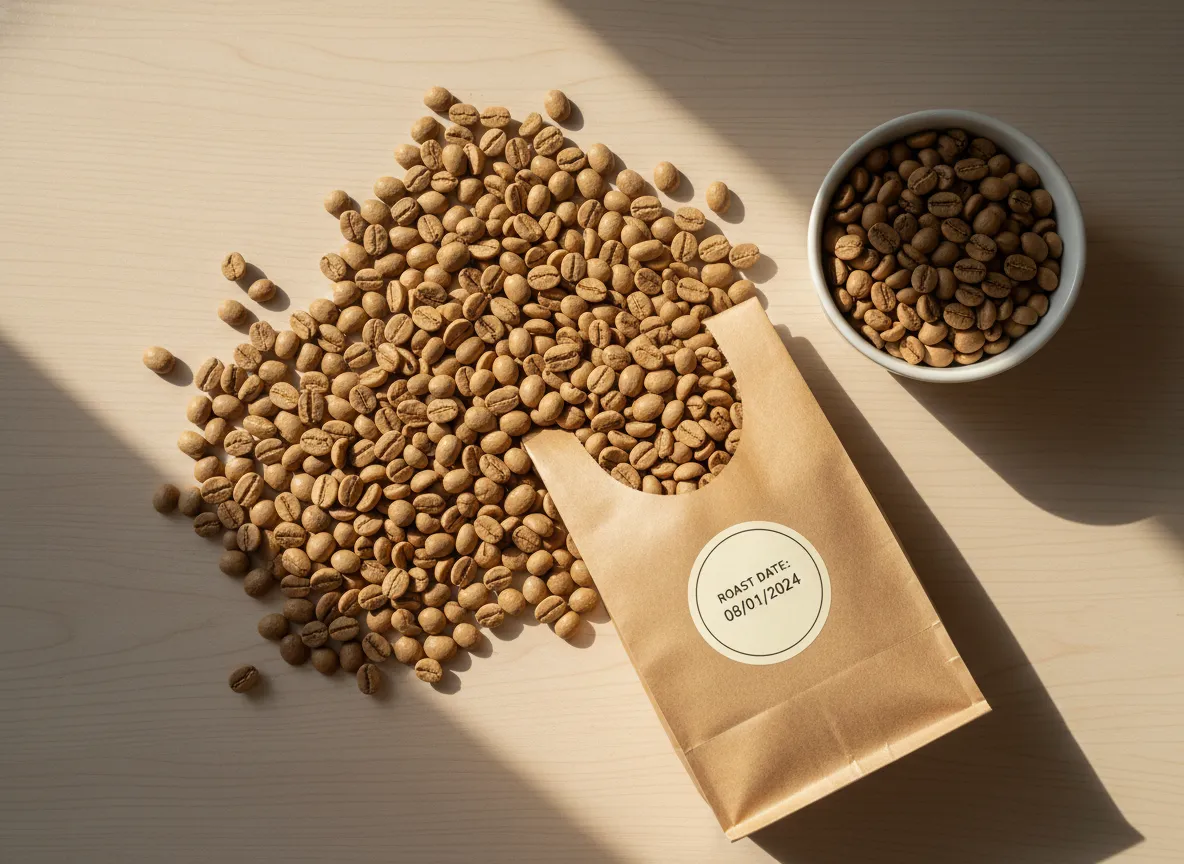
Everything else in this guide depends on this first step. No brewing technique can save bad beans.
When shopping for coffee, look for:
- Roast date on the bag — not a “best by” date, but an actual roast date. Freshly roasted beans (within 2–4 weeks) make a dramatic difference.
- Single-origin or specialty-grade beans — these tend to have more distinct, interesting flavors than commodity blends.
- Light to medium roasts — these preserve the natural fruit, floral, and caramel notes in the bean. Dark roasts burn off much of that complexity, leaving behind a more one-dimensional, bitter flavor. [5]
| Roast Level | Flavor Profile | Best For Black Coffee? |
|---|---|---|
| Light | Fruity, floral, bright acidity | ✅ Excellent |
| Medium | Balanced, caramel, nutty | ✅ Great |
| Dark | Bold, smoky, bitter | ⚠️ Challenging |
| Extra Dark (Espresso) | Very bitter, charred | ❌ Difficult |
Pro tip: Buy whole beans and grind them fresh before each brew. Pre-ground coffee loses its aroma and flavor within days of opening.
2. Use the Right Grind Size for Your Brewing Method
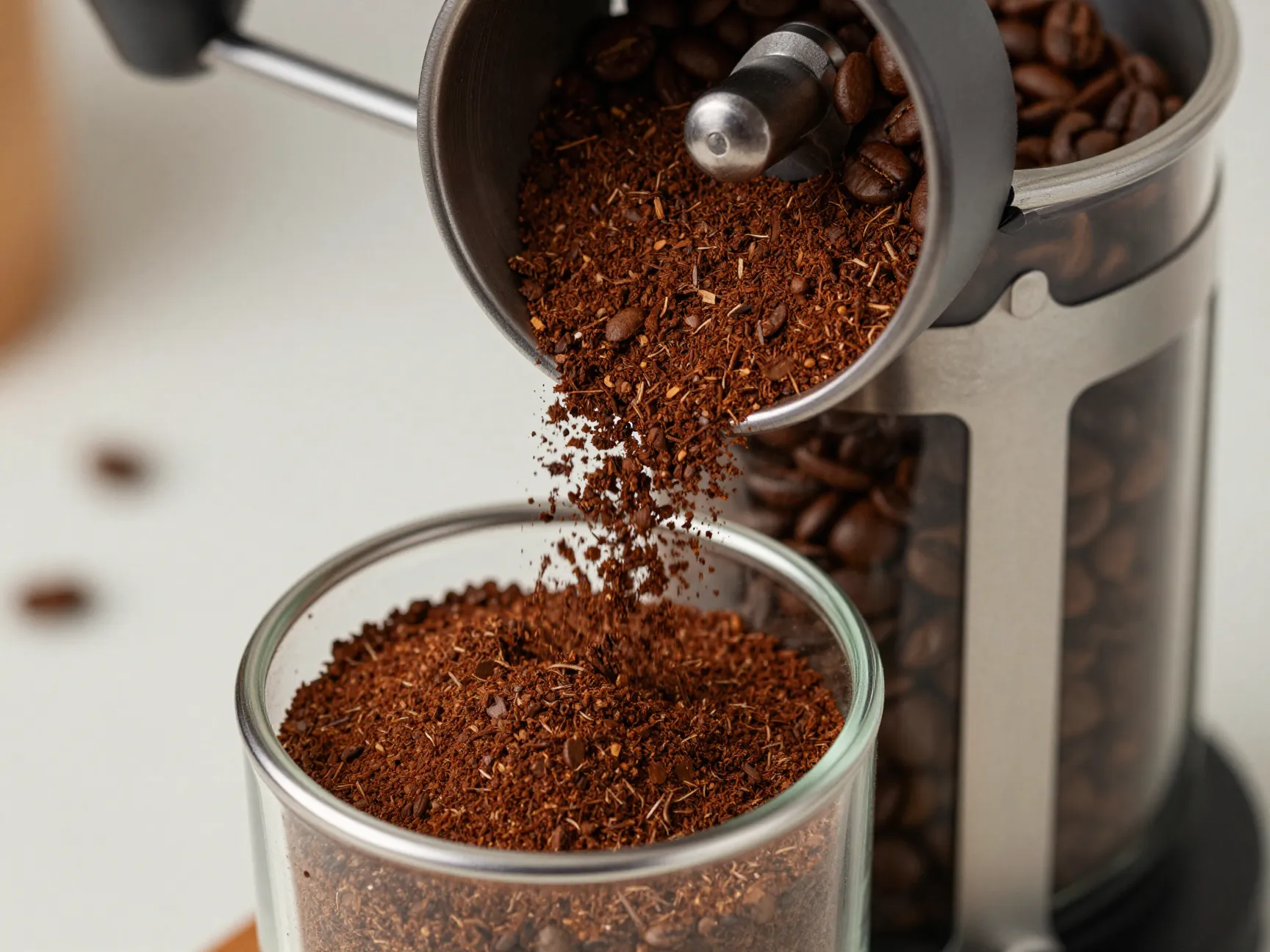
Grind size is one of the most misunderstood variables in . Too fine and you get over-extraction (bitter). Too coarse and you get under-extraction (sour, weak). The goal is a balanced extraction that pulls out all the good stuff.
Here’s a quick reference guide:
- Pour-over (V60, Chemex): Medium grind — similar texture to table salt
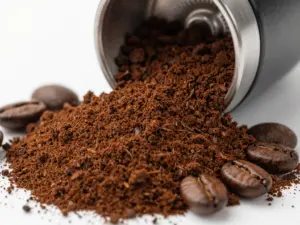
- French press: Coarse grind — similar texture to breadcrumbs
- Drip coffee maker: Medium grind
- Sieve or cloth method: Medium grind [1]
- Espresso: Fine grind — similar texture to powdered sugar
Invest in a burr grinder rather than a blade grinder. Blade grinders chop beans unevenly, creating a mix of fine dust and large chunks that brew inconsistently. A burr grinder crushes beans uniformly, giving you consistent extraction every time.
3. Measure Your Coffee and Water Precisely
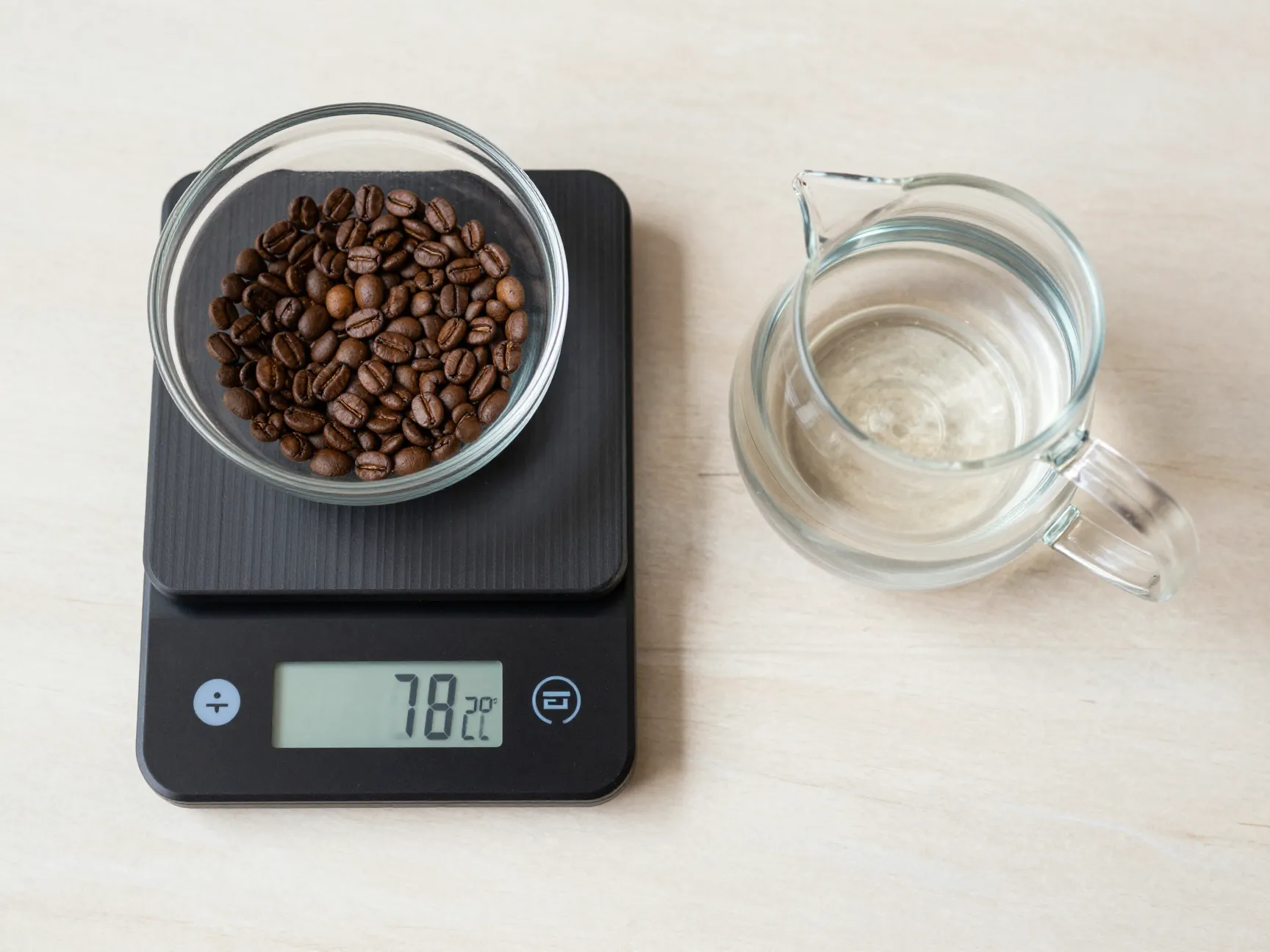
Eyeballing your coffee-to-water ratio is one of the most common reasons home brews taste off. Consistency requires measurement.
The widely accepted starting ratio for black coffee is:
1:15 to 1:17 — that’s 1 gram of coffee for every 15–17 grams (ml) of water.
For a standard 300ml (10 oz) cup:
- Stronger: 20g coffee / 300ml water (1:15)
- Balanced: 18g coffee / 300ml water (1:17)
- Lighter: 17g coffee / 300ml water (1:18)
Use a digital kitchen scale for accuracy. Once you find the ratio you love, you can replicate it perfectly every single time.
4. Use Filtered Water at the Correct Temperature
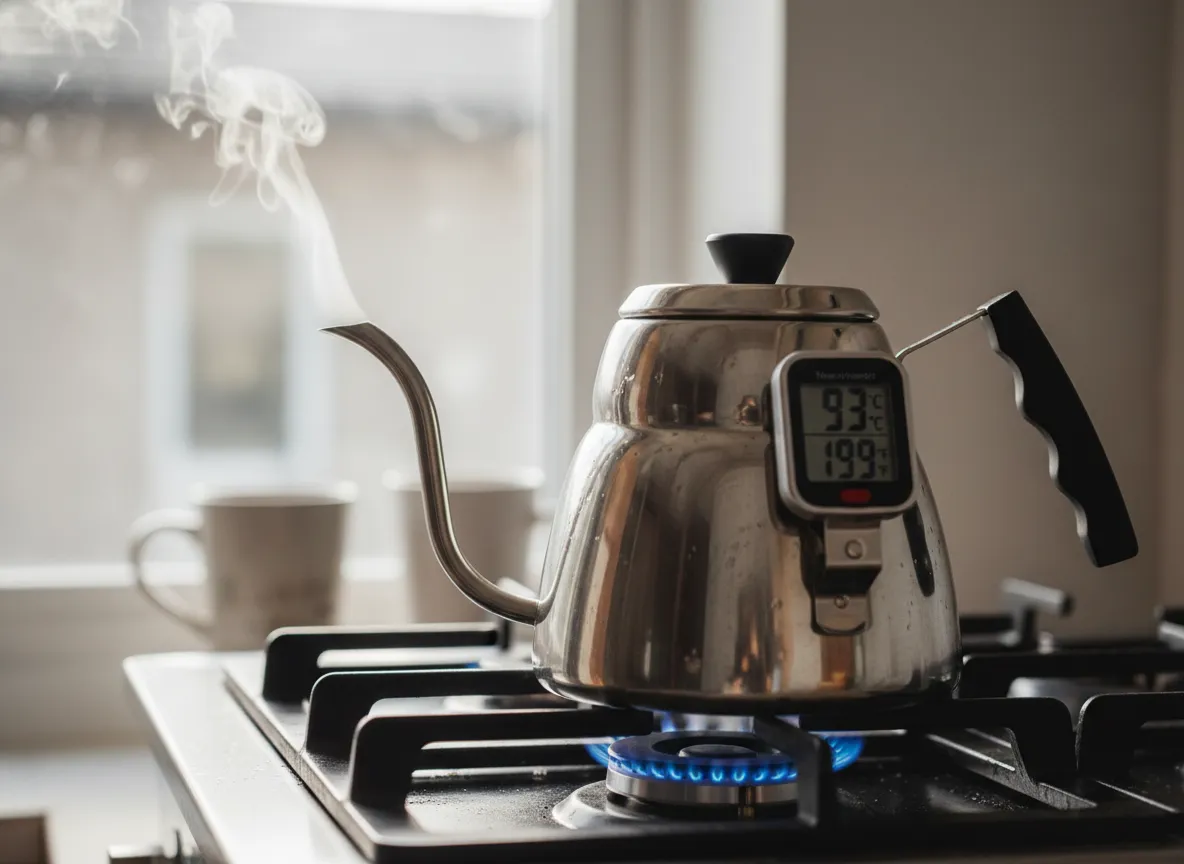
Coffee is approximately 98% water, so the quality of your water matters enormously. Tap water with heavy chlorine or mineral content will directly affect the taste of your brew.
Use filtered water whenever possible. A simple pitcher filter (like Brita) makes a noticeable difference.
Water temperature is equally critical. The optimal brewing temperature is 90–96°C (195–205°F). [1][2]
- Too hot (above 96°C/205°F): Over-extracts the coffee, pulling out harsh, bitter compounds.
- Too cold (below 90°C/195°F): Under-extracts, leaving the coffee sour and thin.
Easy hack: If you don’t have a thermometer, bring water to a full boil, then let it sit off the heat for 30–45 seconds. This typically brings it to the right range.
5. Choose the Right Brewing Method
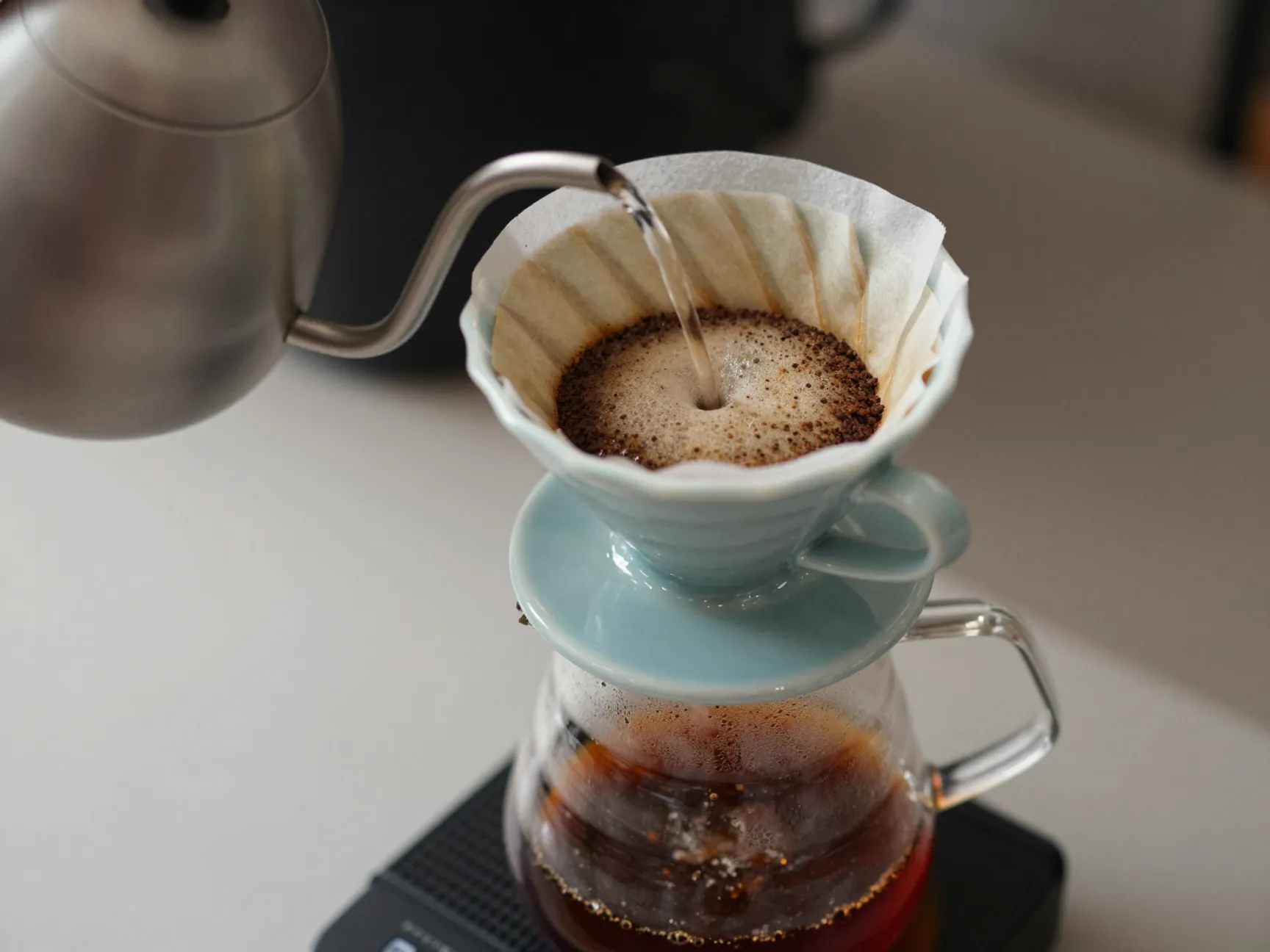
Different produce noticeably different cups. Here are the three most recommended methods for making black coffee that actually tastes good:
🔵 Pour-Over (V60, Chemex, Kalita Wave)
- Produces a clean, bright, and nuanced cup
- Highlights acidity and delicate flavor notes
- Best for light to medium roasts
- Requires a gooseneck kettle for controlled pouring [1]
🟤 French Press
- Produces a full-bodied, rich, and bold cup
- The metal filter allows natural oils into the cup, adding depth
- Best for medium to medium-dark roasts
- Use a coarser grind to avoid sediment [1]
🟡 Sieve or Cloth (Sock) Method
- Traditional method used across Southeast Asia and Latin America
- Produces a smooth, clean cup similar to pour-over
- Very affordable and accessible [1]
Each method has its strengths. I personally recommend starting with pour-over if you’re new to black coffee — it’s forgiving, produces a clean cup, and makes the natural flavors of good beans shine through. [2]
6. Bloom Your Coffee (Don’t Skip This)
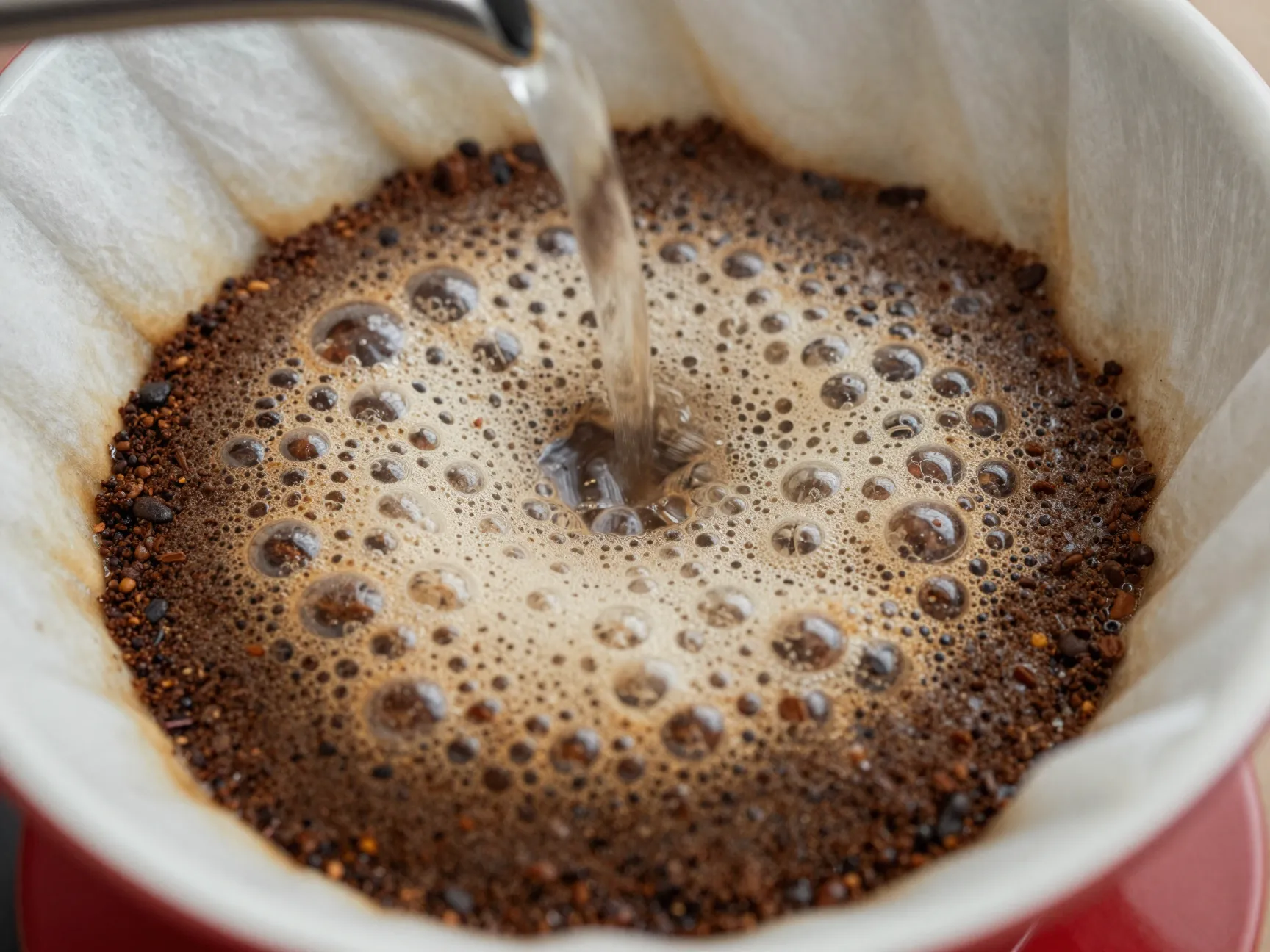
If you’re using a pour-over or any manual brewing method, blooming is a step that most beginners skip — and it makes a real difference.
What is blooming?
When hot water first hits fresh coffee grounds, CO₂ gas is released. This gas can interfere with even extraction if you don’t let it escape first.
How to bloom:
- Pour just enough hot water to saturate all the grounds (roughly 2x the weight of your coffee — so 36ml of water for 18g of coffee).
- Wait 30–45 seconds.
- Then continue your pour in slow, steady circles.
You’ll see the grounds bubble and rise — that’s the CO₂ escaping. This step ensures even, consistent extraction and a noticeably smoother cup.
7. Control Your Pour and Brew Time
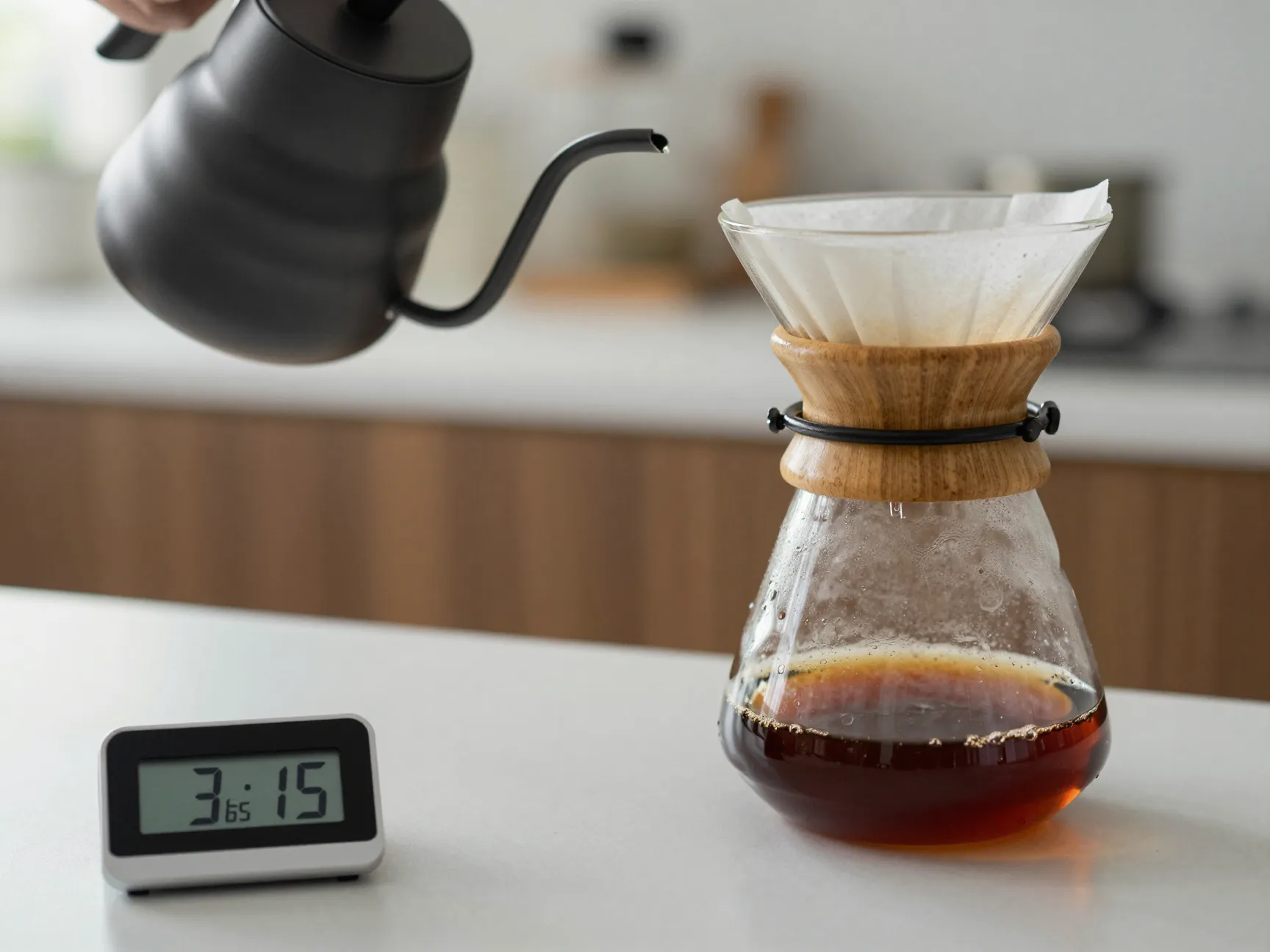
For manual brewing methods like pour-over, how you pour matters as much as what you pour.
Follow these guidelines:
- Pour slowly and in circular motions — this keeps all the grounds evenly saturated.
- Maintain a consistent flow — avoid dumping large amounts of water at once.
- Target a total brew time of 3–4 minutes for pour-over. [4]
- French press steep time: 4 minutes before pressing the plunger.
If your brew finishes too fast (under 2.5 minutes), your grind is too coarse — go finer. If it takes too long (over 5 minutes), your grind is too fine — go coarser.
Brew time is your feedback system. Use it to adjust and improve with every cup.
8. Taste Intentionally — Train Your Palate

This step is what separates people who tolerate black coffee from people who genuinely love it. Learning to taste your coffee actively transforms the experience.
Coffee experts recommend evaluating five key flavor dimensions: [4]
| Dimension | What to Notice |
|---|---|
| Sweetness | Does it have a natural sweetness without sugar? |
| Body | Is it light and tea-like, or thick and rich? |
| Acidity | Is there a bright, citrus-like quality? |
| Finish | Does the flavor linger pleasantly after you swallow? |
| Flavor | Can you detect specific notes — chocolate, fruit, nuts? |
Start by taking a small sip and letting it sit on your tongue for a moment before swallowing. Ask yourself: what do I taste? What do I feel?
This practice doesn’t just make you a better coffee drinker — it makes each cup genuinely more enjoyable because you’re fully present with the experience. [3]
“The more you pay attention to what’s in your cup, the more you’ll find to love about it.”
9. Adjust, Experiment, and Refine
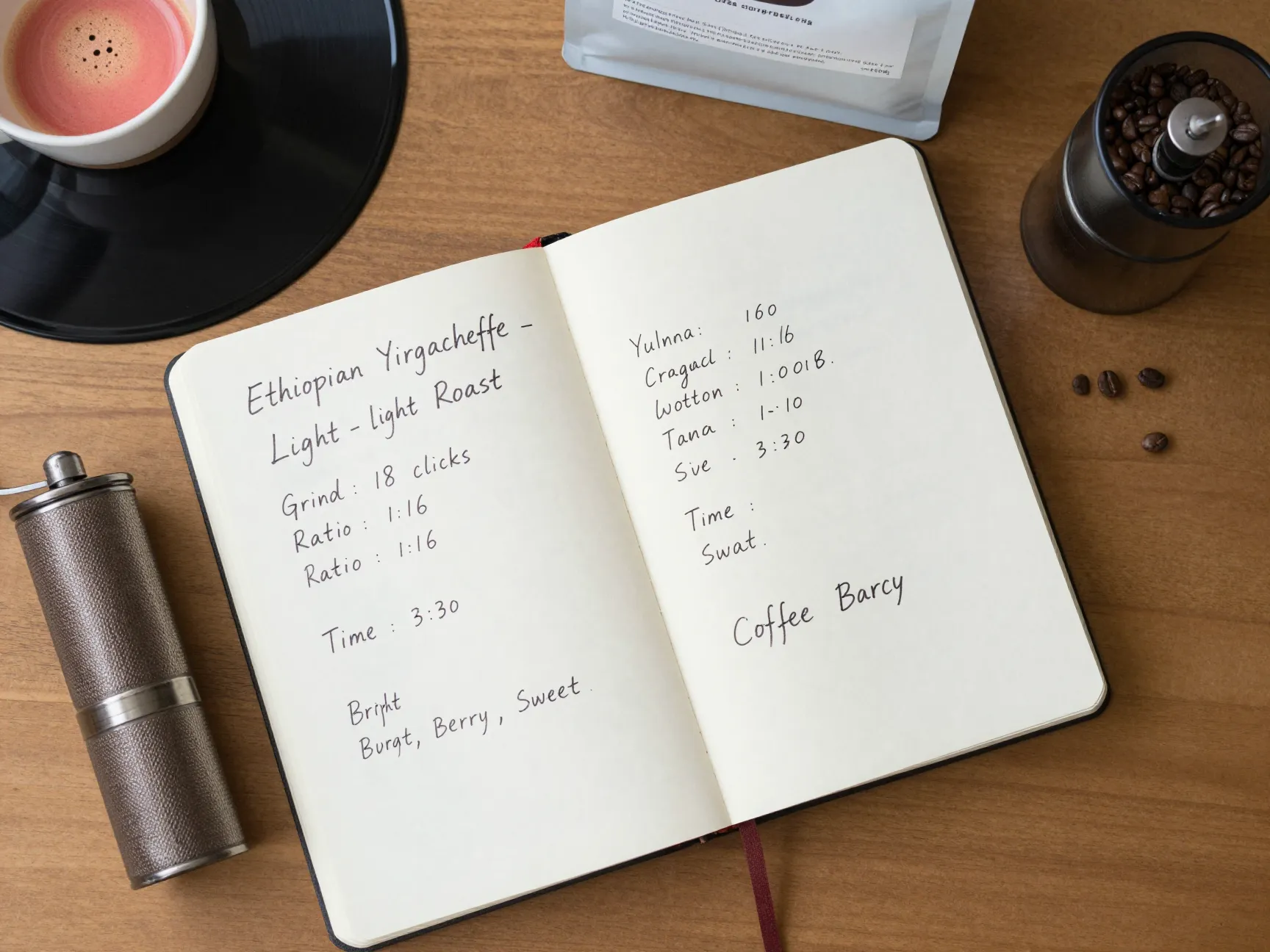
The final step in the 9 Simple Steps on How to Make Black Coffee That Actually Tastes Amazing is the one that keeps giving: never stop experimenting.
Even with the best beans and perfect technique, your ideal cup is a moving target. Variables like:
- Bean origin (Ethiopian vs. Colombian vs. Guatemalan)
- Roast level (light vs. medium)
- Grind size (slightly finer or coarser)
- Water ratio (stronger or lighter)
- Brew time (shorter or longer)
…all interact with each other. Change one variable at a time, taste the result, and take notes.
Suggested experiment schedule:
- Week 1: Try a light roast Ethiopian bean with pour-over
- Week 2: Switch to a medium roast Colombian with French press
- Week 3: Adjust your grind one notch finer on your current setup
- Week 4: Try a different water-to-coffee ratio
Keep a simple coffee journal — even just a notes app on your phone. Over time, you’ll build a clear picture of exactly what you love. [5]
Common Black Coffee Mistakes to Avoid
Even with the right steps, a few common errors can derail your results. Here’s what to watch out for:
❌ Using stale beans — Coffee goes stale fast. Once opened, use beans within 2–3 weeks. Store in an airtight container away from light and heat.
❌ Skipping the grind — Pre-ground coffee is convenient but significantly less flavorful than freshly ground beans.
❌ Using boiling water directly — Water at a rolling boil (100°C/212°F) scorches the grounds and creates harsh bitterness. Always let it cool slightly.
❌ Dirty equipment — Coffee oils build up in grinders, carafes, and brewers. Rinse your equipment after every use and deep clean weekly.
❌ Rushing the process — Great black coffee takes 4–5 minutes total. Rushing the bloom or pour leads to uneven extraction. [2]
Quick Reference: The 9 Steps at a Glance
- Choose fresh, high-quality beans (light to medium roast)
- Grind to the right size for your brewing method
- Measure coffee and water with a scale (1:15–1:17 ratio)
- Use filtered water at 90–96°C (195–205°F)
- Select your brewing method (pour-over, French press, or cloth)
- Bloom your grounds for 30–45 seconds
- Pour slowly and control your brew time (3–4 minutes)
- Taste intentionally using the five flavor dimensions
- Adjust, experiment, and refine your process
Frequently Asked Questions
Q: How do I make black coffee less bitter?
Bitterness usually comes from over-extraction (too fine a grind, too hot water, or too long a brew time) or low-quality/dark-roasted beans. Try a coarser grind, slightly cooler water, or switch to a lighter roast. [5]
Q: Is black coffee healthier than coffee with milk?
Black coffee is very low in calories (about 2 calories per cup) and contains antioxidants. Adding milk or cream increases calories and fat, though neither option is inherently unhealthy.
Q: How much coffee should I use per cup?
A good starting point is 18g of coffee per 300ml of water (roughly 1:17 ratio). Adjust to taste from there.
Q: Can I make good black coffee with a regular drip machine?
Yes — use , filtered water, and a medium grind. Clean your machine regularly and use the right ratio. A good drip machine can produce excellent black coffee. [1]
Q: Why does my black sour?
Sourness indicates under-extraction — the water didn’t pull enough flavor from the grounds. Try a finer grind, hotter water, or a longer brew time.
Conclusion
Making black coffee that actually tastes amazing isn’t about being a coffee snob or spending a fortune on equipment. It’s about understanding a handful of key principles and applying them consistently.
The 9 Simple Steps on How to Make Black Coffee That Actually Tastes Amazing come down to this: start with fresh, quality beans, grind them correctly, use properly heated filtered water, choose a brewing method that suits your taste, and then pay attention to what’s in your cup.
Here’s your action plan for this week:
- Today: Check your current — are they fresh? If not, buy a bag of single-origin light or medium roast with a visible roast date.
- This week: Try one pour-over or French press brew using the ratios and temperatures in this guide.
- Next brew: Practice the bloom technique and time your total brew to 3–4 minutes.
- Ongoing: Keep a simple tasting journal and adjust one variable per week until you find your perfect cup.
The best cup of black coffee you’ve ever had is closer than you think — and it’s waiting for you in your own kitchen. ☕
References
[1] How To Make Good Black Coffee At Home – https://blackpolecoffee.com/blogs/news/how-to-make-good-black-coffee-at-home
[2] How To Make Black Coffee Taste Good A Comprehensive Guide To Brewing Beans And Beyond – https://octavecoffee.com/blogs/lessons-weve-learned/how-to-make-black-coffee-taste-good-a-comprehensive-guide-to-brewing-beans-and-beyond
[3] How To Drink And Like Black Coffee – https://www.drinktrade.com/blogs/education/how-to-drink-and-like-black-coffee
[4] How To Make Black Coffee – https://www.esquire.com/food-drink/a32004300/how-to-make-black-coffee/
[5] How To Make Black Coffee Taste Good – https://www.lowkeycoffeesnobs.com/how-to-make-black-coffee-taste-good/