8 Essential Espresso Martini Ingredients & The Secret 9th You Need
The is now the most-ordered cocktail in several major cities across the United States, Australia, and the United Kingdom — yet most home bartenders are quietly making it wrong. Not because they lack skill, but because they are missing one or two critical ingredients that separate a flat, bitter drink from a silky, foam-crowned masterpiece. This guide breaks down the 8 Essential Espresso & The Secret 9th You Need, explaining not just what goes in the glass, but why each component matters and how to use it correctly.
Disclosure: This post contains affiliate links. As an Amazon Associate, we earn from qualifying purchases, and at no extra cost to you.

Key Takeaways 🎯
- Fresh espresso is non-negotiable — it is the single ingredient that creates the signature foam layer.
- Vodka quantity matters — 1.5 to 2 oz is the sweet spot for balance and strength.
- quality is a game-changer — not all brands are created equal.
- Saline solution is the secret weapon most home bartenders never use, but professional bartenders swear by it.
- Vigorous shaking technique is just as important as the ingredients themselves.
What Is an Espresso Martini? A Quick History
The espresso martini was created in London in the 1980s by legendary bartender Dick Bradsell. The story goes that a young model walked into his bar and asked for something that would “wake me up and then mess me up.” Bradsell grabbed a bottle of vodka, pulled a shot of espresso from the machine right next to him, and a cocktail icon was born.
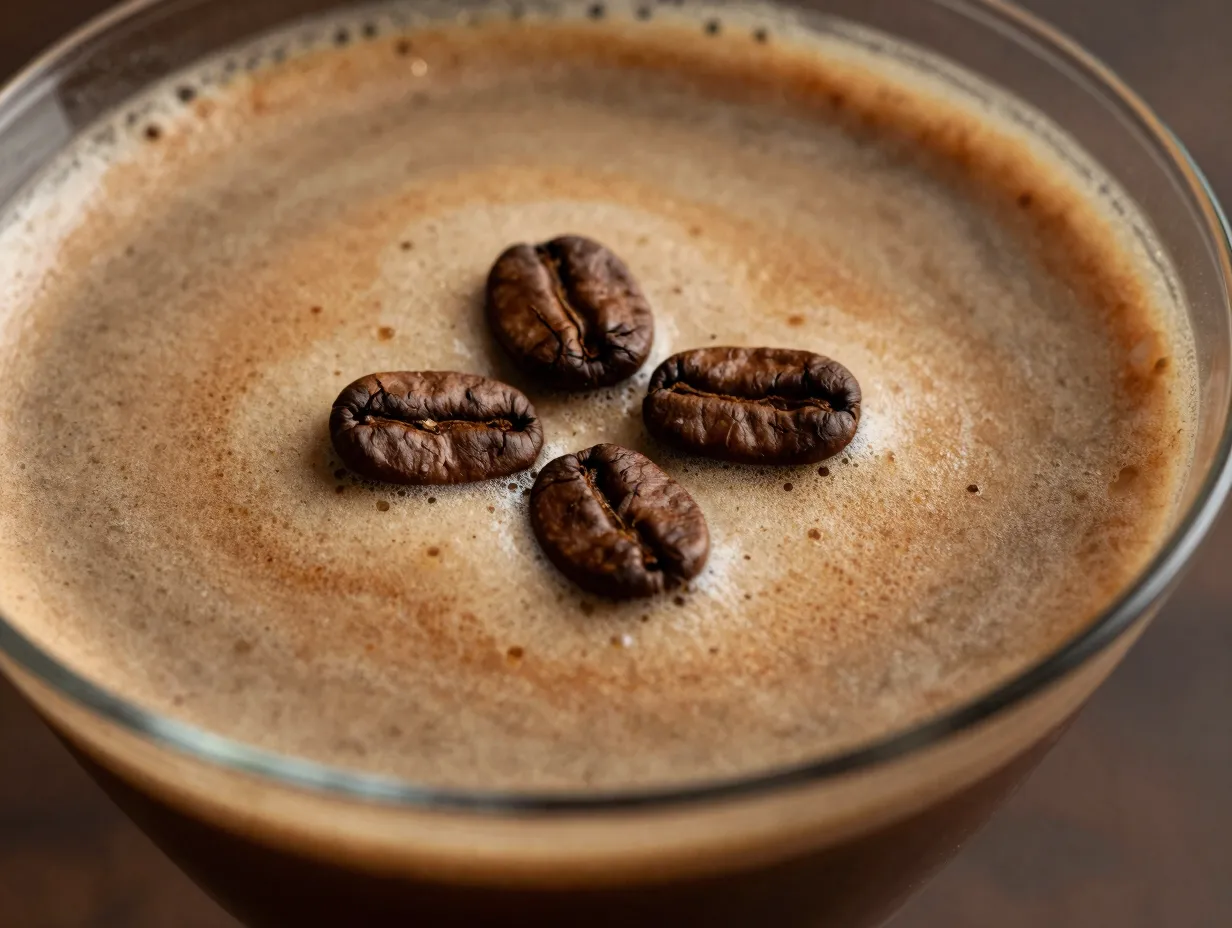
The drink is not technically a martini — it contains no vermouth and is served in a coupe or martini glass purely for aesthetic reasons. But what it lacks in traditional martini credentials, it more than makes up for in complexity, depth, and that unmistakable three-bean garnish floating on a cloud of coffee foam.
In 2026, the espresso martini revival is still going strong. Understanding the full list of 8 Essential Espresso Martini Ingredients & The Secret 9th You Need is the difference between a good cocktail and a genuinely memorable one.
The 8 Essential Espresso Martini Ingredients & The Secret 9th You Need
Let’s go through each ingredient in order of importance, with exact measurements, brand recommendations, and expert tips.
1. Vodka — The Non-Negotiable Base Spirit
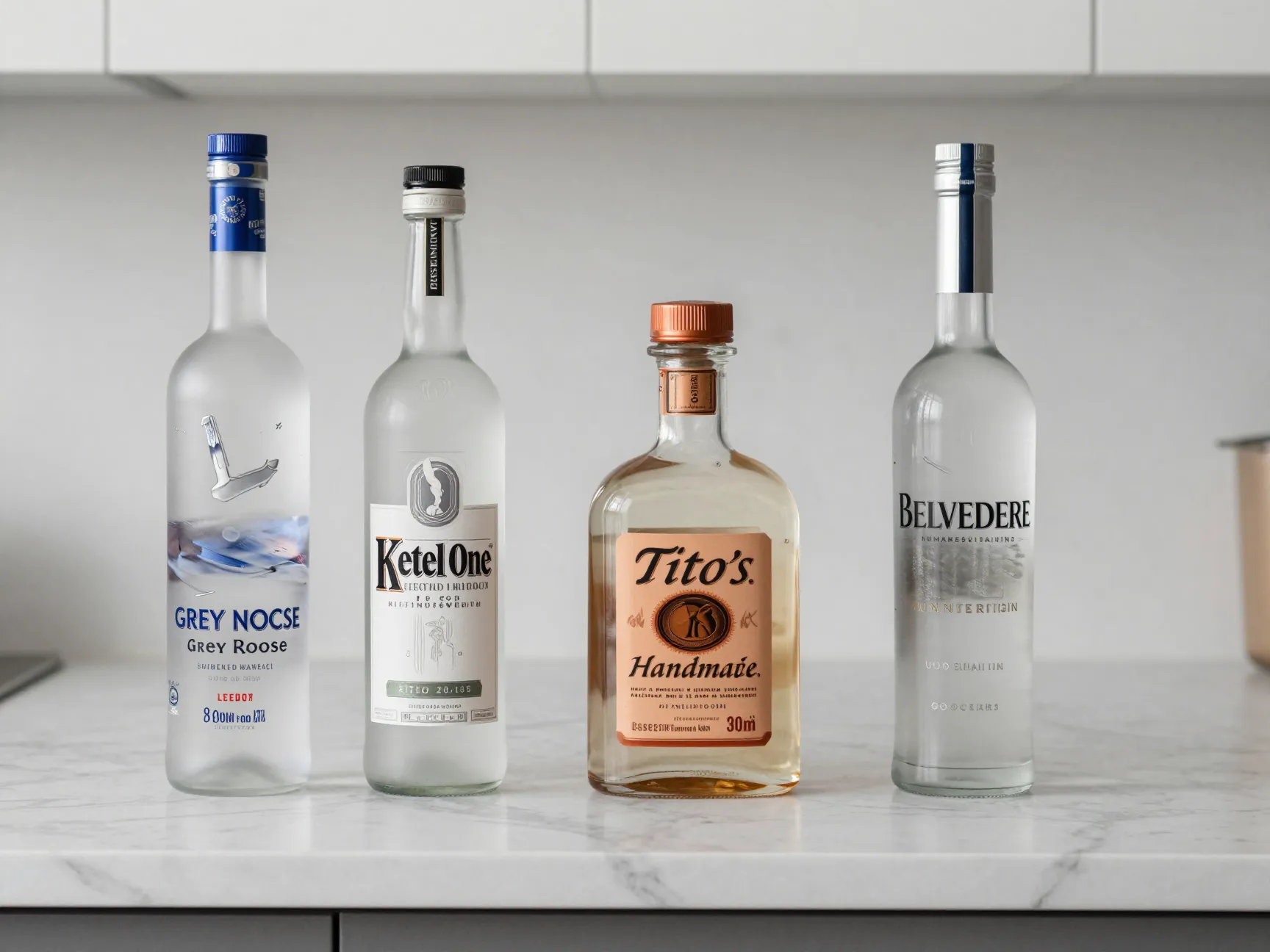
Measurement: 1.5 to 2 oz
Vodka is the backbone of every espresso martini. It provides the alcoholic structure without competing with the coffee flavors. Most expert sources recommend 1.5 to 2 oz as the standard pour, giving the drink enough spirit-forward character without overwhelming the espresso [1][3].
What to look for in a vodka:
- Clean, neutral flavor profile
- Smooth finish with no harsh burn
- Mid-to-premium price range (cheap vodka introduces off-flavors)
Top picks:
| Brand | Why It Works |
|---|---|
| Grey Goose | Ultra-smooth, neutral finish |
| Ketel One | Slightly creamy mouthfeel |
| Tito’s Handmade | Great value, clean profile |
| Belvedere | Premium choice for special occasions |
💡 Pro Tip: Do not use . Vanilla or caramel vodkas might seem like a shortcut, but they muddy the clean coffee profile you are building.
2. Fresh Espresso — The Heart of the Drink
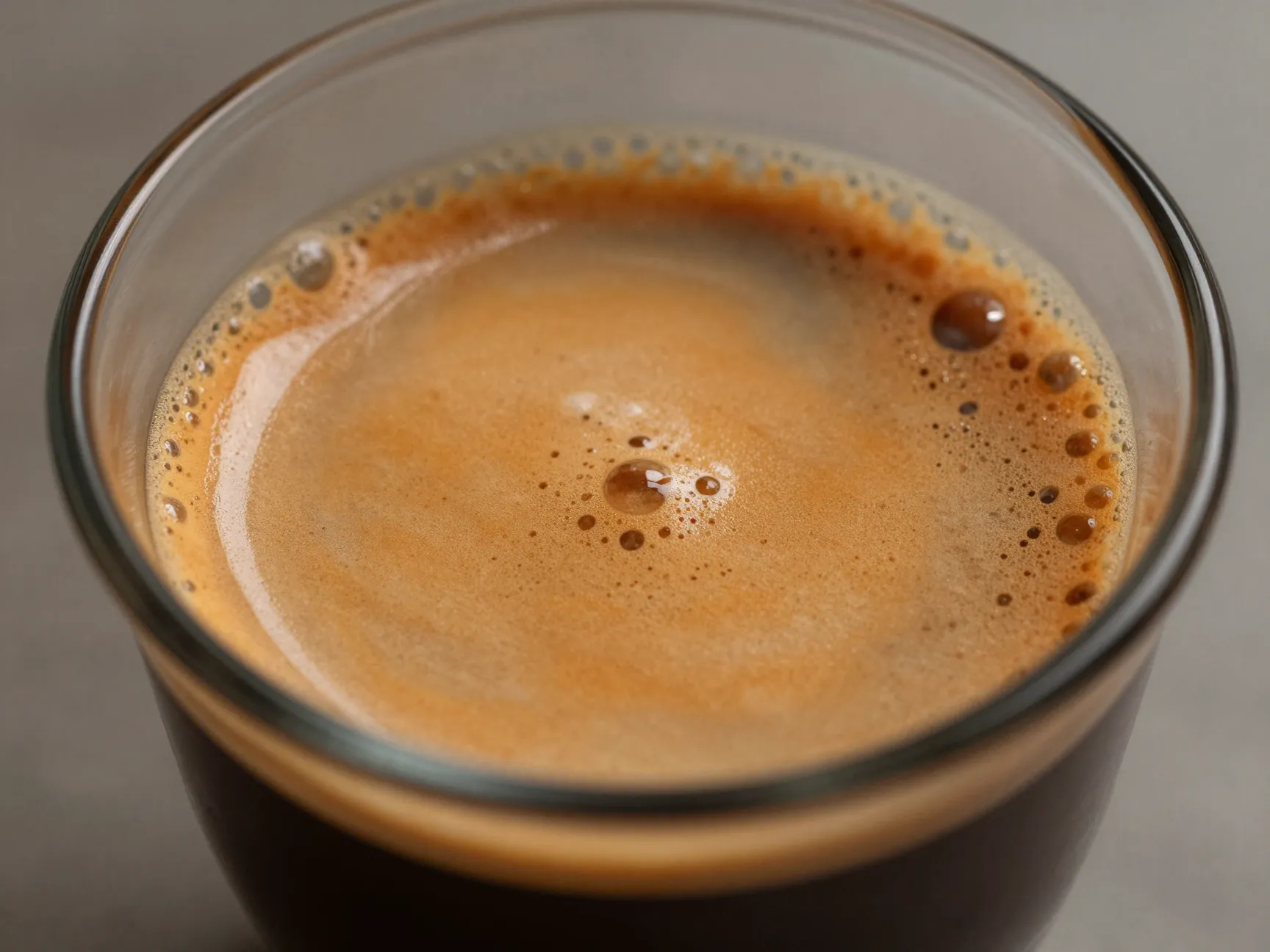
Measurement: 1 oz (freshly pulled)
If there is one ingredient you absolutely cannot substitute without consequence, it is fresh espresso. Multiple expert sources are emphatic on this point: freshly pulled espresso from an creates the signature crema and coffee oils that are entirely responsible for the drink’s iconic foam layer [1][7].
When espresso hits the ice in a shaker and gets vigorously shaken, those oils emulsify and rise to the top of the glass, forming the thick, velvety foam that makes the espresso martini so visually stunning.
Why regular brewed coffee fails:
- lacks the concentration and oils needed for foam
- It dilutes the drink without adding flavor depth
- The resulting cocktail tastes flat and watery
The ideal espresso shot:
- Pulled 30 to 60 seconds before shaking (not ice cold, not piping hot)
- Dark to medium-dark roast for maximum flavor
- Approximately 1 oz / 30 ml volume
🔑 Key Insight: The espresso shot is where the foam comes from. No fresh espresso = no foam. It is that simple.
3. Coffee Liqueur — Depth and Sweetness in One Bottle
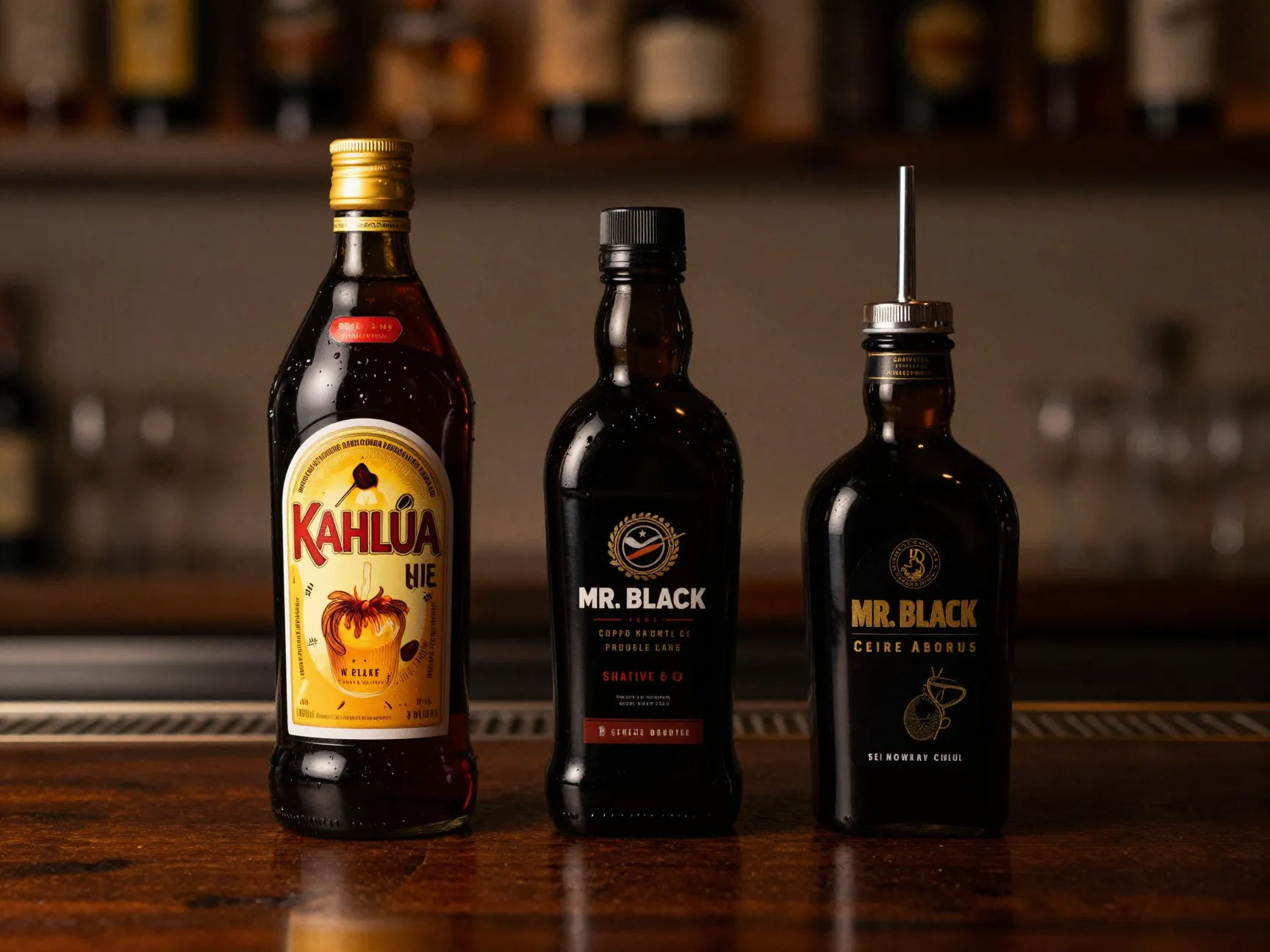
Measurement: 0.5 to 1 oz
does two jobs simultaneously: it adds sweetness and it deepens the coffee flavor profile. The two most recommended brands among professional bartenders are Kahlúa and Mr. Black [1][2].
Kahlúa vs. Mr. Black — What’s the Difference?
| Feature | Kahlúa | Mr. Black |
|---|---|---|
| High | Low-Medium | |
| Coffee Intensity | Moderate | Very High |
| ABV | 20% | 25% |
| Best For | Classic, sweeter espresso martinis | Spirit-forward, complex cocktails |
Mr. Black is made from coffee and Australian wheat vodka, giving it a significantly more intense coffee character [4]. If you want a more sophisticated, less sweet drink, Mr. Black is the better choice. If you want the classic, familiar espresso martini flavor, Kahlúa is your go-to.
4. Simple Syrup — The Balancing Act
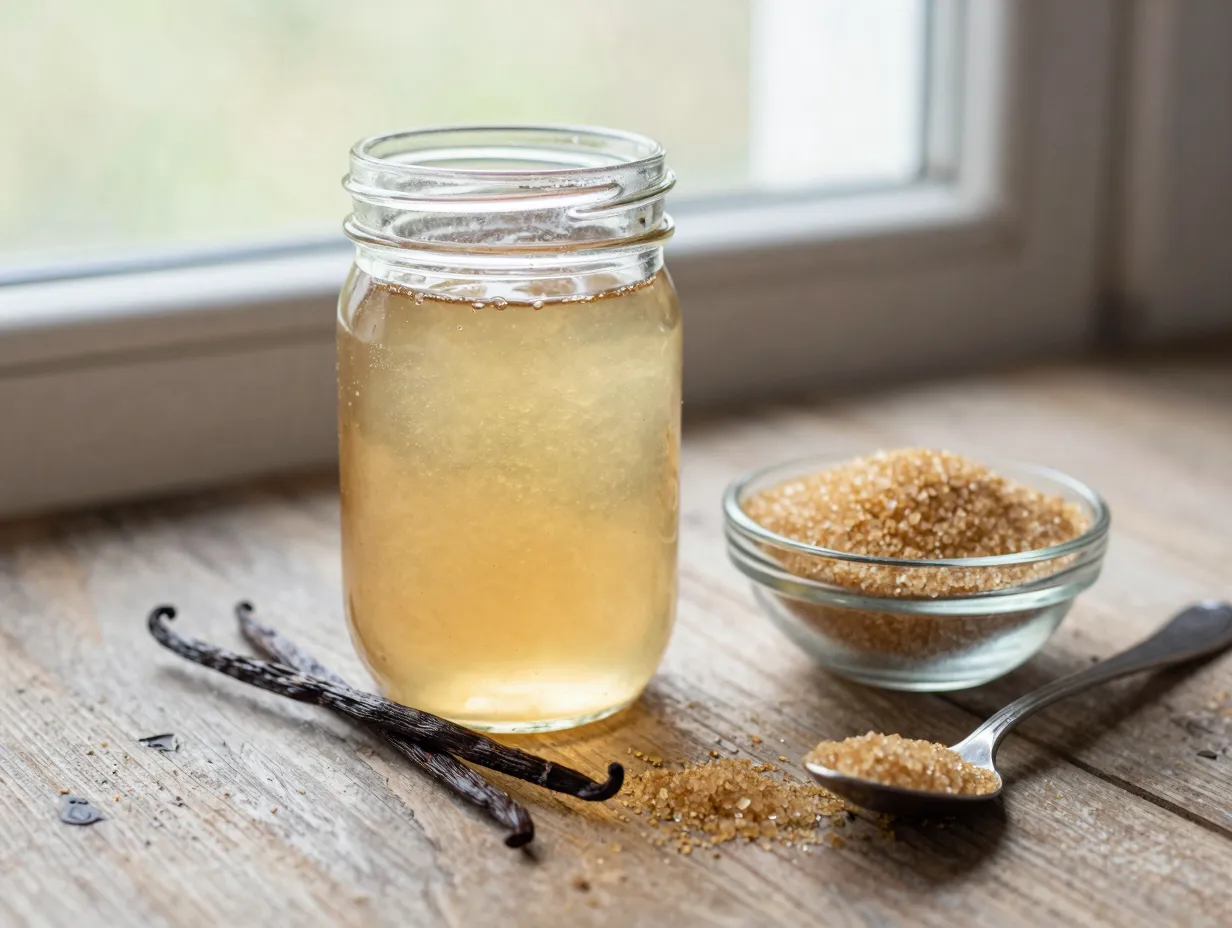
Measurement: 0.5 oz (adjust to taste)
Espresso is inherently bitter, and vodka is sharp. Simple syrup is the quiet peacemaker that brings the whole drink into balance [3][4]. Without it, the cocktail can taste harsh and one-dimensional.
How to make simple syrup at home:
- Combine equal parts sugar and water in a small saucepan
- Heat gently, stirring until sugar dissolves completely
- Cool and store in a sealed bottle in the refrigerator (lasts up to 4 weeks)
Variations worth trying:
- Vanilla simple syrup — adds warmth and rounds out the coffee bitterness
- Demerara syrup — uses raw sugar for a richer, more caramel-like sweetness
- Honey syrup — a 1:1 honey-to- for a floral sweetness
⚠️ Watch Out: If you are using Mr. Black (lower sugar content) instead of Kahlúa, you may want to increase simple syrup slightly to compensate.
5. Ice — The Unsung Hero
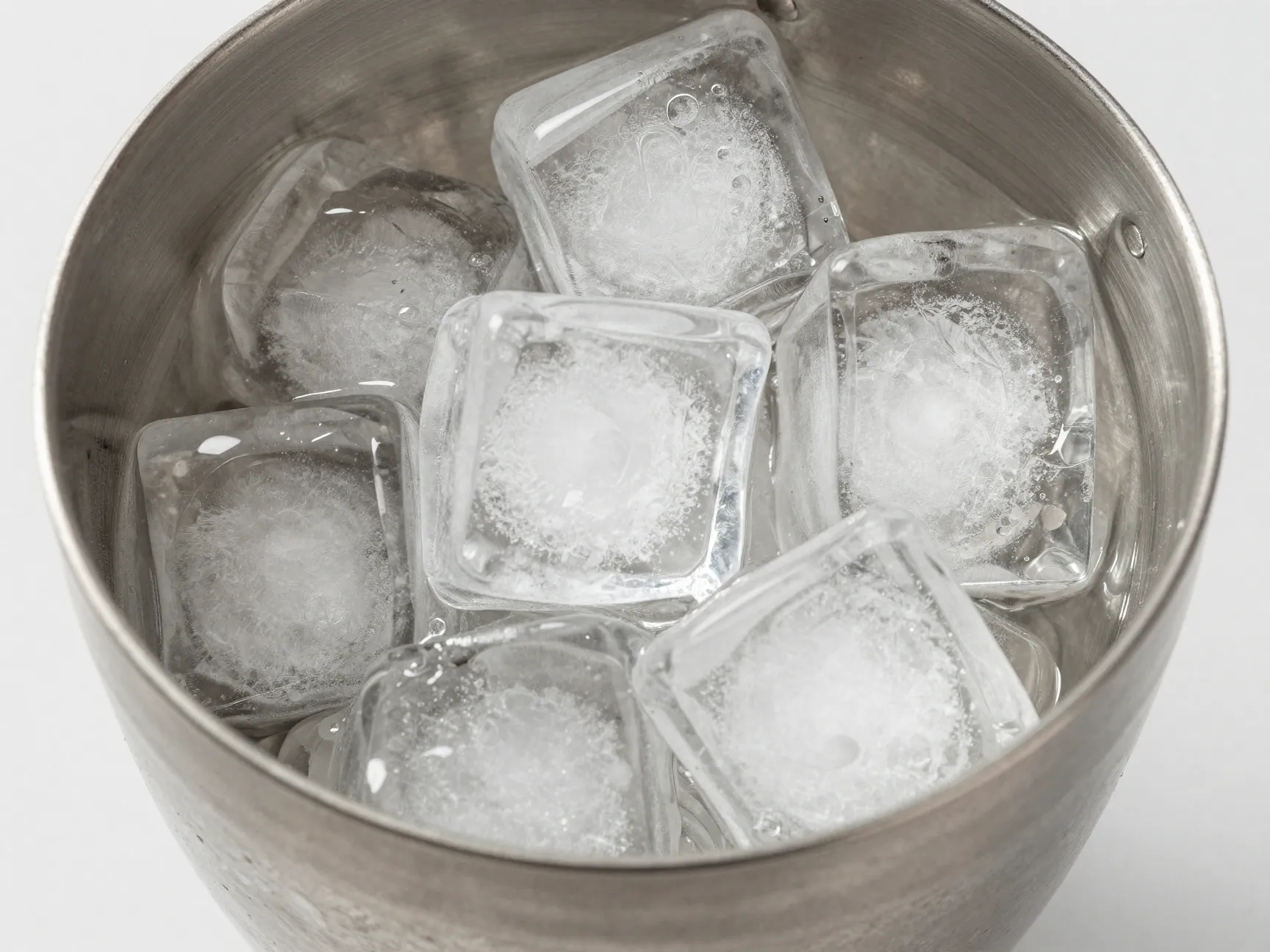
Measurement: Enough to fill your shaker
Ice is not a glamorous ingredient, but it is absolutely essential. The ice in your shaker serves two purposes: it chills the drink rapidly and it provides the physical force needed to emulsify the coffee oils during shaking [1].
What kind of ice to use:
- Large, dense ice cubes are ideal — they chill without over-diluting
- Avoid crushed ice in the shaker (it melts too fast and waters down the drink)
- Always use fresh ice, not freezer-burned cubes that carry off-flavors
The drink is served straight up (no ice in the glass), so the shaker ice is doing all the work of chilling before it is strained out.
6. Coffee Liqueur Alternative — Cold Brew Concentrate
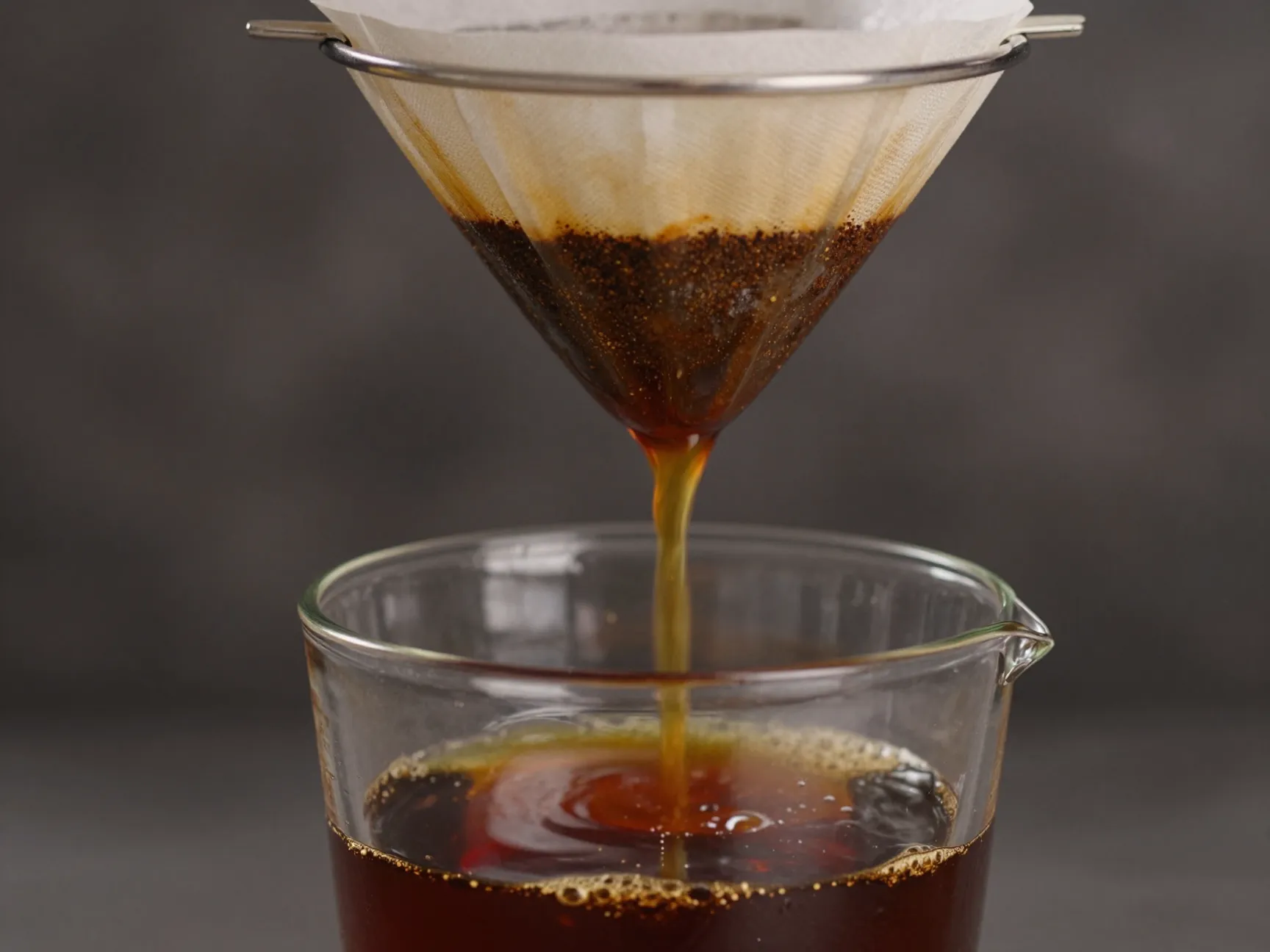
Measurement: 0.5 oz (as a partial or full substitute)
When no espresso machine is available, cold brew concentrate is the most viable alternative to fresh espresso [2]. It is not a perfect substitute — you will lose some of the foam-generating coffee oils — but it produces a more robust, complex flavor than regular brewed coffee.
Cold brew concentrate is also worth adding alongside your espresso shot if you want an extra-intense coffee flavor. Some bartenders use a 50/50 split of fresh espresso and cold brew concentrate to get the best of both worlds.
Quick cold brew concentrate recipe:
- Combine 1 cup coarse ground coffee with 4 cups cold water
- Steep in the refrigerator for 12 to 24 hours
- Strain through a fine mesh filter or cheesecloth
- Use within 2 weeks
7. Amaro or Specialty Liqueur — The Complexity Upgrade

Measurement: 0.25 oz (a small splash)
This is where the espresso martini starts to get interesting. Some bartenders add a small measure of amaro — a bitter Italian herbal liqueur — or other specialty liqueurs to add layers of complexity [6]. This is not in every recipe, but it is a powerful tool for creating a more sophisticated, bar-quality cocktail.
Popular additions:
- Amaro Nonino — adds herbal bitterness and a honeyed sweetness
- Fernet-Branca — intensely bitter, mint-forward, for adventurous palates
- Amaretto — adds almond sweetness, pairs beautifully with dark espresso
- Baileys Irish Cream — creates a creamier, dessert-style variation
💬 “A small pour of amaro transforms the espresso martini from a two-note drink into a full chord.” — Bartending philosophy shared across multiple craft cocktail communities.
8. Three Espresso Beans — The Classic Garnish
Measurement: 3 beans, placed on the foam
The three espresso beans floating on the foam are more than decoration — they are a traditional garnish with symbolic meaning [1][6]. In Italian , three beans represent health, happiness, and prosperity. They also add a subtle aromatic element as you sip the cocktail, with the nose catching the roasted coffee scent before the drink hits your lips.
:
- Use whole, dry-roasted espresso beans (not chocolate-covered)
- Place them in a small triangle or line on top of the foam after pouring
- Press them gently onto the foam — do not drop them from height or they will sink
The Secret 9th Ingredient: Saline Solution 🧂
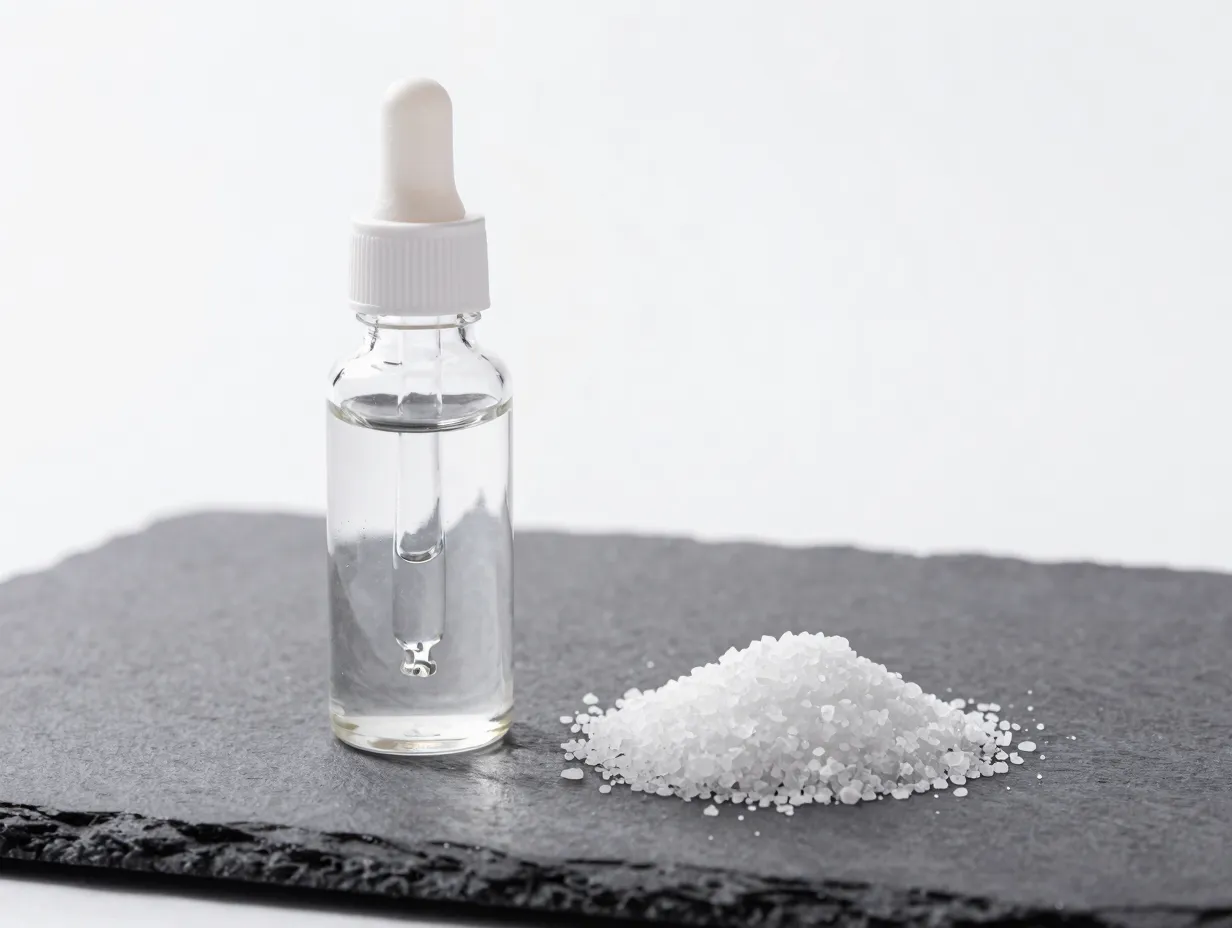
This is the ingredient that separates home bartenders from professional ones. Saline solution — a simple mixture of salt and water — is the most frequently cited “secret weapon” among expert bartenders, and it is the key to unlocking the full flavor potential of the 8 Essential Espresso Martini Ingredients & The Secret 9th You Need [2][5].
Why salt in a cocktail?
Salt does not make the drink taste salty. In very small quantities, it suppresses bitterness, enhances sweetness, and rounds out the overall flavor profile. It is the same reason a pinch of salt in baking chocolate chip cookies makes them taste more chocolatey — salt amplifies flavor without announcing itself.
How to make saline solution:
- Mix 1 part salt with 5 parts water (a 20% salt solution)
- Stir until fully dissolved
- Store in a small dropper bottle
How to use it:
- Add just 1 to 2 drops per cocktail
- Add it directly to the shaker with the other ingredients
- Taste and adjust — less is more
🔑 The Science: Salt ions suppress bitter taste receptors on the tongue, which means the coffee bitterness recedes and the sweeter, more complex notes of the espresso and liqueur come forward. The result is a more balanced, layered drink.
Some bartenders also add a small measure of aged rum — such as El Dorado 12 Year — alongside the saline solution for floral vanilla notes and additional natural sweetness [2]. This makes the drink more spirit-forward and complex, and it pairs exceptionally well with the saline solution’s flavor-enhancing properties.
The Complete Espresso Martini Recipe (With All 9 Ingredients)
Here is the full recipe incorporating all the ingredients covered above:
Ingredients:
- 1.5 oz vodka
- 1 oz fresh espresso (pulled 30-60 seconds before shaking)
- 0.75 oz coffee liqueur (Kahlúa or Mr. Black)
- 0.5 oz simple syrup
- 0.25 oz cold brew concentrate (optional, for extra depth)
- 0.25 oz amaro (optional, for complexity)
- 1-2 drops saline solution ⬅️ the secret 9th ingredient
- Ice (to fill shaker)
- 3 espresso beans (garnish)
Method:
- Pull your espresso shot and allow it to rest for 30 to 60 seconds.
- Add ice to your cocktail shaker until it is two-thirds full.
- Add vodka, espresso, coffee liqueur, simple syrup, and saline solution.
- Shake vigorously for 10 to 15 seconds — this is critical [7][1].
- Double-strain into a chilled coupe or martini glass.
- Garnish with three espresso beans on the foam.
Why Shaking Technique Is Just as Important as Ingredients
You can have every single ingredient perfect and still ruin an espresso martini with weak shaking. Vigorous shaking for 10 to 15 seconds is the step where most people go wrong [7][1].
Here is what happens during a proper shake:
- The coffee oils from the fresh espresso emulsify with the liquid
- The ice rapidly chills the drink to the ideal
- Air is incorporated into the mixture, creating the foam layer
- The saline solution distributes evenly throughout the drink
Shaking tips:
- Use both hands and shake with full-body effort — not a gentle wrist flick
- Shake for a full 10 to 15 seconds without stopping
- You should feel the shaker get very cold in your hands — that is the signal it is ready
- Double-strain through a fine mesh strainer to catch ice chips and
⚠️ Common Mistake: Shaking for only 3 to 5 seconds produces a flat drink with little to no foam. The foam is built during shaking — it does not appear by magic.
Espresso Martini Variations Worth Trying in 2026
Once you have mastered the classic recipe, these variations are worth exploring:
1. Aged Rum Espresso Martini
Replace 0.5 oz of vodka with El Dorado 12 Year aged rum for floral, vanilla-forward complexity [2].
2. Spiced Espresso Martini
Add a small dash of cardamom bitters and use a cinnamon-infused simple syrup.
3. Martini
Add 0.5 oz of Baileys Irish Cream for a dessert-style, velvety variation.
4. Mezcal Espresso Martini
Replace vodka entirely with a smoky mezcal for a bold, unexpected flavor pairing.
5. Decaf Espresso Martini
Use decaf espresso for a late-night version that delivers all the flavor without the caffeine.
Common Espresso Martini Mistakes to Avoid
| Mistake | Why It Matters | Fix |
|---|---|---|
| Using drip coffee | No oils = no foam | Use fresh espresso only |
| Under-shaking | Flat drink, no foam layer | Shake 10-15 seconds hard |
| Skipping saline | Bitter, unbalanced flavor | Add 1-2 drops saline solution |
| Using cheap vodka | Off-flavors compete with espresso | Use mid-to-premium vodka |
| Warm glass | Foam collapses quickly | Chill glass in freezer for 10 min |
| Too much simple syrup | Overly sweet, cloying finish | Start with 0.5 oz, taste and adjust |
Conclusion: Build Your Perfect Espresso Martini
The espresso martini is deceptively simple on the surface — a few ingredients, a shaker, a glass. But the difference between a mediocre version and a truly exceptional one comes down to understanding why each component matters. From the fresh espresso that generates the foam, to the coffee liqueur that adds depth, to the saline solution that makes every other flavor sing — each of the 8 Essential Espresso Martini Ingredients & The Secret 9th You Need plays a specific, irreplaceable role.
Your actionable next steps:
- Make your saline solution today — mix 1 part salt with 5 parts water and store it in a dropper bottle. This single step will immediately improve every espresso martini you make.
- Invest in a quality coffee liqueur — if you have been using a generic brand, try Mr. Black for a more complex, less sweet result.
- Practice your shake — time yourself for a full 15 seconds and notice the difference in foam quality.
- Chill your glass — put it in the freezer for 10 minutes before you pour.
- Experiment with aged rum — add just 0.25 oz alongside your vodka and taste the difference.
The perfect espresso martini is within reach. You now have everything you need to make it.
References
[1] Espresso Martini 101 – https://slowlysd.com/news/espresso-martini-101/
[2] Wa Bartenders Great Espresso Martini Tricks – https://vinepair.com/articles/wa-bartenders-great-espresso-martini-tricks/
[3] Espresso Martini – https://www.delish.com/cooking/a36356671/espresso-martini/
[4] Espresso Martini – https://www.mrblack.co/en-us/cocktails/espresso-martini
[5] Video Guide Espresso History Secrets And The Best Coffee To Use – https://volcanicacoffee.com/blogs/news/video-guide-espresso-martini-recipe-history-secrets-and-the-best-coffee-to-use
[6] National Martini Day Espresso Martini Recipes – https://chilledmagazine.com/national-martini-day-espresso-martini-recipes/
[7] Watch – https://www.youtube.com/watch?v=7RYAR9FfQ90