How to Make a Good Coffee: 9 Essential Tips for a Perfect Cup
Over 400 billion cups of coffee are consumed worldwide every year — yet most people have never been taught the basic science behind why their morning brew tastes flat, bitter, or just okay. The gap between a mediocre cup and a genuinely great one is not expensive equipment or . It comes down to a handful of repeatable, evidence-backed habits. In this guide on how to make a good coffee: 9 essential tips for a perfect cup, I’ll walk you through every variable that matters — from water temperature and grind size to equipment cleaning and measurement precision — so you can brew café-quality coffee at home, every single time.
Disclosure: This post contains affiliate links. As an Amazon Associate, we earn from qualifying purchases, and at no extra cost to you.

Key Takeaways ☕
- The golden ratio of 1–2 tablespoons of ground coffee per 6 ounces of water (or 1:15–1:17 by weight) is the single most impactful adjustment most home brewers can make.
- Water temperature must sit between 195°F and 205°F — too hot or too cool and extraction suffers dramatically.
- Bean freshness matters more than brand: beans roasted within the last two weeks taste significantly better.
- Grind size must match your brew method — coarse for French press, medium-fine for pour-over, medium for drip.
- A kitchen scale removes guesswork and makes repeatable, not accidental.
Why Most Home Coffee Falls Short (And How These 9 Tips Fix It)
Most people blame their when the real culprits are invisible: stale beans, wrong water temperature, eyeballed measurements, and a dirty machine. The good news? Every one of these problems is fixable today, without spending a dollar on new gear. Let’s go through each tip systematically.
How to Make a Good Coffee: 9 Essential Tips for a Perfect Cup
1. Start With Fresh, Quality Beans
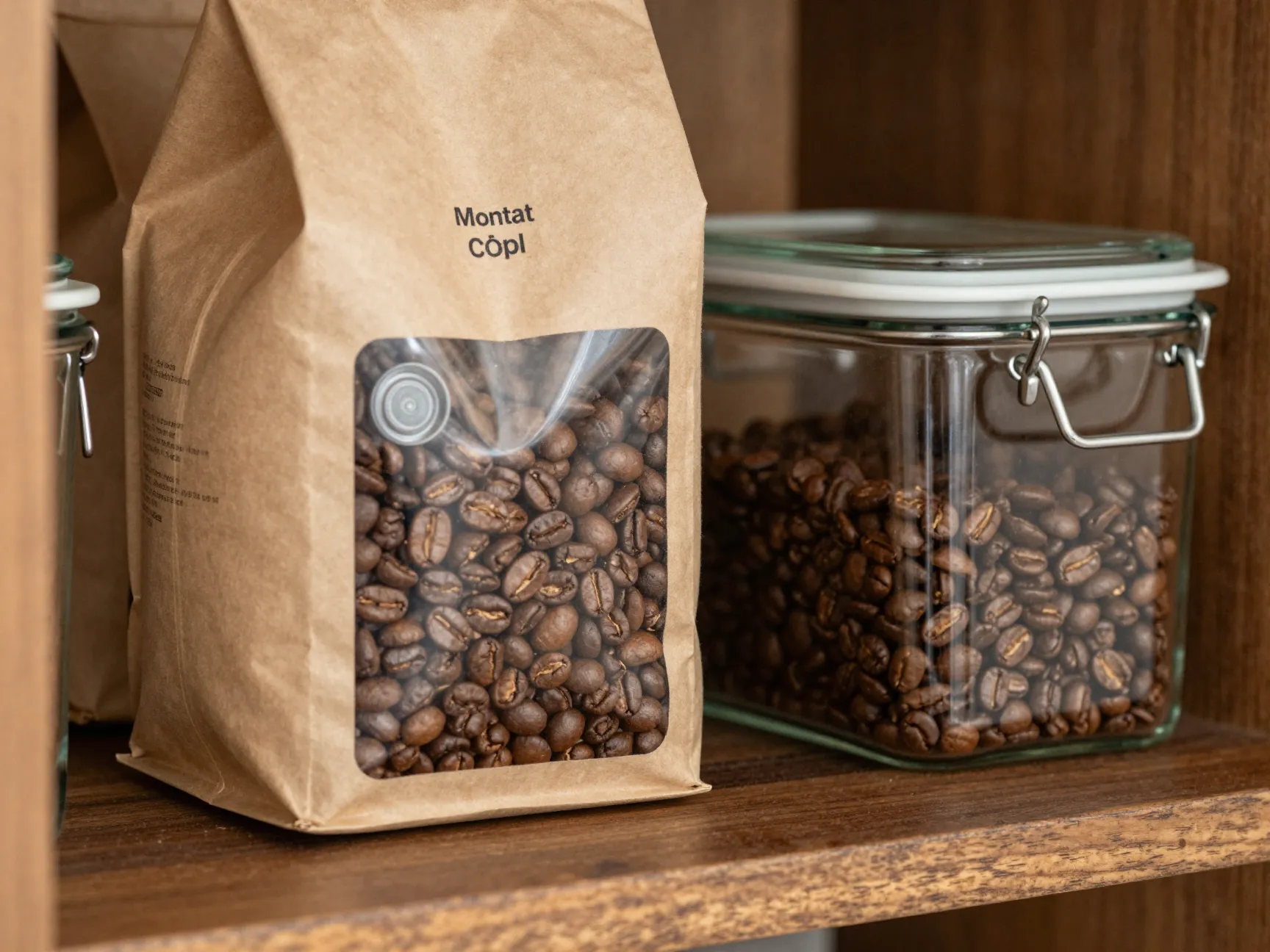
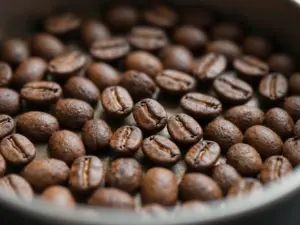
The single biggest upgrade most home brewers can make costs nothing extra — it just requires timing. taste best when used within two weeks of their roast date [2]. After that window, the natural oils and aromatic compounds that give coffee its complexity begin to degrade rapidly through oxidation.
Here’s what to look for when buying beans:
- ✅ A clearly printed roast date (not a “best by” date)
- ✅ Beans sourced from a local roaster or specialty supplier
- ✅ Packaging with a one-way degassing valve (keeps oxygen out)
- ❌ Avoid pre-ground coffee sitting on a supermarket shelf for months
💡 Pro Tip: Buy smaller quantities more frequently rather than a large bag that sits for weeks. Freshness is not a luxury — it’s the foundation of good coffee.
Once you have fresh beans, store them in an airtight container away from light, heat, and moisture [2]. A dark pantry shelf works perfectly. Avoid the freezer for daily-use beans — the condensation cycle damages flavor.
2. Use Filtered Water (And Get the Minerals Right)
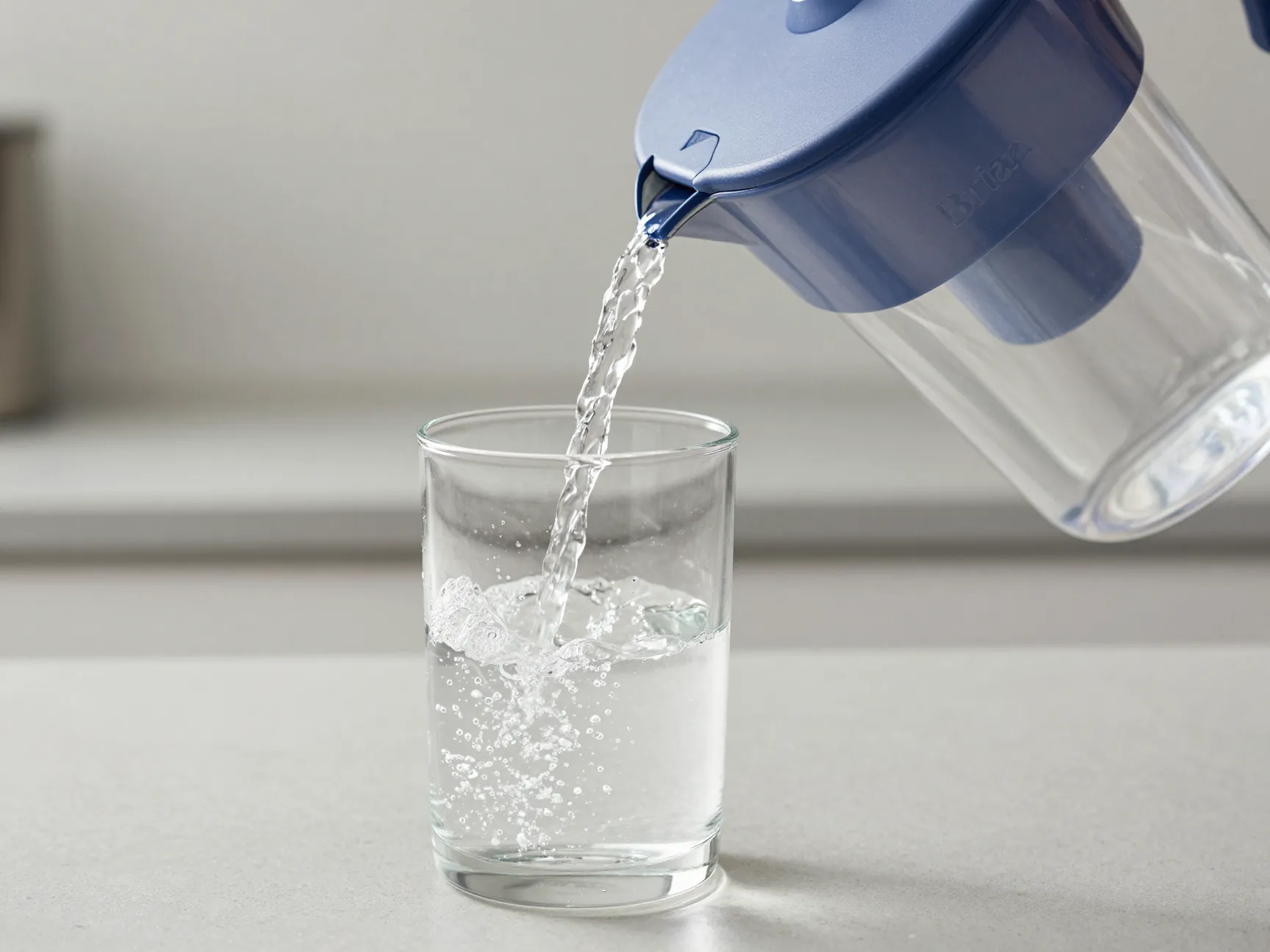
Coffee is approximately 98% water, which means water quality is not a minor detail — it’s the primary ingredient. Use filtered or bottled spring water for brewing, and avoid two extremes: tap water with chlorine or off-flavors, and softened or distilled water [1][2].
Why avoid distilled water? Because minerals like magnesium and calcium are essential for proper extraction. They act as carriers that bond with flavor compounds in the coffee grounds and pull them into your cup. Without them, even perfect beans will taste flat and lifeless.
| Water Type | Effect on Coffee |
|---|---|
| Filtered tap water | ✅ Ideal — balanced minerals, no chlorine |
| Bottled spring water | ✅ Good — consistent mineral content |
| Tap water (unfiltered) | ⚠️ Variable — chlorine can add off-flavors |
| Distilled water | ❌ Poor — no minerals, flat extraction |
| Softened water | ❌ Poor — sodium replaces beneficial minerals |
A simple carbon filter pitcher (like a Brita) is enough to transform most tap water into a solid brewing base [3].
3. Nail the Golden Ratio Every Time
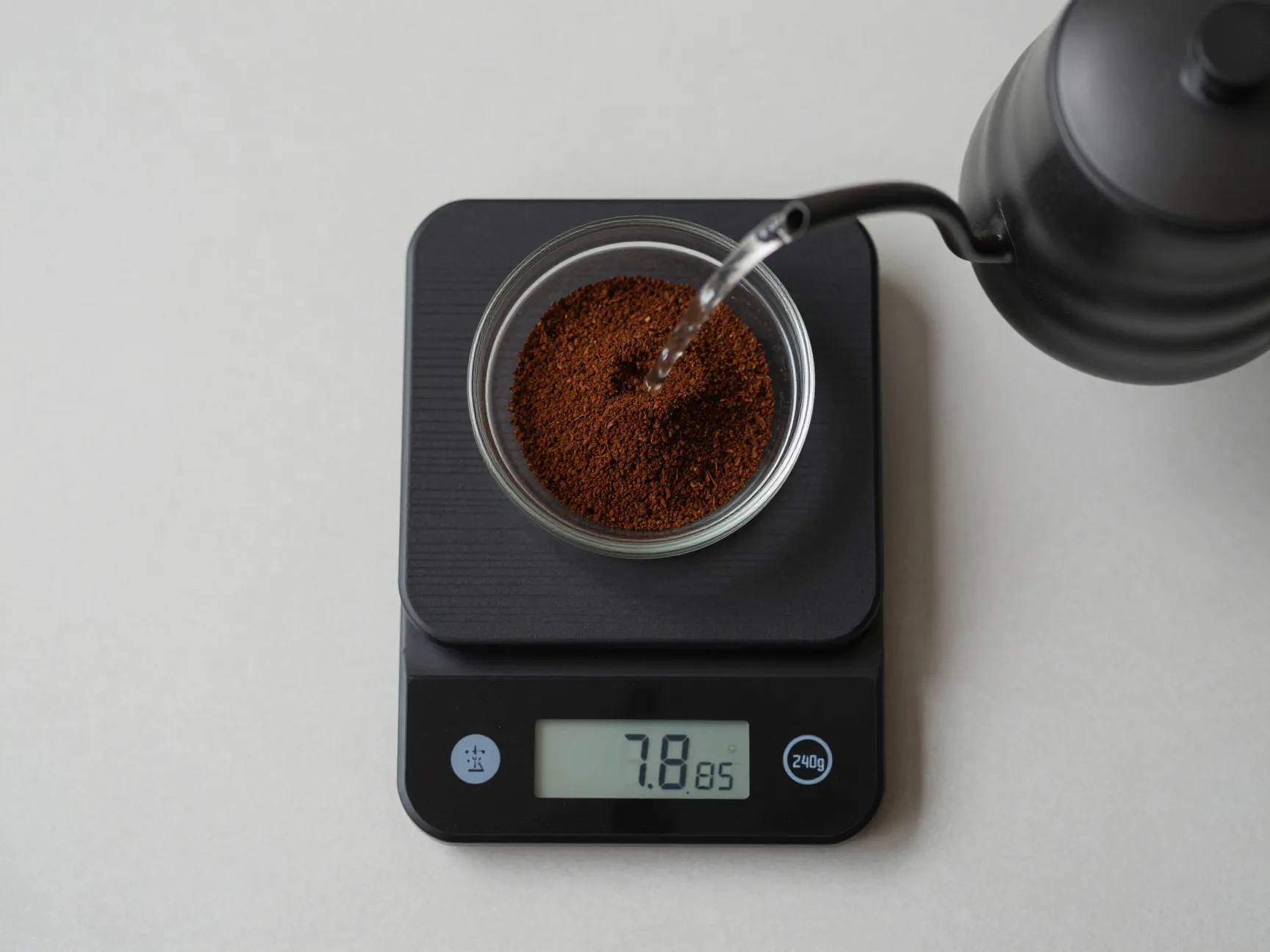
Eyeballing coffee grounds is the most common reason home brews are inconsistent. The golden ratio is 1 to 2 tablespoons of ground coffee per 6 ounces of water, or more precisely, a 1:15 to 1:17 coffee-to- by weight [1][2].
Here’s a quick reference table:
| Coffee (grams) | Water (grams) | Ratio | Flavor Profile |
|---|---|---|---|
| 15g | 225g | 1:15 | Strong, bold |
| 15g | 240g | 1:16 | Balanced, classic |
| 15g | 255g | 1:17 | Lighter, brighter |
The tablespoon method works as a starting point, but using a kitchen scale gives you repeatable precision [2]. Once you find your preferred ratio, a scale means you can replicate it perfectly every single morning — no more guessing.
“The difference between a good cup and a great cup is often just 2 grams of coffee or water. A scale makes that precision effortless.”
4. Grind Fresh — and Match the Grind to Your Method
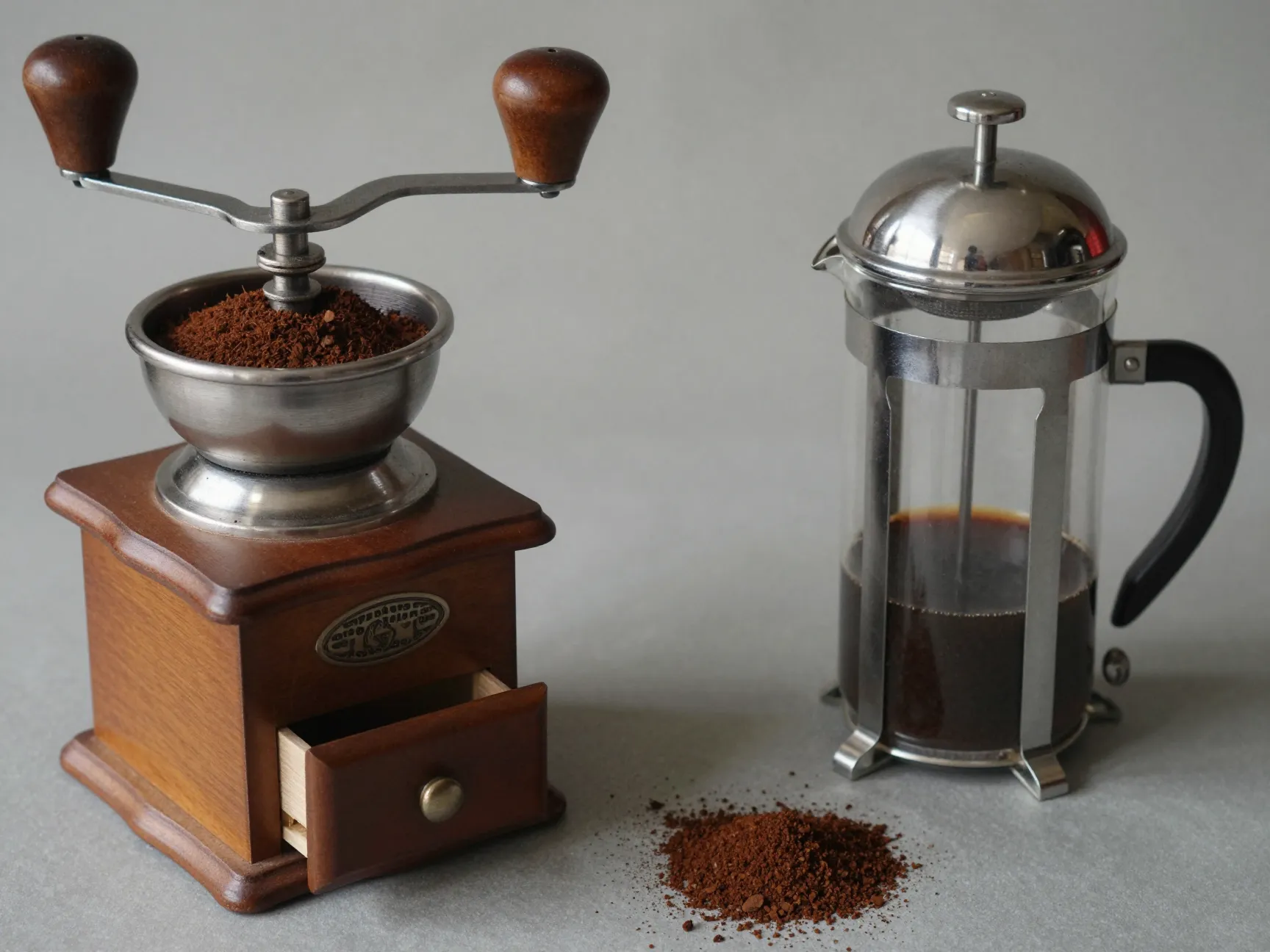
Pre-ground coffee loses 60% of its aroma within 15 minutes of grinding. Grinding fresh, immediately before brewing, is one of the highest-impact habits you can build. But grind size is equally critical — the wrong grind for your brew method causes either bitter over-extraction or sour under-extraction [1][3].
Here’s the grind size guide by method:
- French Press → Coarse grind (similar to breadcrumbs) [1][3]
- Pour-Over → Medium-fine grind [1][4]
- Drip Coffee Maker → Medium grind (similar to table salt) [1][2]
- Espresso → Fine grind (like powdered sugar)
- → Extra coarse grind
A burr grinder produces a far more uniform grind than a blade grinder, which chops beans unevenly and creates a mix of fine dust and large chunks — a recipe for inconsistent extraction [6]. If you’re serious about improving your coffee, a burr grinder (even an affordable hand grinder) is the best equipment investment you can make.
5. Control Your Water Temperature Precisely
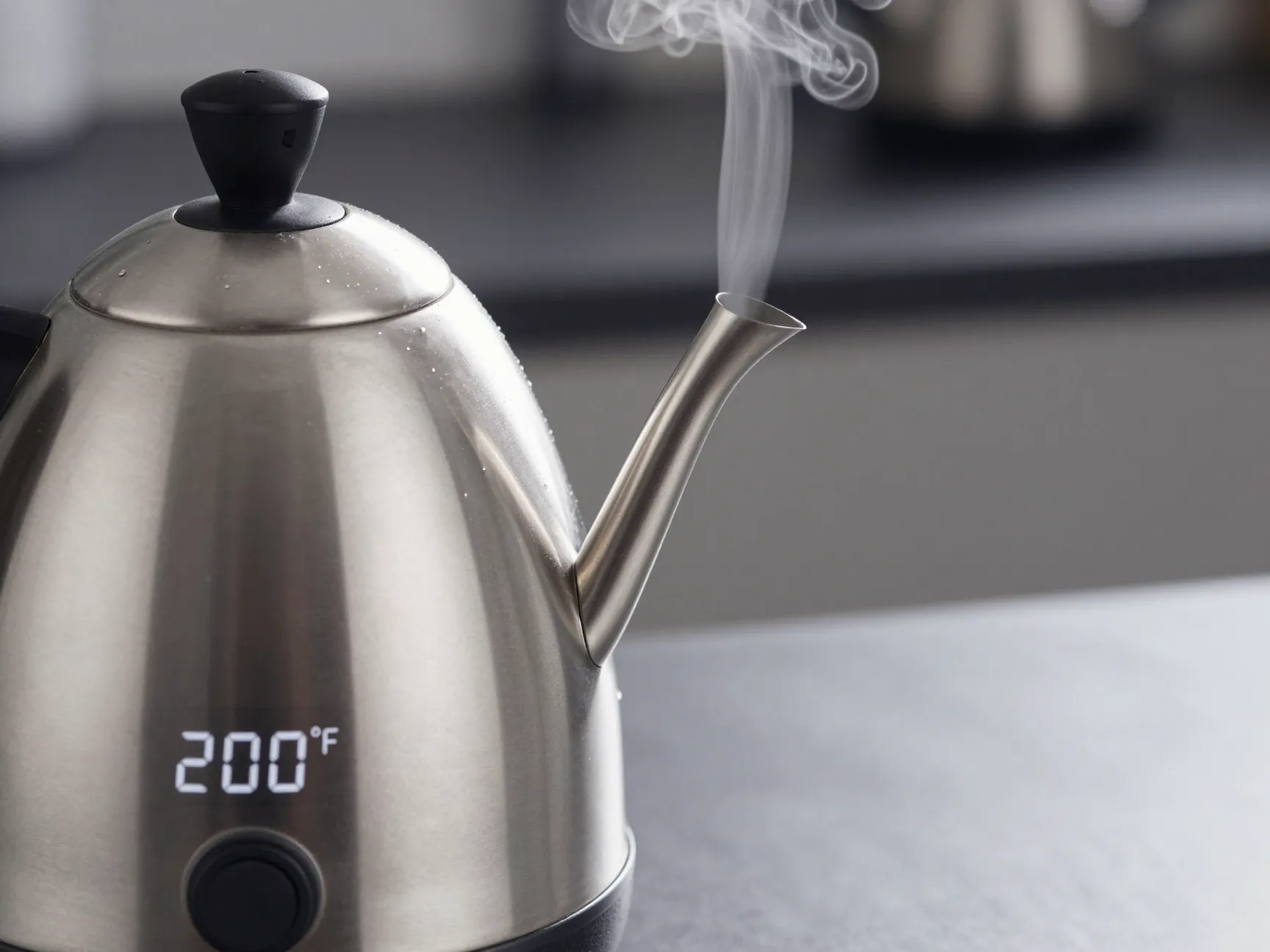
Water temperature is the throttle of . Brew between 195°F and 205°F (90°C–96°C) — roughly 45 seconds after a full boil [1][3][4].
- Too hot (above 205°F): Over-extracts bitter compounds, making coffee harsh and astringent
- Too cool (below 195°F): Under-extracts, leaving coffee sour, weak, and underdeveloped
- Sweet spot (195°F–205°F): Extracts the full spectrum of sugars, acids, and aromatic compounds
If you don’t own a thermometer, the “45-second rule” is a reliable shortcut: boil your water, then wait 45 seconds before pouring. This brings most boiling water (212°F) down into the ideal range [1].
For those who brew regularly, a variable-temperature gooseneck kettle is a worthwhile investment. It lets you dial in an exact temperature and maintain it during the pour — particularly important for pour-over brewing where consistency of pour matters.
6. Pre-Wet Your Grounds (The Bloom Step)
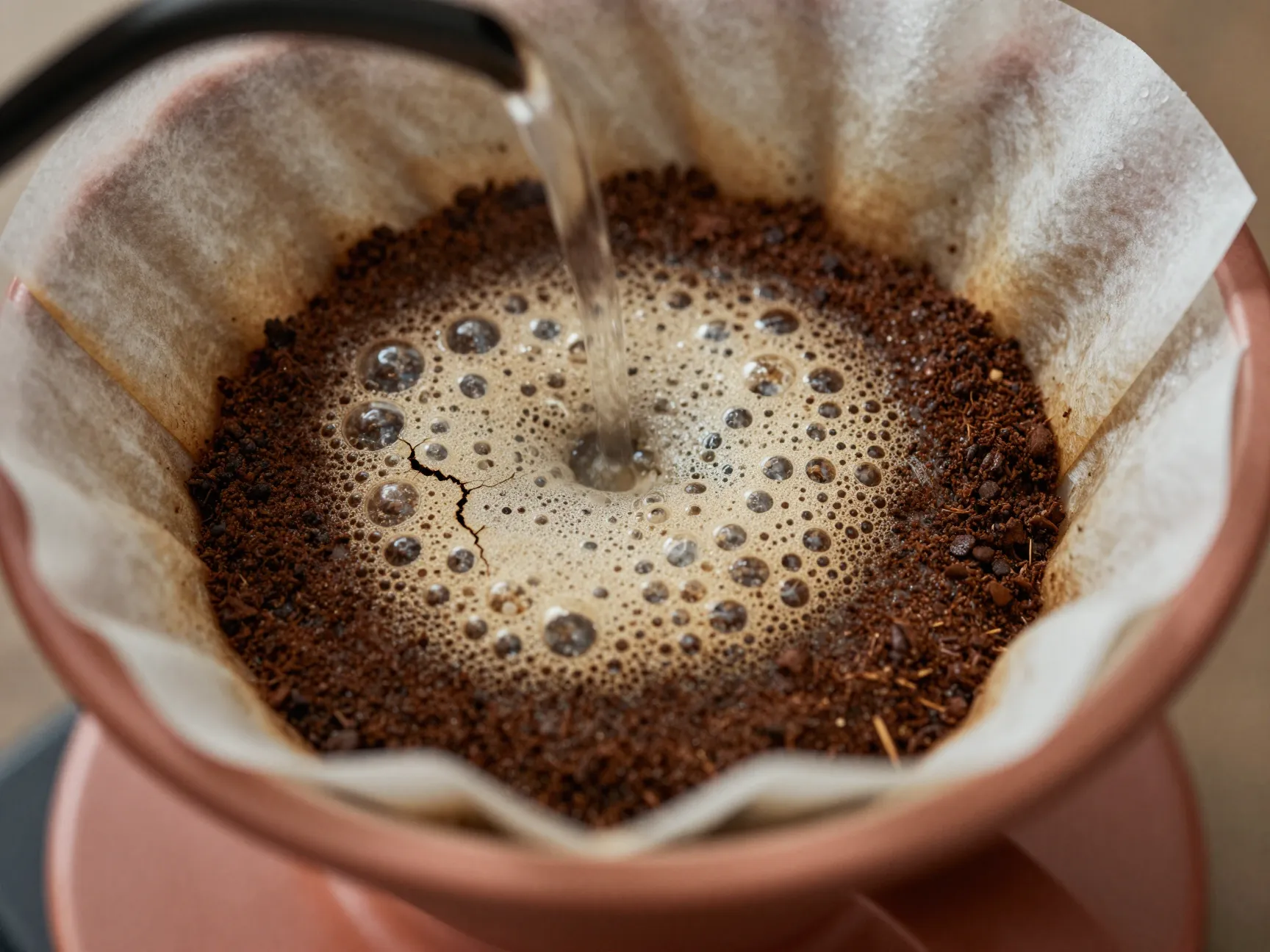
This step is skipped by most home brewers, yet it meaningfully improves extraction quality. Pre-wetting — also called “blooming” — involves pouring a small amount of hot water (about twice the weight of your coffee grounds) over the grounds and waiting 30–45 seconds before continuing [2][4].
What happens during the bloom? Fresh coffee beans are loaded with carbon dioxide (CO₂) from the roasting process. When CO₂ is still present in the grounds, it creates a barrier that prevents water from evenly saturating and extracting flavor. The bloom releases this gas, allowing the subsequent water to penetrate the grounds evenly and extract more completely [2].
How to bloom:
- Add your ground coffee to the filter or brewer
- Pour just enough hot water to saturate all the grounds (roughly 2× the coffee weight)
- Watch the grounds puff up and bubble — that’s CO₂ escaping ☁️
- Wait 30–45 seconds, then continue your pour
This step is especially impactful with freshly roasted beans, which contain the most CO₂. If your coffee doesn’t bloom much, that’s actually a sign the beans are getting stale.
7. Master Your Brew Method
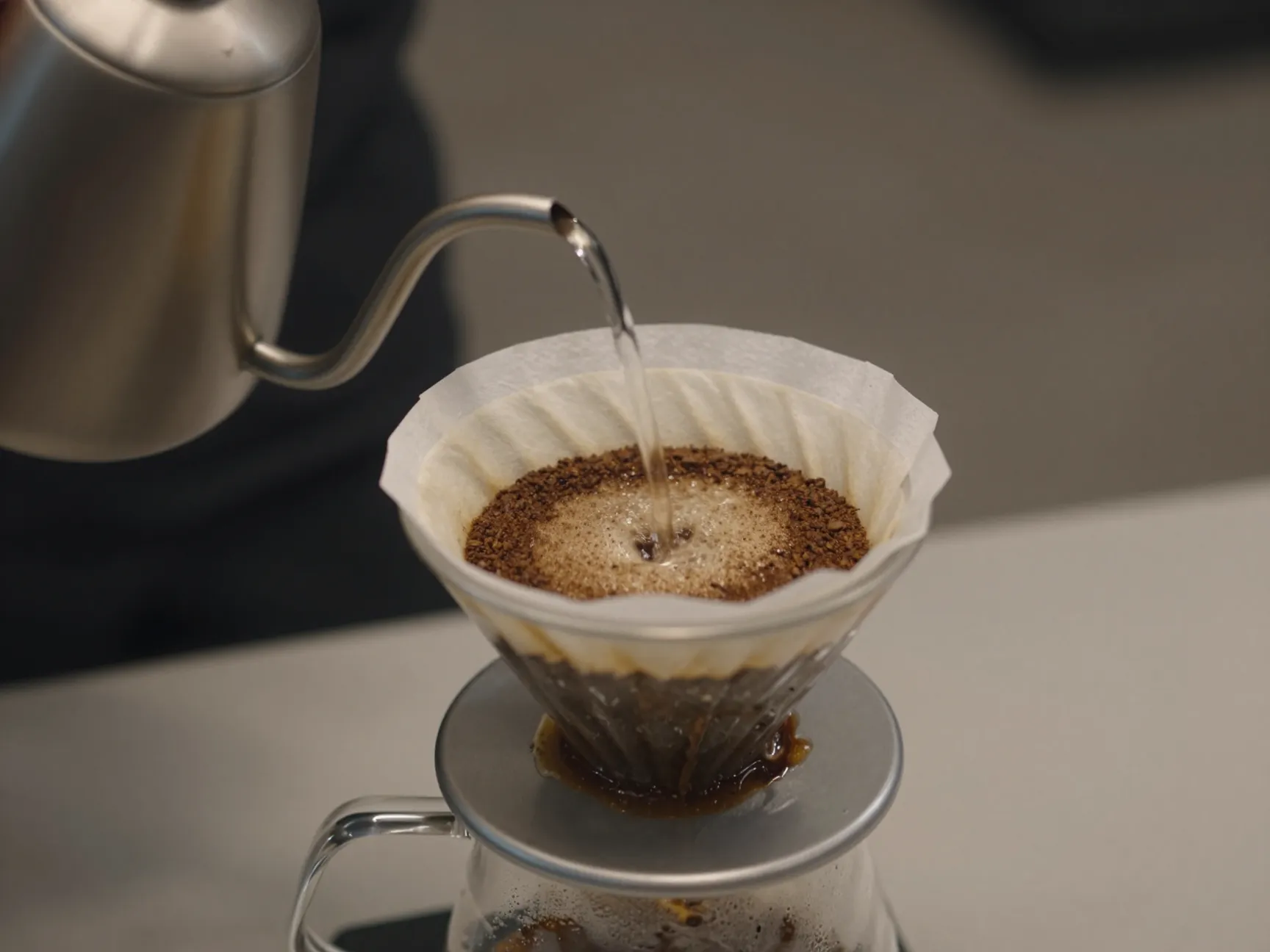
Understanding the specific technique for your chosen brew method is where the previous tips come together. Here’s how to execute three of the most popular home methods correctly:
☕ French Press
Use a coarse grind (like rough breadcrumbs) and steep for approximately 4 minutes [1][3]. After steeping, press the plunger down slowly and steadily — rushing causes fine particles to push through the filter and into your cup, creating a gritty, bitter result. Serve immediately after pressing; leaving coffee on the grounds continues extraction and turns it bitter.
☕ Pour-Over (V60, Chemex, Kalita)
Use a medium-fine grind and begin with a bloom pour [1][4]. After the 30–45 second bloom, pour water in slow, steady circles, keeping the water level consistent. Total brew time should be 3–4 minutes [1]. If it’s faster, your grind is too coarse; if slower, it’s too fine.
☕ Drip Coffee Maker
Use a medium grind (like table salt) for uniform flow through the filter [1][2]. One critical habit: turn off the machine immediately when brewing finishes [1]. Leaving coffee on a hot plate continues cooking it, burning off volatile aromatics and creating that stale, scorched flavor that makes infamous. Use a thermal carafe if possible.
8. Measure With a Kitchen Scale
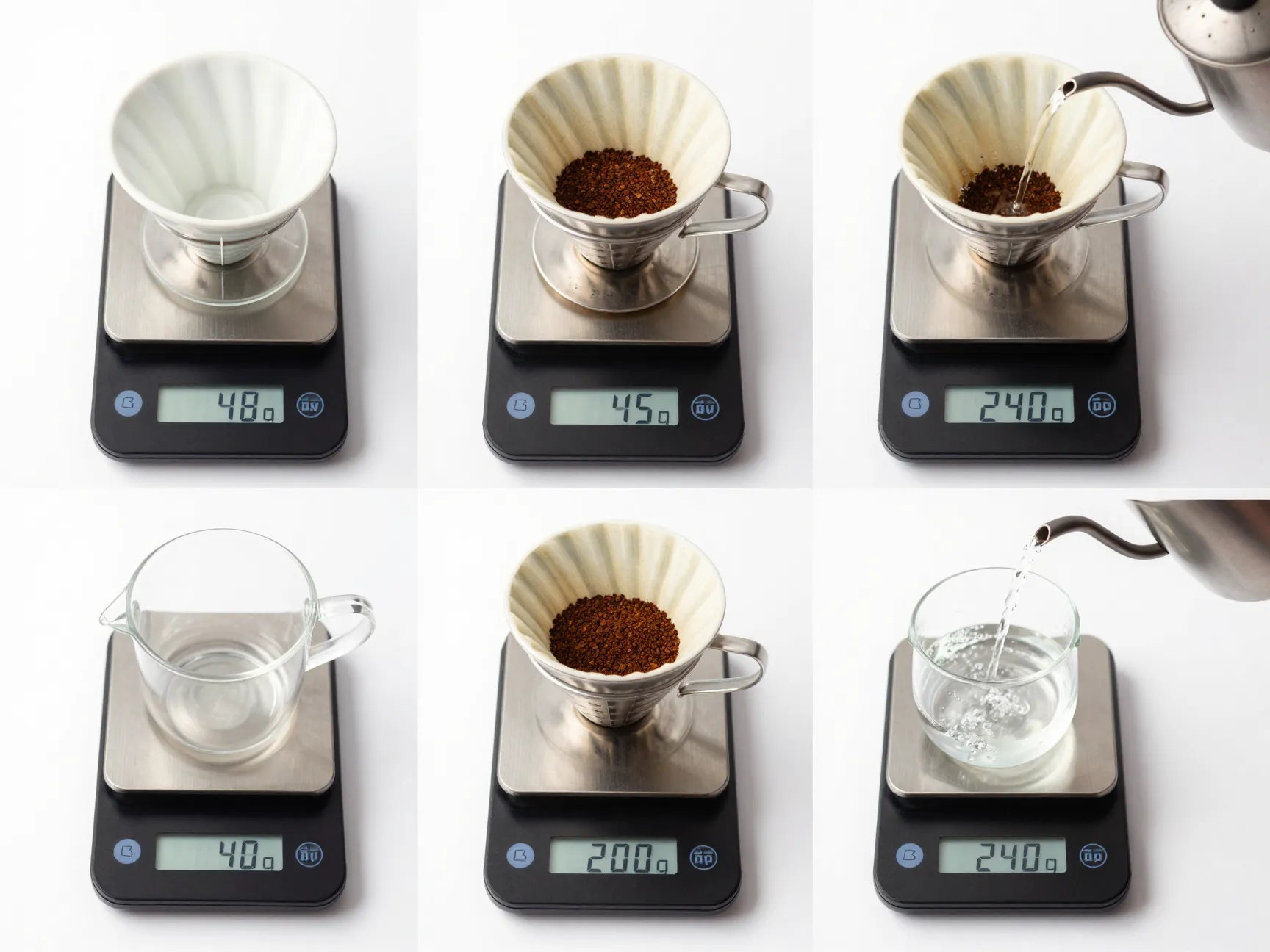
Measuring coffee with a tablespoon and water by eye is like baking without measuring ingredients — you might get lucky occasionally, but consistency is impossible. A kitchen scale transforms good coffee from a happy accident into a reliable daily result [2].
Here’s why weight beats volume for coffee measurement:
- Volume is inconsistent: A “tablespoon” of coarsely ground coffee contains far less actual coffee than a tablespoon of finely ground coffee
- Weight is absolute: 15 grams of coffee is always 15 grams, regardless of grind size or bean density
- Scales are affordable: A basic digital kitchen scale costs under $15 and lasts for years
My recommended workflow:
- Place your brewer on the scale and tare to zero
- Add ground coffee and note the weight
- Tare again, then add water to your target weight
- Brew consistently every time
Even if you only use a scale for the first week, you’ll internalize what the correct amounts look and feel like — and your coffee will improve permanently.
9. Clean Your Equipment Regularly
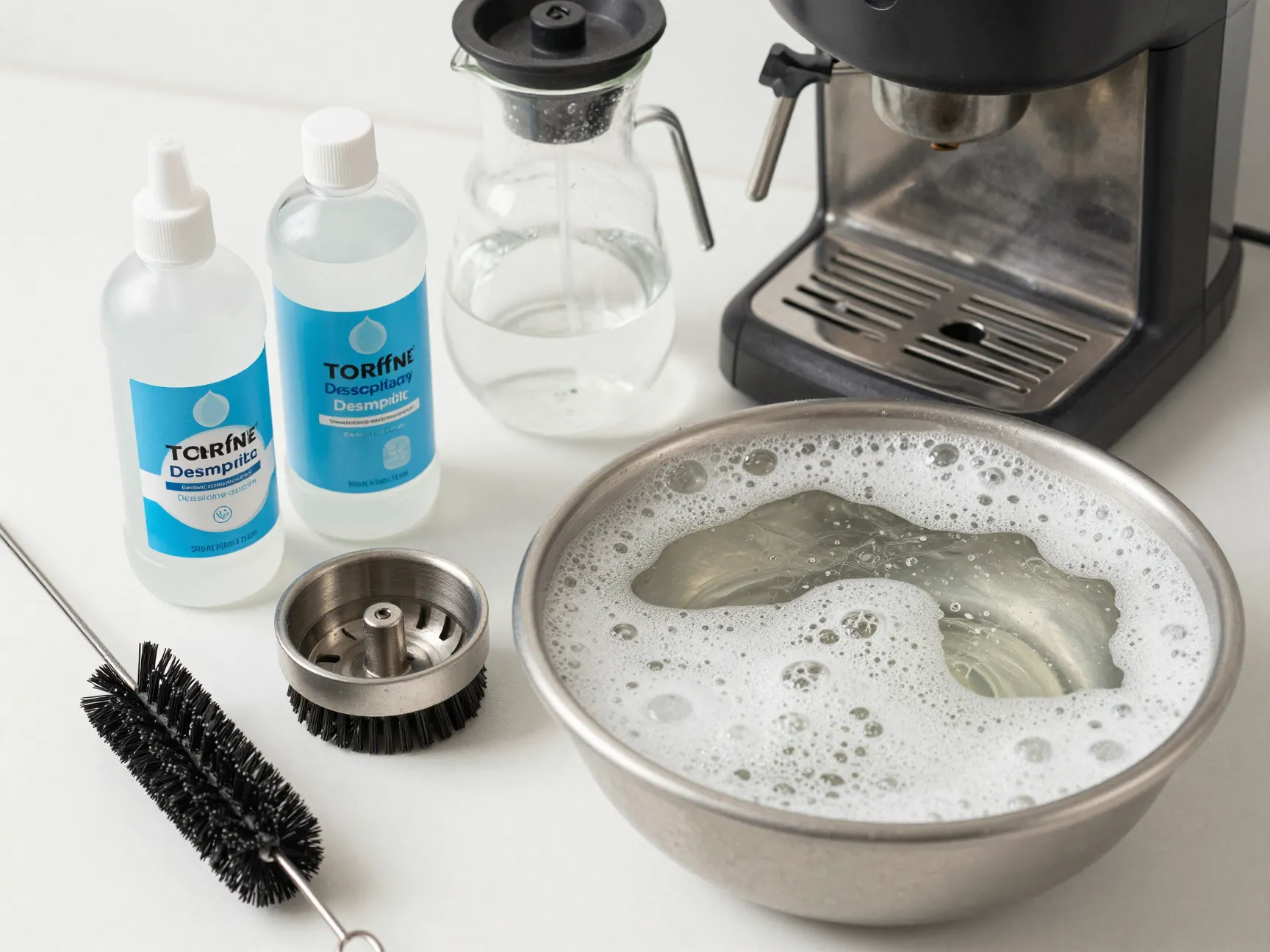
A clean machine is a non-negotiable part of great coffee. Coffee oils are volatile and go rancid quickly, coating the inside of your grinder, carafe, and brewer. These rancid oils add bitterness and off-flavors to even the freshest, most carefully measured brew [1][3].
Cleaning schedule:
| Equipment | Cleaning Frequency | Method |
|---|---|---|
| Coffee maker / brewer | Monthly | Run vinegar or specialty descaler through a full cycle [1][3] |
| Carafe / French press | After every use | Warm soapy water, rinse thoroughly |
| Grinder burrs | Every 2–3 weeks | Brush out grounds; use grinder cleaning tablets [1] |
| Storage containers | Monthly | Wash with mild soap, dry completely before refilling |
⚠️ Warning: Mineral deposits (scale) from water build up inside over time and restrict water flow, lower brewing temperature, and shorten machine life. A monthly descaling cycle with white vinegar or a commercial descaler prevents all of this [1][3].
For French press and pour-over equipment, a simple rinse with hot soapy water after each use is sufficient for daily maintenance. The key is not letting coffee oils sit and oxidize between uses.
Quick-Reference Summary: How to Make a Good Coffee: 9 Essential Tips for a Perfect Cup
Here’s a fast cheat sheet you can save or print:
| # | Tip | Key Action |
|---|---|---|
| 1 | Fresh beans | Use within 2 weeks of roast date |
| 2 | Filtered water | Avoid tap chlorine and distilled water |
| 3 | Golden ratio | 1:15–1:17 coffee-to-water by weight |
| 4 | Grind fresh | Match grind size to brew method |
| 5 | Water temperature | 195°F–205°F (45 sec off boil) |
| 6 | Bloom your grounds | Pre-wet for 30–45 seconds |
| 7 | Master your method | French press, pour-over, or drip technique |
| 8 | Use a kitchen scale | Weight beats volume every time |
| 9 | Clean equipment | Monthly descale, regular rinse |
Common Coffee Mistakes to Avoid 🚫
Even with the best intentions, a few habits quietly sabotage your cup:
- Storing beans in the freezer for daily use (condensation damages flavor)
- Leaving coffee on a hot plate after brewing (scorches and over-extracts)
- Using boiling water directly without letting it cool 45 seconds
- Skipping the bloom with fresh beans (creates uneven extraction)
- Never cleaning the machine (rancid oil buildup ruins every cup)
- Buying pre-ground coffee and storing it for weeks
Conclusion: Your Action Plan for a Better Cup in 2026
The science of great coffee is not complicated — it’s consistent. Every tip in this guide on how to make a good coffee: 9 essential tips for a perfect cup targets a specific, controllable variable that directly affects what ends up in your cup.
Here’s your actionable starting point:
- This week: Check your bean roast date. If it’s older than two weeks, buy fresh beans from a local roaster.
- Today: Run a vinegar cycle through your coffee maker if you haven’t cleaned it recently.
- Next brew: Use a kitchen scale to measure your coffee and water at a 1:16 ratio by weight.
- Going forward: Match your grind size to your brew method and start using the bloom step.
You don’t need to implement all nine tips at once. Start with tips 1, 3, and 5 — fresh beans, the right ratio, and correct water temperature — and you’ll notice an immediate improvement. Add the remaining tips one at a time over the next few weeks, and by the end of the month, you’ll be brewing coffee that genuinely rivals your favorite café.
Great coffee is not about perfection. It’s about understanding the variables, controlling the ones you can, and enjoying the process. ☕
References
[1] 9 Rules For How To Make A Perfect Cup Of Coffee Right At Home – https://unrestcoffee.com/blogs/latest-news/9-rules-for-how-to-make-a-perfect-cup-of-coffee-right-at-home
[2] Essential Tips For Better Coffee Brewing – https://www.nomadicbean.com/post/essential-tips-for-better-coffee-brewing
[3] 9 Rules For How To Make The Perfect Coffee – https://www.liquidline.co.uk/news/9-rules-for-how-to-make-the-perfect-coffee/
[4] Home Coffee Brewing Tips Every Coffee Lover Should Know – https://ratiocoffee.com/blogs/coffee-guides/home-coffee-brewing-tips-every-coffee-lover-should-know
[6] Best Way To Make Coffee At Home – https://coffeechronicler.com/best-way-to-make-coffee-at-home/