How Do U Make Coffee? 9 Foolproof Methods for Beginners
Over 2.25 billion cups of coffee are consumed worldwide every single day — yet millions of people still rely on whatever stale office brew is nearest to them because they simply don’t know where to start at home. If you’ve been Googling “how do u make coffee” at midnight, you’re not alone, and the answer is far simpler than most coffee snobs would have you believe.
Disclosure: This post contains affiliate links. As an Amazon Associate, we earn from qualifying purchases, and at no extra cost to you.
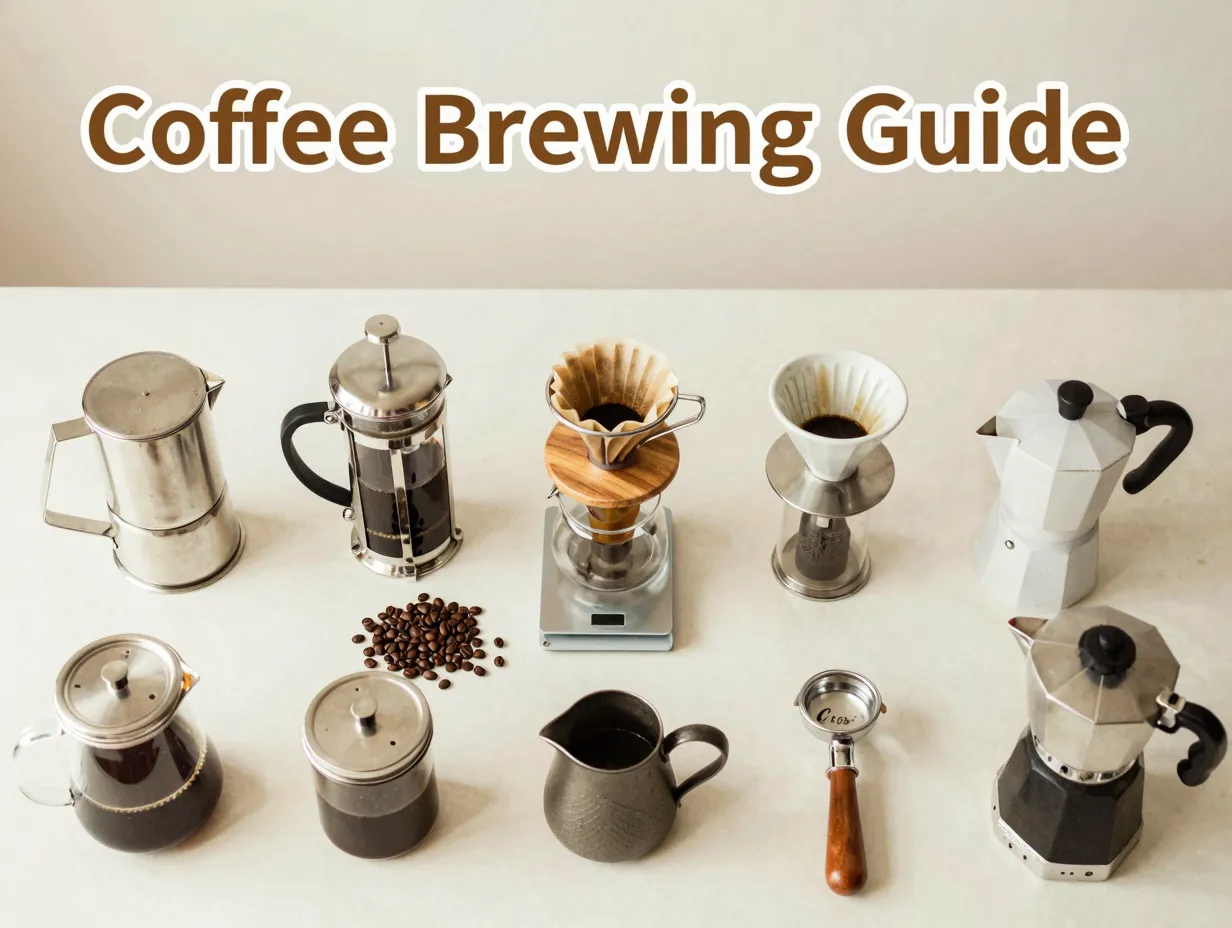
This guide — How Do U Make Coffee? 9 Foolproof Methods for Beginners — walks you through nine proven brewing methods, from the dead-simple French press to the exotic Turkish cezve. Whether you want one quick cup before work or a weekend ritual that rivals your favorite café, there’s a method here that fits your life, your budget, and your taste buds.
Key Takeaways
- ☕ Beginners should start with a drip coffee maker or French press — both are forgiving, affordable, and produce consistently great results [1]
- 📏 The golden ratio is 1 gram of coffee to 16 grams of water — memorize this and you’ll never brew a weak or bitter cup again [4]
- 🌡️ Water temperature matters — aim for around 96°C (205°F) for most hot-brew methods
- 🔄 Grind size is the most overlooked variable — matching your grind to your brewing method is the single biggest upgrade you can make
- 🌍 Every method produces a different flavor profile — experiment freely; there’s no single “right” way to brew coffee
Why Learning to Brew Coffee at Home Is Worth It in 2026
The average American spends over $1,100 per year on café coffee. Brewing at home cuts that cost by up to 80% while giving you total control over flavor, strength, and quality. Beyond the savings, is genuinely fun. Each method teaches you something new about how coffee works — how water temperature affects bitterness, how grind size changes extraction, how brew time shapes body and flavor.
The nine methods below are ranked roughly from easiest to most involved, so beginners can start at the top and work their way down as confidence grows.
How Do U Make Coffee? 9 Foolproof Methods for Beginners — The Complete Breakdown
1. Drip Coffee Maker ☕
Best for: Daily brewing, multiple cups, maximum convenience
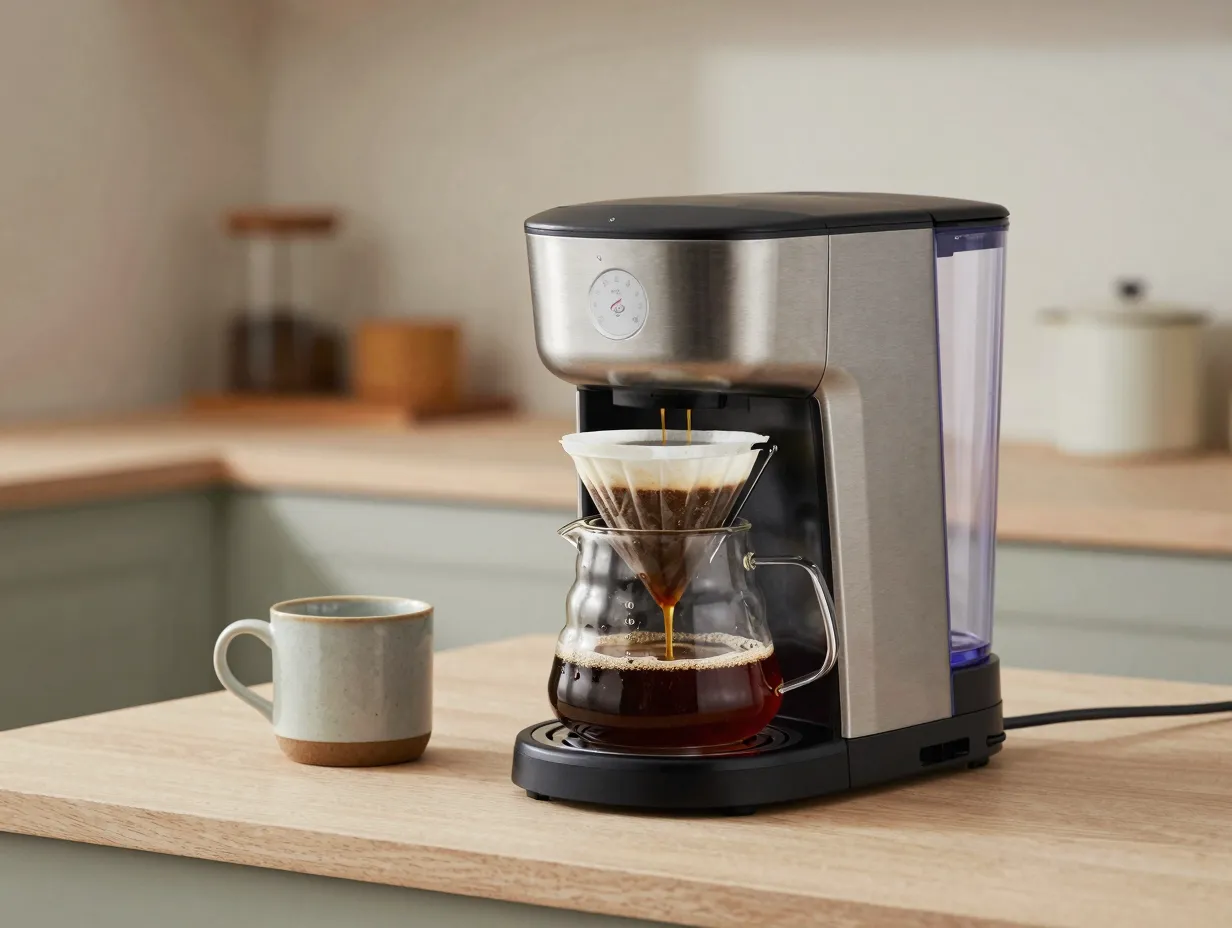
The automatic drip coffee maker is the undisputed champion of beginner-friendly brewing. You add water, add grounds, press a button, and walk away. It’s almost impossible to mess up — which is exactly why experts recommend it as the ideal starting point for new home brewers [1].
What you need:
- Automatic drip machine (e.g., Moccamaster, Breville, or any budget model)
- Medium-ground coffee
- Paper or reusable filter
- Fresh cold water
How to brew:
- Fill the reservoir with cold, filtered water
- Place a filter in the basket
- Add coffee at a 1:16 ratio — 1 gram of coffee per 16 grams of water (roughly 1 tablespoon per 6 oz of water) [4]
- Press start and wait 5–7 minutes
- Pour and enjoy
💡 Pro tip: The Moccamaster brews at the precise temperature range recommended by the Specialty Coffee Association, making it a favorite among coffee educators [4].
Flavor profile: Balanced, clean, mild to medium body
2. French Press 🫖
Best for: Hands-on learning, rich flavor, no paper filters needed
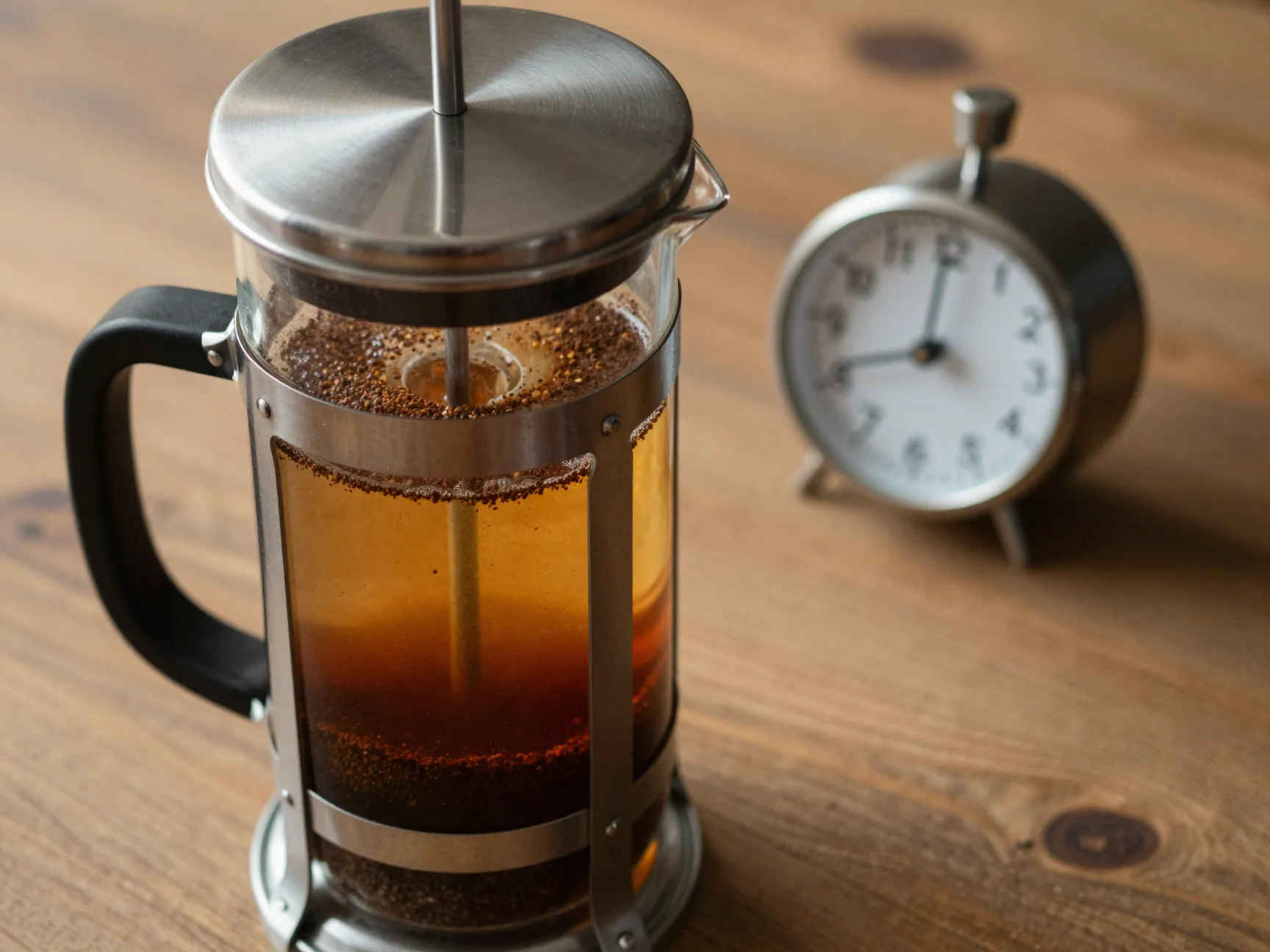
The French press is arguably the best tool for understanding coffee. Because you control steeping time and you can see the grounds, it teaches you more about extraction than almost any other method [1].
What you need:
- French press (any size)
- Coarse-ground coffee — the grounds should look like rough breadcrumbs [1]
- Hot water at approximately 96°C (205°F)
- A timer
How to brew:
- Preheat your French press by rinsing it with hot water
- Add coarse coffee grounds — use the 1:16 ratio as your baseline
- Pour hot water over the grounds, making sure all grounds are saturated
- Place the lid on (plunger up) and steep for 4 minutes [1]
- Press the plunger down slowly and steadily
- Pour immediately — don’t let it sit or it will over-extract and turn bitter
Flavor profile: Full-bodied, rich, slightly oily, bold
🔑 Key insight: “The French press requires only coarse coffee grounds, hot water, and patience — no precise timing needed beyond four minutes.” [1]
3. Pour-Over ☕
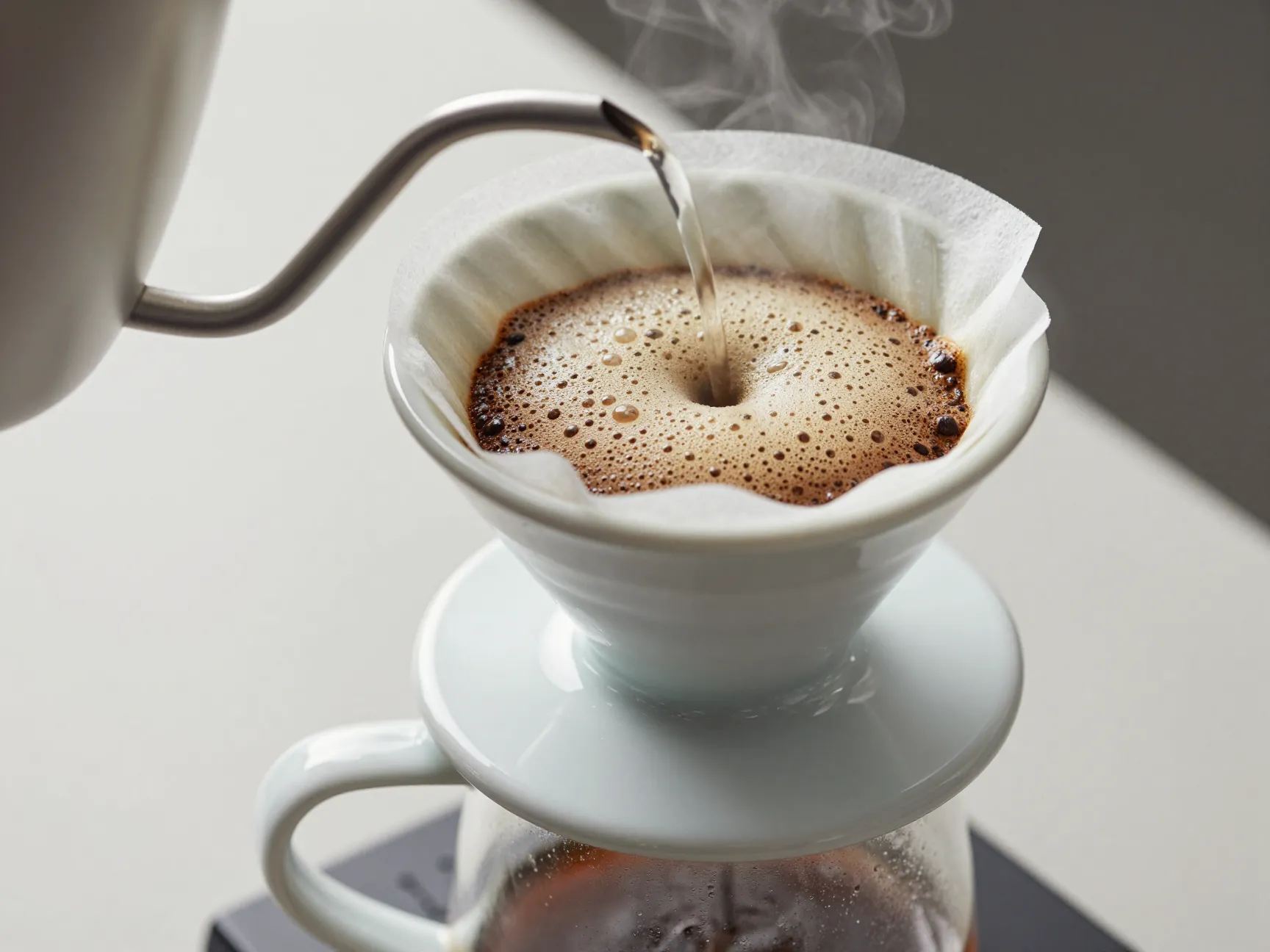
Best for: Coffee lovers who want clarity and nuance in every cup
Pour-over coffee has a devoted following for good reason: it produces one of the cleanest, most flavorful cups you can make at home. It requires a bit more attention than a drip machine, but the results are worth it.
What you need:
- Pour-over dripper (Hario V60, Chemex, or Kalita Wave)
- Paper filter
- Medium-ground coffee — grind should resemble table salt [1]
- Water heated to approximately 96°C (205°F) [1]
- Gooseneck kettle (ideal but not mandatory)
- Kitchen scale and timer
How to brew:
- Rinse the paper filter with hot water (removes paper taste and preheats the dripper)
- Add medium-ground coffee — a 1:16 ratio works well here too
- Start with a “bloom pour” — add twice the weight of water as coffee, wait 30 seconds for CO₂ to release
- Pour the remaining water in slow, steady circles over 2.5–3 minutes
- Total brew time should be 3–4 minutes [1]
- Remove the dripper and drink immediately
Best beans: Light to medium roasts — their subtle fruity and floral notes shine through the clean brew [1]
Flavor profile: Bright, clean, complex, tea-like body
4. AeroPress 🏕️
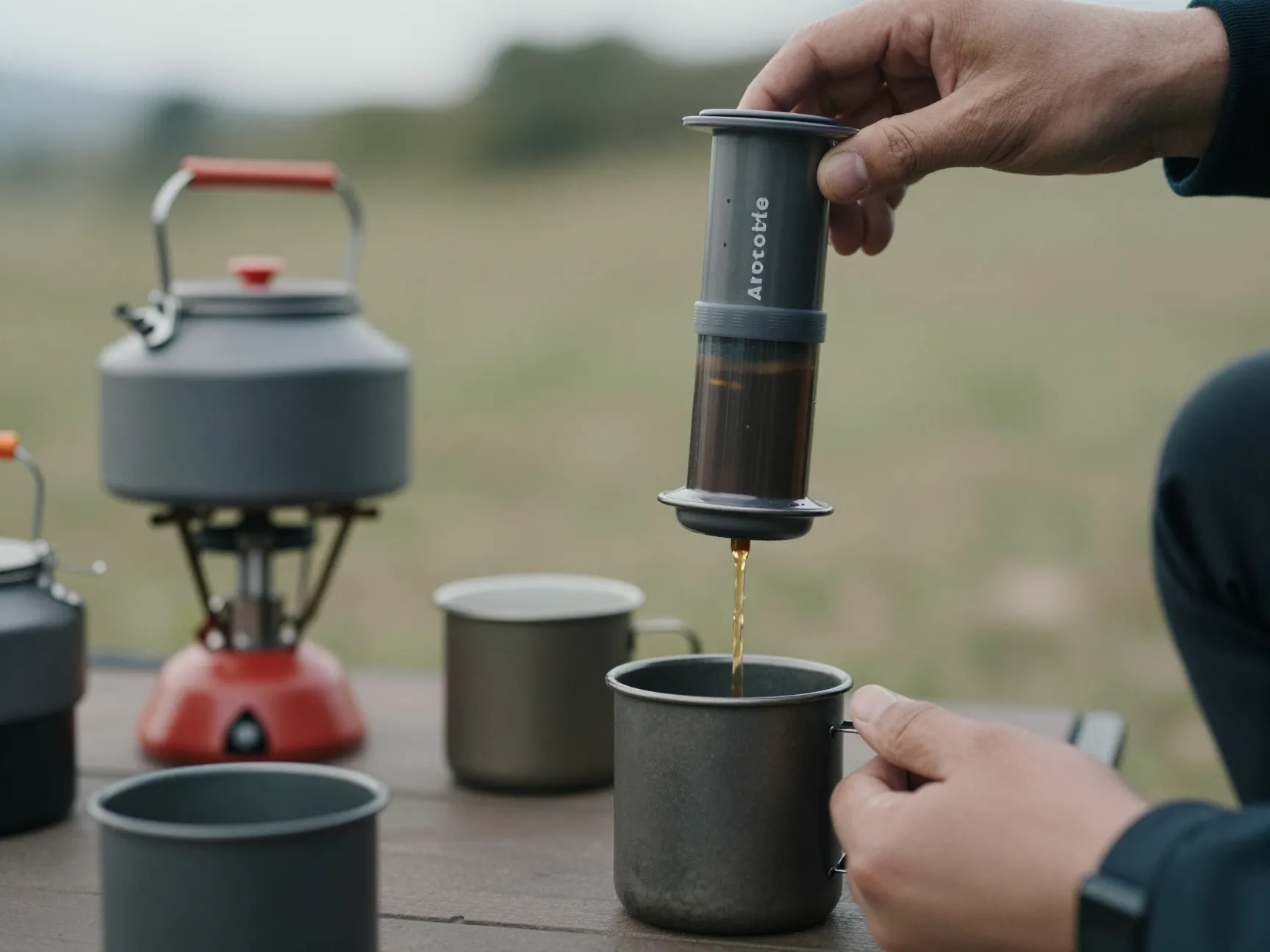
Best for: Travelers, campers, small kitchens, adventurous beginners
The AeroPress is one of the most versatile and forgiving brewers ever invented. It uses a patented 3-in-1 brew technology that combines immersion, pressure, and filtration in one compact device [2]. Coffee experts have called it the “greenest, most efficient, and mess-free method” available to home brewers [2].
What you need:
- AeroPress (comes with filters, paddle, and funnel)
- Fine to medium-ground coffee
- Hot water (around 80–96°C depending on your preference)
- A mug or cup
How to brew (standard method):
- Place a paper filter in the cap and rinse it
- Assemble the AeroPress on top of your mug
- Add 17g of coffee (roughly 2.5 tablespoons)
- Pour 220ml of hot water and stir for 10 seconds
- Insert the plunger and press down slowly over 20–30 seconds
- Dilute with hot water if you prefer a milder cup
Flavor profile: Smooth, low-acid, concentrated — versatile enough to mimic espresso or Americano
💡 Travel tip: The AeroPress weighs under 250 grams and fits in a carry-on bag. It’s the go-to brewer for coffee-obsessed travelers [2].
5. Moka Pot 🔥
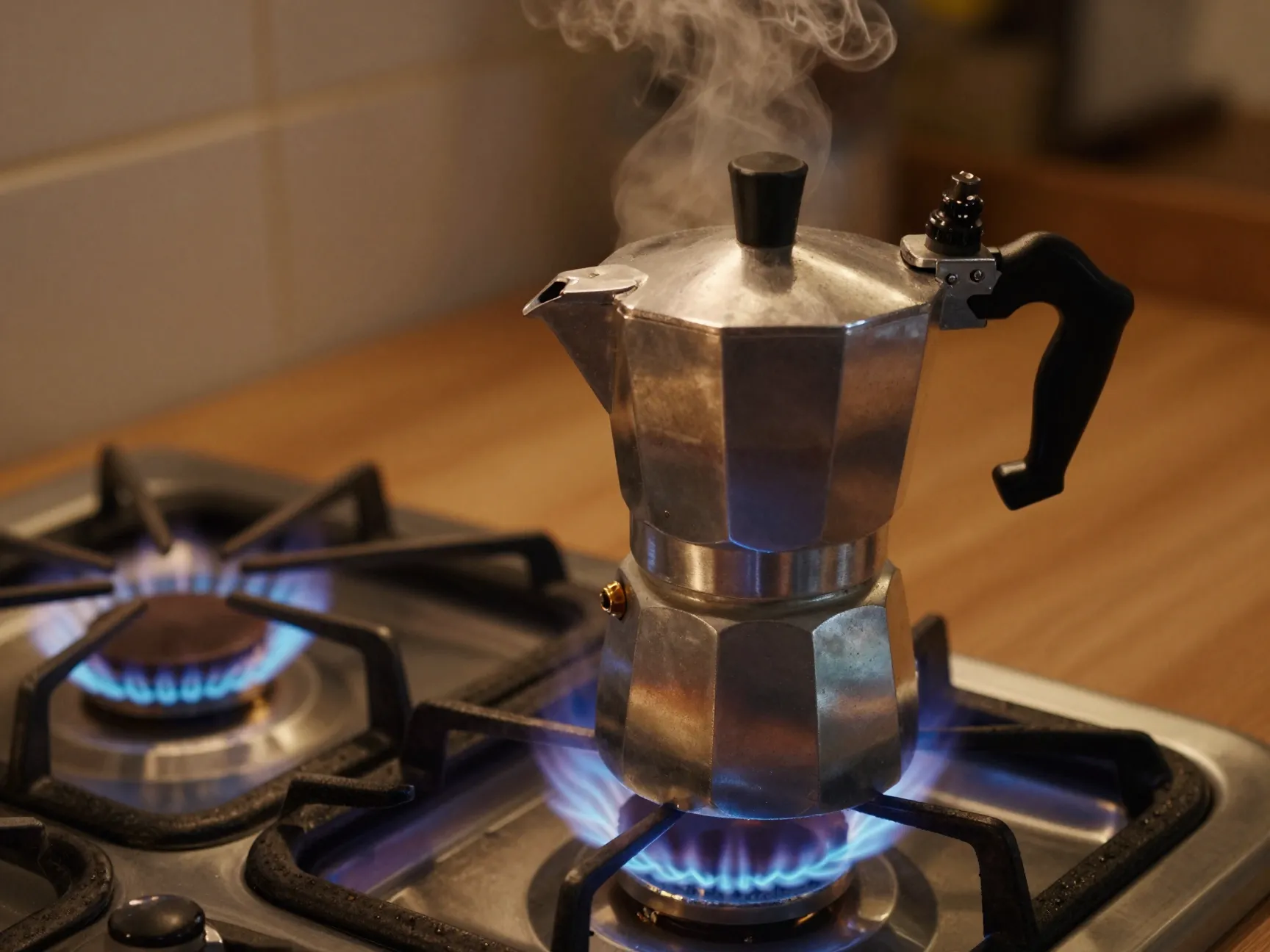
Best for: Espresso lovers without an budget
The Moka pot (also called a stovetop espresso maker) produces a rich, concentrated coffee that sits somewhere between drip coffee and true espresso. It’s an excellent choice for beginners who crave bold, intense flavor [4].
What you need:
- Moka pot (Bialetti is the classic brand)
- Fine-to-medium ground coffee (finer than drip, coarser than espresso)
- Cold filtered water
- Stovetop or gas burner
How to brew:
- Fill the bottom chamber with cold water up to the safety valve line
- Insert the filter basket and fill it with coffee — level it off but don’t tamp it down
- Screw the top and bottom chambers together firmly
- Place on medium-low heat
- When you hear a gurgling sound and see coffee flowing into the top chamber, remove from heat
- Run the bottom under cold water to stop extraction, then pour
Flavor profile: Bold, rich, concentrated, slightly bitter — similar to espresso
6. Cold Brew ❄️
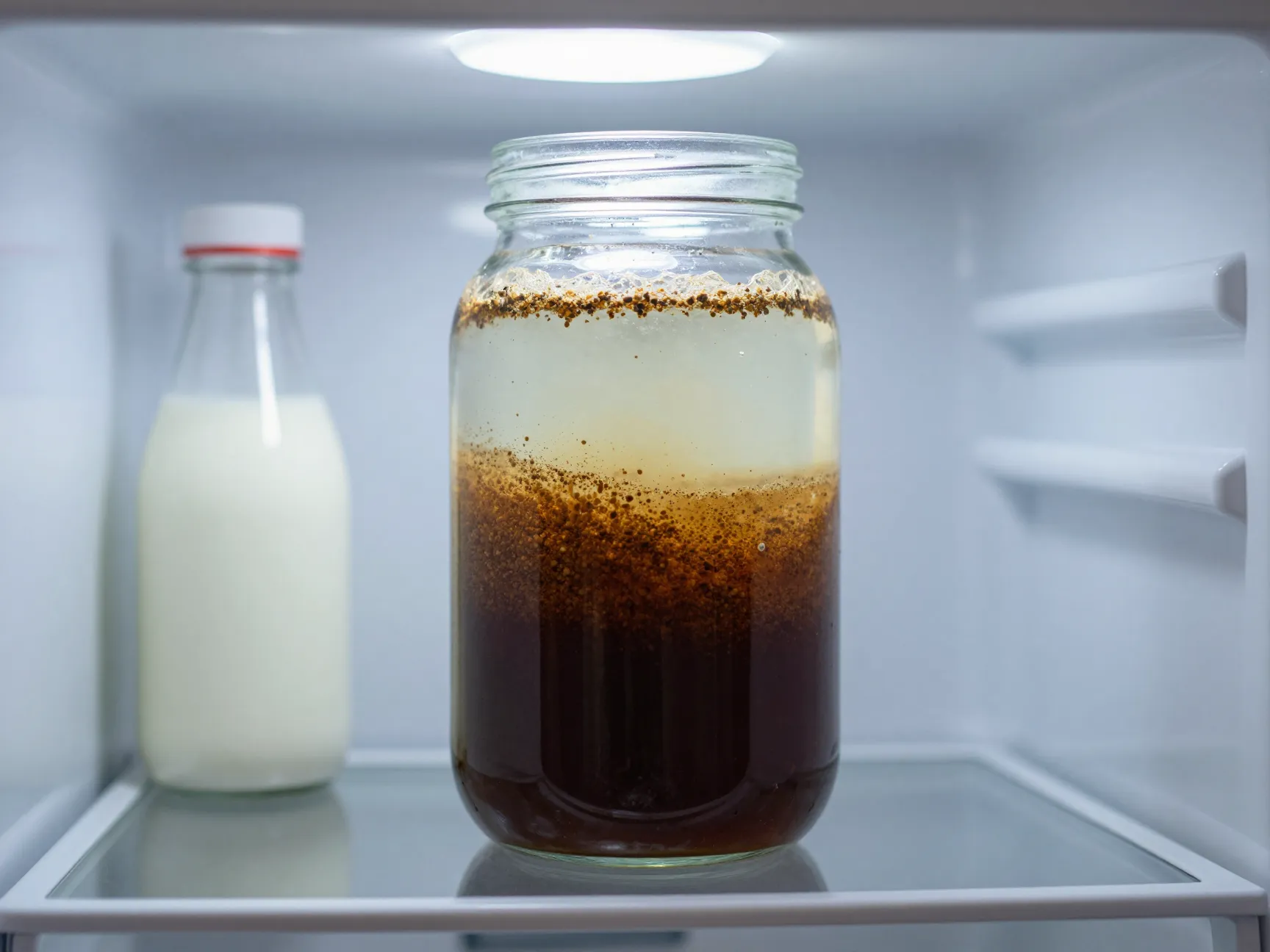
Best for: Hot weather, low-acid preference, meal prep coffee drinkers
is coffee steeped in cold water for 12–24 hours instead of brewed with hot water. The result is a smooth, naturally sweet concentrate that’s far less acidic than hot-brewed coffee.
What you need:
- Large jar or dedicated cold brew maker
- Coarse-ground coffee (same as French press)
- Cold or room-temperature filtered water
- Fine mesh strainer or cheesecloth
How to brew:
- Combine 1 part coffee to 4 parts water (this makes a concentrate)
- Stir to make sure all grounds are saturated
- Cover and refrigerate for 12–24 hours (longer = stronger)
- Strain through a fine mesh strainer or cheesecloth
- Store concentrate in the fridge for up to 2 weeks
- Serve over ice, diluted 1:1 with water or milk
Flavor profile: Smooth, sweet, chocolatey, low-acid
7. Instant Coffee ⚡
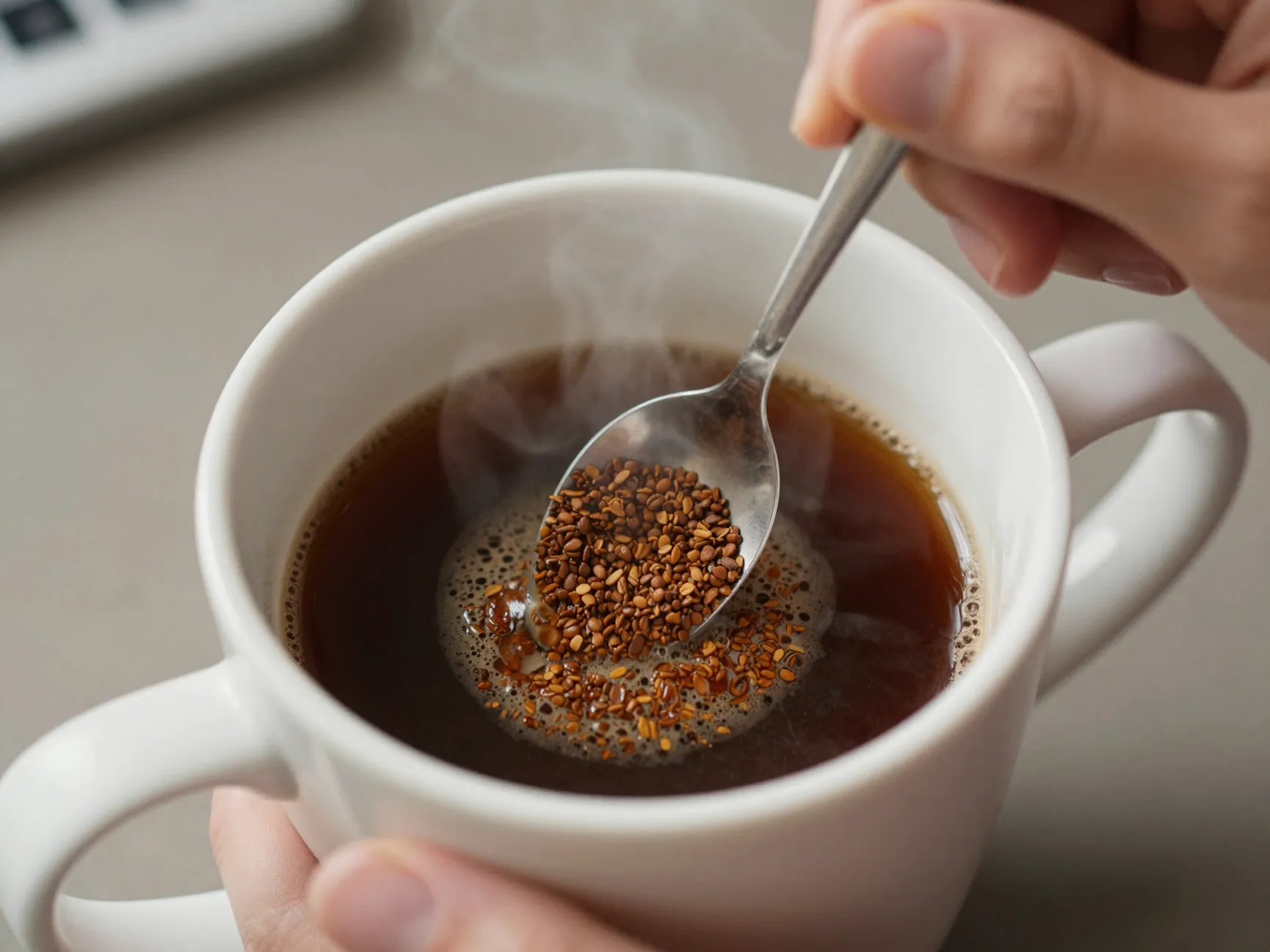
Best for: Speed, travel, office desks, absolute beginners
There’s no shame in — modern specialty instant brands have come a long way from the chalky, bitter granules of decades past. In 2026, you can find freeze-dried instant coffees that genuinely taste excellent.
What you need:
- Instant coffee (freeze-dried is higher quality than spray-dried)
- Hot water (just off the boil)
- Your favorite mug
How to brew:
- Heat water to approximately 90–95°C
- Add 1–2 teaspoons of instant coffee to your mug
- Pour a small amount of hot water and stir until fully dissolved
- Fill the rest of the mug with hot water
- Add milk, sugar, or sweetener to taste
Flavor profile: Variable — ranges from thin and bitter (cheap brands) to smooth and balanced (specialty brands)
💡 Upgrade tip: Try brands like Verve, Sudden Coffee, or Mount Hagen for a surprisingly café-quality instant experience.
8. Turkish Coffee ☕🌙
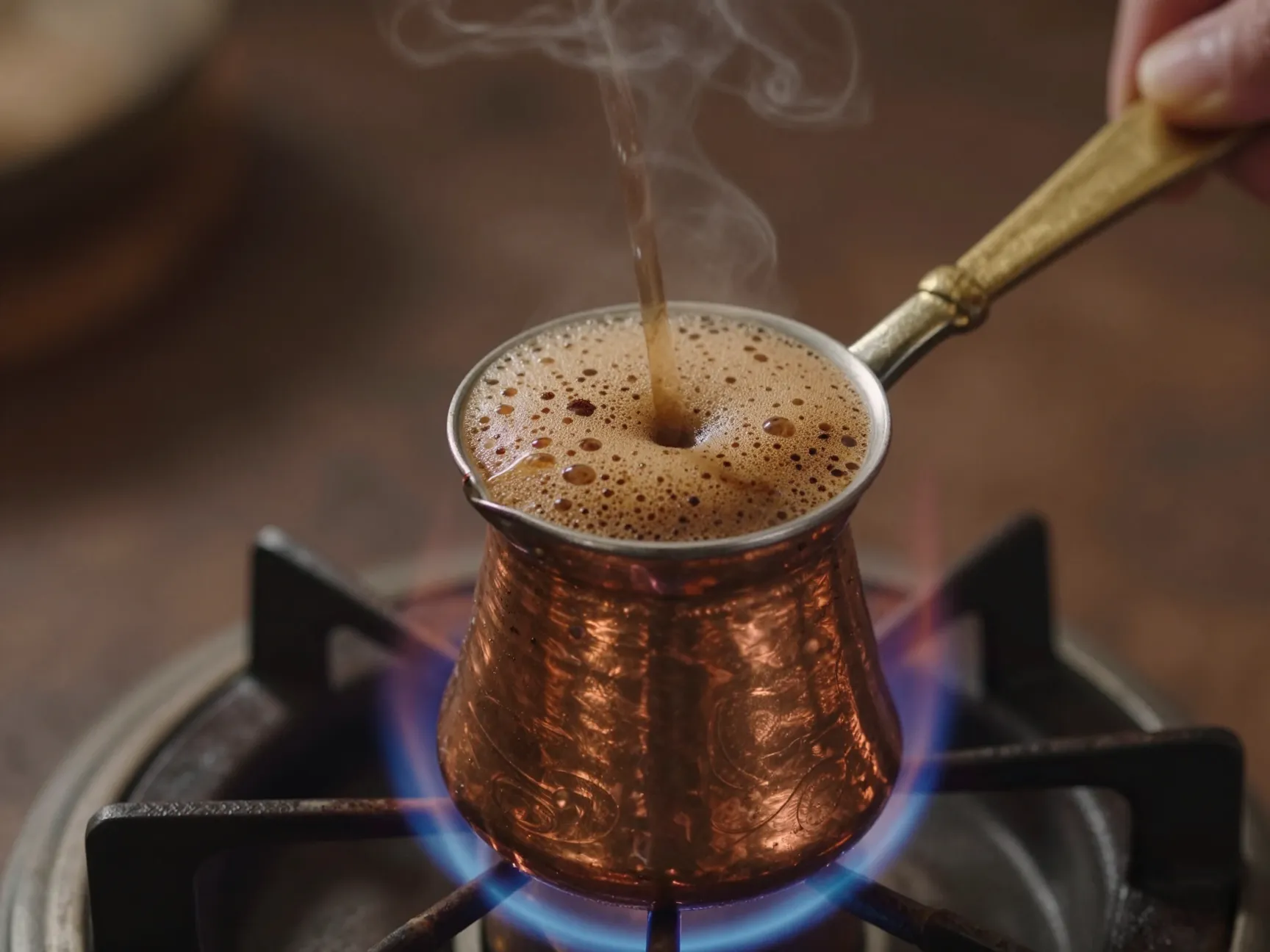
Best for: Cultural experience, strong flavor lovers, those who enjoy ritual
Turkish coffee is one of the oldest brewing traditions in the world, and it produces a uniquely thick, intensely flavored cup that’s unlike anything else on this list. The key is patience and low heat [3].
What you need:
- Cezve (a small, long-handled copper or brass pot) [3]
- Extra-fine ground Turkish coffee — finer than espresso
- Cold water
- Sugar (optional, added during brewing — not after)
How to brew:
- Add 80ml of cold water per cup to the cezve [5]
- Add 8g of finely ground Turkish coffee per cup (roughly 1 heaping tablespoon) [3]
- Add sugar now if desired (1 teaspoon for medium-sweet)
- Stir to combine — do not stir again after heating begins
- Heat on low flame, watching carefully
- As foam rises to the top, spoon some foam into each cup
- Return to heat until foam rises again, then pour slowly into cups — keeping the foam intact [5]
- Beginners should brew no more than 2 cups at a time to maintain control [3]
- Wait 2 minutes before drinking to let grounds settle
Flavor profile: Thick, intense, earthy, unfiltered — the grounds settle at the bottom
⚠️ Important: Never let Turkish coffee boil — the moment it boils, the foam is lost and the flavor suffers [3].
9. Espresso Machine ☕🎯
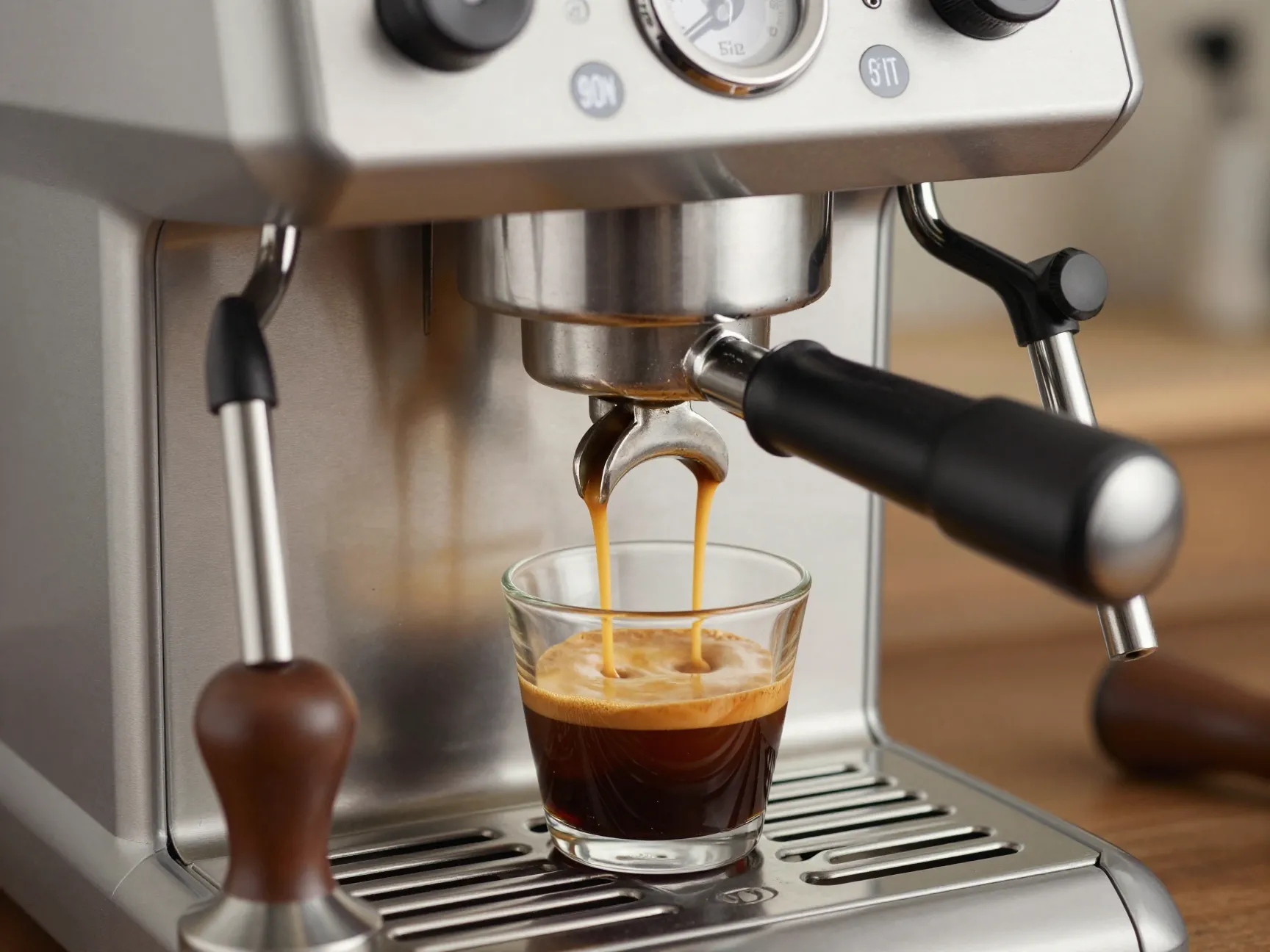
Best for: Latte and cappuccino lovers, serious home baristas
Espresso is the foundation of most café drinks — lattes, cappuccinos, flat whites, and Americanos all start here. A machine has a steeper learning curve than the other methods, but it opens up an entire world of coffee creativity.
What you need:
- Espresso machine (entry-level: Breville Bambino; mid-range: Express)
- Extra-fine ground coffee — specifically ground for espresso
- Tamper
- Portafilter
How to brew:
- Warm up your machine for at least 15–20 minutes
- Grind fresh coffee directly into the portafilter basket
- Distribute grounds evenly and tamp with firm, level pressure (about 30 lbs of force)
- Lock the portafilter into the
- Start extraction — a proper (30ml) should take 25–30 seconds
- If it runs too fast, grind finer; if too slow, grind coarser
Flavor profile: Concentrated, complex, intense, with a layer of golden crema on top
How Do U Make Coffee? 9 Foolproof Methods for Beginners — Choosing the Right One for You
Not sure which method to try first? Use this quick comparison table:
| Method | Difficulty | Time | Cost | Best For |
|---|---|---|---|---|
| Drip Maker | ⭐ Easy | 5–7 min | $20–$300 | Daily convenience |
| French Press | ⭐ Easy | 6–8 min | $20–$50 | Rich, full-bodied flavor |
| Pour-Over | ⭐⭐ Medium | 5–7 min | $15–$50 | Nuanced, clean flavor |
| AeroPress | ⭐⭐ Medium | 3–5 min | $35–$45 | Travel, versatility |
| Moka Pot | ⭐⭐ Medium | 8–10 min | $20–$40 | Espresso-style at home |
| Cold Brew | ⭐ Easy | 12–24 hrs | $10–$30 | Smooth, low-acid |
| Instant | ⭐ Easy | 2 min | $5–$20 | Speed, simplicity |
| Turkish | ⭐⭐⭐ Advanced | 5–8 min | $15–$40 | Cultural experience |
| Espresso | ⭐⭐⭐ Advanced | 10–15 min | $200–$1,000+ | Café-quality drinks |
The 3 Variables That Affect Every Cup
No matter which method you choose, these three variables will make or break your brew:
1. Grind Size
- Coarse (French press, cold brew) → slower extraction
- Medium (drip, pour-over) → balanced extraction
- Fine (espresso, Turkish) → fast, intense extraction
2. Water Temperature
- Most methods: 90–96°C (194–205°F)
- Cold brew: room temperature or refrigerator cold
- Never use boiling water (100°C) — it scorches the coffee and creates bitterness
3. Coffee-to-Water Ratio
- The universal starting point: 1g coffee : 16g water [4]
- Stronger preference: 1:14
- Milder preference: 1:18
🔑 Remember: “Beginners should start with either a drip coffee maker or French press — drip makers for convenience and multiple cups, or French press for hands-on learning about coffee extraction.” [1]
Common Beginner Mistakes to Avoid
Here are the most frequent errors new home brewers make — and how to fix them:
❌ Using pre-ground coffee that’s been sitting open for weeks
✅ Buy whole beans and grind just before brewing
❌ Using tap water with a strong chlorine taste
✅ Use filtered water — it makes a noticeable difference
❌ Skipping the coffee-to-water ratio
✅ Use a kitchen scale — even a cheap $10 one transforms your consistency
❌ Brewing with water that’s too hot (boiling)
✅ Let boiling water sit for 30 seconds before pouring
❌ Letting brewed coffee sit on a hot plate
✅ Pour into a thermal carafe immediately after brewing
Conclusion: Your First Cup Starts Today
Learning how to make coffee at home doesn’t require expensive gear, barista training, or a degree in chemistry. As this guide to How Do U Make Coffee? 9 Foolproof Methods for Beginners shows, all you really need is the right method for your lifestyle, a consistent ratio, and a willingness to experiment.
Here’s your action plan:
- Choose one method from the table above that matches your budget and daily routine
- Buy fresh whole beans and grind them just before brewing
- Start with the 1:16 ratio and adjust from there based on taste
- Brew the same recipe three times in a row — consistency reveals what to tweak
- Try a new method every month — each one teaches you something different about coffee
The best cup of coffee you’ve ever had is probably one you haven’t brewed yet. Start simple, stay curious, and enjoy the process. ☕
References
[1] Brewing Coffee For Beginners – https://baristacoursesaustralia.com.au/blog/brewing-coffee-for-beginners/
[2] Methods – https://coffeeroastco.com/blogs/coffee-roast-co-blog/coffee-brewing-methods
[3] How To Make Turkish Coffee – https://foolproofliving.com/how-to-make-turkish-coffee/
[4] Top Tips On How To Make Great Coffee At Home – https://www.cooperscoffeeco.com/top-tips-on-how-to-make-great-coffee-at-home/
[5] Watch – https://www.youtube.com/watch?v=hQwIjfX6i_Q