9 Coffee Drinks Types Explained: From Americano to Ristretto
Over 2.25 billion cups of coffee are consumed worldwide every single day — yet most people can only name three or four of the drinks sitting on a café menu. That gap between consumption and knowledge is exactly what this guide closes.
Disclosure: This post contains affiliate links. As an Amazon Associate, we earn from qualifying purchases, and at no extra cost to you.
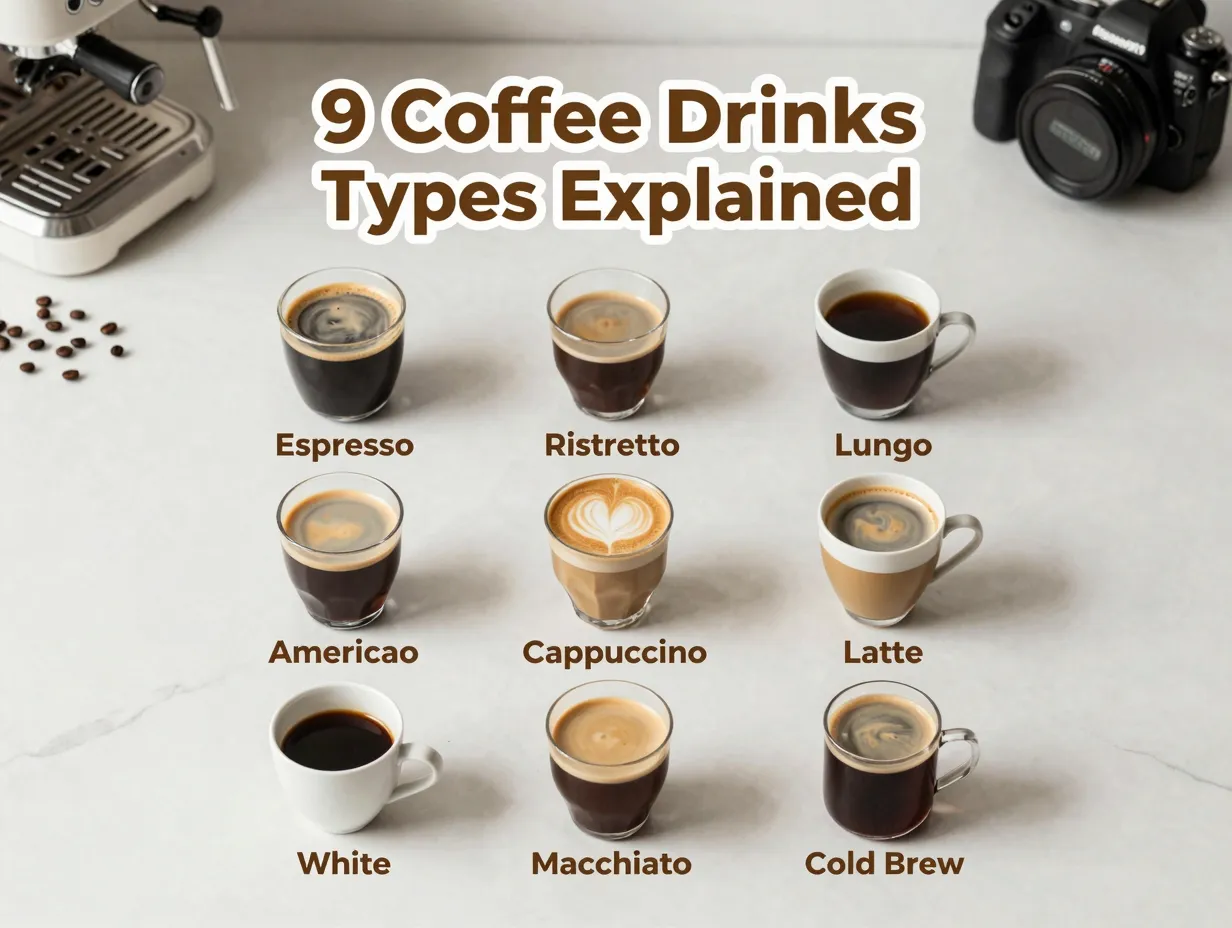
Whether you’re standing at a coffee bar feeling slightly embarrassed to ask what a ristretto actually is, or you’re a home barista trying to sharpen your craft, this deep-dive into 9 Types Explained: From Americano to Ristretto will give you everything you need. I’ll walk through each drink’s preparation method, flavor profile, caffeine content, and ideal use case — so you can order (and brew) with real confidence in 2026.
Key Takeaways
- ☕ Espresso is the foundation — nearly every drink on this list starts with a single or double espresso shot.
- 🔬 Brew ratio determines character — ristretto (1:1–1:1.5), espresso (1:2), and lungo (1:3–1:4) differ primarily by how much water passes through the same dose of coffee [1].
- 💪 Flavor intensity ≠ caffeine content — ristretto and espresso taste strongest, but and drip coffee often contain more caffeine per serving due to larger volume [2].
- 🥛 Milk changes everything — cappuccino, latte, and share espresso bases but deliver dramatically different textures and flavor balances.
- 🧊 Temperature opens new dimensions — cold brew and iced Americano are not just chilled versions of hot drinks; they’re chemically distinct beverages.
What Makes a Coffee Drink Unique? The Science Behind Every Sip
Before we break down each drink individually in 9 Coffee Drinks Types Explained: From Americano to Ristretto, it helps to understand the three variables that define any espresso-based beverage:
| Variable | What It Controls |
|---|---|
| Brew ratio | Concentration and body |
| Extraction time | Sweetness, bitterness, acidity |
| Milk/water addition | Texture, volume, flavor dilution |
“The difference between a ristretto and a lungo isn’t just size — it’s an entirely different chemical conversation happening inside the cup.”
Espresso machines force hot water (around 93°C / 200°F) through finely ground coffee at 9 bars of pressure. Adjusting the grind size, dose, and yield changes the resulting drink dramatically. A finer grind slows water flow, concentrating flavors; a coarser grind speeds it up, producing a lighter, more diluted result [3].
With that foundation in place, let’s explore all nine drinks.
9 Coffee Drinks Types Explained: From Americano to Ristretto — The Complete Breakdown
1. Espresso
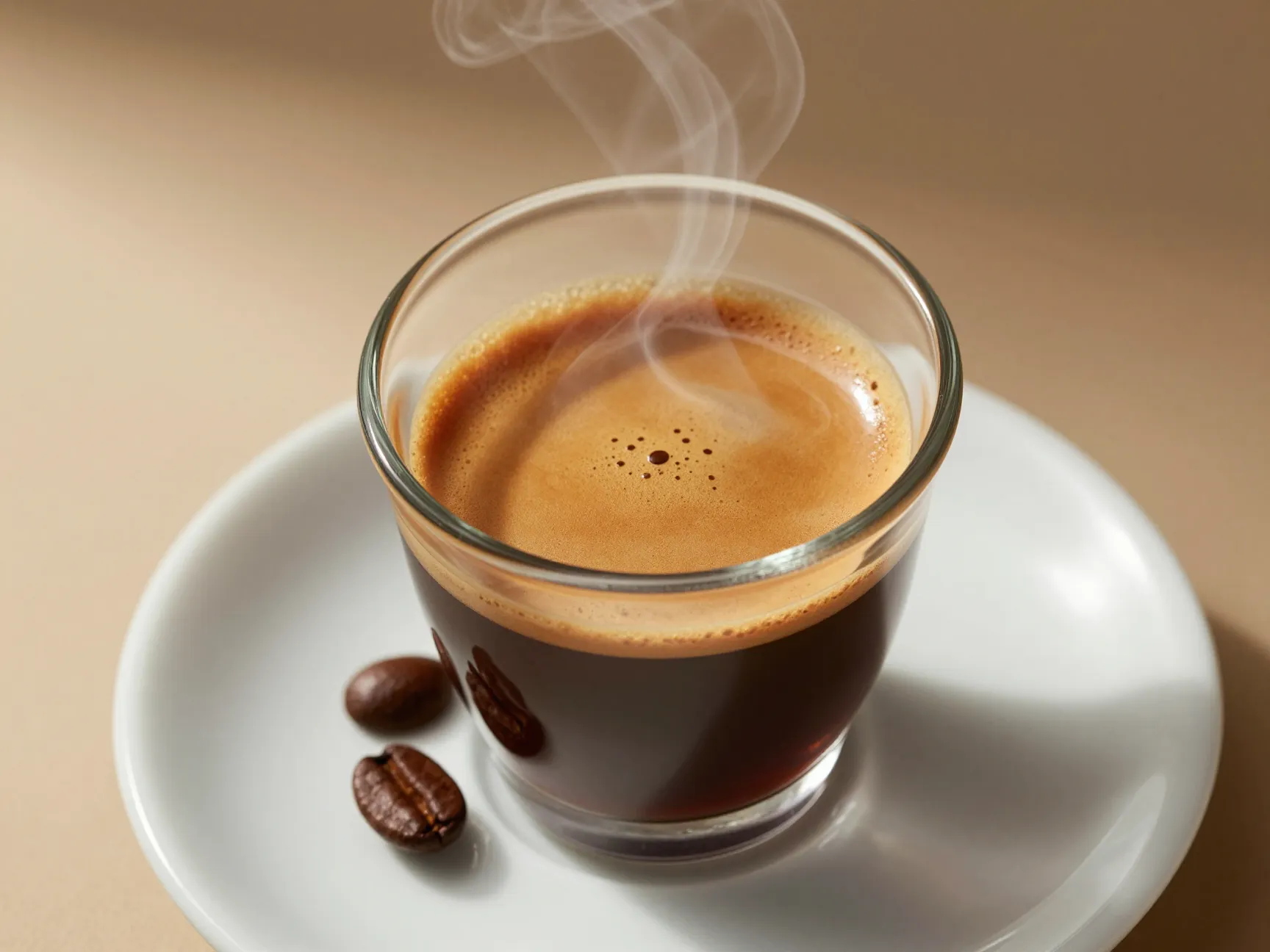
The gold standard. The baseline. The one that started it all.
Espresso is brewed with a brew ratio of approximately 1:2 — meaning 18g of ground coffee yields roughly 36ml of liquid — extracted over 25–30 seconds [1]. The result is a small, intensely aromatic shot topped with a reddish-brown crema.
Flavor profile: Balanced acidity, sweetness, and bitterness in near-perfect harmony. You’ll detect clearly defined aromas ranging from dark chocolate to citrus, depending on the bean origin [1].
Best for: Anyone who wants the full, unadulterated coffee experience. Espresso is the all-rounder — it suits every palate and serves as the base for every other drink on this list [1].
Quick specs:
- Volume: ~30–40ml
- Extraction time: 25–30 seconds
- Brew ratio: 1:2
2. Ristretto
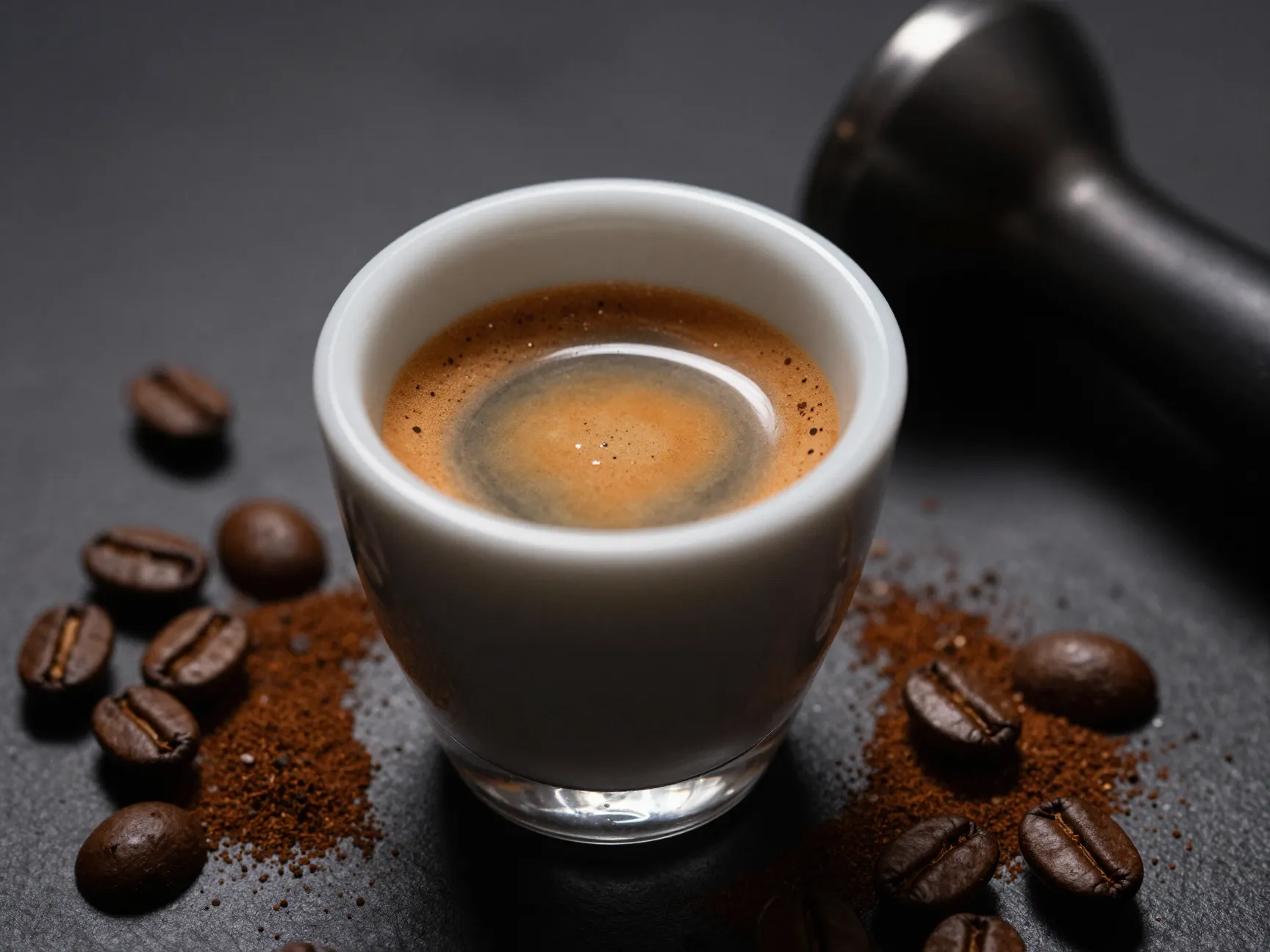
Smaller than espresso. Bolder than you’d expect.
Ristretto (Italian for “restricted”) uses the same dose of coffee as espresso but stops the extraction early — at a brew ratio of 1:1 to 1:1.5, extracted in just 15–20 seconds [1][3]. To achieve this slower, shorter pull, the grind must be set slightly finer than espresso [3].
Flavor profile: Sweeter, less bitter, and more concentrated than espresso. Expect pronounced chocolate and fruit notes with almost no harsh aftertaste [1].
Why it works: Because bitter compounds (like caffeine and chlorogenic acids) extract later in the pull, cutting extraction short leaves them behind. You get the sweet, aromatic front end of the shot without the bitter tail.
Best for: Lovers of concentrated, sweet shots who find standard espresso slightly too sharp [1].
Quick specs:
- Volume: ~15–20ml
- Extraction time: 15–20 seconds
- Brew ratio: 1:1–1:1.5
💡 Pro tip: If your ristretto tastes sour rather than sweet, your grind is too coarse. Dial it finer until the sweetness comes through.
3. Lungo
When you want more volume but no milk.
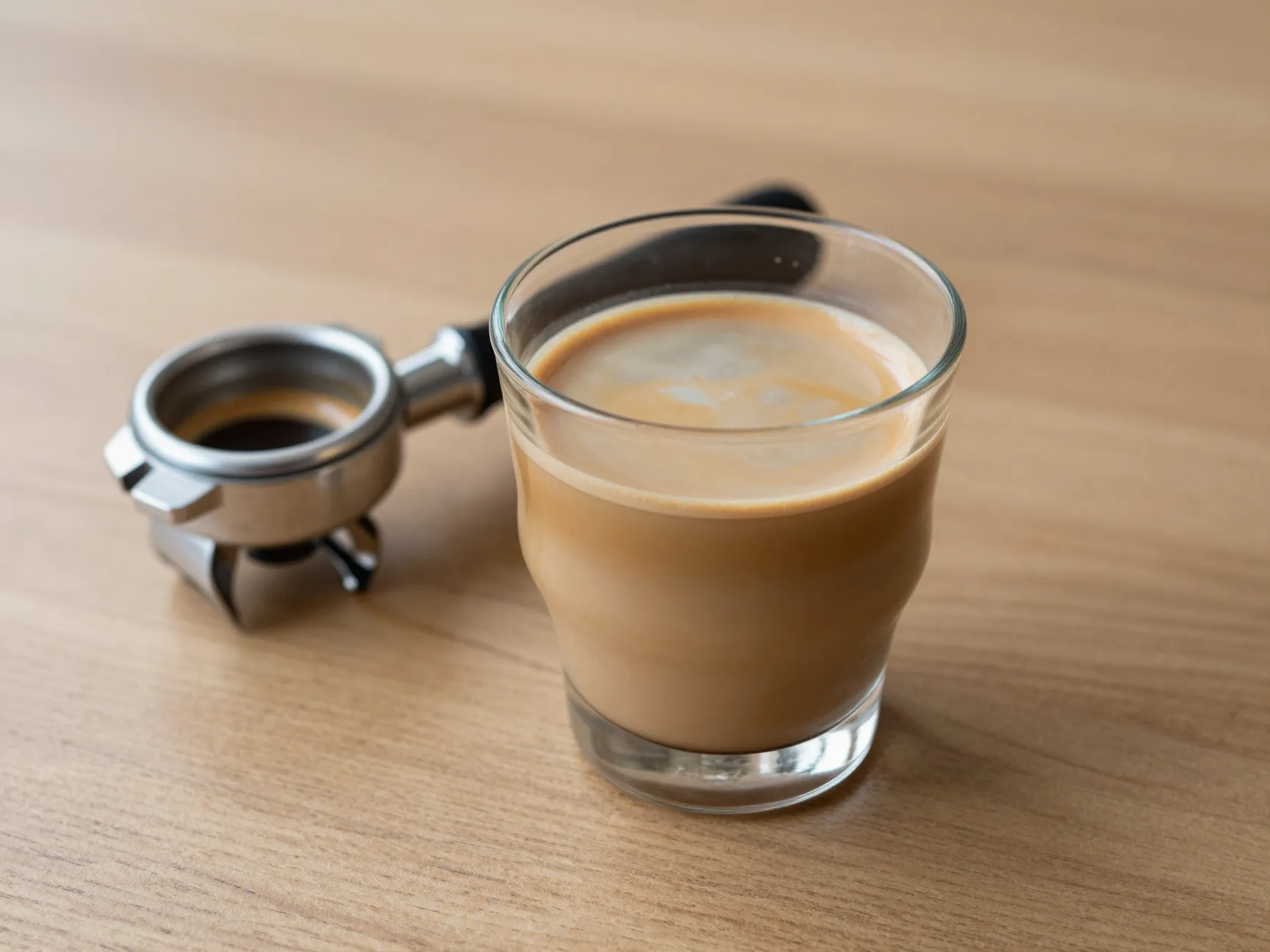
Lungo (Italian for “long”) is espresso’s opposite on the extraction spectrum. Water continues flowing through the coffee puck well beyond the standard shot, using a brew ratio of 1:3 to 1:4 over 35–45 seconds [1].
Flavor profile: Higher volume, increased bitter notes, and milder acidity compared to espresso. The extended extraction pulls more of those late-stage bitter compounds into the cup [1].
Common misconception: A lungo is NOT an Americano. A lungo is brewed through the coffee; an Americano adds water after brewing. This distinction matters for flavor — lungos have a different chemical composition than a diluted espresso.
Best for: People who want a larger black coffee without a filter machine setup [1].
Quick specs:
- Volume: ~60–90ml
- Extraction time: 35–45 seconds
- Brew ratio: 1:3–1:4
4. Americano
Born from wartime improvisation. Still going strong in 2026.
The Americano’s origin story is well-documented: American soldiers stationed in Italy during World War II diluted espresso with hot water to mimic the drip coffee they were used to back home. The name stuck.
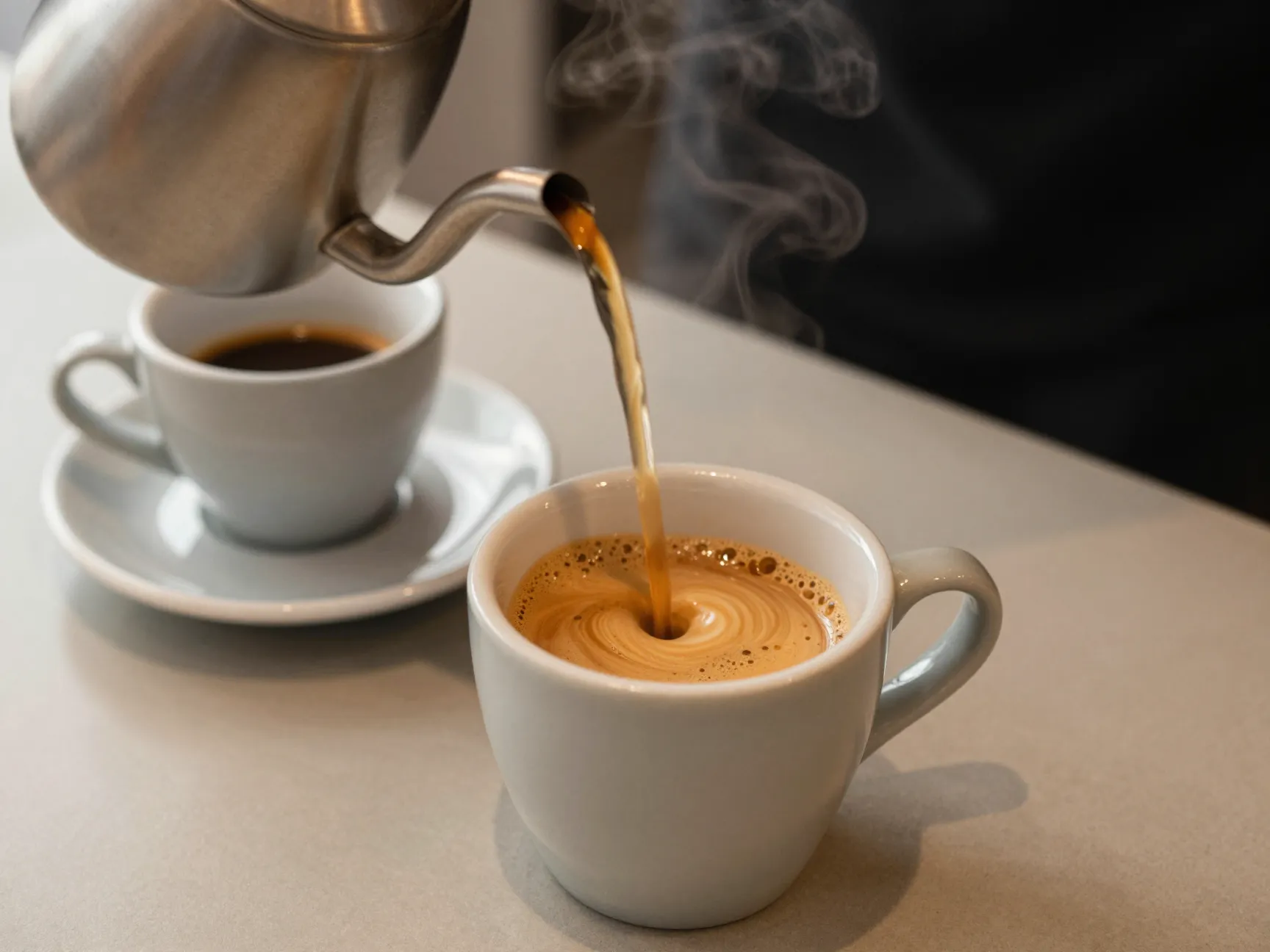
An Americano is made by pulling a standard espresso shot and then adding hot water in a 1:1 to 1:3 ratio [1][5]. The espresso is typically brewed first, then the hot water is added on top to preserve the crema.
Flavor profile: Smooth, easy-drinking, and filter-strength in intensity. It retains all the caffeine from the underlying espresso while softening the intensity [1][5].
Versatility is its superpower:
- 🌅 Morning: served hot, it’s a gentle wake-up
- ☀️ Afternoon: served over ice, it becomes a refreshing cold drink
- 🌙 Evening: a double-shot version delivers a satisfying late-day coffee without the volume of a latte
Best for: Those who want espresso’s caffeine profile in a longer, more approachable format [1].
Quick specs:
- Volume: ~120–240ml
- Base: 1–2 espresso shots + hot water
- Ratio: 1:1–1:3 (espresso to water)
5. Cappuccino
The holy trinity: espresso, steamed milk, foam.
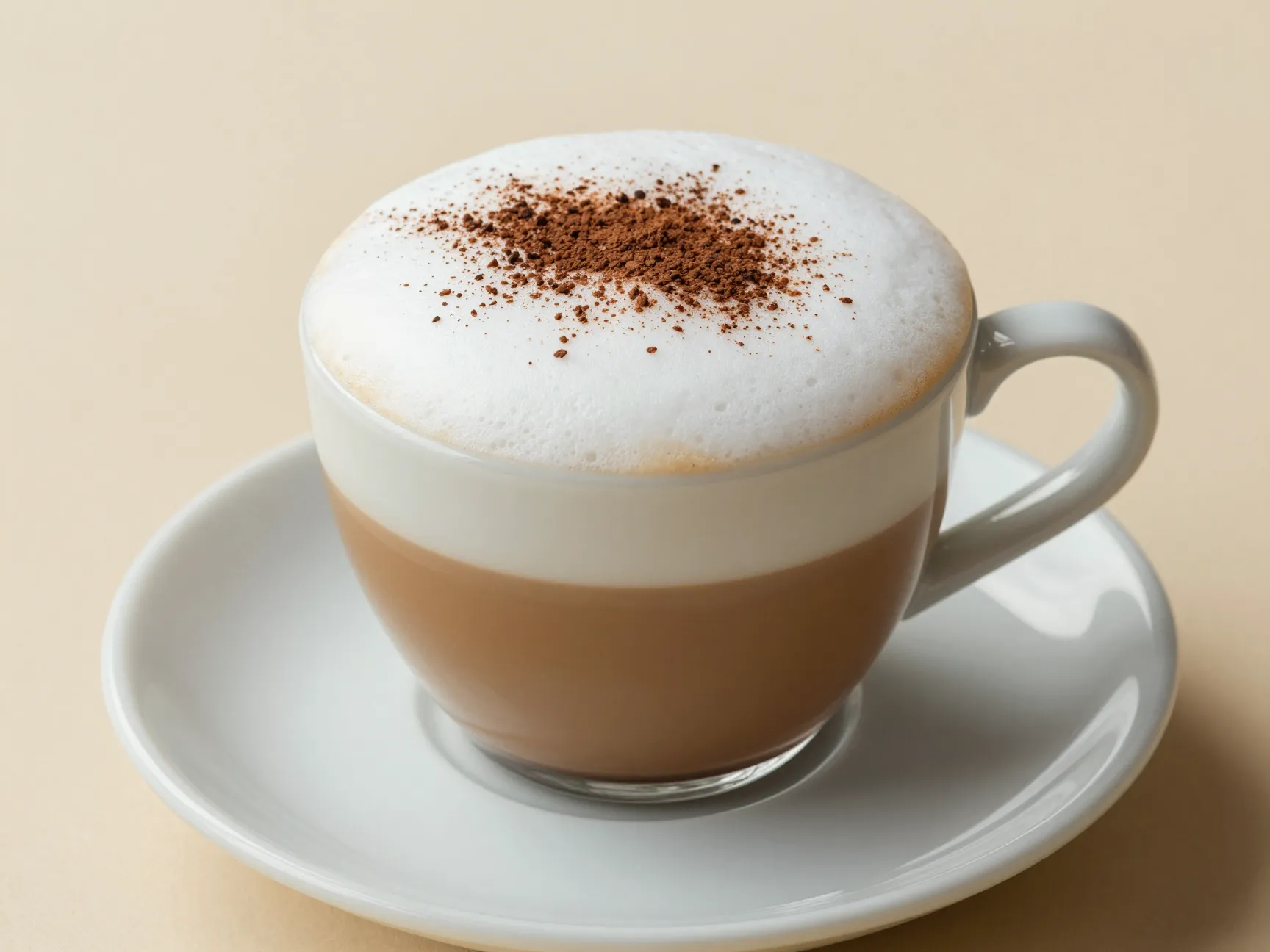
A classic cappuccino follows a strict 1:1:1 ratio — one part espresso, one part steamed milk, one part milk foam. The traditional Italian cappuccino is served in a 150–180ml cup and is considered a morning-only drink in Italy (ordering one after 11am will earn you a polite but firm look from a Roman barista).
Flavor profile: Bold espresso character balanced by creamy sweetness from steamed milk, with a dry, airy foam on top that adds texture without diluting the coffee [6].
The wet vs. dry cappuccino debate:
- Wet cappuccino: More steamed milk, less foam — creamier and milder
- Dry cappuccino: Less milk, more foam — stronger coffee flavor, lighter texture
Best for: Those who want a milk-based drink that still lets the espresso shine through [4].
6. Latte
The world’s most popular espresso drink — for good reason.
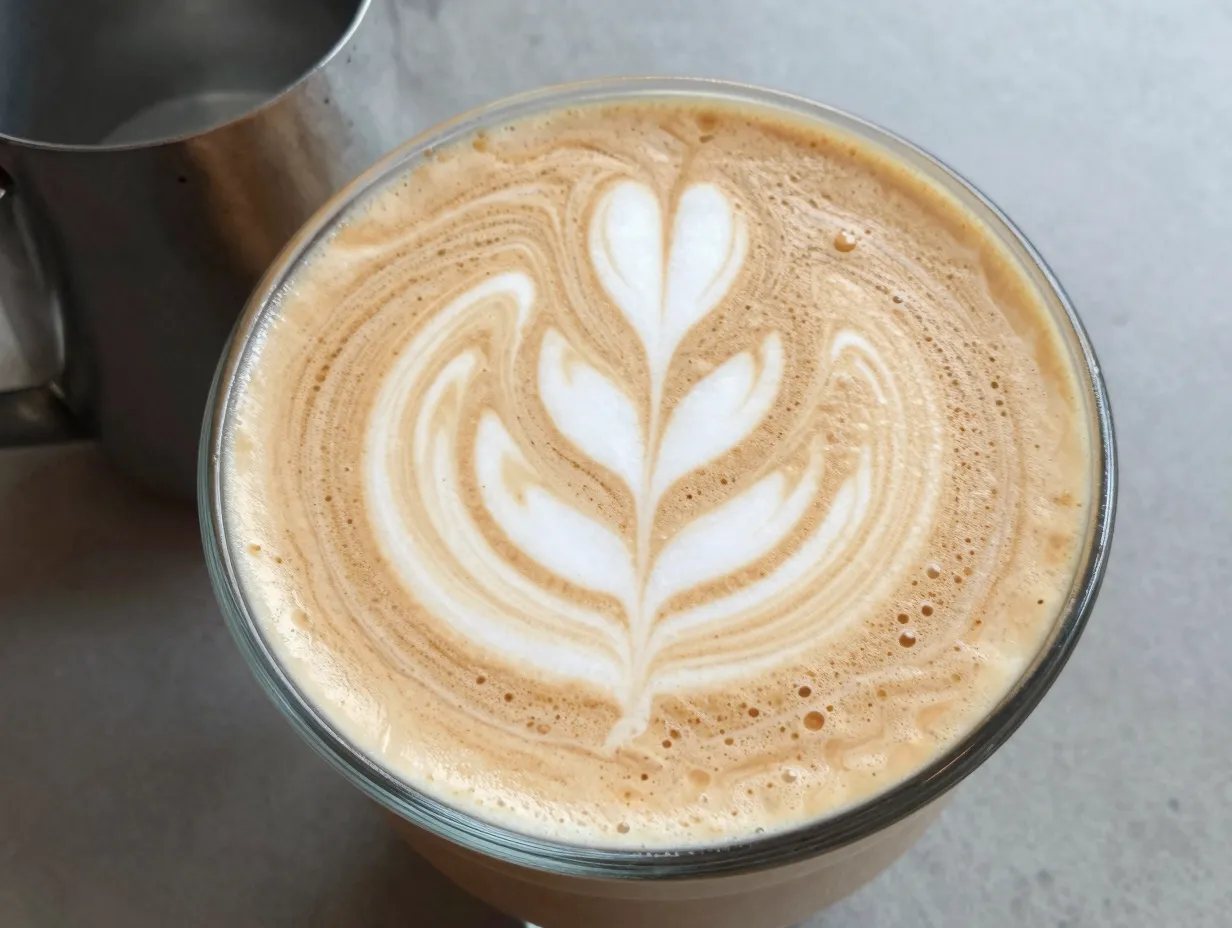
A latte (short for caffè latte, meaning “”) uses a higher milk-to-espresso ratio than a cappuccino — typically 1 part espresso to 3–4 parts steamed milk, topped with just a thin layer of microfoam [6][7].
Flavor profile: Mild, creamy, and sweet. The large volume of steamed milk softens the espresso significantly, making this the most approachable drink for new coffee drinkers [2].
: The microfoam in a latte is what enables baristas to pour rosettas, tulips, and hearts. The smooth, velvety texture of properly steamed milk is essential for this.
Latte vs. Cappuccino at a glance:
| Feature | Latte | Cappuccino |
|---|---|---|
| Milk ratio | High (3–4:1) | Equal (1:1:1) |
| Foam | Thin microfoam | Thick, dry foam |
| Espresso intensity | Mild | Moderate |
| Cup size | 240–360ml | 150–180ml |
Best for: Milk lovers, beginners, and anyone who wants a comforting, café-style drink [7].
7. Flat White
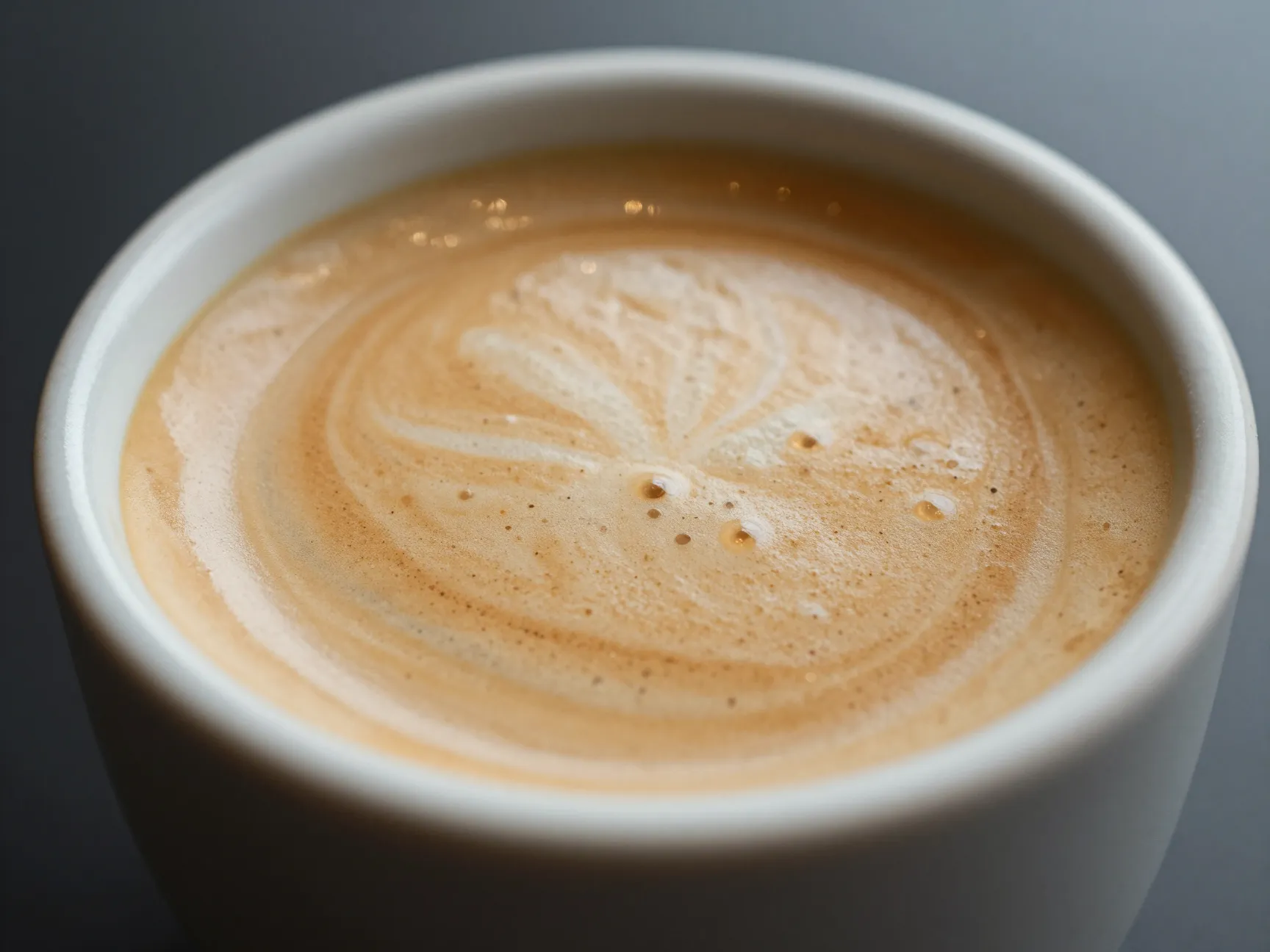
Australia’s gift to the global coffee scene.
The flat white originated in Australia and New Zealand in the 1980s and has since conquered café menus worldwide. It sits between a latte and a cappuccino in terms of size and milk ratio — typically 150–165ml with a double ristretto or espresso base and a thin layer of velvety microfoam [8].
What makes it different from a latte?
- Smaller volume = stronger espresso presence
- Microfoam is thinner and silkier (no dry foam)
- Often uses a ristretto base for a sweeter, more concentrated coffee flavor [8]
Flavor profile: Intense, rich espresso character with a smooth, velvety milk texture. The coffee-to-milk ratio is higher than a latte, so the espresso really comes through [4].
Best for: Espresso enthusiasts who want milk texture without losing coffee intensity.
8. Macchiato
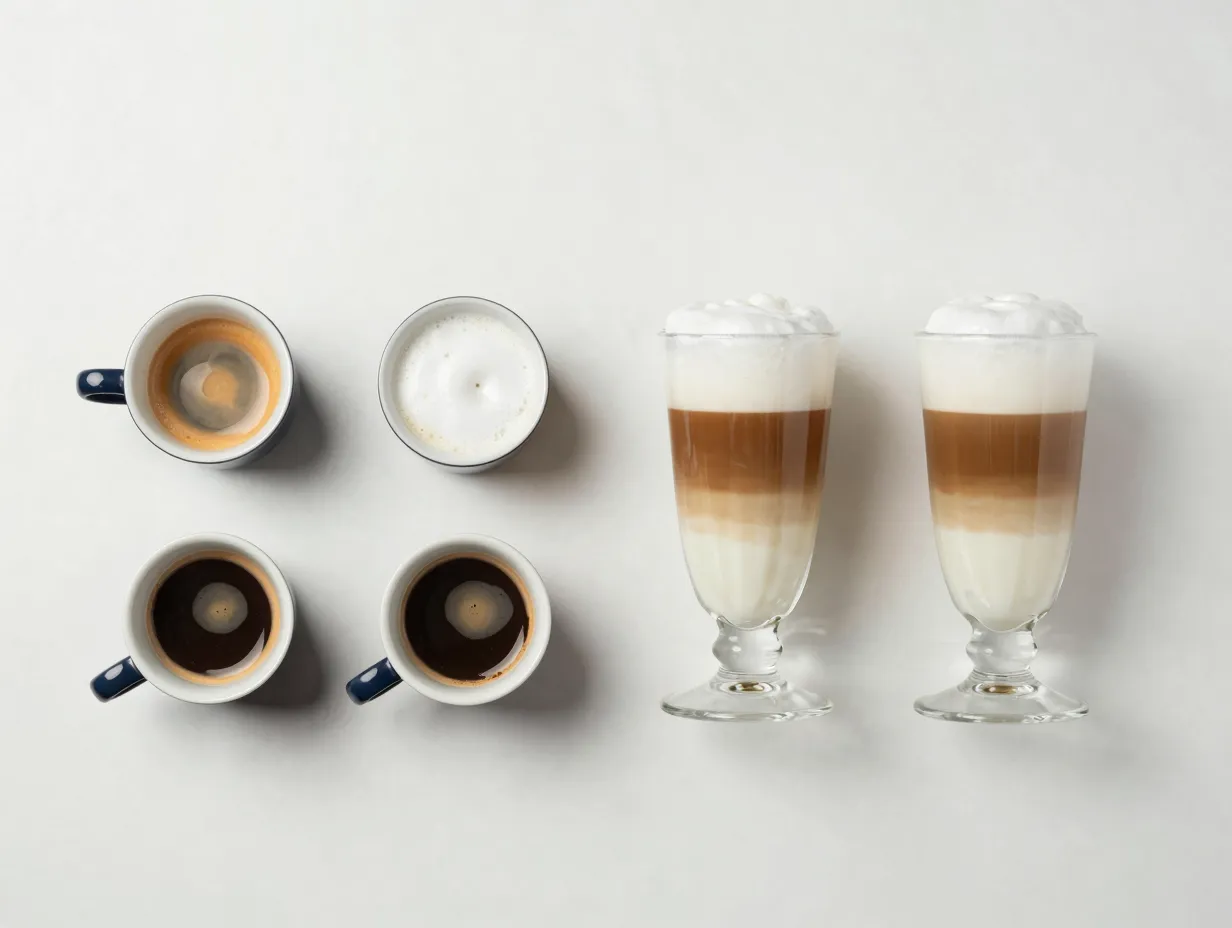
Two drinks share one name — and they couldn’t be more different.
The word macchiato means “stained” or “marked” in Italian, which describes the preparation perfectly. However, there are two very different drinks that carry this name:
(traditional):
- A single or double espresso “stained” with a small dollop of steamed milk or foam
- Volume: ~40–60ml
- Flavor: Bold, strong espresso with just a hint of milk sweetness [6]
Latte Macchiato (modern café style):
- Steamed milk “stained” with espresso — the opposite construction
- Volume: ~240–300ml
- Espresso is poured through the milk, creating a layered visual effect
- Flavor: Mild, milky, with espresso notes emerging through the layers [7]
⚠️ Order carefully: If you ask for a “macchiato” at an Italian café, you’ll get the small espresso version. At a chain café in most English-speaking countries, you’ll likely receive the tall, layered latte macchiato.
Best for: Espresso macchiato suits purists; latte macchiato suits those who love the visual drama and a milder flavor.
9. Cold Brew
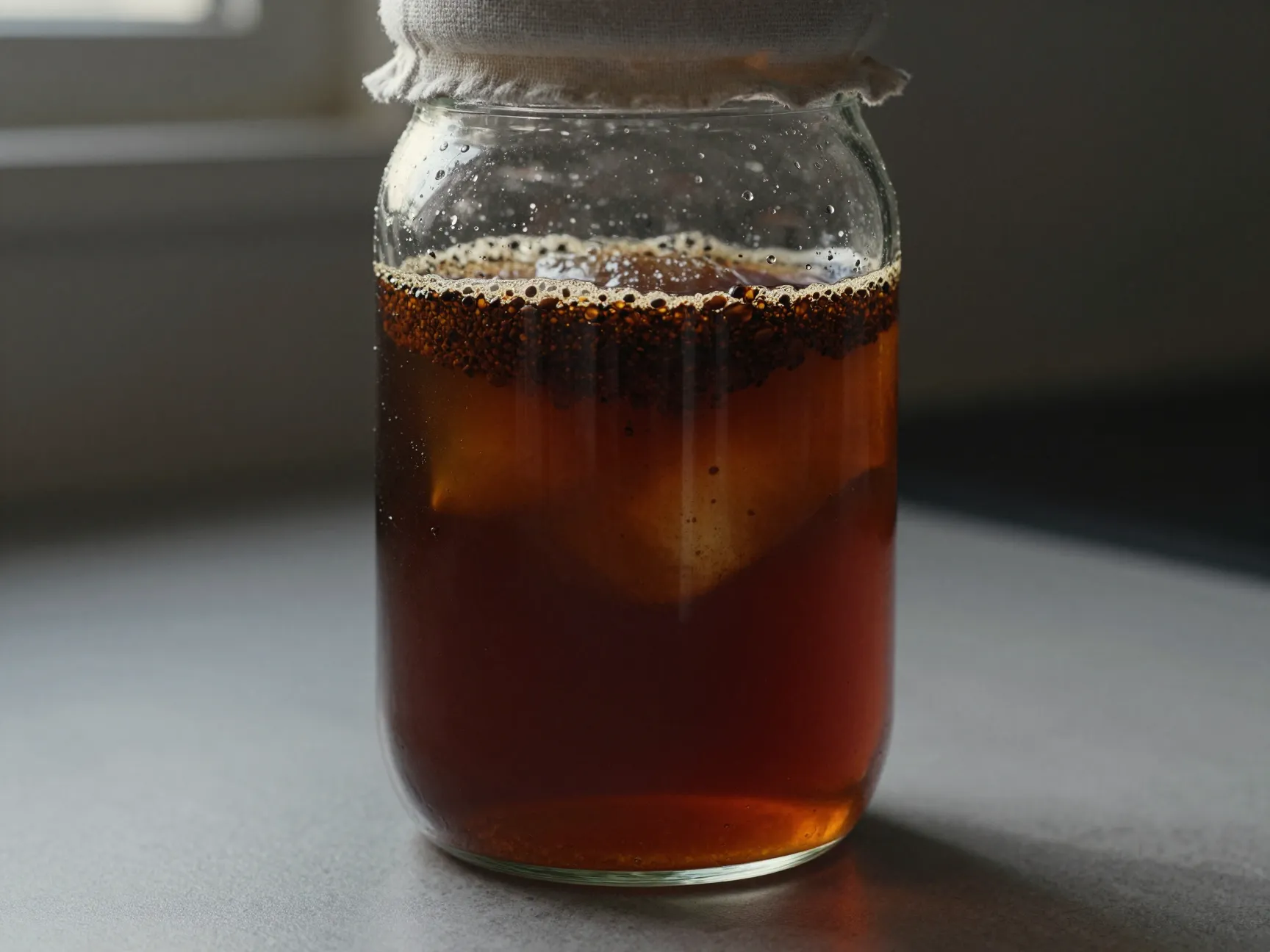
The slowest extraction. The smoothest result.
Cold brew is the outlier in this list — it uses no heat at all. Coarsely ground coffee steeps in cold or room-temperature water for 12–24 hours, producing a smooth, low-acid concentrate that can be diluted with water or milk before serving [2][3].
Flavor profile: Naturally sweet, chocolatey, and remarkably smooth. The absence of heat means fewer acidic and bitter compounds are extracted, resulting in a drink that tastes inherently sweeter without any added sugar [3].
Cold brew vs. :
- Iced coffee = hot-brewed coffee poured over ice (faster, more acidic)
- Cold brew = cold-steeped concentrate (slower, smoother, lower acid)
Caffeine note: Despite tasting milder than espresso, cold brew concentrate can contain significantly more caffeine per serving than a standard espresso shot due to the extended steeping time and larger volume [2].
Best for: Those sensitive to coffee’s acidity, anyone who prefers cold drinks, and people who want to meal-prep their coffee in advance.
Understanding the Full Spectrum: A Quick Reference Guide
Here’s a consolidated view of all 9 Coffee Drinks Types Explained: From Americano to Ristretto, organized by intensity:
| # | Drink | Base | Volume | Intensity | Milk? |
|---|---|---|---|---|---|
| 1 | Ristretto | Espresso | ~20ml | ⭐⭐⭐⭐⭐ | No |
| 2 | Espresso | Espresso | ~35ml | ⭐⭐⭐⭐⭐ | No |
| 3 | Flat White | Ristretto/Espresso | ~165ml | ⭐⭐⭐⭐ | Yes |
| 4 | Lungo | Espresso | ~80ml | ⭐⭐⭐ | No |
| 5 | Cappuccino | Espresso | ~165ml | ⭐⭐⭐ | Yes |
| 6 | Americano | Espresso + water | ~200ml | ⭐⭐⭐ | No |
| 7 | Macchiato | Espresso | ~50ml | ⭐⭐⭐⭐ | Trace |
| 8 | Latte | Espresso | ~300ml | ⭐⭐ | Yes |
| 9 | Cold Brew | Cold steep | ~300ml | ⭐⭐⭐ | Optional |
Choosing the Right Drink for You
Not sure where to start? Use this simple decision framework:
You want maximum flavor intensity with minimum volume → Choose Ristretto or Espresso [1]
You want a black coffee without a filter machine → Choose Lungo or Americano [1]
You want espresso with milk but still bold → Choose Flat White or Cappuccino [4][8]
You want something mild and creamy → Choose Latte or Latte Macchiato [7]
You’re sensitive to acidity or prefer cold drinks → Choose Cold Brew [2][3]
Common Coffee Myths — Debunked
Myth 1: “Darker roast = more caffeine”
Actually, lighter roasts retain slightly more caffeine because the roasting process degrades caffeine over time. The difference is small, but it’s the opposite of what most people assume.
Myth 2: “Espresso has more caffeine than drip coffee”
Per ounce, yes. Per serving, no. A standard 30ml espresso contains roughly 60–75mg of caffeine. A 240ml cup of drip coffee contains 95–200mg [2].
Myth 3: “A lungo is just a watered-down espresso”
No — a lungo is brewed through the coffee, not diluted after. The extended extraction changes the chemical composition of the drink, not just the volume [1].
Myth 4: “Cold brew is just iced coffee”
These are fundamentally different beverages. Cold brew uses cold water and time; iced coffee uses hot water and ice. The flavor profiles are distinct [2][3].
Conclusion: Your Next Steps at the Coffee Bar
Understanding 9 Coffee Drinks Types Explained: From Americano to Ristretto isn’t just about sounding knowledgeable at a café — it’s about getting the exact experience you want from every cup.
Here’s what I recommend doing right now:
- Identify your flavor preference — Do you love intensity (ristretto, espresso) or smoothness (cold brew, latte)?
- Try a side-by-side comparison — Order a ristretto and a lungo at the same café and taste them back-to-back. The difference will be immediately obvious and educational.
- Experiment at home — If you have an , adjust your brew ratio by just 5g of water and taste the difference. This is the fastest way to understand extraction.
- Ask your barista — A good barista will always be happy to explain their espresso parameters. Most specialty cafés in 2026 display their brew ratios on a chalkboard or menu card.
- Keep notes — A simple phone note tracking what you ordered, where, and what you liked builds a personal flavor map faster than any guide can.
Coffee is one of the most complex flavor experiences on the planet — over 1,000 aromatic compounds have been identified in a single cup. The nine drinks in this guide represent just the beginning of that exploration. Start with what you know, push toward what you don’t, and let curiosity drive every order.
References
[1] Espresso Vs Ristretto Vs Lungo Vs Americano Unterschiede Geschmack Zubereitung – https://simonandbearns.coffee/en/blogs/kaffeeblog/espresso-vs-ristretto-vs-lungo-vs-americano-unterschiede-geschmack-zubereitung
[2] Types Of Coffee Drinks – https://coffenzo.com/types-of-coffee-drinks/
[3] Types Of Coffee – https://barista-essentials.com/blogs/blog/types-of-coffee
[4] Coffee Drinks Chart Explained – https://procoffeegear.com/blogs/articles/coffee-drinks-chart-explained
[5] Types Of Coffee Difference Between Them – https://coffeekev.com/types-of-coffee-difference-between-them/
[6] Types Of Coffee Drinks – https://www.webstaurantstore.com/article/397/types-of-coffee-drinks.html
[7] Coffee Types Explained – https://www.lorespresso.com/en_ie/cp/blog/coffee-types-explained
[8] What Sets Ristretto Doppio Lungo And Americano Apart – https://www.coffeefriend.co.uk/blog/espresso-variations-what-sets-ristretto-doppio-lungo-and-americano-apart/