
8 Best Italian Espresso Moka Pots & How to Brew Authentically
Over 200 million moka pots are in use around the world right now — and the design powering most of them has barely changed since 1933. That single fact tells you everything about how well this humble stovetop brewer works. If you’re searching for the 8 Best Moka Pots & How to Brew Authentically, you’ve landed in the right place.
Disclosure: This post contains affiliate links. As an Amazon Associate, we earn from qualifying purchases, and at no extra cost to you.
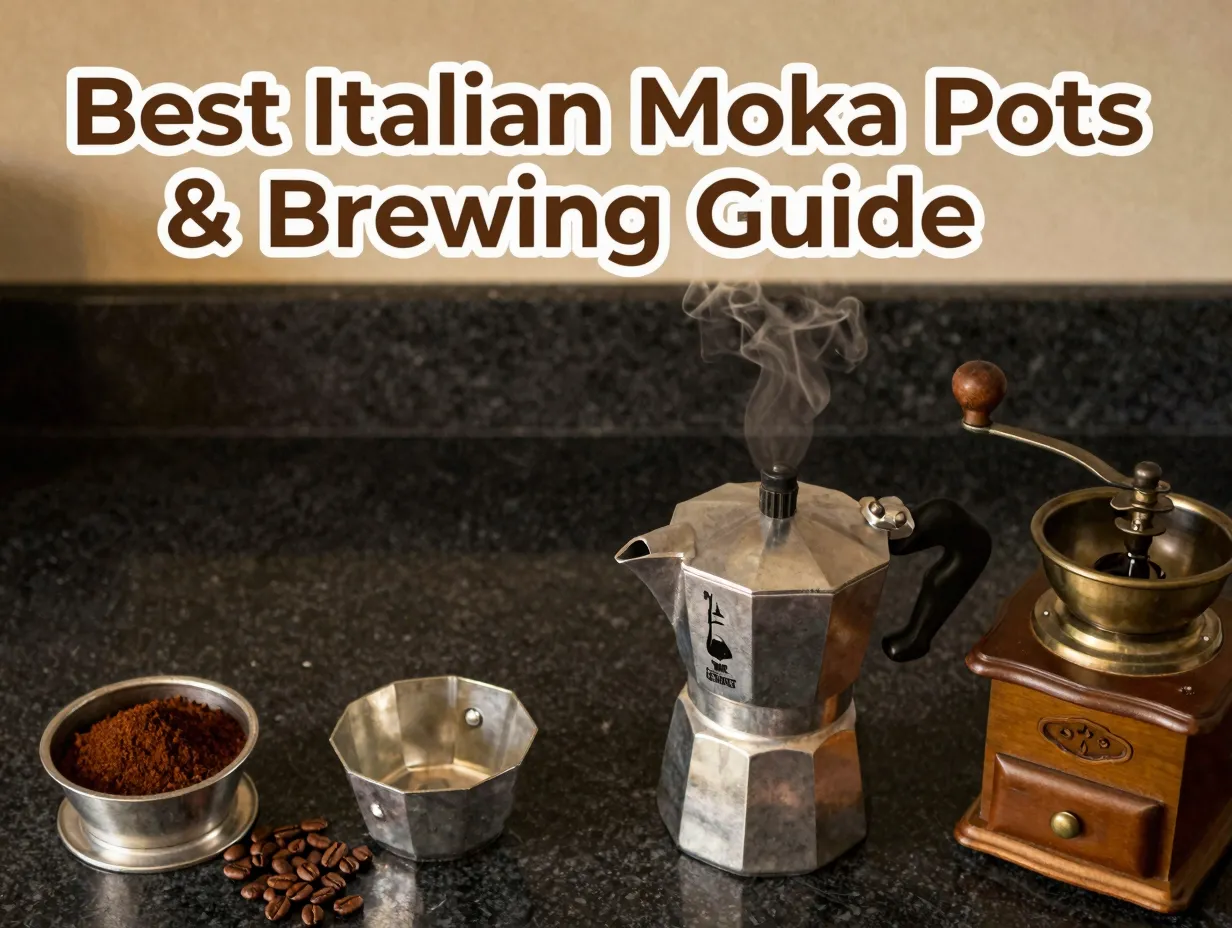
This guide cuts through the noise. I’ll rank the top eight moka pots available in 2026, explain exactly what separates a great one from a mediocre one, and walk you through a foolproof brewing method — the same one used in Italian households for generations.
Key Takeaways
- 🏆 Bialetti Moka Express remains the gold standard — made in Italy since 1933 with an aluminum body for even heat distribution [3]
- ⚠️ Moka pots do NOT make true espresso — real espresso requires 8–10 bars of pressure that only dedicated machines can produce [4]
- ☕ Grind matters enormously — use a fine-to-medium-fine grind; espresso-fine grounds can clog filters and create dangerous pressure [4]
- 💧 Never overfill the water chamber — fill only to the safety valve level and never pack the [6]
- 🔥 Remove from heat the moment you hear bubbling — prolonged heat scorches the coffee in the upper chamber [1]
What Is a Moka Pot and Why Does It Matter?
The moka pot was invented in 1933 by Alfonso Bialetti, an Italian engineer who wanted to bring café-quality coffee into ordinary homes [5]. The device uses steam pressure to push hot water up through a filter basket packed with ground coffee, delivering a bold, concentrated brew into the upper chamber.
Here’s the important truth most people miss: moka pot coffee is not technically espresso. True espresso is brewed at 8–10 bars of pressure, achievable only with dedicated . A moka pot generates roughly 1–2 bars [4]. The result is still rich, intense, and deeply satisfying — just a different category of coffee. Think of it as “moka coffee” rather than espresso.
“The moka pot democratized strong coffee. It didn’t try to be an espresso machine — it became something better: a ritual.”
Understanding this distinction helps you choose the right tool and set the right expectations. Now let’s get into the rankings.
The 8 Best Italian Espresso Moka Pots & How to Brew Authentically: Full Rankings
The following eight moka pots were evaluated on build quality, material, heat compatibility, ease of use, and value. Each one earns its place on this list for a different reason.
1. Bialetti Moka Express
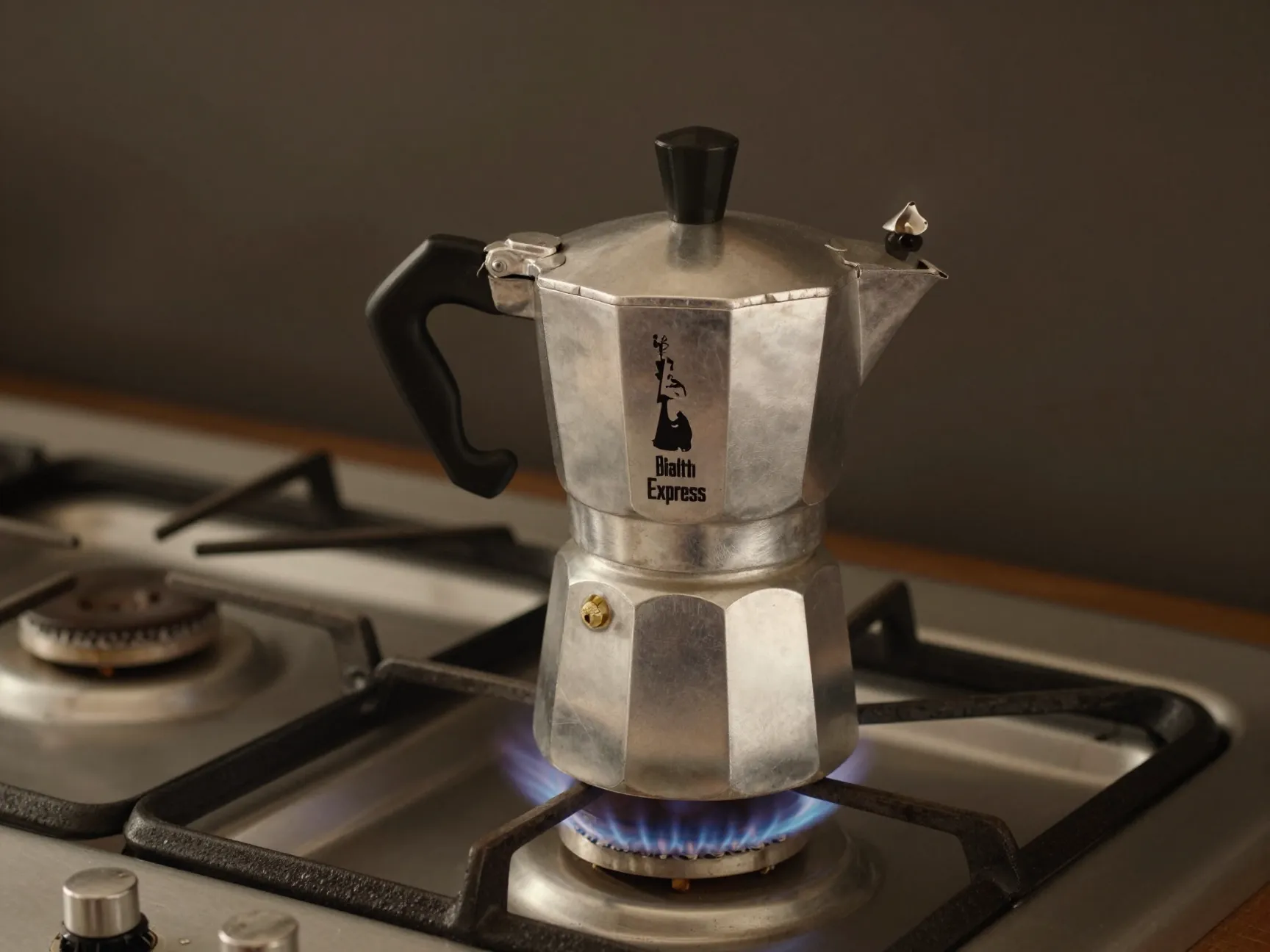
The undisputed classic. The Bialetti Moka Express has been manufactured since 1933 and continues to be made exclusively in Italy [3]. Its octagonal aluminum body isn’t just iconic — it’s functional. Aluminum heats evenly and quickly, which means more consistent extraction.
| Feature | Detail |
|---|---|
| Material | Aluminum |
| Sizes Available | 1, 2, 3, 6, 9, 12 cups |
| Stovetop Compatibility | Gas, electric (not induction) |
| Made In | Italy |
| Best For | Traditionalists, beginners |
Why it wins: Decades of refinement, widely available replacement parts, and a price point that makes it accessible to everyone. If you only ever own one moka pot, make it this one.
2. Bialetti Brikka
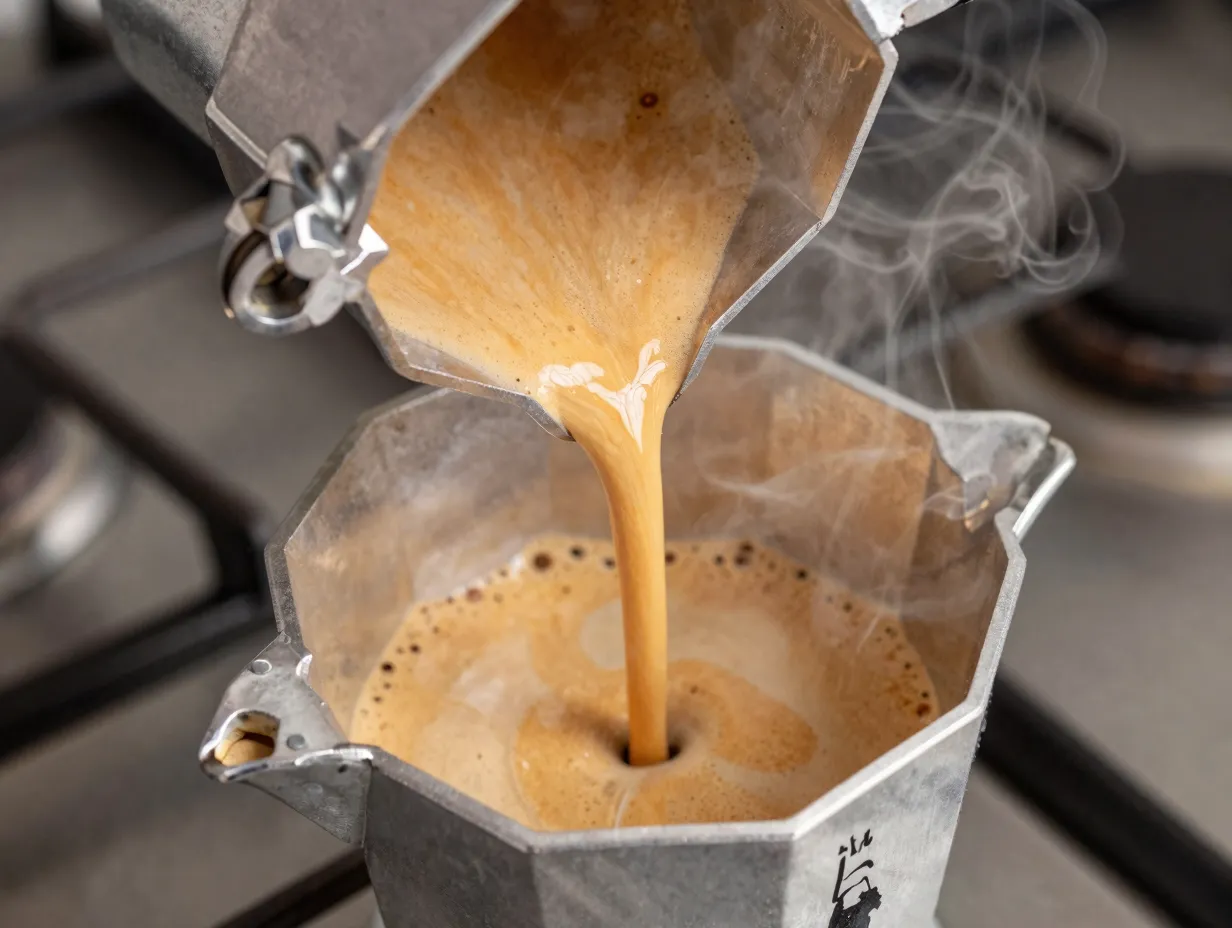
The Brikka is Bialetti’s upgraded model, featuring a pressure valve in the top chamber that creates a slightly higher brew pressure. The result is a thicker, creamier layer on top of your coffee — the closest a moka pot gets to espresso crema [1].
| Feature | Detail |
|---|---|
| Material | Aluminum |
| Sizes Available | 2, 4 cups |
| Stovetop Compatibility | Gas, electric (not induction) |
| Unique Feature | Pressure-valve crema system |
| Best For | Crema lovers, espresso fans |
Why it wins: If you want the richest, most espresso-like moka coffee possible without buying a full espresso machine, the Brikka delivers.
3. Bialetti Venus
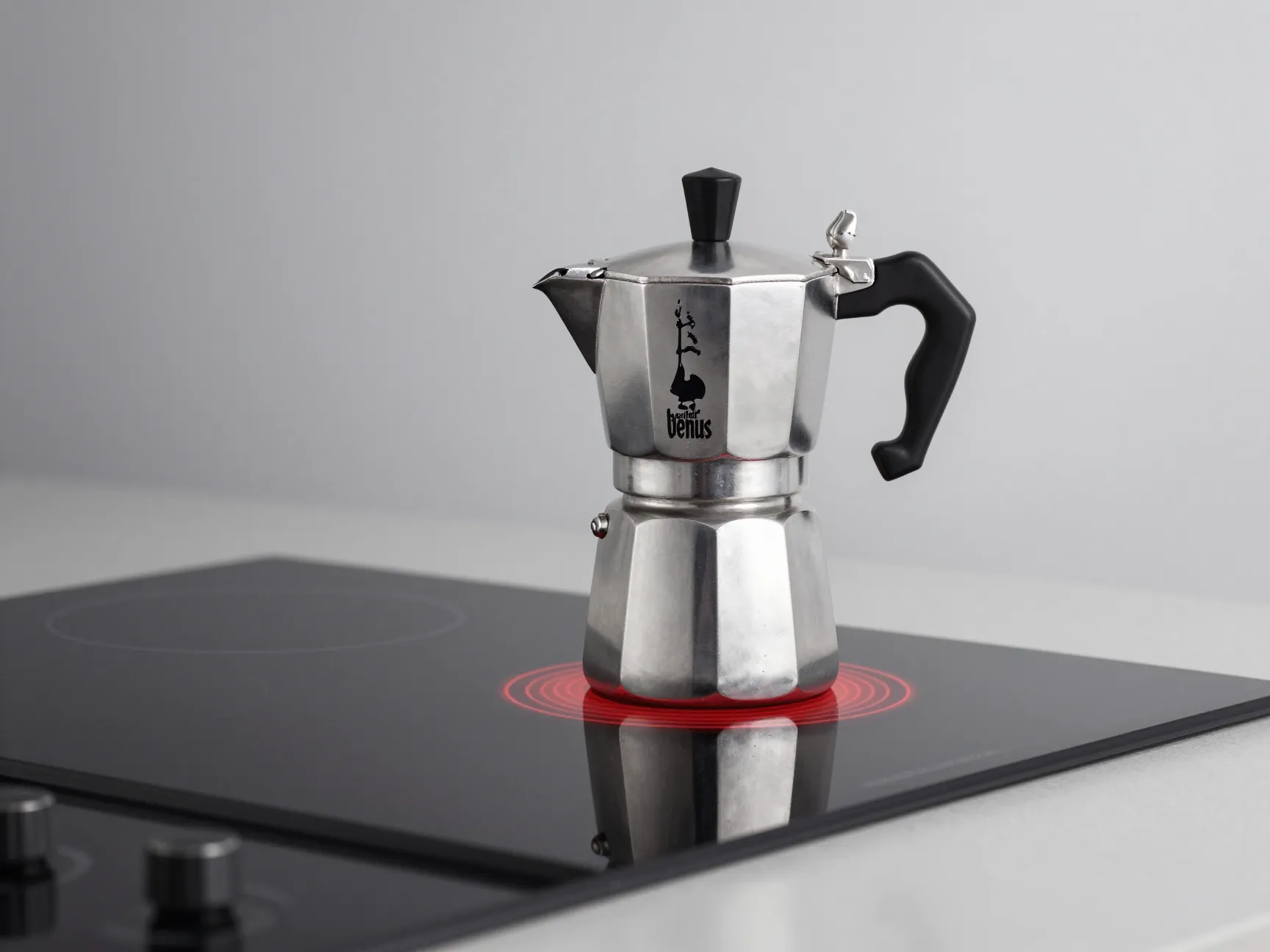
The Venus is Bialetti’s stainless steel answer to the classic Moka Express. Its polished stainless steel body makes it induction-compatible — a game changer for modern kitchens — while retaining the brand’s trusted brewing mechanics.
| Feature | Detail |
|---|---|
| Material | 18/10 Stainless Steel |
| Sizes Available | 2, 4, 6, 10 cups |
| Stovetop Compatibility | Gas, electric, induction |
| Dishwasher Safe | Yes (top rack) |
| Best For | Induction stovetop users |
Why it wins: All the Bialetti reliability with full stovetop compatibility. The stainless steel also resists corrosion and is easier to clean.
4. Alessi 9090
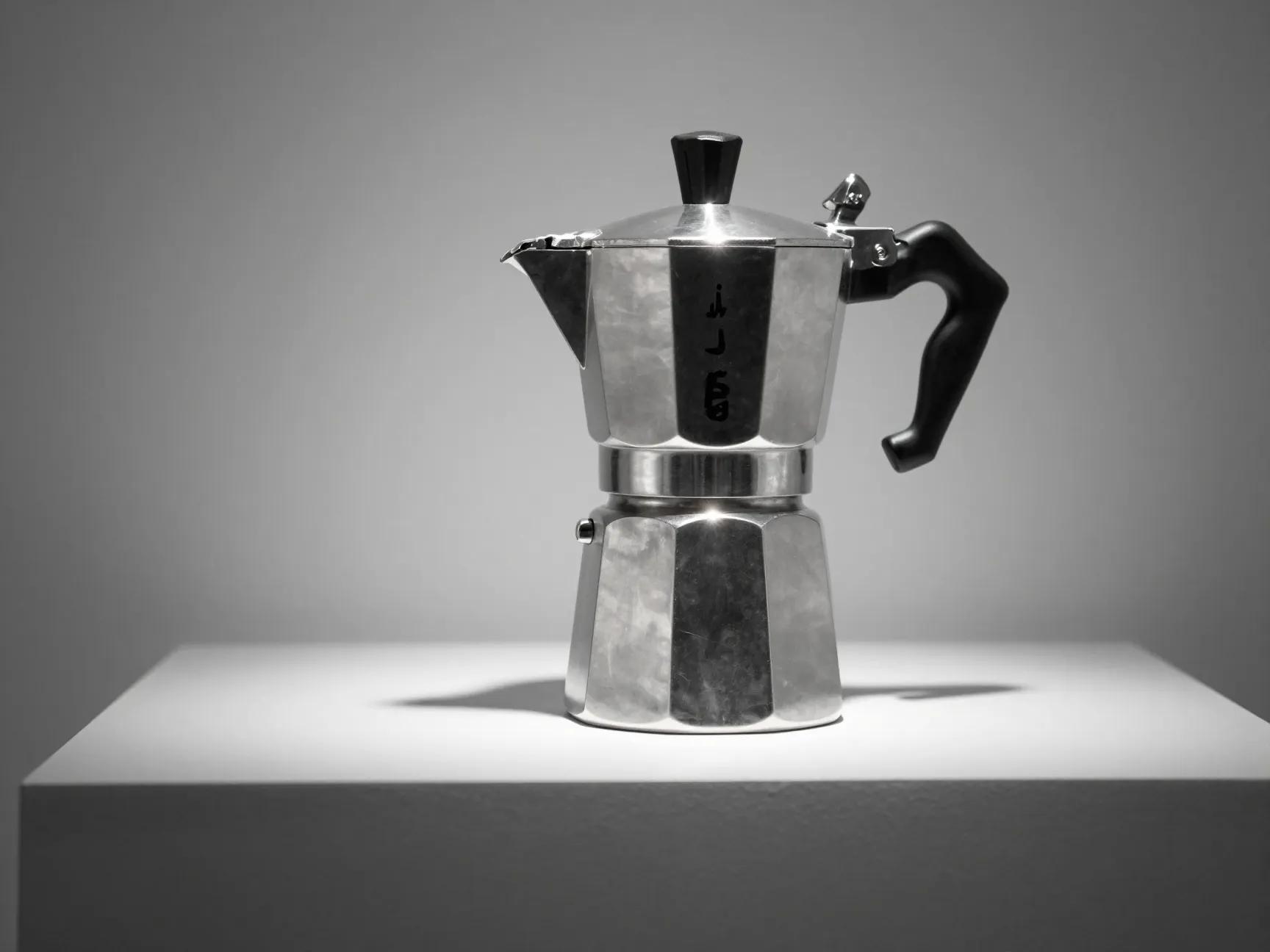
Designed by Richard Sapper in 1979, the Alessi 9090 was the first espresso to enter the permanent collection of the Museum of Modern Art in New York. This is not just a coffee brewer — it’s a design artifact.
| Feature | Detail |
|---|---|
| Material | 18/10 Stainless Steel |
| Sizes Available | 1, 3, 6, 10 cups |
| Stovetop Compatibility | Gas, electric, induction |
| Design Pedigree | MoMA permanent collection |
| Best For | Design enthusiasts, gift buyers |
Why it wins: Unmatched aesthetic prestige combined with genuine brewing performance. The lid opens with a satisfying flip mechanism that feels luxurious every morning.
5. Ilsa Fiammetta
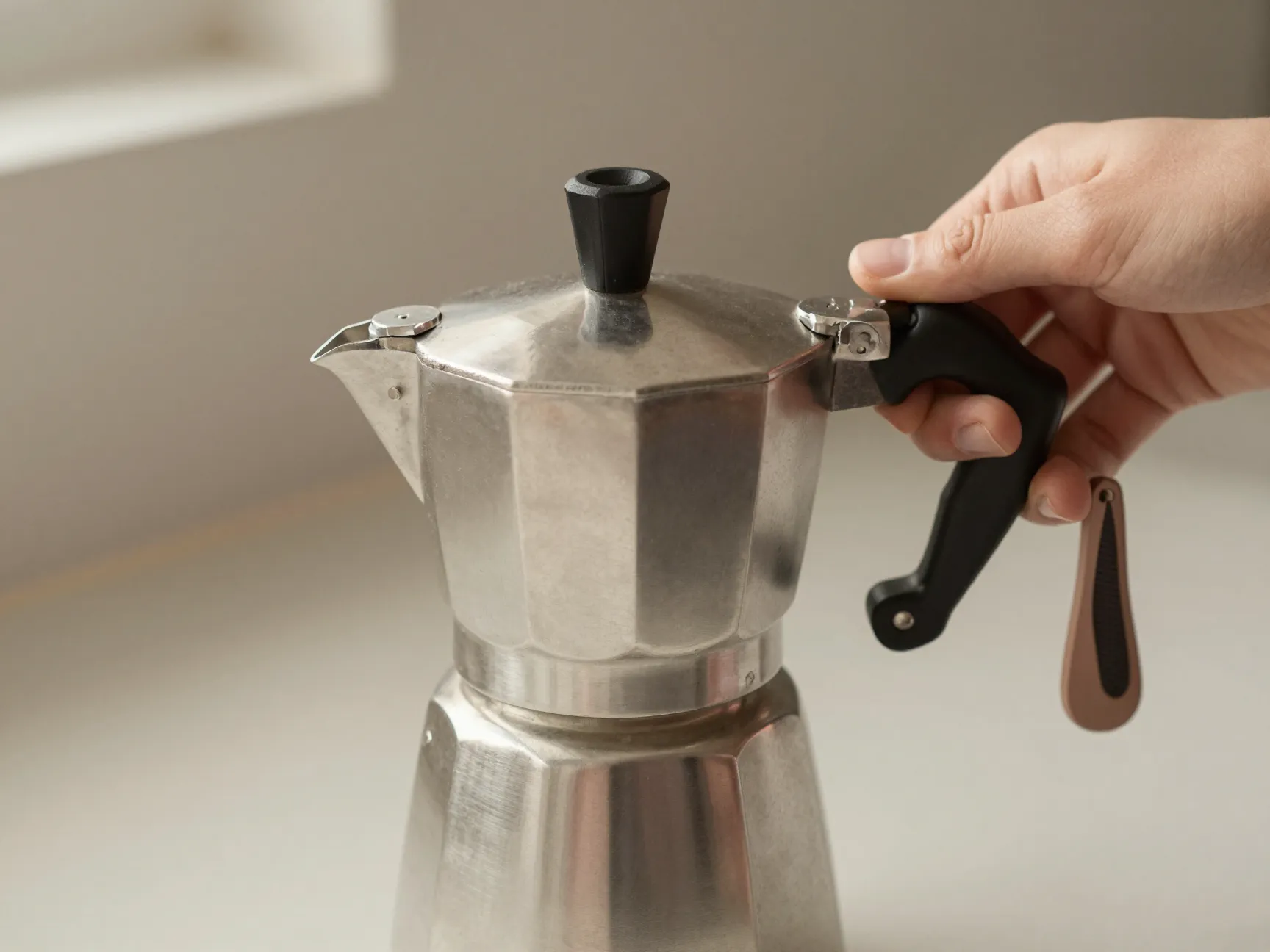
The Ilsa Fiammetta is a lesser-known gem from a historic Italian manufacturer. Its stainless steel body and ergonomic handle design make it one of the most comfortable moka pots to use daily. Ilsa has been crafting Italian for over 100 years.
| Feature | Detail |
|---|---|
| Material | Stainless Steel |
| Sizes Available | 3, 6, 9 cups |
| Stovetop Compatibility | Gas, electric, induction |
| Handle Design | Ergonomic, heat-resistant |
| Best For | Daily heavy users |
Why it wins: Durability-first construction at a mid-range price. The Fiammetta is built to last decades with minimal maintenance.
6. Pedrini Moka Stovetop Espresso Maker
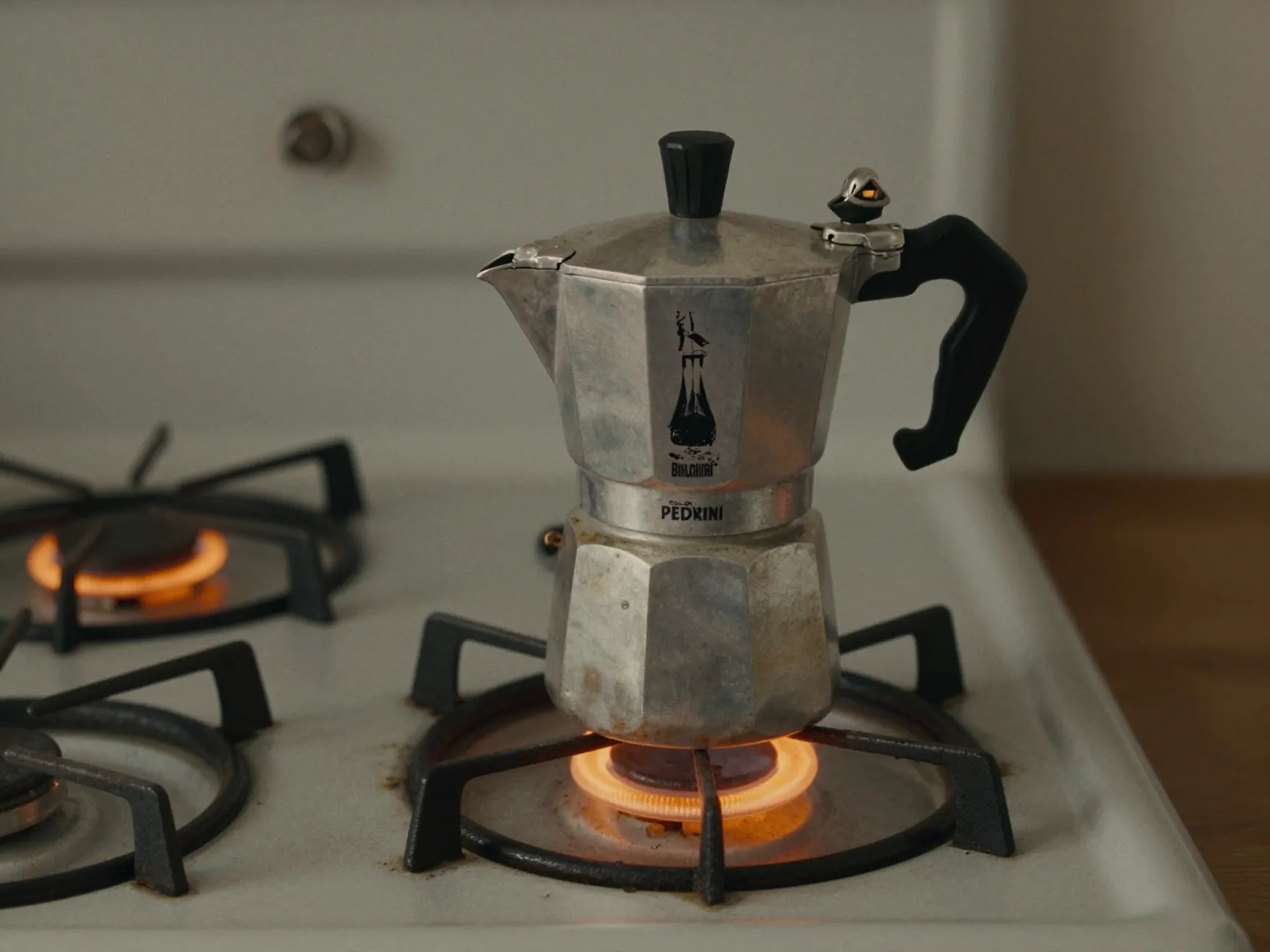
Pedrini is a respected Italian housewares brand that produces a reliable, no-frills moka pot at a budget-friendly price. The aluminum construction mirrors the Bialetti Express in performance but often comes in at a lower cost.
| Feature | Detail |
|---|---|
| Material | Aluminum |
| Sizes Available | 3, 6, 9 cups |
| Stovetop Compatibility | Gas, electric |
| Price Point | Budget-friendly |
| Best For | Budget buyers, students |
Why it wins: Genuine Italian manufacturing at a price that makes it easy to recommend as a first moka pot or a travel companion.
7. Grosche Milano Steel
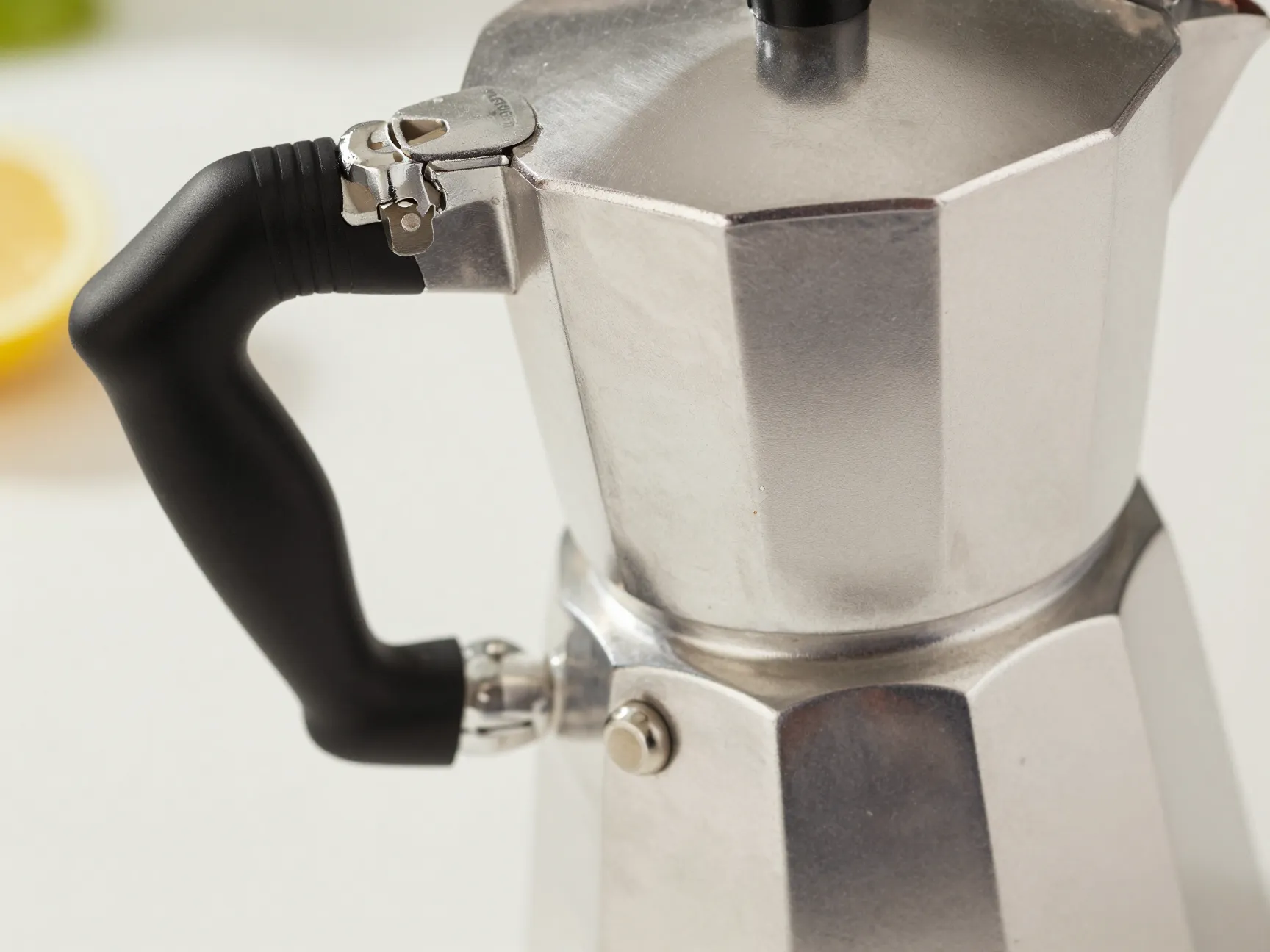
The Grosche Milano Steel brings stainless steel construction to a competitive price bracket. It’s induction-compatible and comes with a silicone handle that stays cool even over high heat — a small but meaningful upgrade over older designs.
| Feature | Detail |
|---|---|
| Material | Stainless Steel |
| Sizes Available | 3, 6, 9, 12 cups |
| Stovetop Compatibility | Gas, electric, induction |
| Handle | Silicone-wrapped, cool-touch |
| Best For | Induction users on a budget |
Why it wins: Best value stainless steel option. The cool-touch handle is a practical feature that many premium brands overlook.
8. Cuisinox Roma
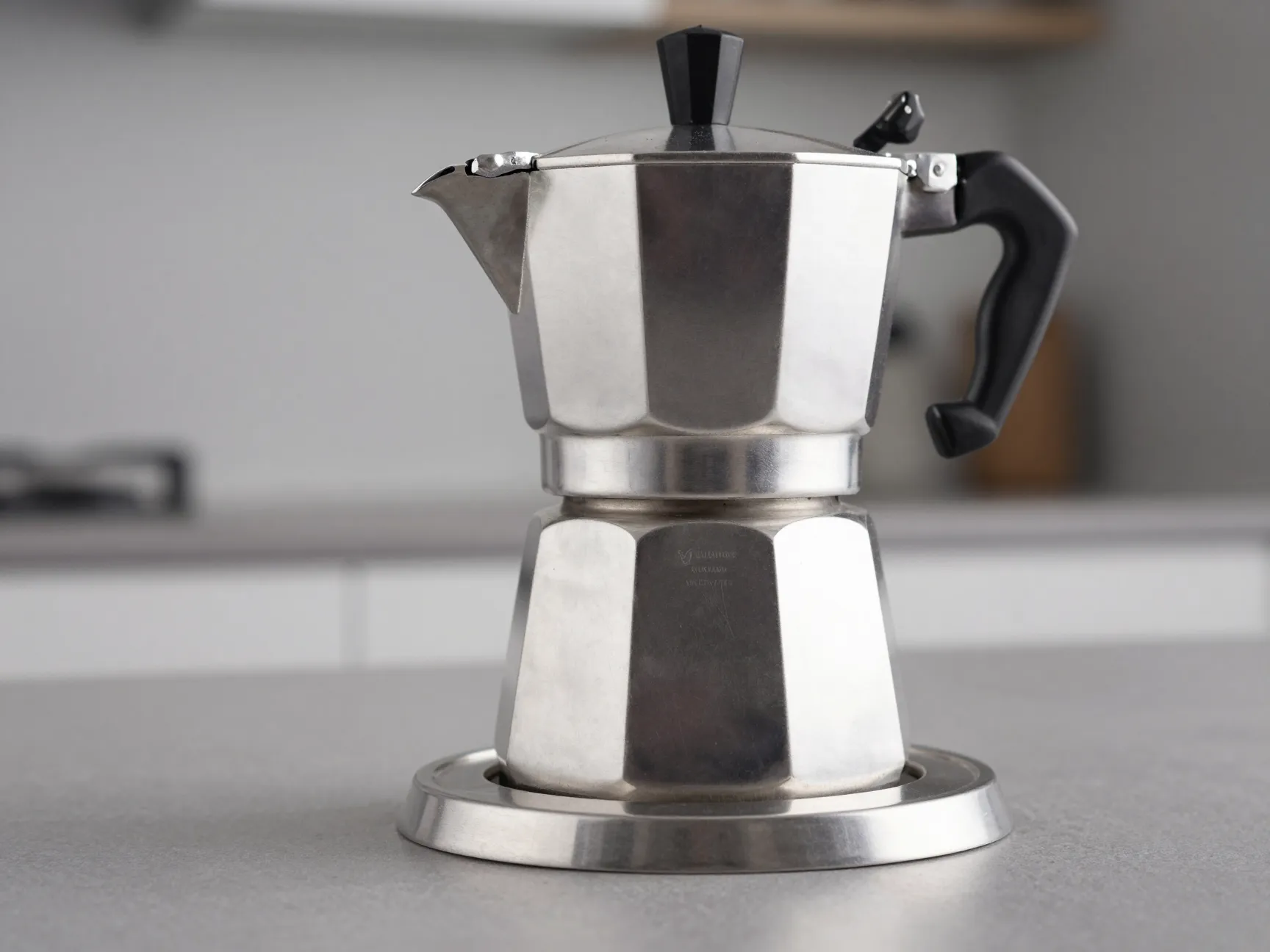
The Cuisinox Roma rounds out this list with its heavy-gauge stainless steel body and a wide base that maximizes contact with the heat source. It’s a favorite among coffee enthusiasts who want consistent extraction across larger batches.
| Feature | Detail |
|---|---|
| Material | 18/10 Stainless Steel |
| Sizes Available | 4, 6, 10 cups |
| Stovetop Compatibility | Gas, electric, induction |
| Base Design | Wide-base for even heating |
| Best For | Large households, entertaining |
Why it wins: The wide-base design genuinely improves heat distribution for larger sizes, where many moka pots struggle to brew evenly.
Quick Comparison: All 8 Moka Pots at a Glance
| Rank | Model | Material | Induction | Best For | Price Range |
|---|---|---|---|---|---|
| 1 | Bialetti Moka Express | Aluminum | ❌ | Traditionalists | $ |
| 2 | Bialetti Brikka | Aluminum | ❌ | Crema lovers | $$ |
| 3 | Bialetti Venus | Stainless Steel | ✅ | Induction users | $$ |
| 4 | Alessi 9090 | Stainless Steel | ✅ | Design fans | $$$$ |
| 5 | Ilsa Fiammetta | Stainless Steel | ✅ | Daily heavy users | $$ |
| 6 | Pedrini Moka | Aluminum | ❌ | Budget buyers | $ |
| 7 | Grosche Milano Steel | Stainless Steel | ✅ | Budget induction | $ |
| 8 | Cuisinox Roma | Stainless Steel | ✅ | Large households | $$$ |
How to Brew Authentically: The Complete Moka Pot Method
Understanding the 8 Best Italian Espresso Moka Pots & How to Brew Authentically means nothing without knowing how to actually use one. Here’s the step-by-step method used in Italian homes every single morning.
Step 1: Choose the Right Grind
Use a fine-to-medium-fine grind — finer than , but coarser than espresso. Espresso-fine grounds will clog the filter basket and can create dangerous pressure buildup inside the pot [4]. If you’re buying pre-ground coffee, look for bags labeled “moka” or “stovetop espresso.”
💡 Pro tip: A burr grinder gives you far more control over grind size than a blade grinder. Even a modest hand burr grinder will dramatically improve your results.
Step 2: Fill the Water Chamber Correctly
Fill the bottom chamber with cold water up to the safety valve — never above it [6]. The safety valve is a small metal nub on the side of the lower chamber. Overfilling reduces and can be a safety hazard.
Some brewers use hot water to speed up the process and reduce heat exposure on the aluminum. This is a valid technique, but cold water works perfectly well and is the traditional method.
Step 3: Load the Filter Basket
Fill the filter basket completely with ground coffee — but do NOT tamp or pack it down [6][7]. Unlike espresso, moka pot brewing does not benefit from compression. In fact, packing the grounds too tightly restricts water flow and can cause the safety valve to release pressure.
Level the grounds with your finger or a small spoon. That’s all you need.
Step 4: Assemble and Apply Heat
Screw the upper and lower chambers together firmly. Place the pot on your stovetop over low to medium-low heat. Using high heat is one of the most common mistakes — it rushes the brew, scorches the coffee, and produces a bitter, harsh result [7].
Step 5: Watch and Listen
Keep the lid open so you can observe the coffee rising into the upper chamber. The brew should flow steadily and quietly — a slow, golden-brown stream.
The moment you hear a gurgling or sputtering sound, remove the pot from heat immediately [1][2]. That sound means the water in the lower chamber is nearly exhausted. Leaving it on heat at this stage will burn the coffee already in the upper chamber.
Step 6: Cool and Serve
Run the base of the pot under cold water for a few seconds to stop the brewing process. This prevents residual heat from continuing to cook the coffee. Pour immediately into pre-warmed cups.
Common Moka Pot Mistakes (and How to Fix Them) ☕
1. Using in the base
Some guides recommend this, but it can cause the coffee to brew unevenly. Cold or room-temperature water is the standard approach.
2. Packing the grounds
This restricts flow and builds excess pressure. Always level — never tamp.
3. Using too high a flame
High heat rushes extraction and produces bitter coffee. Low and slow is the Italian way.
4. Leaving it on heat after brewing
Once you hear the gurgle, it’s done. Every second after that burns your coffee [1].
5. Not cleaning it properly
Rinse with warm water only — no soap. Soap strips the seasoning from aluminum pots and leaves a residue that affects flavor. Dry thoroughly after each use.
Aluminum vs. Stainless Steel: Which Should You Choose?
This is the most common question I get about moka pots. Here’s the honest breakdown:
| Factor | Aluminum | Stainless Steel |
|---|---|---|
| Heat Conductivity | ⭐⭐⭐⭐⭐ Excellent | ⭐⭐⭐ Good |
| Induction Compatible | ❌ No | ✅ Yes |
| Durability | Good (can pit over time) | Excellent |
| Weight | Light | Heavier |
| Flavor Impact | Slight metallic note when new | Neutral |
| Price | Lower | Higher |
| Cleaning | Rinse only, no soap | Dishwasher-safe options |
My recommendation: If you have a gas or electric coil stovetop, aluminum (especially the Bialetti Moka Express) is hard to beat for heat conductivity and tradition. If you have an induction stovetop or want something more durable and easier to clean, go stainless steel.
Choosing the Right Size for Your Needs
Moka pot sizes are measured in “cups” — but these are espresso-sized cups (roughly 1.5–2 oz), not standard . A “6-cup” moka pot makes about 10 oz of coffee total.
| Moka Pot Size | Standard Mugs | Best For | |
|---|---|---|---|
| 1-cup | 1 | — | Solo brewing, travel |
| 3-cup | 3 | ~1 | 1–2 people |
| 6-cup | 6 | ~2 | 2–4 people |
| 9-cup | 9 | ~3 | Families |
| 12-cup | 12 | ~4 | Entertaining |
⚠️ Important: Always brew a full pot. Moka pots are designed to fill the filter basket completely. Brewing a partial batch produces weak, uneven coffee.
Frequently Asked Questions
Can I use a moka pot on an induction stovetop?
Only stainless steel or induction-specific moka pots work on induction. Standard aluminum pots (like the classic Moka Express) are not induction-compatible. Use the Bialetti Venus, Ilsa Fiammetta, or Grosche Milano Steel instead.
How often should I replace the rubber gasket?
Every 1–2 years with regular use, or whenever you notice coffee leaking from the seal between the chambers. Replacement gaskets for popular models like the Bialetti are widely available and inexpensive.
What coffee roast works best?
Medium to dark roasts are traditional for moka brewing. Italian roasts — slightly darker and oilier — were specifically developed with the moka pot in mind. Light roasts can work but often taste thin or sour in a moka pot.
Is moka pot coffee strong?
Yes — significantly stronger than drip coffee. The concentration is similar to a lungo or Americano base. Many people dilute it with hot water or to taste.
Conclusion: Your Next Steps
The 8 Best Italian Espresso Moka Pots & How to Brew Authentically reviewed here cover every budget, stovetop type, and brewing preference. Whether you’re starting with the classic Bialetti Moka Express or investing in the design-forward Alessi 9090, the fundamental experience remains the same: rich, bold, deeply satisfying coffee brewed the Italian way.
Here’s what to do next:
- Choose your pot based on stovetop type (induction vs. gas/electric) and how many cups you need per brew.
- Source quality coffee — look for medium-dark Italian roasts ground specifically for moka/stovetop.
- Follow the brewing steps exactly — especially the grind size, water level, and heat rules.
- Taste and adjust — slightly coarser grind if it’s bitter; slightly finer if it tastes weak.
- Build the ritual — the moka pot rewards consistency and attention. Give it two weeks of daily brewing and you’ll never look back.
The moka pot has survived nearly a century because it works. Start brewing authentically today.
References
[1] Best Italian Coffee Moka Pots For Authentic Espresso At Home – https://somethingsbrewing.in/blogs/brewing-tips/best-italian-coffee-moka-pots-for-authentic-espresso-at-home
[2] Watch – https://www.youtube.com/watch?v=zOZQkXHcGl8
[3] Best Moka Pots Reviews – https://www.tastingtable.com/2115308/best-moka-pots-reviews/
[4] Ultimate Guide Moka Pot Coffee – https://www.javapresse.com/blogs/stovetop-brewing/ultimate-guide-moka-pot-coffee
[5] Watch – https://www.youtube.com/watch?v=IrFutBVUMDA
[6] How To Make Moka Coffee – https://www.illy.com/en-us/coffee/coffee-preparation/how-to-make-moka-coffee
[7] Tips Perfect Moka Coffee – https://specialcoffeeitaly.com/tips-perfect-moka-coffee/