8 Steps to Make an Espresso Martini That Rivals a Bar’s
The became the most-ordered cocktail in the United States in 2023, overtaking the classic margarita for the first time in decades — and home bartenders across the country are still struggling to recreate that thick, café-worthy foam at their kitchen counter. The difference between a flat, watery home version and a bar-quality almost always comes down to technique, not talent. Follow these 8 steps to make an espresso martini that rivals a bar’s, and you will never overpay for a mediocre one again.
Disclosure: This post contains affiliate links. As an Amazon Associate, we earn from qualifying purchases, and at no extra cost to you.

Key Takeaways 📌
- Fresh espresso is non-negotiable — it is the single biggest factor separating a great espresso martini from a forgettable one.
- The 1:1:1 ratio (vodka, , espresso) creates the perfect balance of strength, sweetness, and coffee flavor.
- Vigorous shaking for 10–12 seconds is what produces the signature thick foam topping.
- Chilled glassware keeps your cocktail at the right temperature from first sip to last.
- Three on top is the internationally recognized garnish — and it matters more than you think.
Why Most Homemade Espresso Martinis Fall Flat
Before diving into the steps, it helps to understand why home versions often disappoint. Most people make one of three mistakes:
- They use or instead of fresh espresso.
- They shake too gently or for too short a time.
- They skip chilling the glass.
💬 “The espresso martini is deceptively simple. There are only three core ingredients, which means every single one has to be perfect.”
The cocktail was invented by bartender Dick Bradsell in London in the 1980s, and it has never gone out of style. Today, in 2026, it sits at the top of cocktail menus worldwide — and with the right method, your home version can match anything a professional bartender produces.
The Complete Ingredient List
Before you start, gather everything you need. Preparation is half the battle.
| Ingredient | Amount | Notes |
|---|---|---|
| Vodka | 1 oz (30 ml) | Use a clean, neutral- |
| (Kahlúa) | 1 oz (30 ml) | Kahlúa is the industry standard |
| Fresh espresso | 1 oz (30 ml) | Pull shot immediately before mixing |
| Ice | Generous amount | Use large, fresh cubes |
| Coffee beans (garnish) | 3 beans | IBA official standard [7] |
Optional additions:
- (½ oz) if you prefer a sweeter cocktail
- A pinch of salt to enhance coffee flavor
- Vanilla vodka for a slightly sweeter profile
8 Steps to Make an Espresso Martini That Rivals a Bar’s
1. Pull a Fresh Shot of Espresso

The most important step in these 8 steps to make an espresso martini that rivals a bar’s is also the very first one: use real, freshly pulled espresso. This is not optional.
Fresh espresso contains coffee oils and crema — the golden-brown foam that sits on top of a properly pulled shot. Those oils are what create the signature thick foam on your finished cocktail [1][5]. Without them, no amount of shaking will give you that beautiful, frothy top layer.
What to use:
- ✅ Fresh espresso from a machine
- ✅ espresso (strong and oily)
- ✅ Cold brew concentrate as a last resort [1]
- ❌ Instant coffee — never
- ❌ Regular drip coffee — too weak and watery
If you do not own an espresso machine, a Moka pot produces a strong, concentrated coffee with enough oil content to work well. Cold brew concentrate is a distant third option but will still outperform instant coffee by a wide margin [1].
Pro tip: Pull your espresso shot last, right before you are ready to shake. The fresher the shot, the better the foam.
2. Let the Espresso Cool Slightly
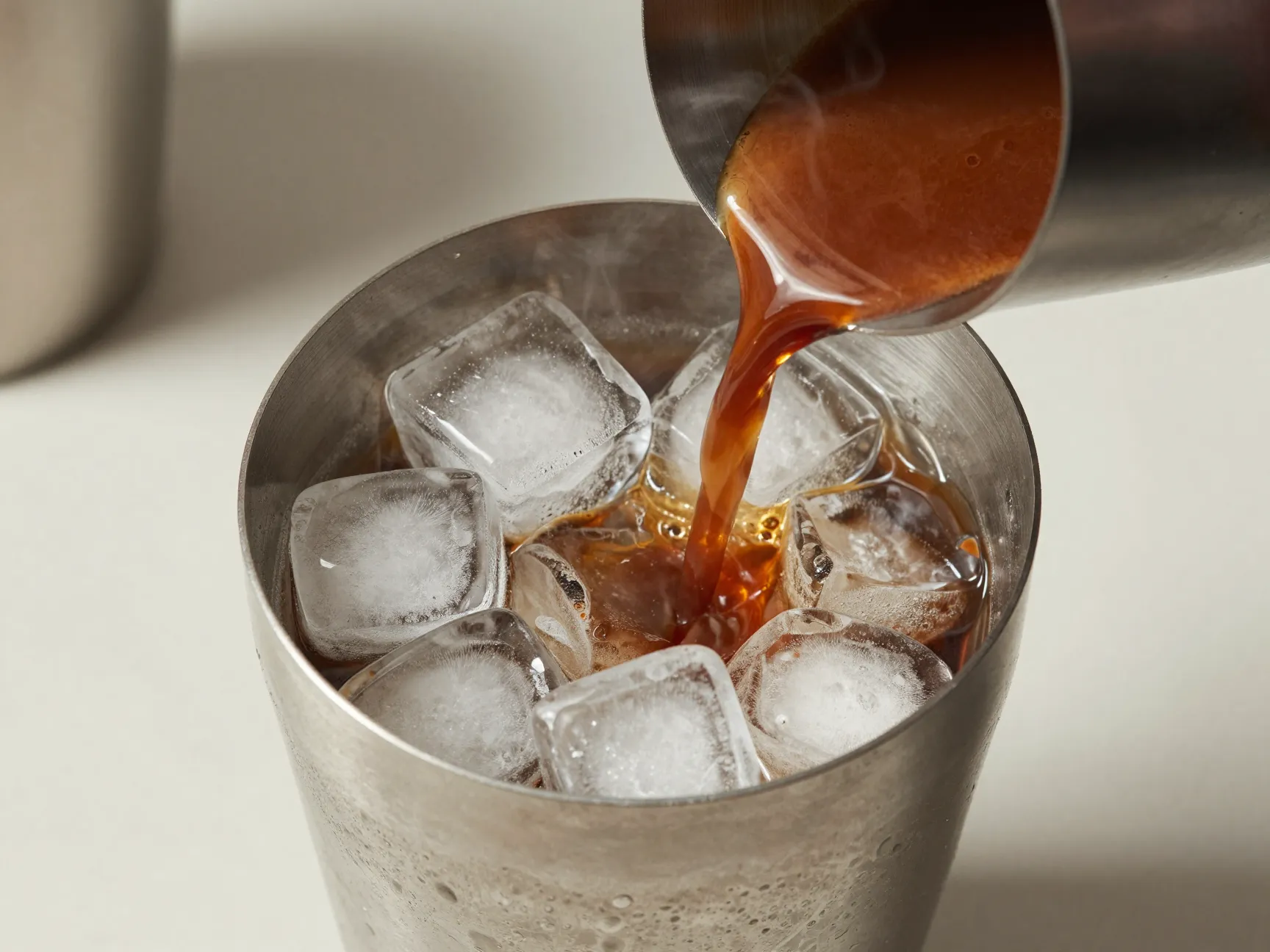
This step surprises many people, but it is critical. Pouring scalding hot espresso directly over ice will melt it immediately, diluting your cocktail before you even start shaking [1].
You do not need to wait long — just 2 to 3 minutes at room temperature is enough to bring the espresso down to a temperature that will not cause instant ice melt. Alternatively, you can pour the shot into a small metal cup or spoon to speed up the cooling process.
The goal: Espresso that is warm, not hot. Around 100–110°F (38–43°C) is ideal before it hits the ice.
⚠️ Do not refrigerate the espresso to cool it quickly. This can cause the coffee oils to separate and will reduce foam production.
3. Chill Your Martini Glass
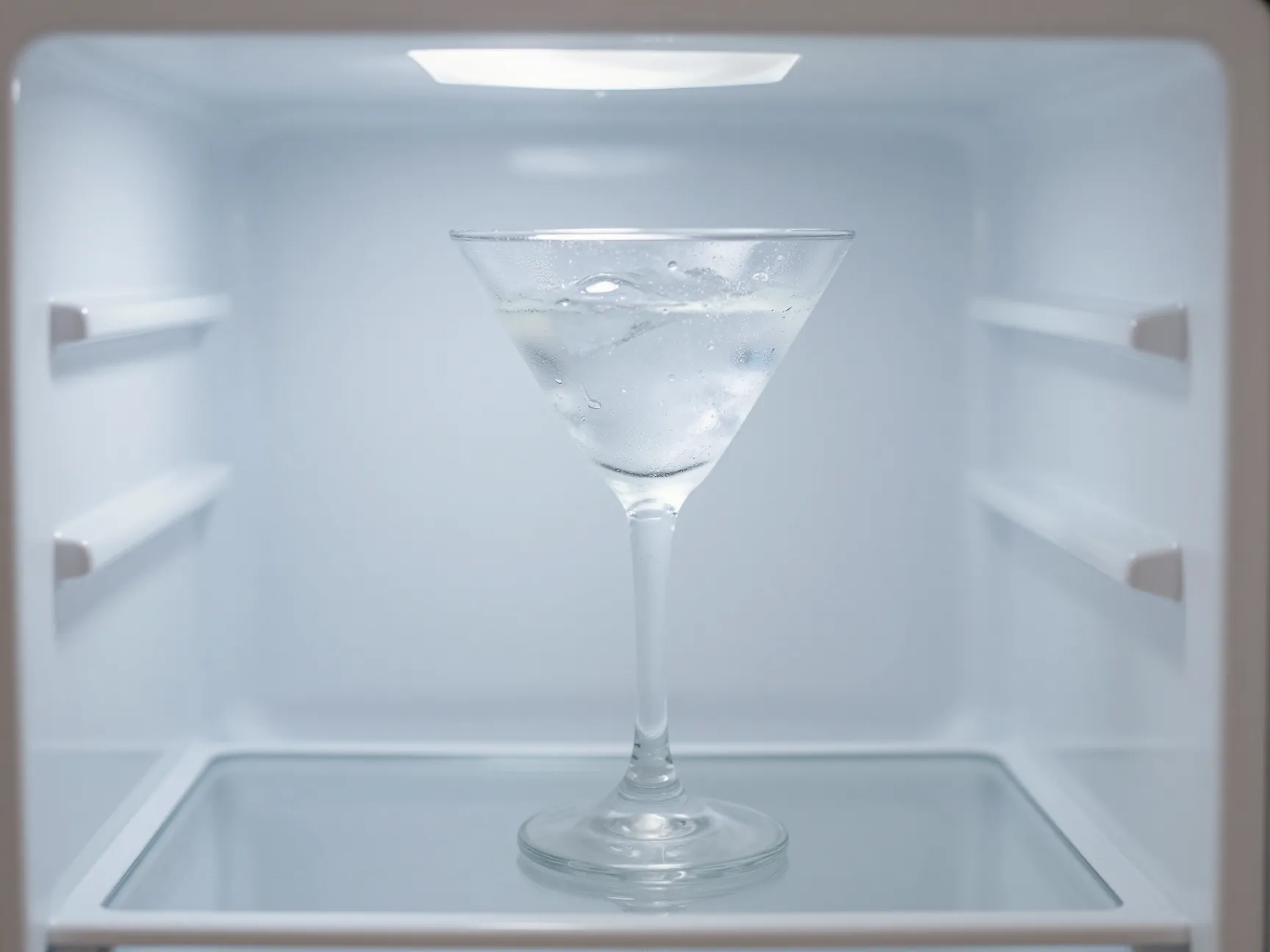
A warm glass is the enemy of a great cocktail. Chilling your martini glass before pouring ensures your drink stays at the perfect temperature from the first sip to the last [1][7].
Two easy methods:
- Freezer method: Place your martini glass in the freezer for 10–15 minutes before you plan to make the cocktail.
- Ice water method: Fill the glass with ice and cold water, let it sit for 2 minutes, then discard the ice water right before pouring.
The second method is faster and works just as well. Professional bartenders use it constantly because it fits into the natural rhythm of .
A properly chilled glass also helps the foam layer set and hold its shape longer, which means your cocktail looks as good on the last sip as it does on the first.
4. Add Ice to Your Cocktail Shaker
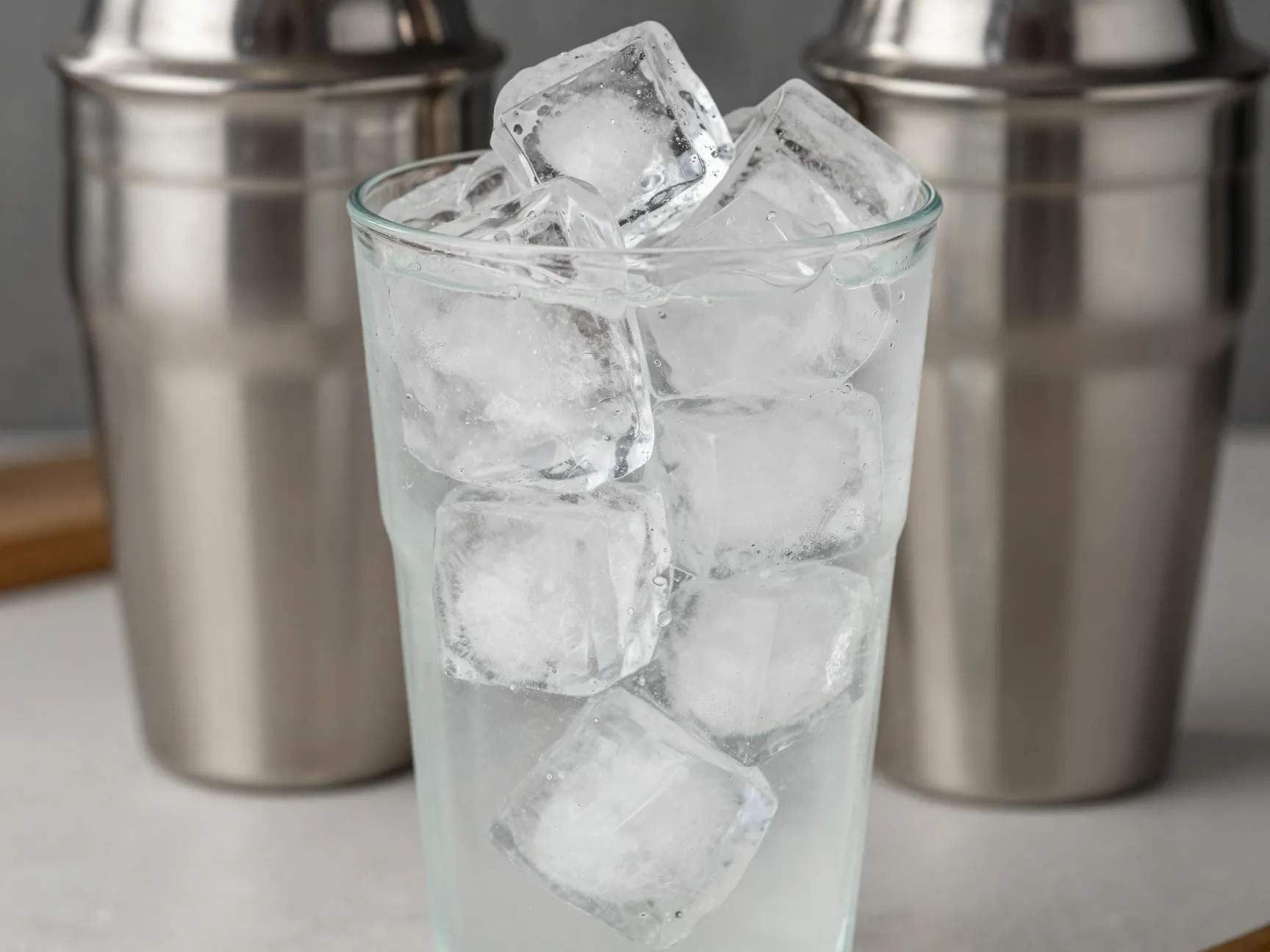
Fill your cocktail shaker approximately two-thirds full with fresh ice. The quality and quantity of ice matters more than most people realize.
Why ice quantity matters:
- More ice = faster chilling with less dilution
- Larger ice cubes melt more slowly than small chips
- Fresh ice is denser and colder than old, partially melted ice
Use standard cocktail ice cubes if possible. Avoid crushed ice in the shaker — it melts too quickly and will over-dilute the cocktail before you finish shaking.
5. Measure and Add Your Ingredients
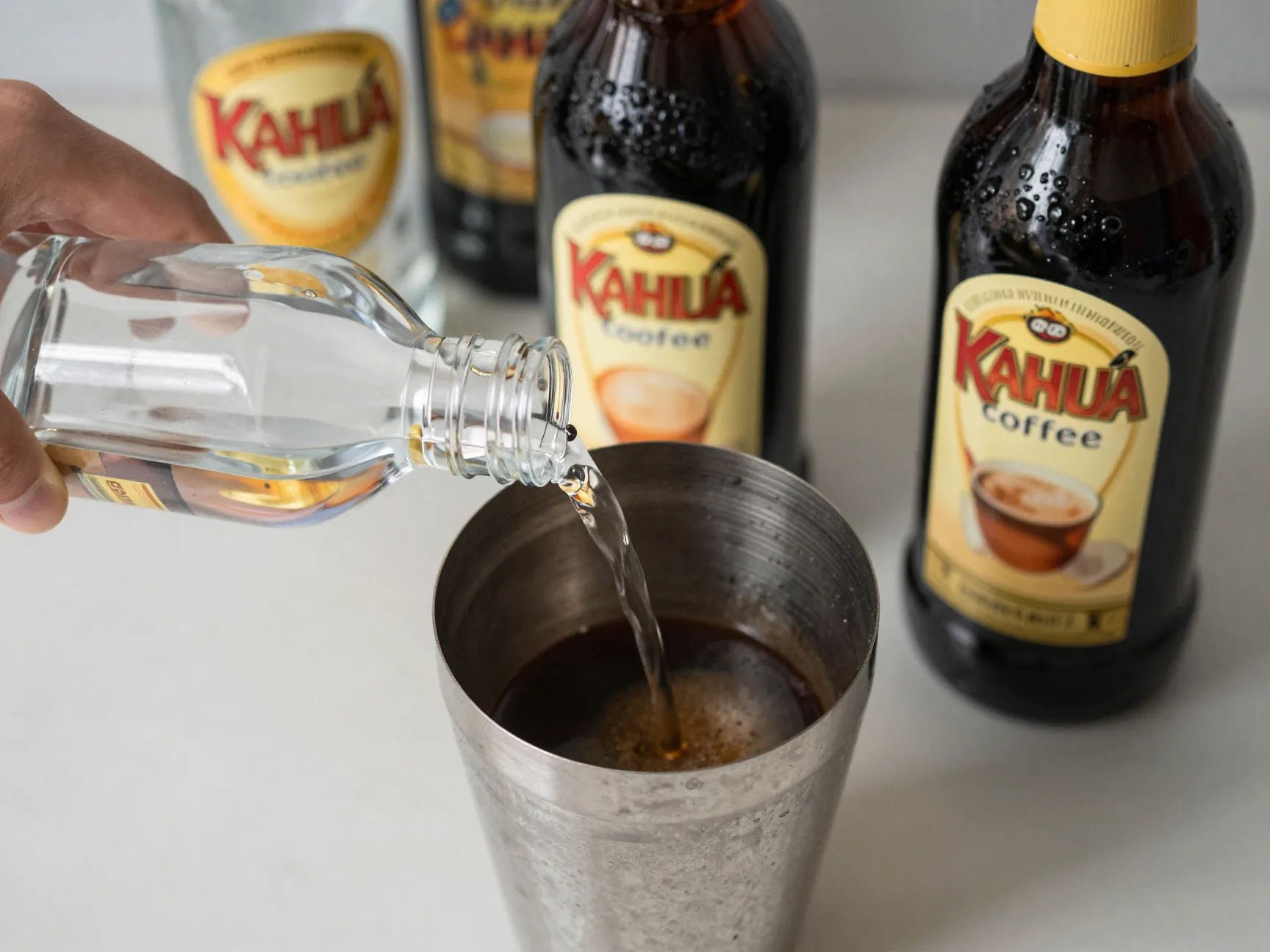
Precision is what separates a consistently great espresso martini from a hit-or-miss one. The classic ratio is 1:1:1 — equal parts vodka, coffee liqueur, and fresh espresso [5].
Standard recipe (single serving):
- 1 oz (30 ml) vodka
- 1 oz (30 ml) Kahlúa or coffee liqueur
- 1 oz (30 ml) fresh espresso
Pour the ingredients into the shaker in this order:
- Vodka first
- Coffee liqueur second
- Fresh espresso last (it is the most temperature-sensitive)
Choosing your vodka: A neutral, clean vodka works best because it lets the coffee flavor take center stage. Grey Goose is a popular premium choice that many bartenders recommend for its clean finish [6]. That said, any good-quality vodka will perform well. Avoid flavored vodkas unless you are intentionally experimenting.
Adjusting sweetness: If you find the standard recipe too bitter, add ½ oz of simple syrup. If you prefer it stronger, reduce the Kahlúa slightly and increase the vodka. The 1:1:1 ratio is a starting point, not a law.
6. Seal the Shaker and Shake Vigorously
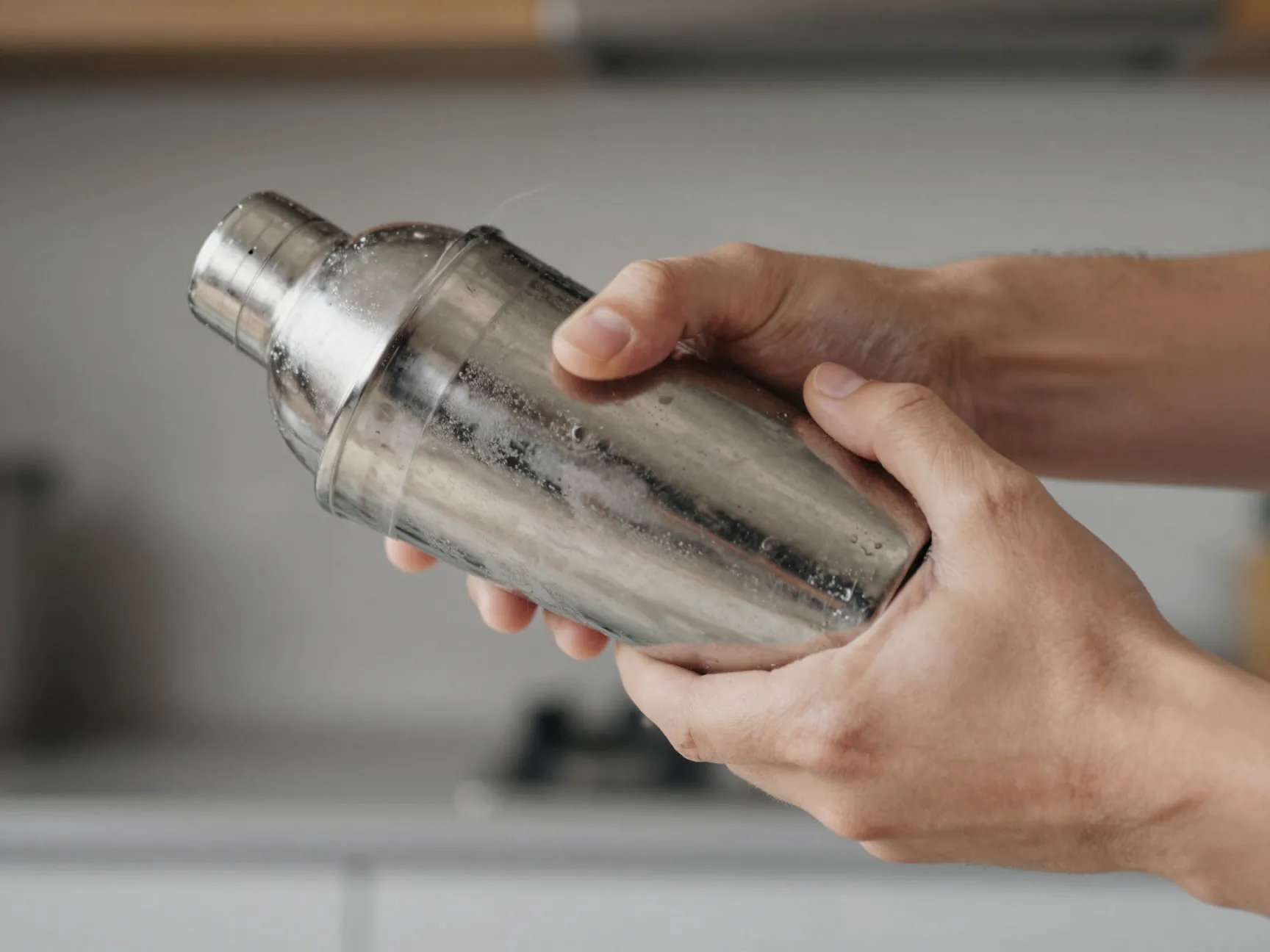
This is the step where most home bartenders go wrong — and where these 8 steps to make an espresso martini that rivals a bar’s really separate themselves from generic recipes.
First, ensure the shaker is tightly sealed [5]. A leaking shaker means lost liquid, lost pressure, and a mess on your counter. Press the top firmly and give it a twist to lock it in place.
Then shake. Not gently. Not politely. Hard, fast, and with full commitment for 10–12 seconds [5].
💬 “The vigorous shaking action is what emulsifies the coffee oils and creates the thick foam layer. Think of it like whipping cream — the more energy you put in, the better the result.”
Shaking technique tips:
- Hold the shaker with both hands (one on each end)
- Shake in a horizontal, back-and-forth motion
- Use your whole arm, not just your wrist
- Keep the shaker away from your face — the pressure builds up
- Count to 12 in your head to ensure you shake long enough
You will feel the shaker get very cold in your hands. That is a good sign — it means the contents are chilling rapidly and the emulsification is happening.
7. Double-Strain Into Your Chilled Glass
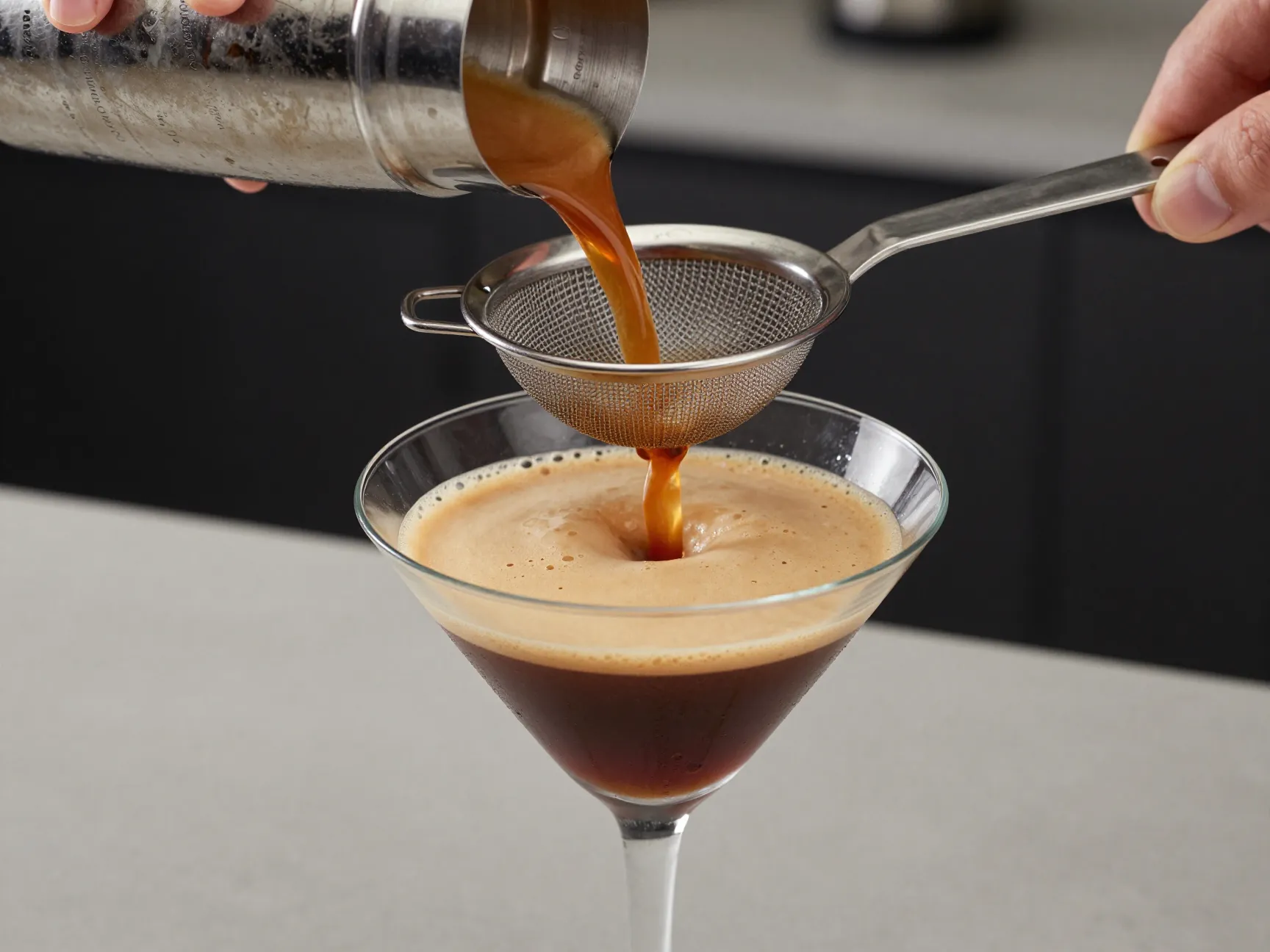
Straining properly is what gives your espresso martini that clean, professional appearance. Use a double-strain technique for the best results:
- Hold the Hawthorne strainer (the spring-edged strainer that fits over the shaker) in place over the shaker opening.
- Hold a fine mesh strainer over your chilled martini glass.
- Pour through both strainers simultaneously.
The Hawthorne strainer catches the large ice chips, while the fine mesh strainer catches the tiny ice shards and any coffee grounds. The result is a silky-smooth liquid with a clean, professional finish [1][7].
What to watch for:
- Pour slowly and steadily to allow the foam to build on top
- Do not tap or disturb the glass as the foam settles
- The foam should be thick, golden-tan, and hold its shape for at least 2–3 minutes
If your foam is thin or disappears quickly, the most likely culprit is espresso that was not fresh enough, or shaking that was not vigorous enough. Go back to steps 1 and 6.
8. Garnish With Three Coffee Beans
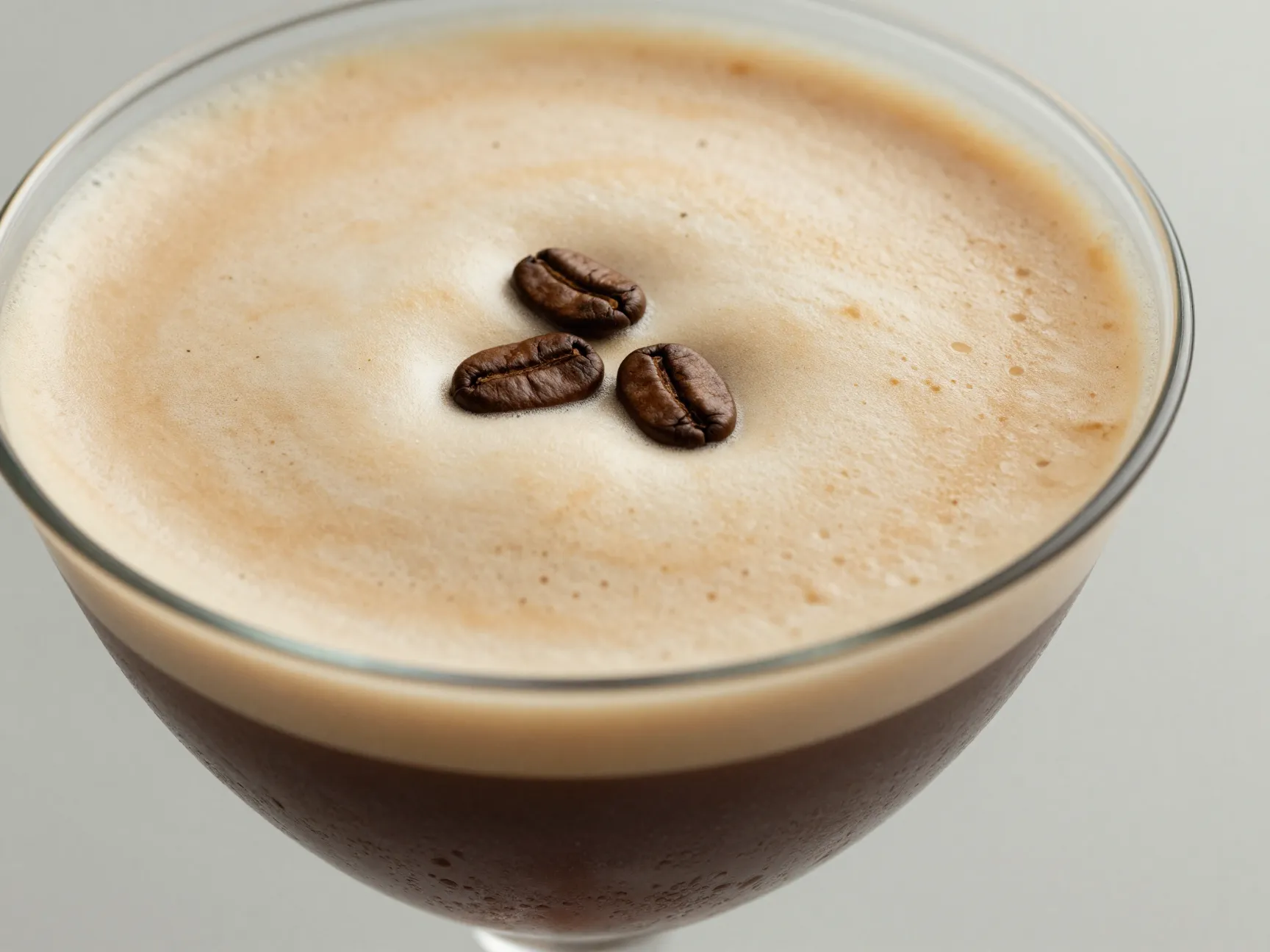
The final step in these 8 steps to make an espresso martini that rivals a bar’s is one that many home bartenders skip — and they should not.
Three coffee beans placed on top of the foam is the official IBA (International Bartenders Association) garnish for the espresso martini [7]. It is not just decorative. The three beans traditionally represent health, wealth, and happiness — a nod to the Italian tradition of serving sambuca with coffee beans.
How to place the garnish:
- Wait until the foam has fully settled (about 30 seconds after pouring)
- Place three whole coffee beans in a triangular arrangement in the center of the foam
- Press them very gently — just enough to rest on the surface without sinking
The beans add a subtle aroma as you drink, which enhances the overall sensory experience. They also signal to anyone watching that you know what you are doing.
Common Mistakes and How to Fix Them
Even with a solid recipe, small errors can derail your results. Here is a quick troubleshooting guide:
| Problem | Likely Cause | Fix |
|---|---|---|
| No foam | Stale espresso or weak shaking | Use fresher espresso; shake harder for longer |
| Foam disappears quickly | Insufficient coffee oils | Use espresso machine, not instant coffee |
| Too bitter | Too little sweetener | Add ½ oz simple syrup |
| Too sweet | Too much Kahlúa | Reduce to ¾ oz Kahlúa |
| Watery/diluted | Ice melted before shaking | Cool espresso first; shake faster |
| Cloudy appearance | Skipped fine mesh strainer | Always double-strain |
Scaling Up: Batch Espresso Martinis for a Crowd
Hosting a party in 2026? You do not have to shake individual cocktails all night. Batch espresso martinis are a legitimate and delicious option [3].
Batch recipe (serves 8):
- 8 oz vodka
- 8 oz Kahlúa
- 8 oz fresh espresso (cooled)
- 2 oz simple syrup (optional)
Combine all ingredients in a large pitcher and refrigerate. When ready to serve, pour individual portions into a shaker with ice, shake vigorously for 10–12 seconds, and strain into chilled glasses. The shaking step still needs to happen per serving to generate the foam [3].
⚠️ Important: Do not pre-mix with ice. Store the batch as a liquid concentrate and add ice only at the shaking stage.
Equipment You Actually Need
You do not need a professional bar setup to follow these 8 steps to make an espresso martini that rivals a bar’s. Here is the essential kit:
Must-have:
- Cocktail shaker (Boston shaker or cobbler shaker)
- Jigger (measuring tool)
- Hawthorne strainer
- Fine mesh strainer
- Martini or coupe glass
- Espresso machine or Moka pot
Nice to have:
- Bar spoon
- Chilling tray for glasses
- Digital kitchen scale (for precise measurements)
A basic cocktail shaker set costs under $20 and will pay for itself the first time you make cocktails at home instead of paying bar prices.
Conclusion: Your Bar-Quality Espresso Martini Starts Now
The difference between a forgettable homemade espresso martini and one that genuinely rivals a professional bar comes down to eight specific, learnable steps — not expensive equipment or years of bartending experience.
Here is your action plan:
- Start with fresh espresso — invest in a Moka pot if you do not have an espresso machine.
- Memorize the 1:1:1 ratio — equal parts vodka, Kahlúa, and espresso.
- Shake harder and longer than you think you need to — 10 to 12 full seconds.
- Always chill your glass — this one step alone elevates the experience dramatically.
- Garnish with three coffee beans — it is the official standard and it matters.
Make your first batch this week. Take notes on what you adjust. Within two or three attempts, you will have dialed in a recipe that is entirely your own — and significantly better than most of what you will find at a bar.
The espresso martini is one of the great cocktails of the modern era. You now have everything you need to make it perfectly.
References
[1] Espresso Martini – https://preppykitchen.com/espresso-martini/
[2] How To Make The Perfect Espresso Martini At Home – https://javahouse.com/blogs/whats-new-at-java-house/how-to-make-the-perfect-espresso-martini-at-home
[3] Batch Espresso Martinis – https://whatsgabycooking.com/batch-espresso-martinis/
[4] Espresso Martini – https://thedefineddish.com/espresso-martini/
[5] Watch – https://www.youtube.com/watch?v=7RYAR9FfQ90
[6] Grey Goose Espresso Martini – https://www.greygoose.com/cocktails/grey-goose-vodka/grey-goose-espresso-martini.html
[7] Espresso Martini – https://iba-world.com/iba-cocktail/espresso-martini/