9 Survivalist Methods for Making Coffee Without a Coffee Maker
Nearly 62% of American adults drink coffee every single day — yet most of them would be completely lost without their automatic drip machine. A power outage, a camping trip, a broken appliance, or a post-disaster scenario can strip away that convenience in seconds. The good news? You don’t need a coffee maker to brew a great cup. These 9 survivalist methods for making coffee without a coffee maker prove that with a little creativity and the right technique, you can enjoy your daily ritual anywhere on earth.
Disclosure: This post contains affiliate links. As an Amazon Associate, we earn from qualifying purchases, and at no extra cost to you.
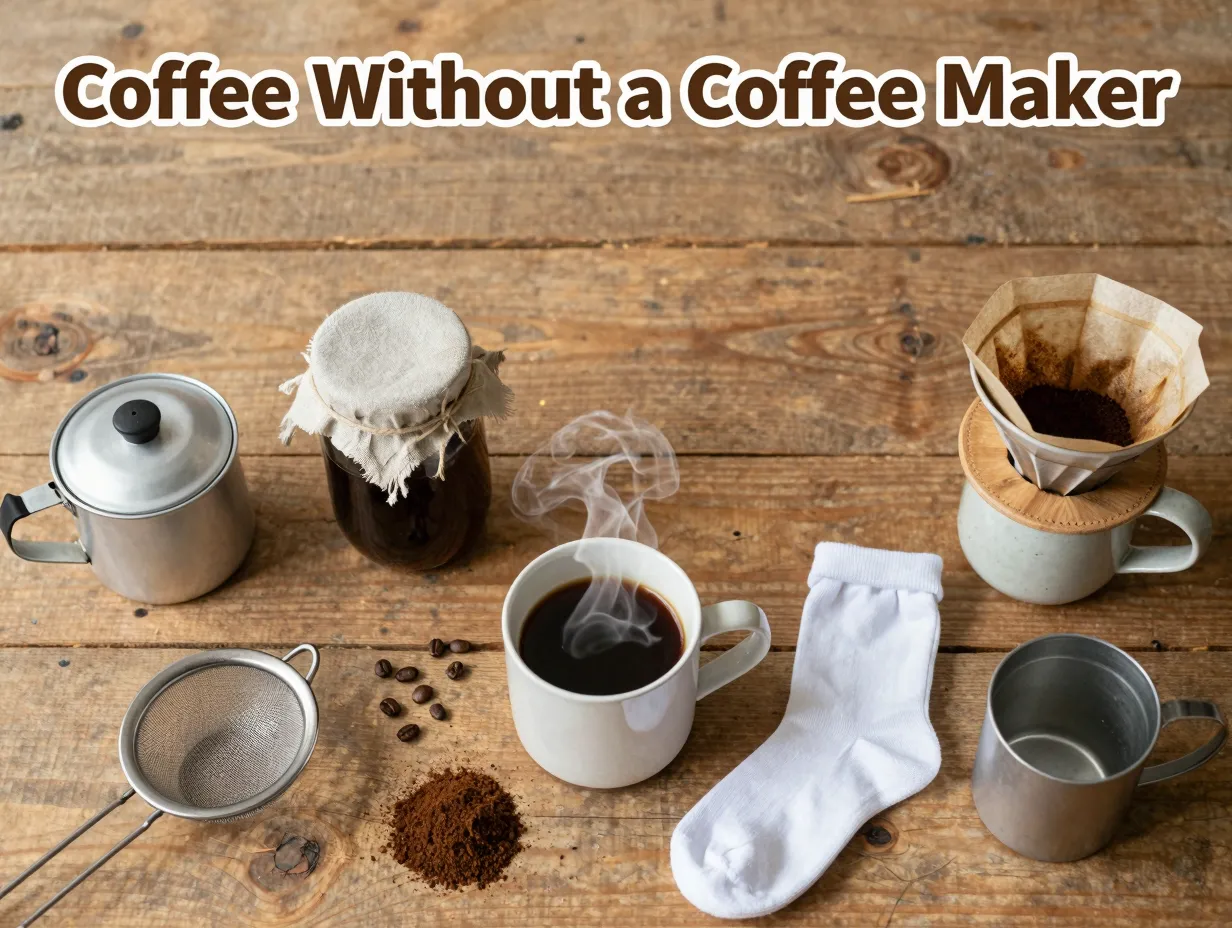
Whether you’re a prepper, an outdoor adventurer, or just someone whose machine died on a Monday morning, this guide has you covered.
Key Takeaways ☕
- You never need a machine — hot water, , and a basic filter or container are enough to brew a solid cup.
- Cowboy coffee and the mug method require zero equipment beyond a heat source and a cup.
- is the easiest no-heat option and produces a smooth, low-acid concentrate.
- matters — match your grind to your method to control flavor and avoid a gritty cup.
- Improvised filters (bandanas, paper towels, mesh strainers) can replace commercial filters in a pinch.
Why Knowing These Methods Matters in 2026
has never been more sophisticated — and more dependent on electricity and equipment. But resilience is a skill. Knowing how to brew coffee without a machine is genuinely useful in emergencies, off-grid living, travel, and everyday situations where your gear fails you.
“The best coffee is the one you can make right now, with what you have.”
Beyond survival scenarios, these methods often produce exceptional flavor. Many enthusiasts argue that manual brewing techniques outperform automatic machines because they give you precise control over temperature, bloom time, and pour rate. So learning these methods isn’t just a backup plan — it’s an upgrade.
Let’s walk through all 9 survivalist methods for making coffee without a coffee maker, from the most primitive to the surprisingly sophisticated.
The 9 Survivalist Methods for Making Coffee Without a Coffee Maker
1. Cowboy Coffee (The Original Survivalist Brew)
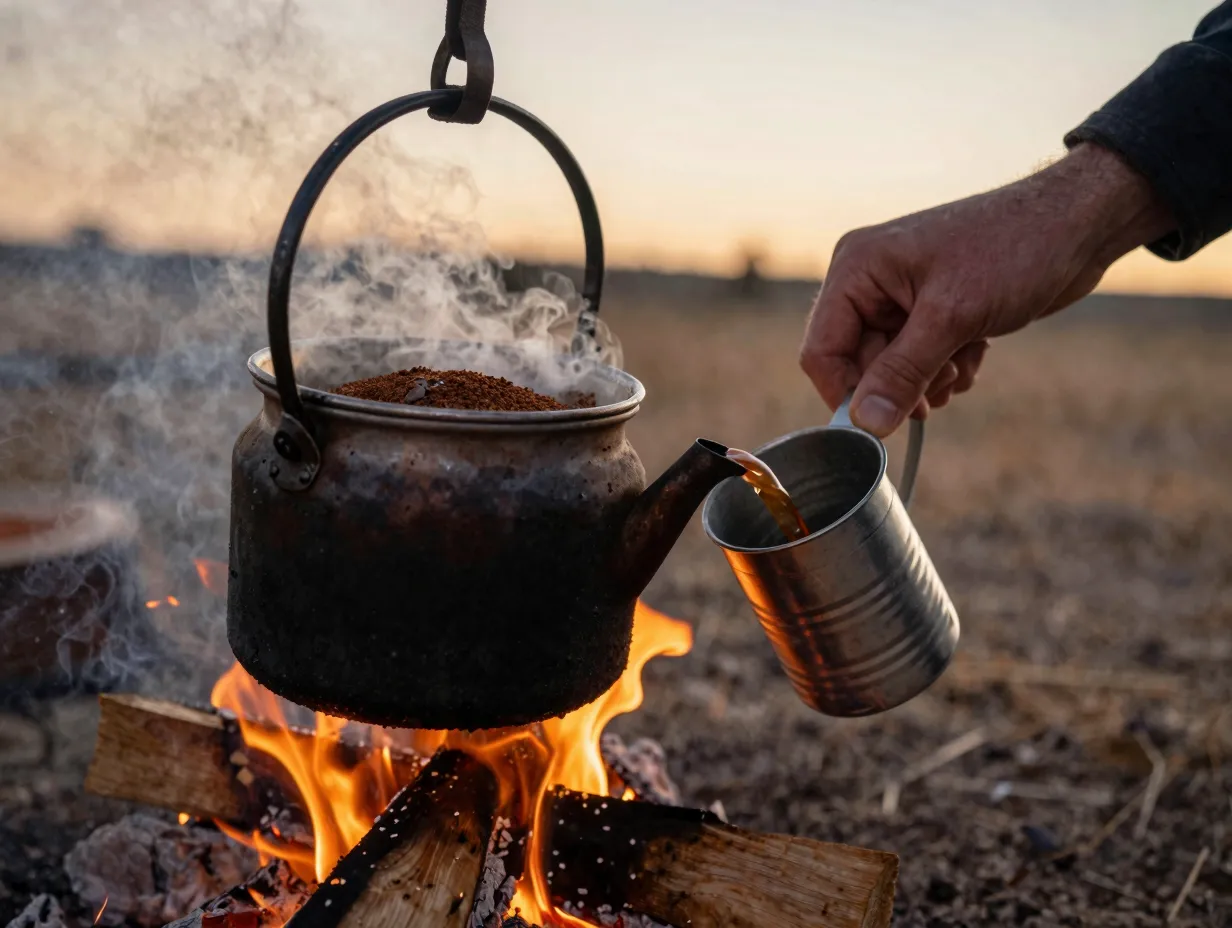
Best for: Campfires, emergencies, minimal equipment situations
Cowboy coffee is the oldest and most rugged method on this list. It requires nothing but water, coffee grounds, a heat source, and a pot. This is how trail riders, frontiersmen, and outdoor enthusiasts have been brewing coffee for centuries [1][2][3].
How to make it:
- Bring water to a boil in a pot or tin can over your heat source.
- Remove from heat and let it cool for about 30 seconds (target: ~200°F / 93°C).
- Add 2 tablespoons of coarsely ground coffee per 8 oz of water.
- Stir and let steep for 4 minutes.
- Slowly pour cold water over the surface — this helps the grounds sink to the bottom.
- Pour carefully into your cup, leaving the last inch of liquid (where grounds settle) in the pot.
Pro tip: Use coarse grounds to minimize sediment in your cup. The cold-water trick at the end is a cowboy secret that genuinely works [1].
| Factor | Details |
|---|---|
| Equipment needed | Pot, heat source |
| Grind size | Coarse |
| Brew time | ~5 minutes |
| Difficulty | ⭐ Easy |
2. The Mug Method (Truly Zero Equipment)
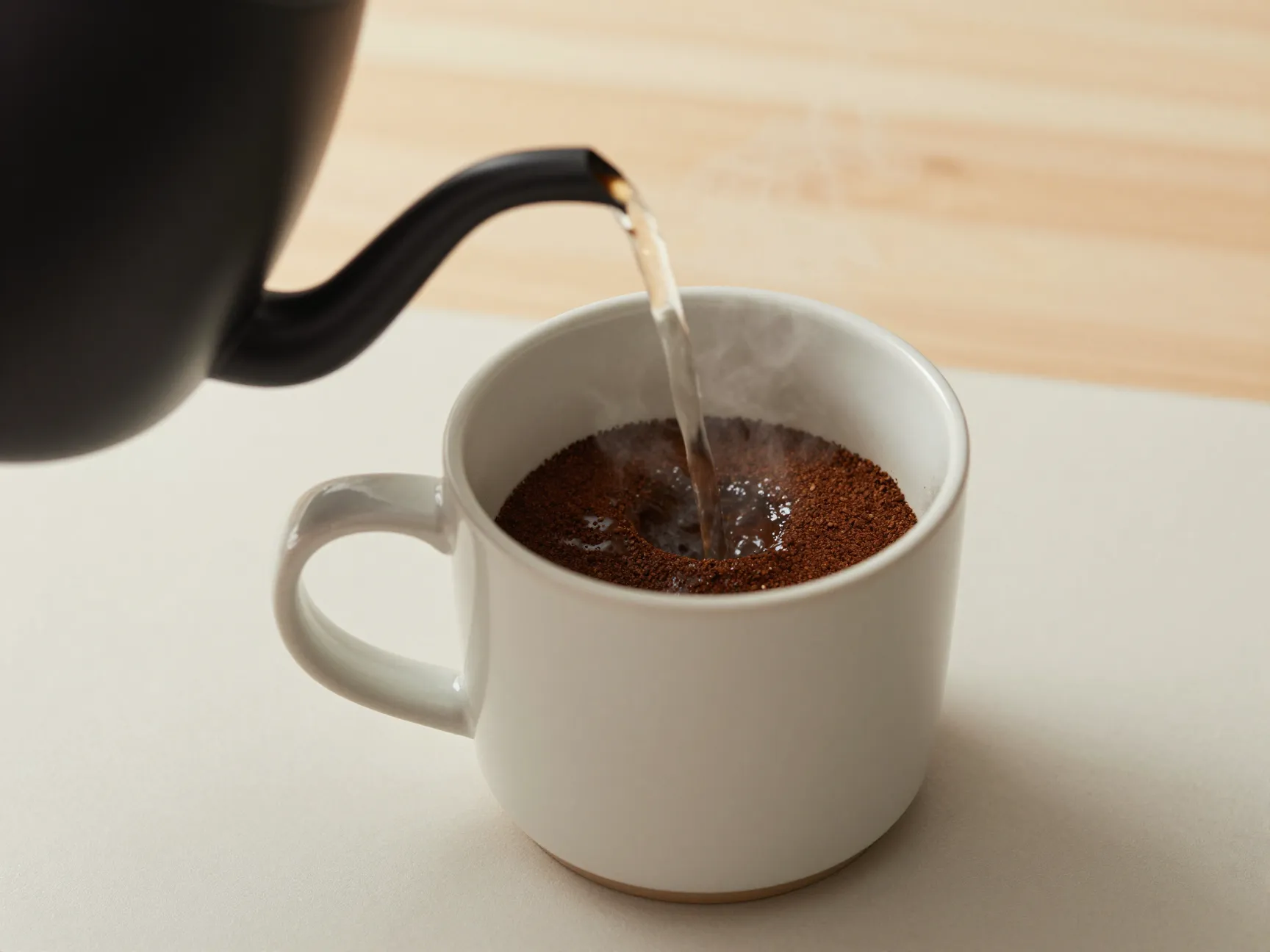
Best for: Hotel rooms, office kitchens, absolute emergencies
This is the most stripped-down approach possible — no filter, no pot, no special tools [5]. If you have a mug, hot water, and coffee grounds, you can brew coffee right now.
How to make it:
- Add 2 tablespoons of finely ground coffee directly to your mug.
- Pour hot water (just off the boil) over the grounds.
- Stir briefly.
- Wait 4 minutes for the grounds to settle to the bottom.
- Sip slowly and carefully, stopping before you reach the sediment layer.
This method is essentially Turkish coffee without the special pot. The key is patience — rushing it means a mouthful of grounds [5].
⚠️ Warning: Use a finer grind than you would for cowboy coffee. Finer grounds settle faster and more completely.
3. Makeshift Pour-Over (Precision Brewing Anywhere)
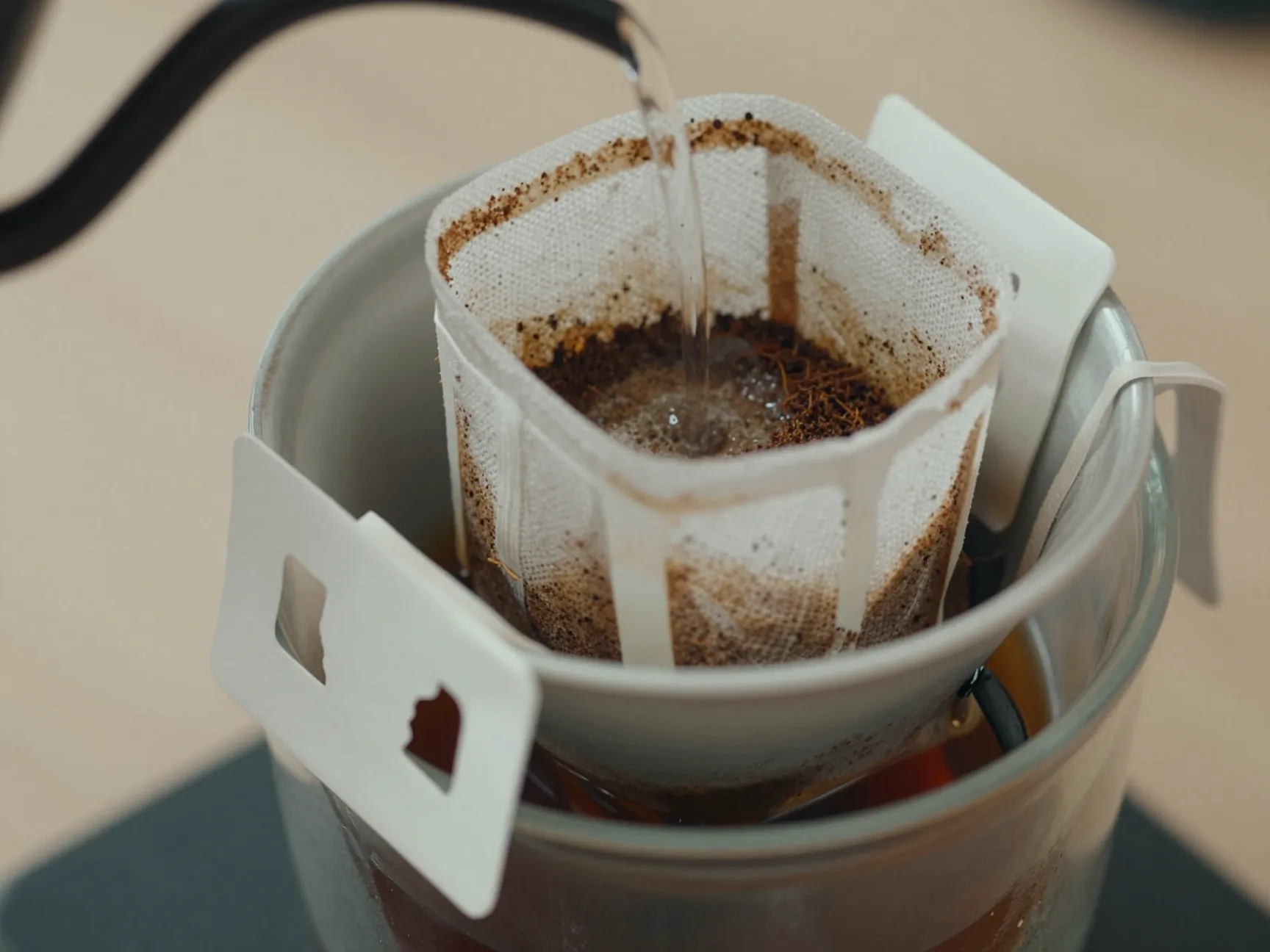
Best for: Hikers, campers, anyone who values flavor quality
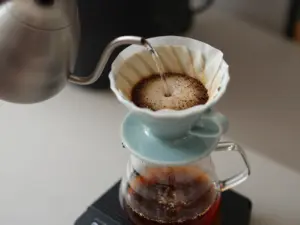
The pour-over method is beloved by specialty coffee fans for its clean, bright flavor profile. The good news: you don’t need a fancy Chemex or V60 to do it [3][6].
What you need:
- A (or paper towel, bandana, or clean sock as a last resort)
- A rubber band or string
- A mug or vessel
- Hot water
How to make it:
- Drape your filter over the top of your mug and secure it with a rubber band, leaving a pouch in the center.
- Add 2 tablespoons of medium-ground coffee to the filter.
- Pour a small amount of hot water (just enough to wet the grounds) and wait 30 seconds — this is called the bloom, and it releases CO₂ for better flavor [3][6].
- Slowly pour the remaining water in a steady circular motion.
- Let it drip through completely, then remove the filter.
Pull Quote: “The 30-second bloom is the single most important step in pour-over coffee — it unlocks flavor compounds that would otherwise stay trapped in the grounds.”
4. Cold Brew Concentrate (No Heat Required)
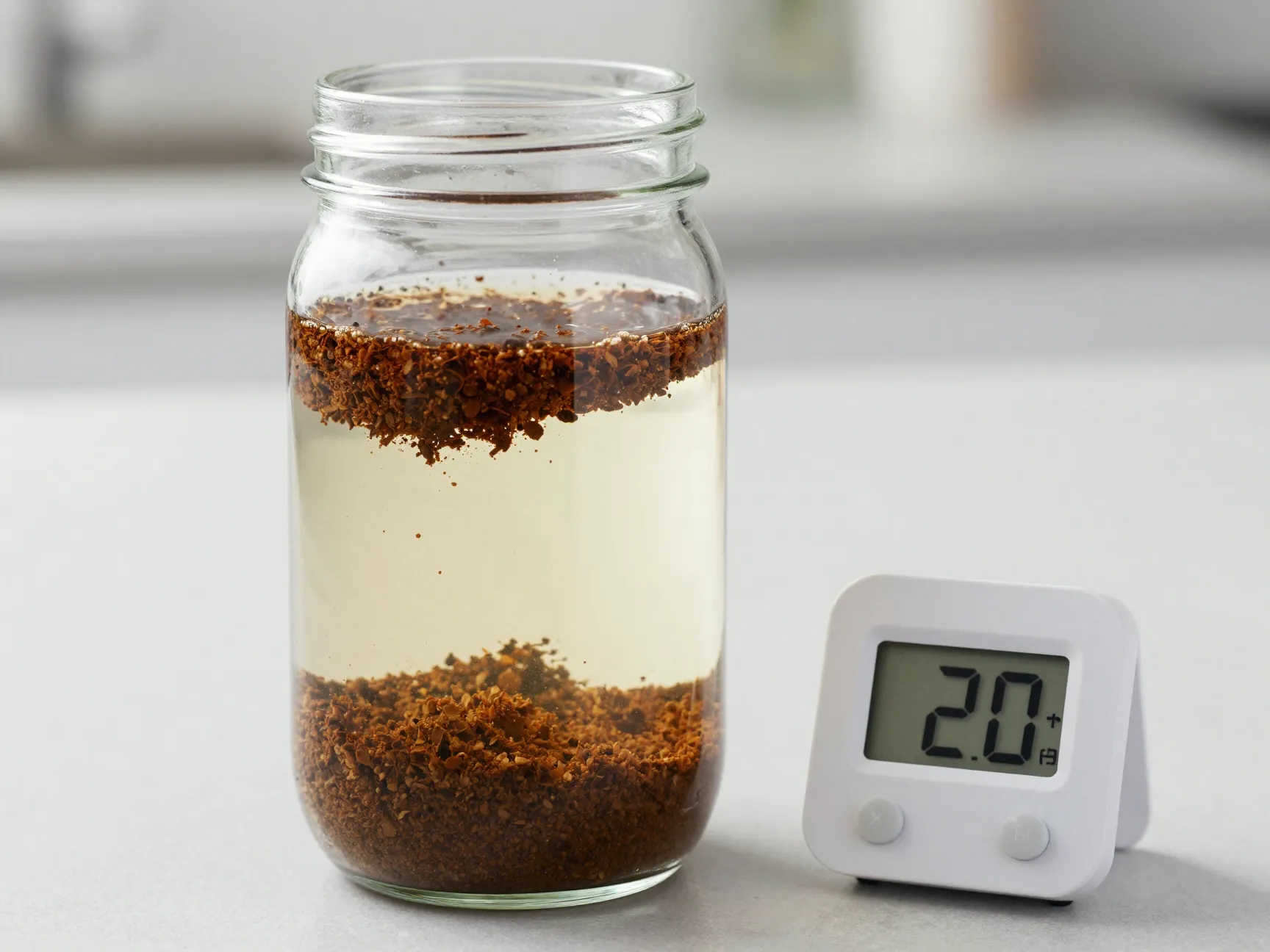
Best for: Warm climates, off-grid setups with no heat source, meal prep
Cold brew is the only method on this list that requires no heat at all [2]. It’s also arguably the smoothest, least acidic cup you can make — which makes it worth the wait.
How to make it:
- Combine 1 cup of coarsely ground coffee with 4 cups of cold or room-temperature water in a jar or container.
- Stir to ensure all grounds are saturated.
- Cover and let steep for 12–24 hours at room temperature or in a cool environment.
- Strain through a mesh strainer, paper filter, or cloth.
- Serve over ice or dilute with water or milk (it’s a concentrate).
Cold Brew Quick Reference:
| Steep Time | Result |
|---|---|
| 12 hours | Mild, lighter flavor |
| 18 hours | Balanced, smooth |
| 24 hours | Bold, strong concentrate |
Cold brew keeps in the fridge for up to 2 weeks — a major advantage in a survival or off-grid scenario [2].
5. Stovetop Moka Pot (Espresso-Style Power)
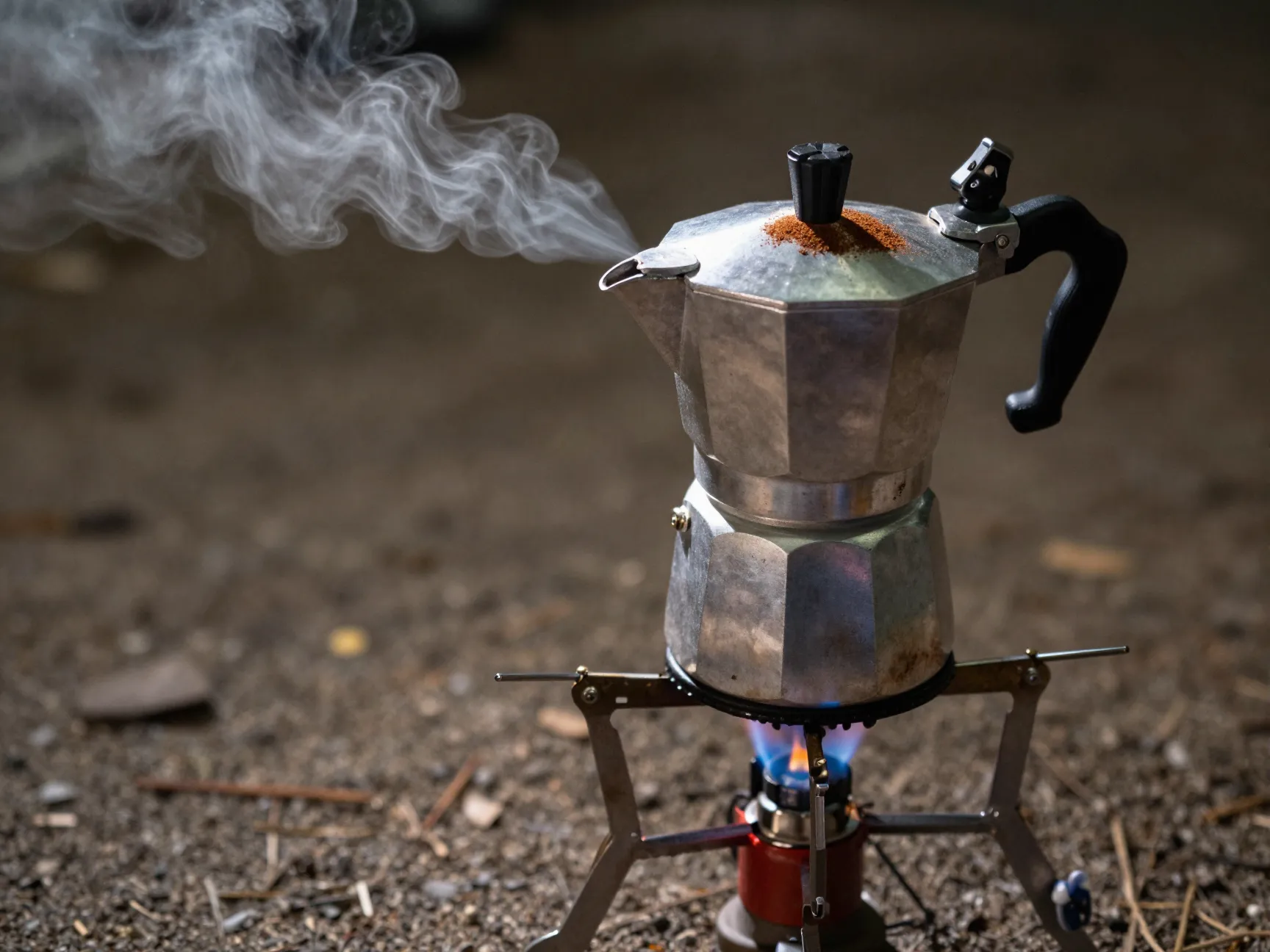
Best for: Campers with a portable stove, survivalists with prep gear
The Moka pot isn’t improvised — it’s a purpose-built tool — but it belongs on this list because it works without electricity and produces an espresso-strength brew that outperforms most drip machines [2].
How it works:
The Moka pot uses steam pressure to force hot water up through finely ground coffee, producing a rich, concentrated brew in about 5 minutes.
- Fill the bottom chamber with water up to the safety valve.
- Fill the filter basket with finely ground coffee (don’t tamp — just level it off).
- Screw the top and bottom chambers together tightly.
- Place on a low-to-medium heat source.
- When you hear a gurgling sound, remove from heat immediately.
⚠️ Critical: Never use high heat — it burns the coffee and can damage the pot. Low and slow is the rule [2].
6. Glass Jar French Press Hack
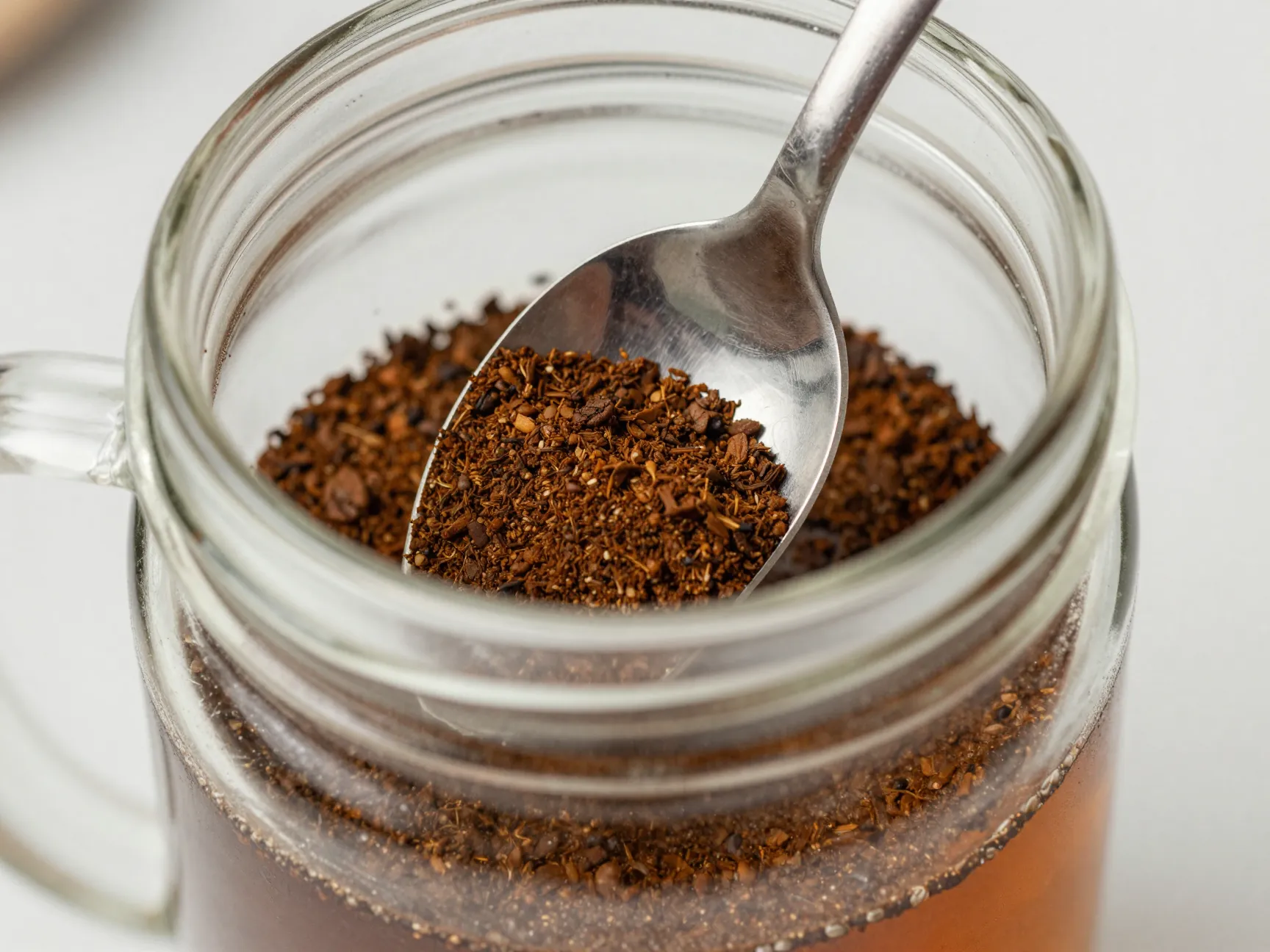
Best for: Home power outages, travelers, anyone with a jar and a spoon
You don’t need an actual French press to use the French press method [4]. A mason jar (or any glass jar) works just as well.
How to make it:
- Add 2 tablespoons of coarsely ground coffee per 8 oz of water to your jar.
- Pour hot water (200°F / 93°C) over the grounds.
- Stir with a spoon.
- Place a lid loosely on top (or cover with a small plate).
- Steep for 4 minutes.
- Use a spoon to gently press the grounds to the bottom of the jar.
- Pour slowly into your cup, leaving the grounds behind.
The result is a full-bodied, rich cup with the characteristic French press mouthfeel — without spending $40 on equipment [4].
🔑 Key: Coarse grind is essential here. Fine grounds will slip past your improvised “plunger” and make the cup gritty.
7. Sieve or Mesh Strainer Method
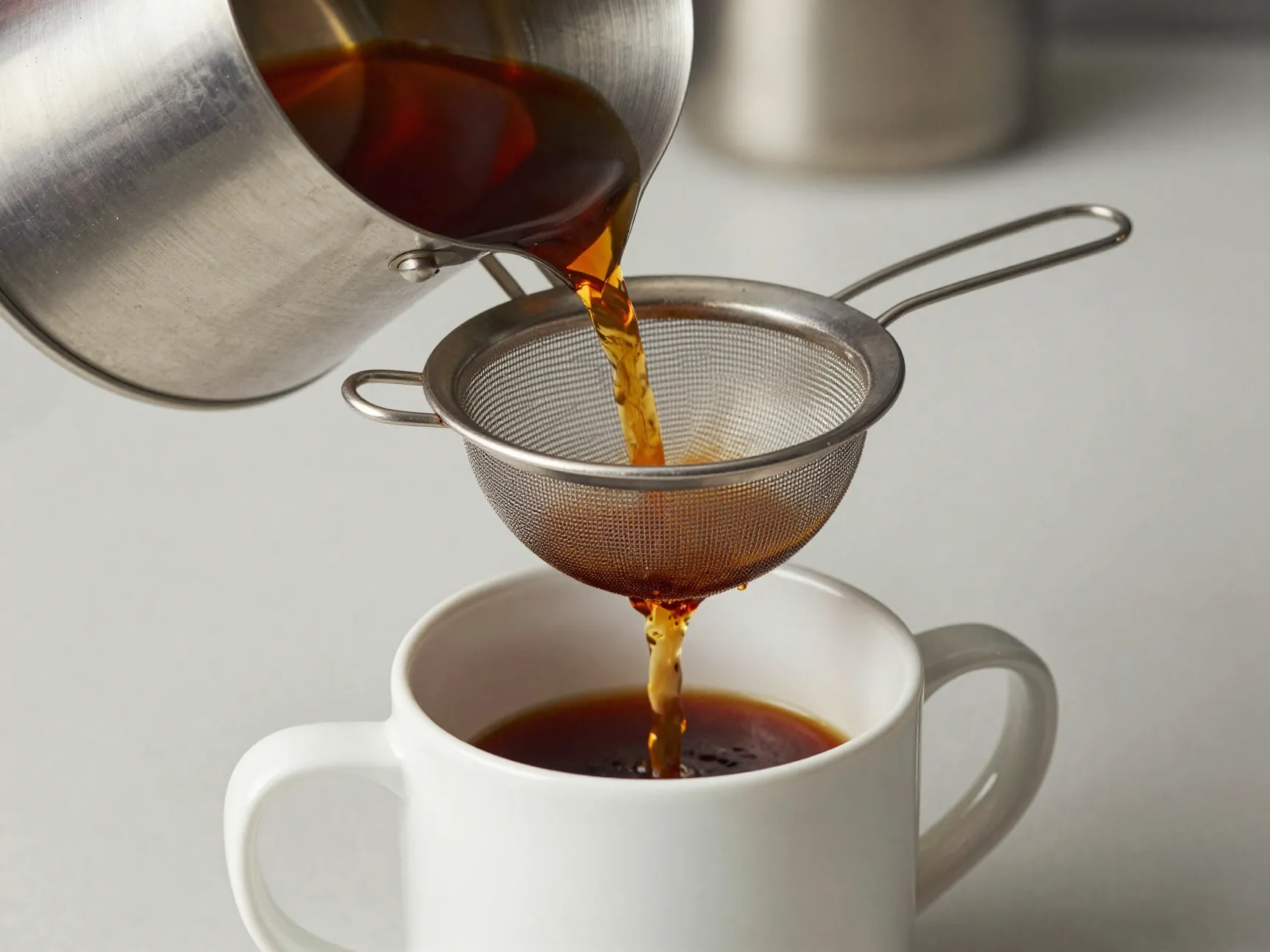
Best for: Home kitchens without filters, camping with basic cookware
This method pairs a standard kitchen sieve or mesh strainer with a saucepan to produce a clean, filtered cup [4]. It’s one of the most accessible methods because most kitchens and camp kits already have a strainer.
How to make it:
- Bring water to a boil in a saucepan.
- Add 2 tablespoons of medium-ground coffee per 8 oz of water.
- Reduce heat and simmer for 2 minutes, stirring occasionally.
- Remove from heat and let sit for 1 minute.
- Pour through a fine mesh strainer into your mug.
Tips for best results:
- Use the finest mesh strainer you have — it catches more grounds.
- Double-strain through a paper towel placed inside the strainer for an even cleaner cup.
- Don’t boil the coffee aggressively — it creates bitterness [4].
8. Makeshift Coffee Bag (Tea Bag Style)
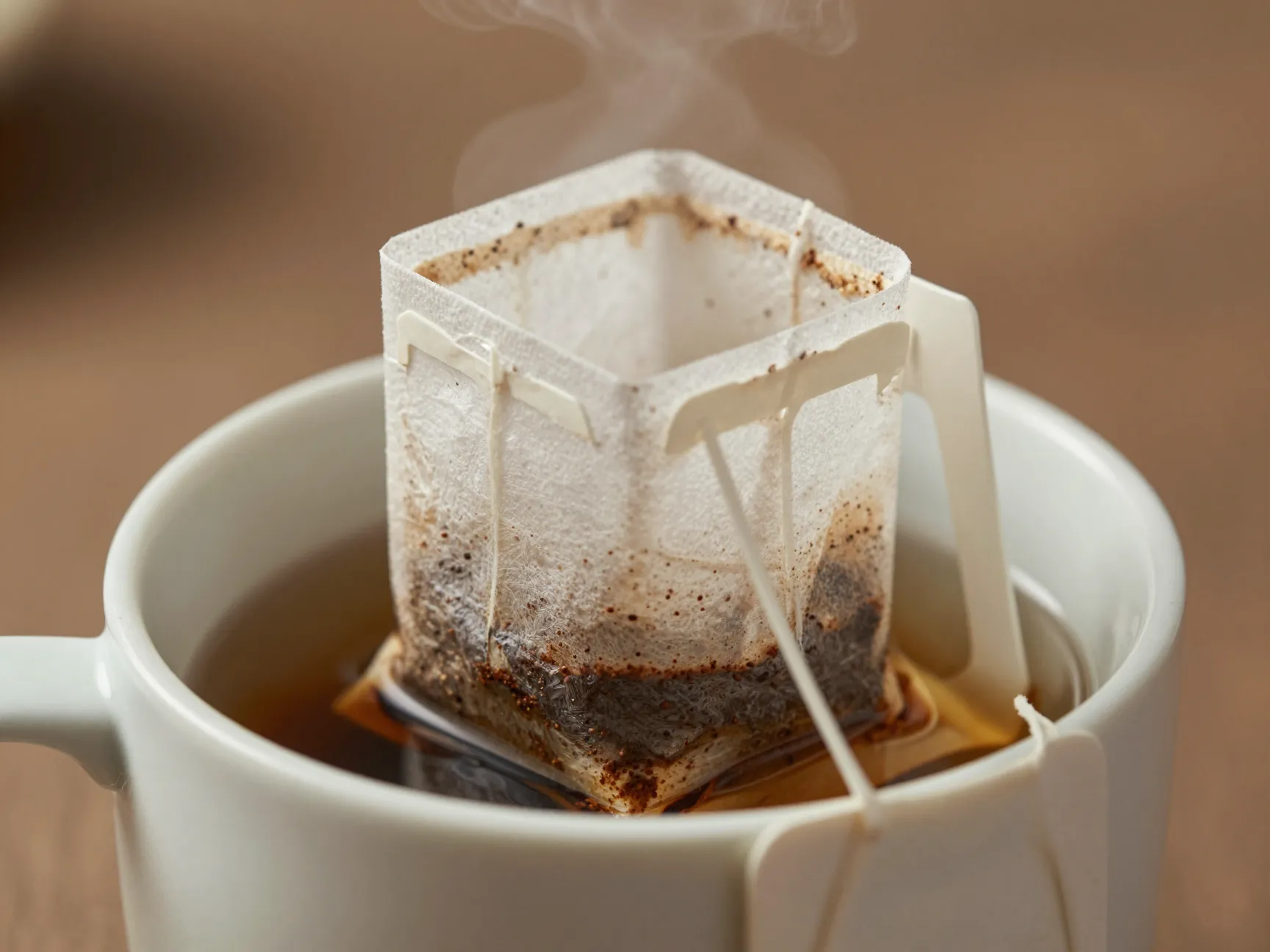
Best for: Backpackers, hikers, anyone who wants a clean, portable method
This clever method turns your coffee grounds into a tea-bag-style sachet — one of the most underrated techniques in the 9 survivalist methods for making coffee without a coffee maker toolkit [3].
What you need:
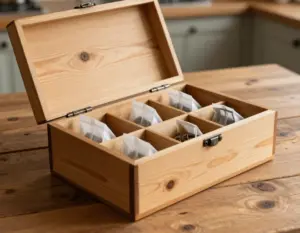
- A paper or a square of cheesecloth / thin fabric
- String or a twist tie
- Coffee grounds
How to make it:
- Place 2 tablespoons of medium-ground coffee in the center of your filter or cloth square.
- Gather the edges and tie tightly with string, leaving a long tail to hang over the cup edge.
- Place the sachet in your mug.
- Pour hot water over it.
- Steep for 4–5 minutes, dunking occasionally like a tea bag.
- Remove the sachet and enjoy.
This method produces minimal sediment and is incredibly easy to clean up — just toss the sachet. It’s perfect for backpacking when weight and waste matter [3].
9. The Sock Method (True Wilderness Brewing)
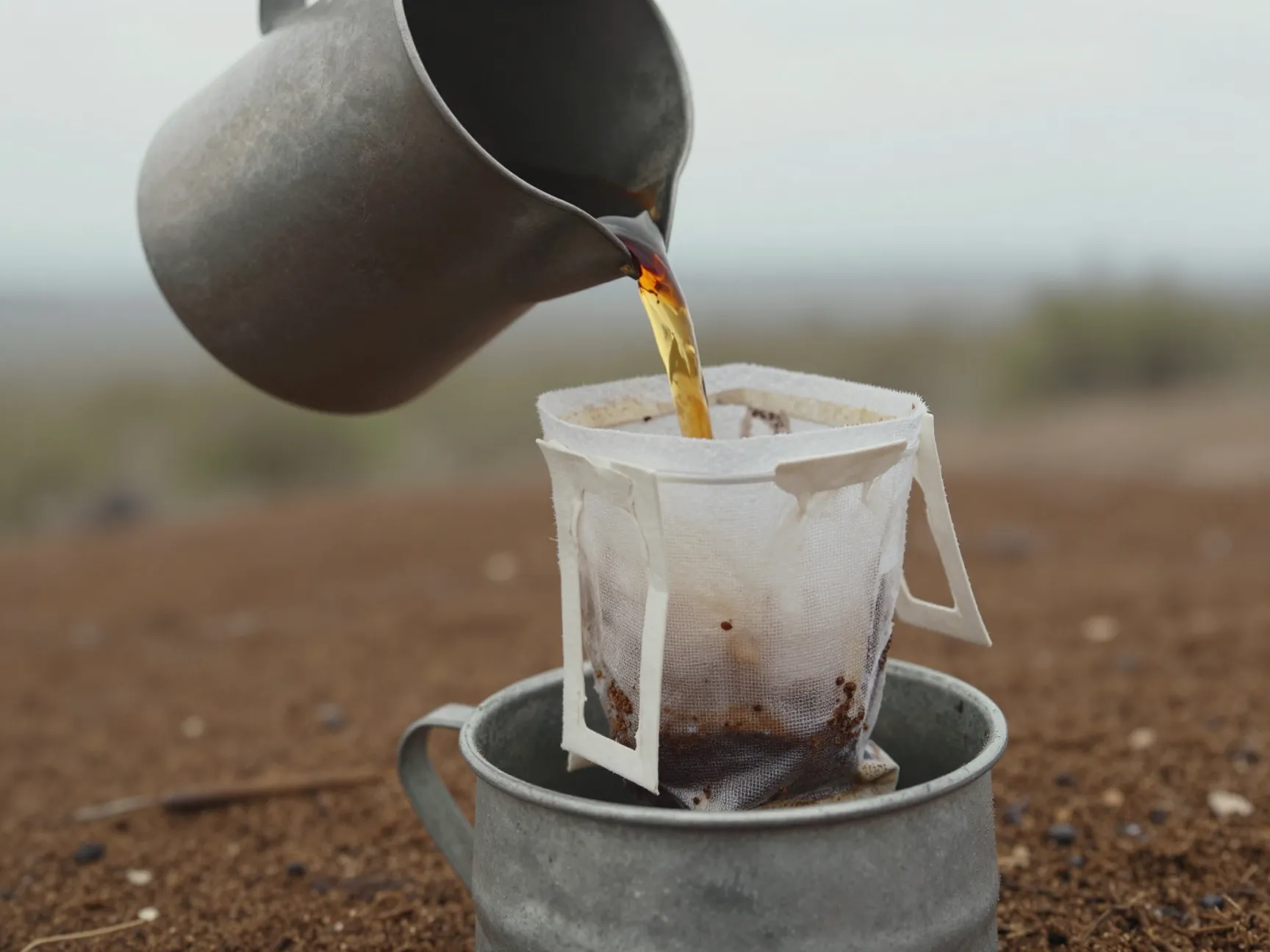
Best for: Deep wilderness survival, zero-equipment scenarios
Before you recoil — a clean, unused cotton sock (or any clean cloth tube) makes a surprisingly effective coffee filter. This method has been used across Latin America for generations, where cloth called coladores are still common today.
How to make it:
- Boil water in any container over your heat source.
- Add 2 tablespoons of coarsely ground coffee per 8 oz of water and steep for 3–4 minutes.
- Stretch a clean sock or cloth tube over a second container.
- Slowly pour the brewed coffee through the cloth, which catches the grounds.
- Repeat the pour if needed for a cleaner cup.
✅ Hygiene note: Use a dedicated cloth filter that you wash and dry after each use. Never use a sock that’s been worn.
This is pure survivalist brewing — it works, it’s effective, and it requires nothing you wouldn’t already have in a wilderness kit.
Choosing the Right Method: A Quick Comparison
| Method | Equipment Needed | Heat Required | Brew Time | Sediment Level | Difficulty |
|---|---|---|---|---|---|
| 1. Cowboy Coffee | Pot | Yes | 5 min | Medium | ⭐ |
| 2. Mug Method | Mug | Yes | 4 min | High | ⭐ |
| 3. Pour-Over Hack | Filter, mug | Yes | 5 min | Low | ⭐⭐ |
| 4. Cold Brew | Jar, strainer | No | 12–24 hrs | Low | ⭐ |
| 5. Moka Pot | Moka pot, stove | Yes | 5 min | None | ⭐⭐ |
| 6. Jar French Press | Jar, spoon | Yes | 5 min | Medium | ⭐⭐ |
| 7. Mesh Strainer | Saucepan, strainer | Yes | 5 min | Low | ⭐⭐ |
| 8. Coffee Bag | Filter, string | Yes | 5 min | Low | ⭐ |
| 9. Sock Method | Cloth, pot | Yes | 5 min | Low | ⭐⭐ |
Tips That Apply to All 9 Methods
No matter which of these 9 survivalist methods for making coffee without a coffee maker you choose, these universal principles will improve your results:
Water temperature: Aim for 195–205°F (90–96°C). If you don’t have a thermometer, bring water to a boil and let it sit for 30–45 seconds [6].
Coffee-to-: A standard starting point is 1:15 (1 gram of coffee per 15 grams of water), or roughly 2 tablespoons per 8 oz cup.
Grind size matters:
- Coarse grind → Cowboy coffee, cold brew, French press hack, sock method
- Medium grind → Pour-over, mesh strainer, coffee bag
- Fine grind → Mug method, Moka pot
Freshness: Freshly ground beans will always outperform pre-ground coffee. If you’re prepping for survival scenarios, store whole beans and include a hand grinder in your kit.
Water quality: Filtered water makes a noticeable difference in flavor. In survival situations, always purify water before brewing.
Frequently Asked Questions
Q: Which method produces the least sediment?
The pour-over hack and the coffee bag method produce the cleanest cups because the filter catches most grounds. Cold brew strained through a paper filter is also very clean.
Q: Can I use instead?
Instant coffee dissolves completely in hot water and requires no brewing method at all — but it’s a different product with a different flavor profile. These methods are for real coffee grounds.
Q: What’s the best method for a survival kit?
Pack a Moka pot or a small pour-over dripper with paper filters. Both are lightweight, durable, and produce excellent coffee. As a true backup, pre-make coffee bags before your trip [3].
Q: Does cold brew work in cold weather?
Yes, but it takes longer. At cold temperatures, extend the steep time to 24 hours for full extraction.
Conclusion: Your Coffee, Your Terms
The reality of 2026 is that most of us are one power outage away from being completely helpless in the kitchen. But coffee doesn’t have to be one of those casualties. These 9 survivalist methods for making coffee without a coffee maker give you a full toolkit — from the dead-simple mug method to the precision of a pour-over hack — that works in any situation.
Here are your actionable next steps:
- Practice at least two methods before you need them. Cowboy coffee and the pour-over hack are great starting points.
- Stock your emergency kit with a hand grinder, whole beans, paper filters, and string.
- Try cold brew this week — it’s the easiest method and you’ll be amazed by the flavor.
- Share this guide with fellow coffee lovers who don’t know these techniques exist.
- Experiment with grind sizes to dial in your preferred flavor for each method.
You don’t need a $200 machine to drink great coffee. You just need knowledge, a heat source, and the willingness to try something different. ☕
References
[1] How To Make Coffee Without A Coffee Maker – https://atlascoffeeclub.com/pages/how-to-make-coffee-without-a-coffee-maker
[2] Master The Art Of Brewing 7 Simple Ways To Make Coffee Without A Coffee Maker – https://phillyfairtrade.com/blogs/learn/master-the-art-of-brewing-7-simple-ways-to-make-coffee-without-a-coffee-maker
[3] Life Hacks How To Make Coffee Without A Coffee Maker – https://www.jimsorganiccoffee.com/blogs/the-coffee-scoop/life-hacks-how-to-make-coffee-without-a-coffee-maker
[4] Brewing Coffee Without A Coffee Maker Creative Methods – https://ratiocoffee.com/blogs/coffee-guides/brewing-coffee-without-a-coffee-maker-creative-methods
[5] No Equipment – https://www.drinktrade.com/blogs/education/no-equipment-coffee-brewing
[6] The Best Ways To Brew Coffee Without A Machine – https://goldberryroasting.com/blogs/news/the-best-ways-to-brew-coffee-without-a-machine