9 Things to Know About Cafe Americano Coffee & How to Master It
Nearly 60% of American coffee drinkers have ordered an Americano without fully knowing what separates it from a regular cup of drip coffee — and that gap in knowledge is costing them a better brew every single morning. If you’ve ever wondered why your homemade Americano tastes flat, bitter, or nothing like the one from your favorite café, the answer almost always comes down to technique and understanding.
Disclosure: This post contains affiliate links. As an Amazon Associate, we earn from qualifying purchases, and at no extra cost to you.
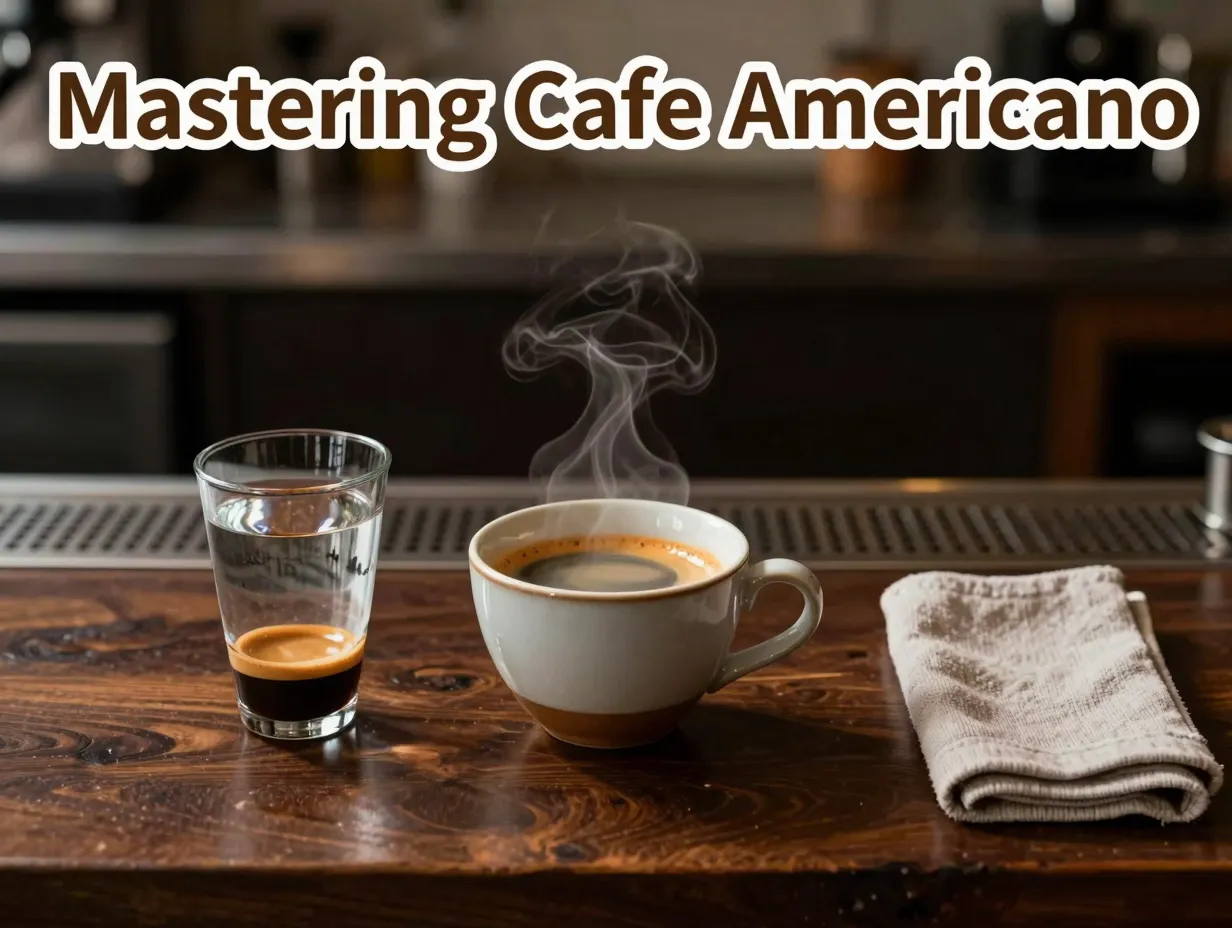
This guide on 9 Things to Know About Cafe & How to Master It covers everything from the drink’s surprising wartime origins to the precise ratios, temperatures, and pouring methods that separate a mediocre Americano from an exceptional one. Whether you’re a or a seasoned coffee enthusiast, these nine insights will sharpen your skills and deepen your appreciation for one of the world’s most misunderstood .
Key Takeaways
- ☕ A Cafe Americano is espresso diluted with hot water — not the same as drip coffee, despite a similar appearance.
- 🏛️ The drink was born during World War II, when American soldiers in Italy diluted espresso to mimic familiar coffee from home.
- ⚗️ The correct technique is to add espresso to water (not the reverse) to preserve crema and balance flavor.
- 📊 An 8-oz Americano with a double shot contains 60–100mg of caffeine — comparable to, but slightly lower than, standard drip coffee.
- 🌍 The Americano has grown from a wartime workaround into a globally celebrated coffee culture staple.
The Foundation: 9 Things to Know About Cafe Americano Coffee & How to Master It
Before diving into the nuances, it helps to understand what a Cafe Americano actually is at its core — and why so many people get it slightly wrong.
1. What Exactly Is a Cafe Americano?
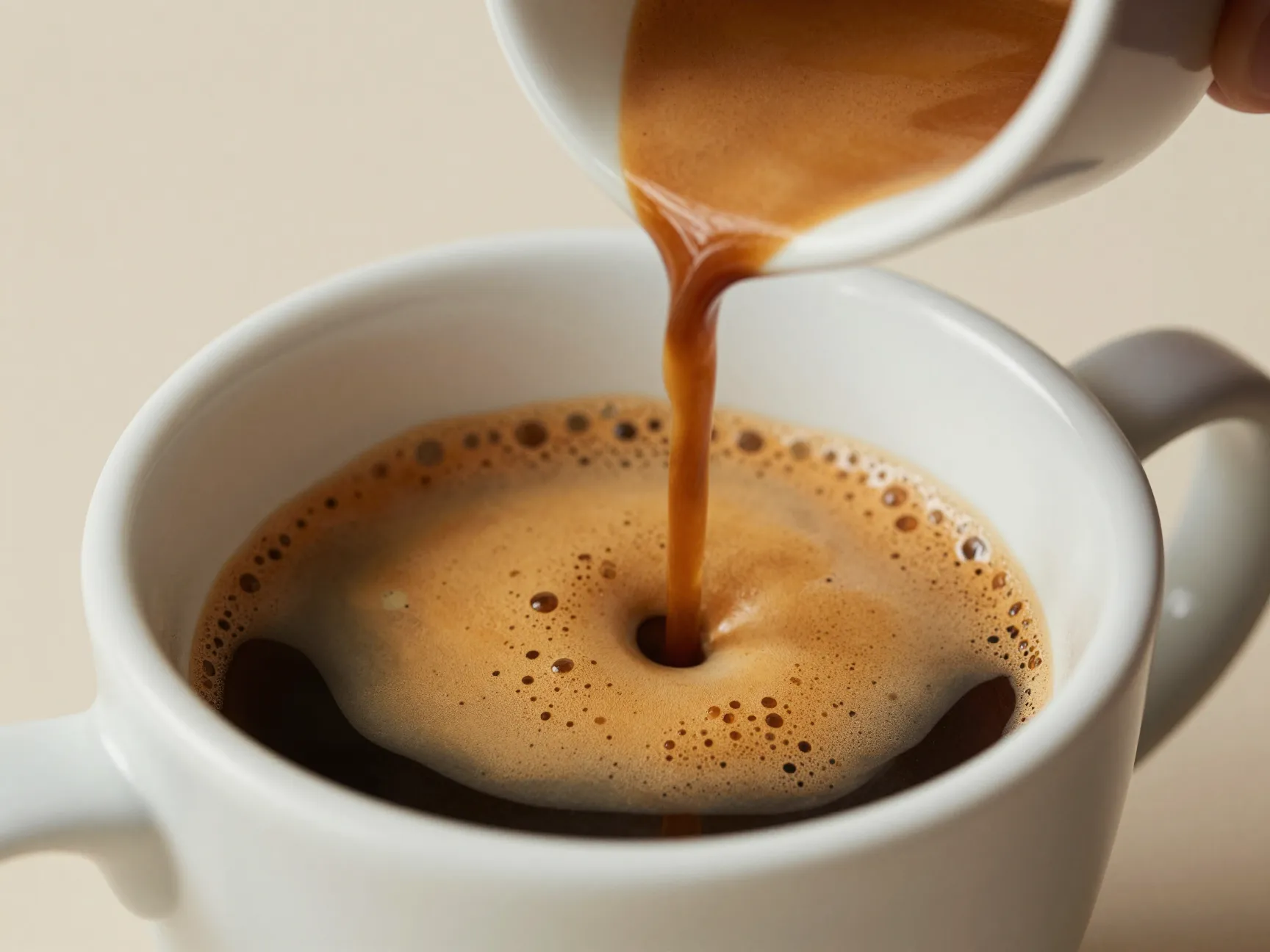
A Cafe Americano (also written as Caffè Americano) is an espresso-based drink made by diluting one or more shots of espresso with hot water. The standard ratio falls between 1:3 and 1:4 (espresso to water), though many cafés serve it at a 1:2 ratio depending on regional preference [7].
The result is a drink that resembles drip coffee in volume and color but differs significantly in flavor, texture, and brewing method. Unlike drip coffee — which passes hot water through ground coffee — an Americano starts with concentrated espresso and expands it with water afterward. That distinction changes everything about the final taste.
“An Americano is not watered-down espresso — it’s espresso transformed by water into something entirely its own.”
Key characteristics at a glance:
| Feature | Cafe Americano | Drip Coffee |
|---|---|---|
| Base | Ground coffee | |
| Water method | Added after brewing | Passed through grounds |
| Body | Medium-full | Light-medium |
| Crema | Present (if made correctly) | None |
| Flavor complexity | High | Moderate |
2. The Surprising WWII Origin Story
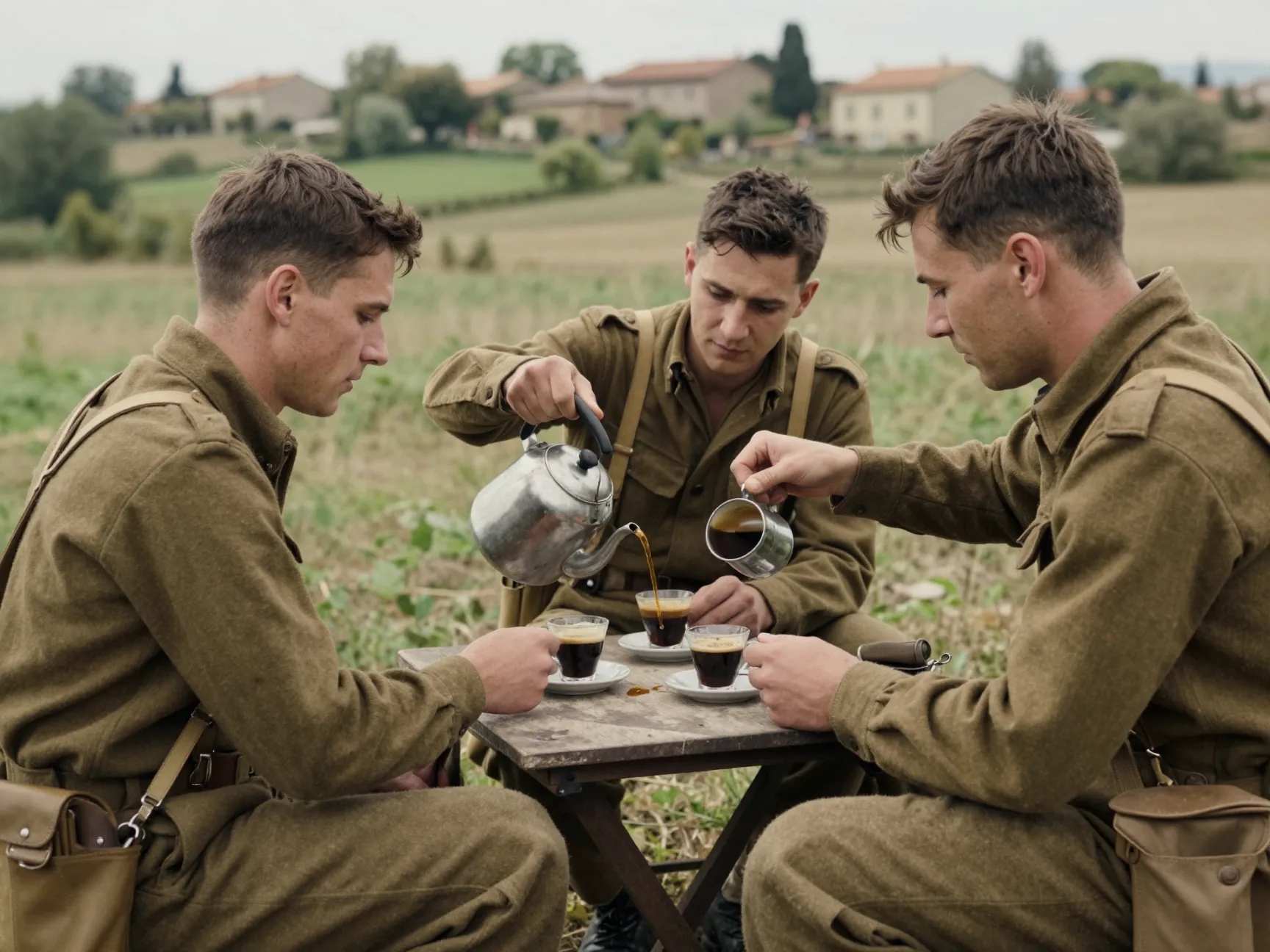
The Americano’s origin is one of coffee history’s most charming stories. During World War II, American soldiers stationed in Italy encountered local espresso — a small, intensely concentrated shot that bore little resemblance to the milder, larger cups they drank back home. Finding it too strong, they began diluting it with hot water to approximate the taste and volume of American-style drip coffee [1].
Italian baristas, observing this habit, reportedly named the resulting drink Caffè Americano — “American coffee” — as a nod to the soldiers’ preference [2].
What started as a pragmatic wartime adaptation became a permanent fixture in Italian café culture and eventually spread worldwide. Today, the Americano is served in virtually every specialty on the planet, from New York to Tokyo to Rome itself [4].
🗓️ Fun fact: The soldiers who “invented” the Americano weren’t trying to create a new drink — they were just trying to feel at home.
3. How the Flavor Profile Sets It Apart
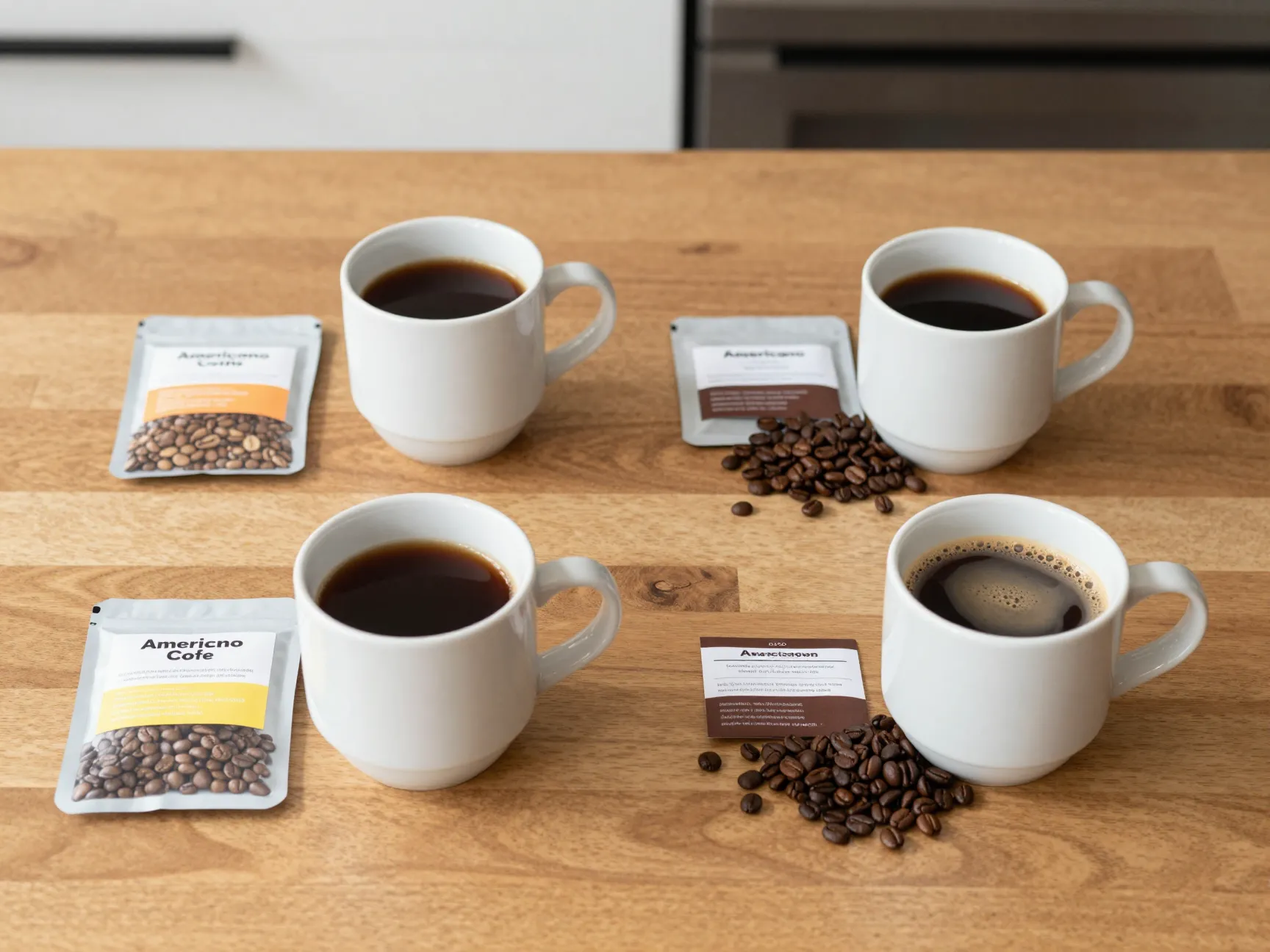
One of the most important things to understand when mastering a Cafe Americano is its unique flavor profile — and why it differs from both espresso and drip coffee.
An Americano delivers:
- Bold but mellow taste — the intensity of espresso softened by water
- More body and complexity than standard drip coffee
- Subtle bitterness balanced by natural sweetness from the crema
- Aromatic depth that drip coffee rarely achieves [3]
The flavor depends heavily on the espresso bean used. A light roast produces a brighter, more acidic Americano with fruity or floral notes. A dark roast delivers a richer, more chocolatey, and slightly smoky profile. Medium roasts tend to offer the best of both worlds for most drinkers.
💡 Pro tip: If your Americano tastes bitter, the problem is almost always over-extraction in the espresso shot — not the .
4. The Caffeine Content Compared to Other Coffees
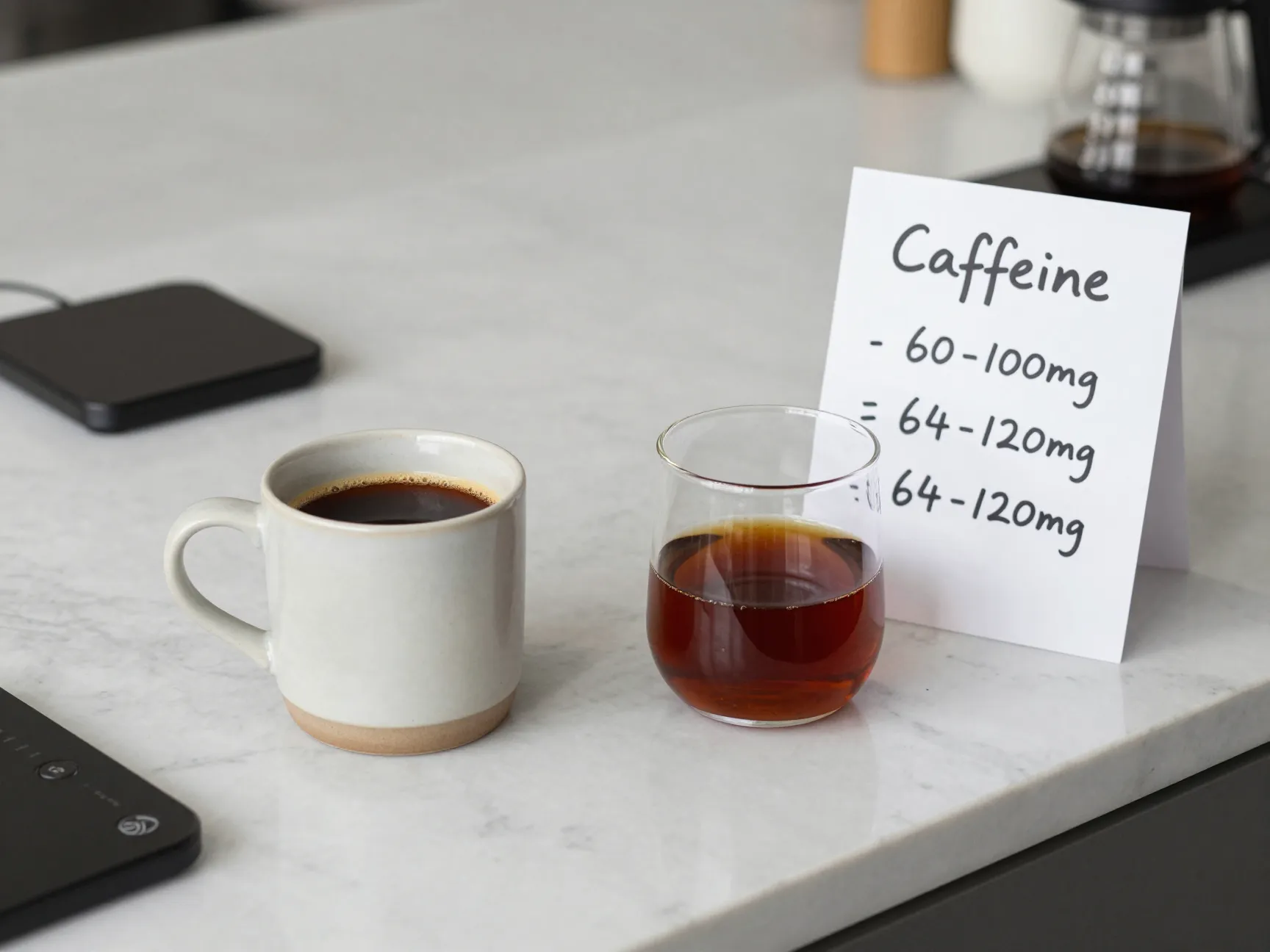
Many people assume an Americano is weaker than drip coffee because it looks similar and is made with diluted espresso. The reality is more nuanced.
An 8-ounce Americano with a double shot contains approximately 60–100mg of caffeine. A standard 8-ounce drip coffee contains 64–120mg [1]. The ranges overlap significantly, meaning the caffeine difference between the two drinks is smaller than most people expect.
Here’s a quick comparison:
| Drink | Serving Size | Caffeine (approx.) |
|---|---|---|
| Single-shot Americano | 8 oz | 30–50mg |
| Double-shot Americano | 8 oz | 60–100mg |
| Drip coffee | 8 oz | 64–120mg |
| Espresso (solo) | 1 oz | 30–50mg |
| 8 oz | 100–200mg |
The key takeaway: a double-shot Americano is roughly equivalent to a standard cup of drip coffee in terms of caffeine. If you want more kick, simply add a third espresso shot.
5. The Critical Ratio — Getting It Right Every Time
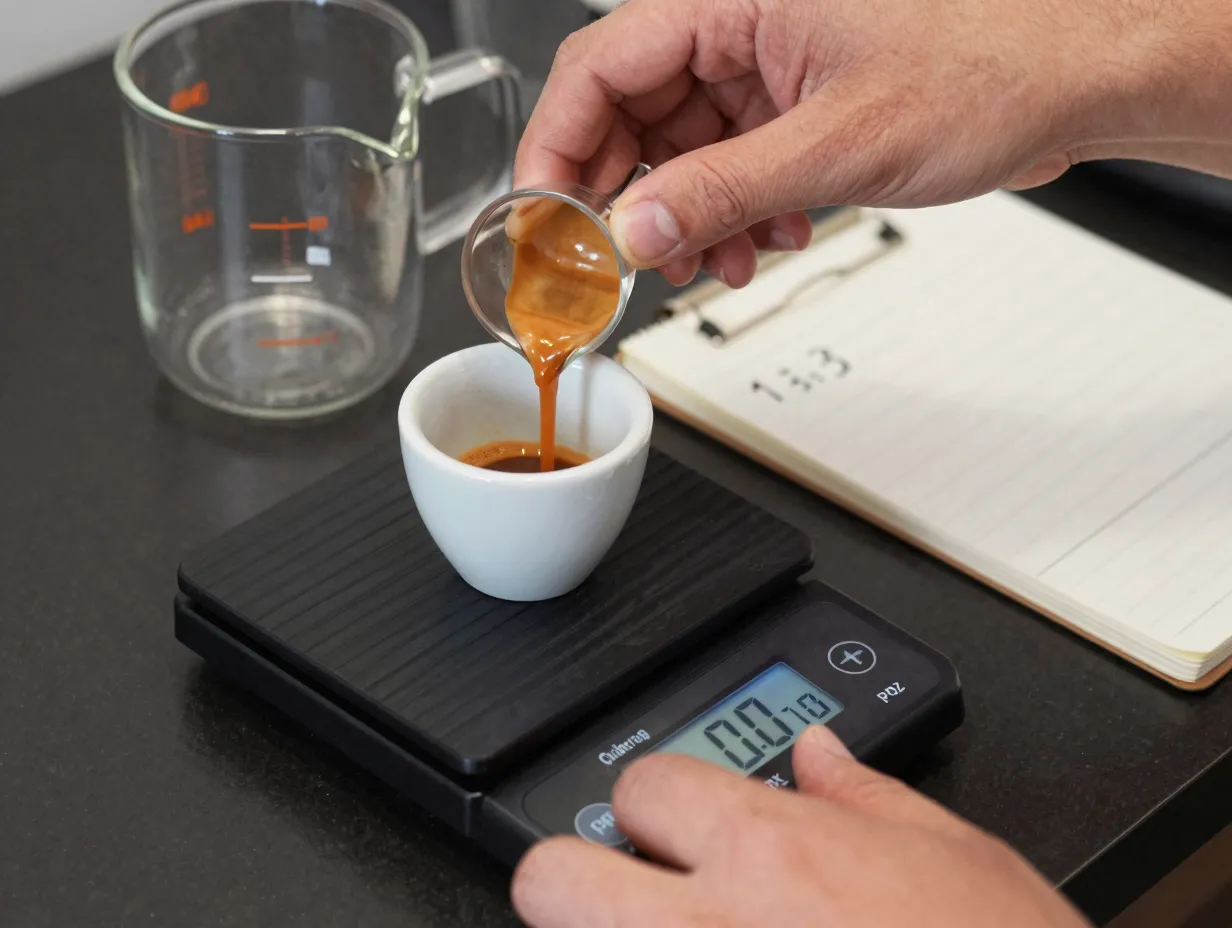
The ratio of espresso to water is the single most controllable variable in making a great Americano. Most recipes recommend a 1:3 to 1:4 ratio of espresso to hot water [7].
In practical terms:
- 1 shot (1 oz) espresso + 3 oz water = strong Americano
- 2 shots (2 oz) espresso + 4–6 oz water = standard Americano
- 2 shots (2 oz) espresso + 8 oz water = mild, large-format Americano [6]
The “right” ratio is ultimately personal — but I recommend starting at 1:3 and adjusting from there. Too much water and you lose the espresso’s complexity. Too little and the drink becomes uncomfortably intense.
📏 Rule of thumb: A 6–8 oz total volume (including espresso) is the sweet spot for most palates.
Mastering the Craft: Advanced Tips From the 9 Things to Know About Cafe Americano Coffee Guide
Once you understand the basics, the real skill-building begins. These next four points separate a good Americano from a truly excellent one.
6. The Pouring Order Matters More Than You Think
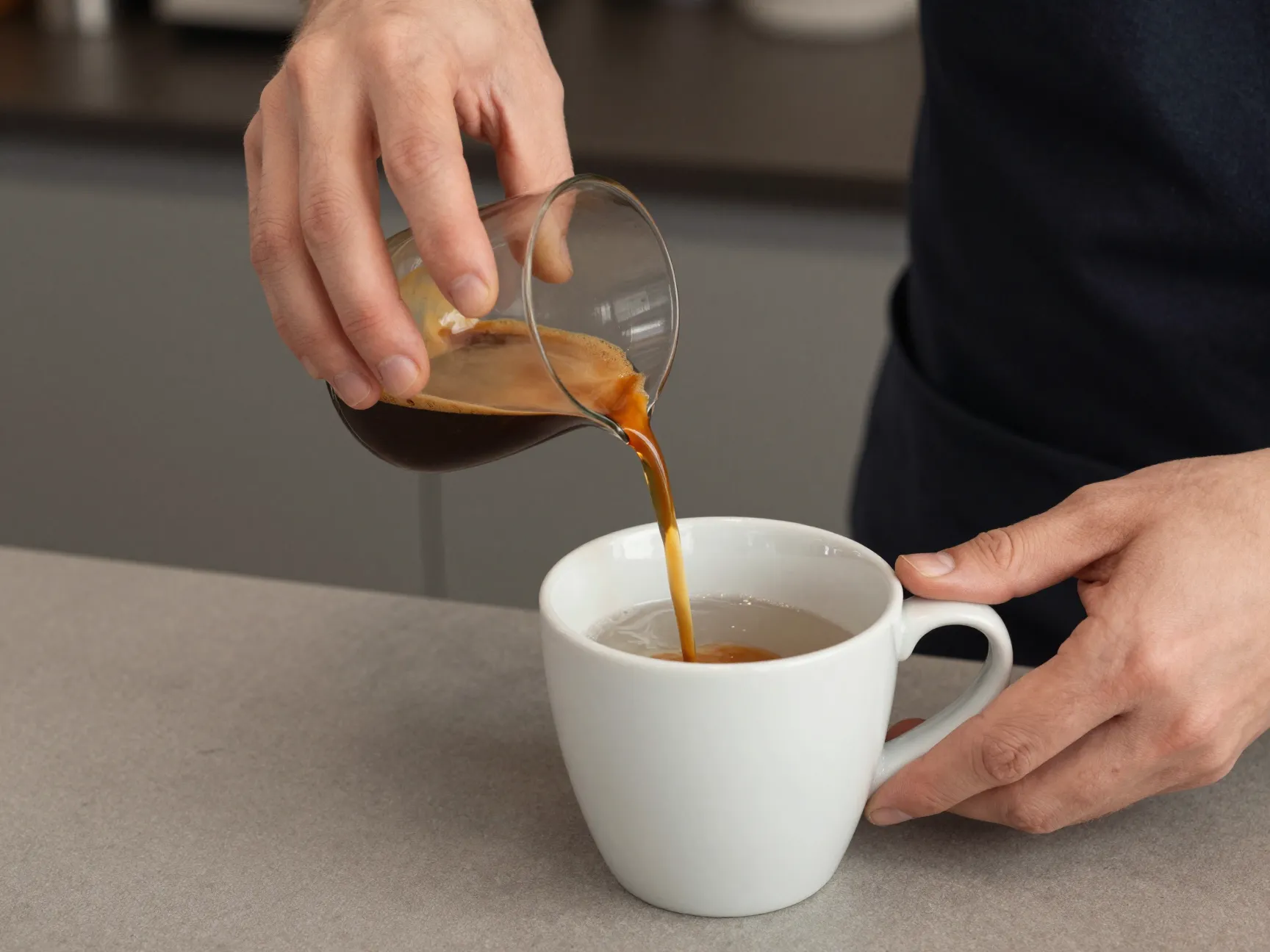
Here’s the technique mistake that ruins more Americanos than any other: pouring water onto espresso instead of the other way around.
The correct method is to add espresso to hot water — always [6]. Here’s why:
When you pour water over espresso, the crema (the golden foam layer on top of the shot) gets destroyed immediately, mixing into the body of the drink unevenly. This creates a harsher, more bitter flavor.
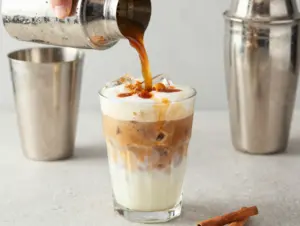
When you add espresso to water, the crema floats naturally to the top, slowly integrating with the drink and creating a smoother, more balanced taste [6].
Step-by-step technique:
- Pull your espresso shot into a separate small cup.
- Fill your serving cup with the desired amount of hot water first.
- Gently pour the espresso shot over the water.
- Watch the crema bloom on the surface.
- Serve immediately — no stirring needed.
“The order of pouring isn’t a barista quirk — it’s the difference between a smooth Americano and a bitter one.”
7. Water Temperature Is a Game-Changer
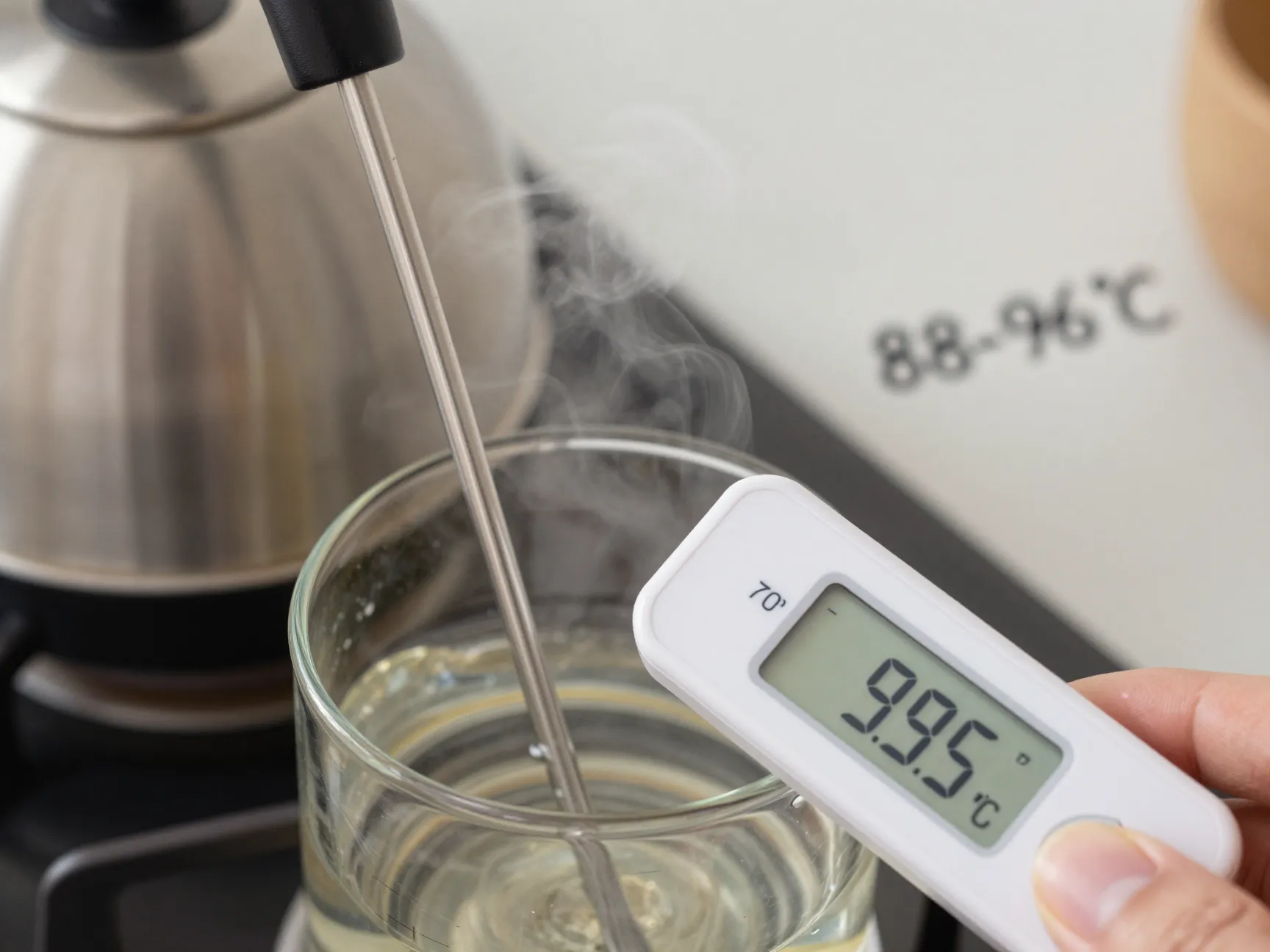
The temperature of the water you add to your espresso has a direct impact on flavor extraction and overall taste. Most baristas and coffee experts recommend using water between 88°C and 96°C (190°F–205°F) — just below boiling [5].
Water that is too hot (above 96°C) can cause the espresso to over-extract further upon contact, amplifying bitterness. Water that is too cool (below 85°C) will make the drink feel flat and muted.
🌡️ Temperature guide:
- Below 85°C: Flat, under-developed flavor
- 88–93°C: Ideal for light and medium roasts
- 93–96°C: Ideal for dark roasts
- Above 96°C: Risk of bitterness and over-extraction
If you don’t have a thermometer, a simple trick works well: bring water to a full boil, then let it sit for 30–45 seconds before pouring. This drops the temperature into the ideal range naturally.
8. Choosing the Right Espresso Bean Changes Everything
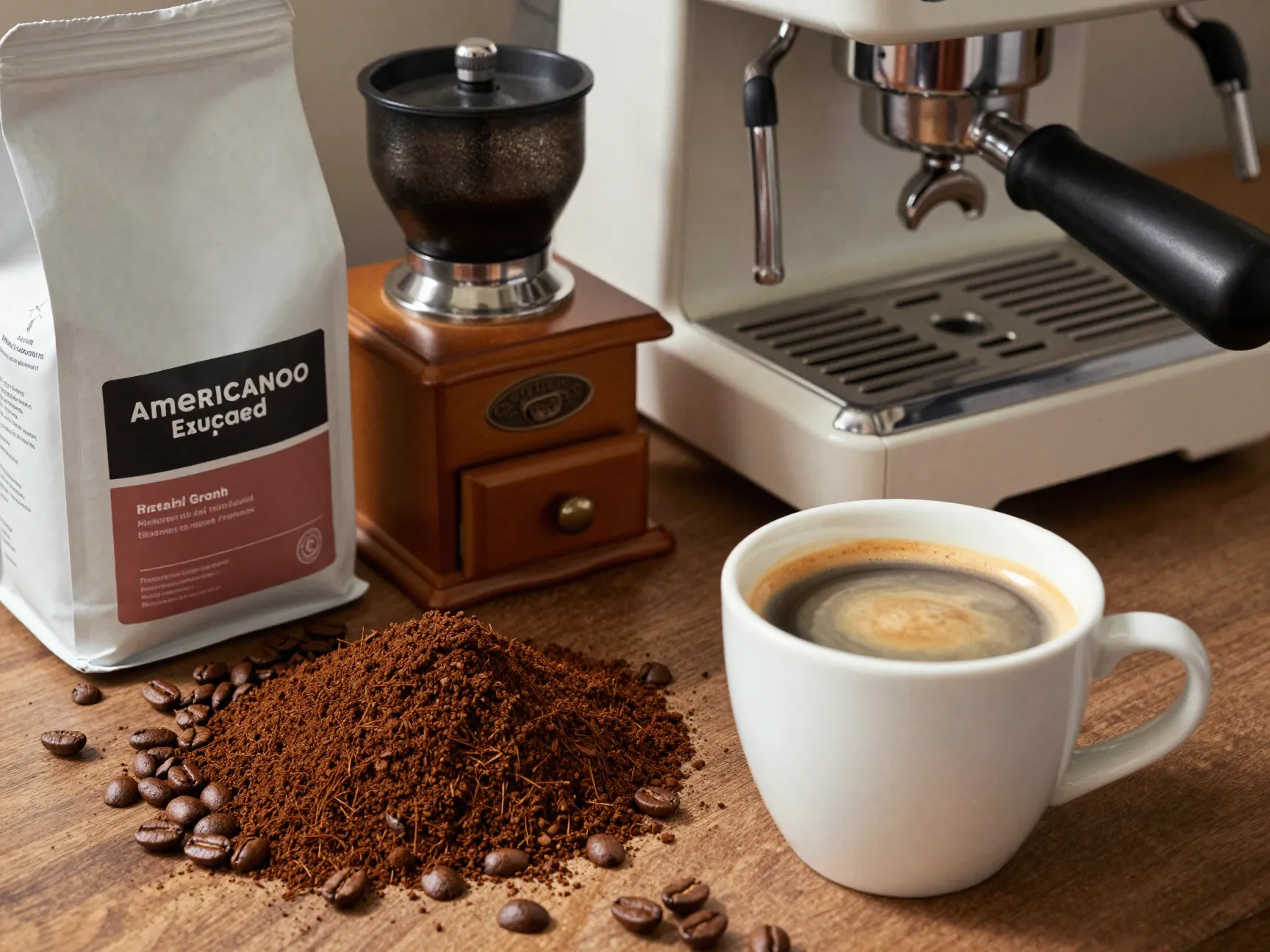
The Americano is only as good as the espresso it’s built on. Because the drink uses diluted espresso as its entire flavor base, the quality and roast level of your beans matters enormously [3].
Here’s a quick guide to matching beans to your preferred Americano style:
| Bean Roast | Flavor Notes | Best For |
|---|---|---|
| Light roast | Fruity, floral, bright acidity | Nuanced, complex Americanos |
| Medium roast | Balanced, nutty, mild sweetness | Everyday Americanos |
| Dark roast | Chocolatey, smoky, bold | Rich, intense Americanos |
| Single origin | Terroir-specific, unique | exploration |
| Blend | Consistent, balanced | Reliable daily brewing |
I personally favor a medium-dark single-origin Ethiopian bean for Americanos — the natural fruit notes hold up beautifully even after dilution, creating a cup with remarkable depth.
🫘 Key tip: Always use freshly ground beans. Pre-ground coffee loses volatile aromatics within 15–30 minutes of grinding, which noticeably flattens the flavor of your Americano.
9. The Americano’s Global Cultural Evolution
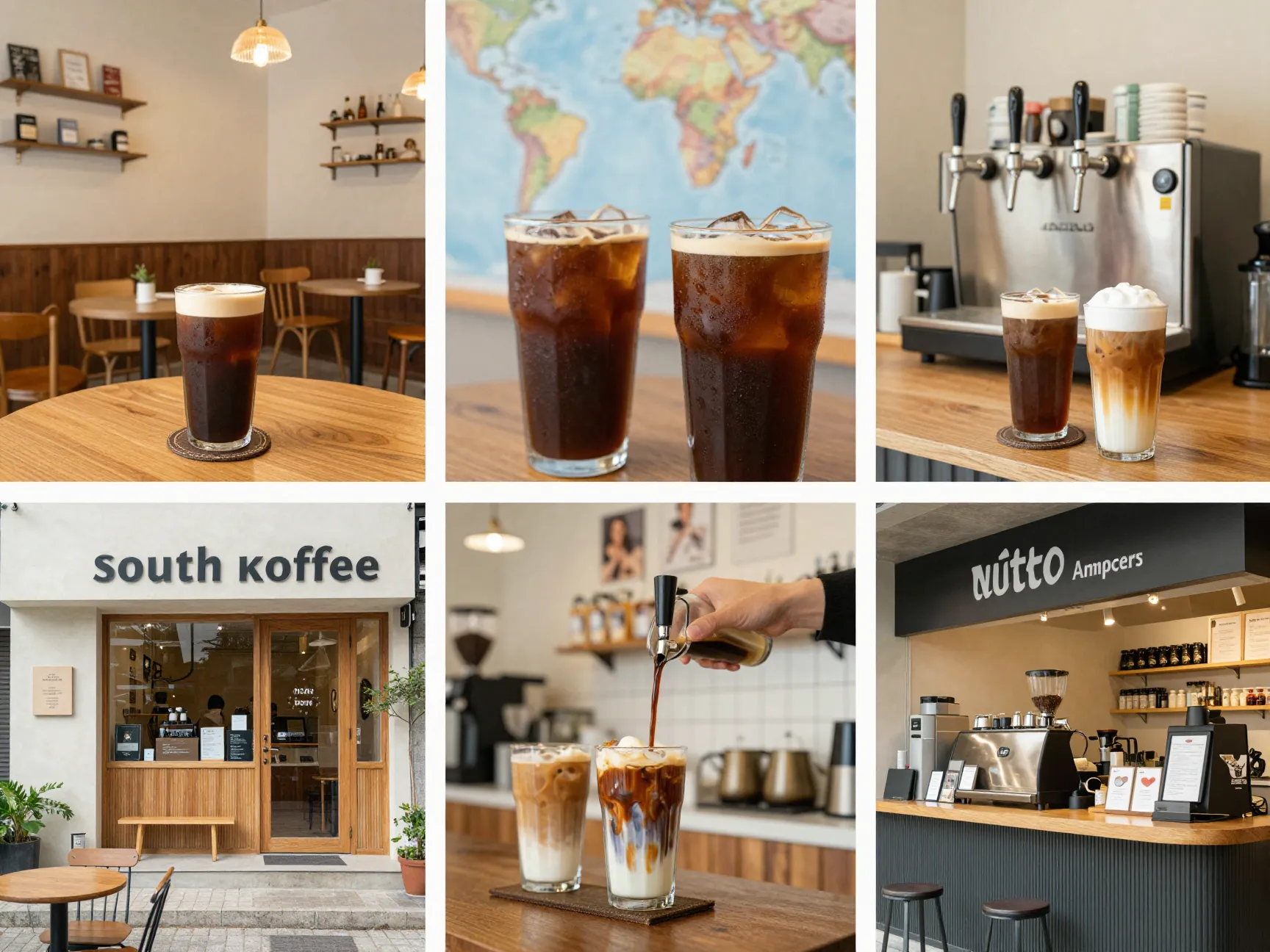
Understanding the cultural context of the Americano adds a layer of appreciation that makes every cup more meaningful. What began as a soldier’s improvisation in wartime Italy has evolved into a symbol of culinary fusion and cross-cultural coffee exchange [4].
In the United States, the Americano became a gateway drink for espresso culture — introducing millions of drip-coffee drinkers to the world of specialty espresso without the intensity shock. In South Korea, the Iced Americano (아이스 아메리카노) became a cultural phenomenon, with Koreans famously drinking them year-round, even in winter [8].
In Italy, the drink is still sometimes ordered with a wry smile — a reminder of the American soldiers who couldn’t handle a proper espresso. In Scandinavia, it’s a staple of the minimalist coffee culture that prizes clean, precise flavors.
🌍 The Americano’s journey from wartime workaround to global coffee icon is a testament to how great drinks evolve through cultural exchange.
The drink continues to evolve in 2026, with cold Americanos, nitrogen-infused versions, and specialty single-origin Americanos now appearing on menus at top-tier coffee shops worldwide [4].
Quick Reference: Americano Mastery Cheat Sheet
Here’s everything distilled into one fast-reference table:
| Element | Recommendation |
|---|---|
| Espresso:Water ratio | 1:3 to 1:4 |
| Water temperature | 88–96°C (190–205°F) |
| Pouring order | Water first, then espresso |
| Shot type | Double shot (standard) |
| Bean roast | Medium to medium-dark |
| Grind freshness | Within 15–30 min of brewing |
| Total volume | 6–8 oz (standard) |
| Caffeine (double shot) | 60–100mg |
Conclusion
Mastering the Cafe Americano is less about complexity and more about understanding the fundamentals deeply. This guide on 9 Things to Know About Cafe Americano Coffee & How to Master It has walked through everything that matters: the drink’s WWII origins, its unique flavor profile, caffeine content, ideal ratios, pouring technique, water temperature, bean selection, and global cultural significance.
The difference between an average Americano and a great one comes down to a few consistent habits:
Your actionable next steps:
- Start with quality espresso — invest in fresh, whole beans and grind them just before brewing.
- Always pour espresso into water — never the reverse — to protect the crema.
- Control your water temperature — aim for 88–96°C for the cleanest flavor.
- Experiment with your ratio — start at 1:3 and adjust until the balance feels right for your palate.
- Try different roast levels — a light roast Americano and a dark roast Americano are almost entirely different experiences.
The Americano rewards attention. Once you understand what you’re working with — concentrated espresso, precise water, and a technique refined over decades — every cup becomes an opportunity to get it exactly right. ☕
References
[1] What Is An Americano Definition History And Recipes – https://coffeebros.com/blogs/coffee/what-is-an-americano-definition-history-and-recipes
[2] The Americano A Complete History – https://crockettcoffee.com/blogs/small-batch-coffee/the-americano-a-complete-history
[3] What Is An Americano Coffee Origin Taste And How To Enjoy – https://methodicalcoffee.com/blogs/coffee-culture/what-is-an-americano-coffee-origin-taste-and-how-to-enjoy
[4] The Evolution Of The Americano Coffee And How To Make It – https://www.7-eleven.com/blog/food-and-drink/the-evolution-of-the-americano-coffee-and-how-to-make-it
[5] What Is Americano Coffee – https://www.bonescoffee.com/a/blog/what-is-americano-coffee
[6] Americano – https://www.nescafe.com/in/coffee-culture/knowledge/americano
[7] Caff%c3%a8 Americano – https://en.wikipedia.org/wiki/Caff%C3%A8_americano
[8] What Is An Americano – https://www.spoton.com/blog/what-is-an-americano/