9 Essential Cups for Espresso That Elevate Your Home Brew
A single millimeter of crema can make or break your espresso experience — and the wrong cup destroys it before you even take a sip. Most home baristas spend hundreds of dollars on machines and grinders, then pour their carefully crafted shots into a random mug from the back of the cabinet. That mismatch is costing you flavor, temperature, and the full sensory experience you worked hard to create.
Disclosure: This post contains affiliate links. As an Amazon Associate, we earn from qualifying purchases, and at no extra cost to you.
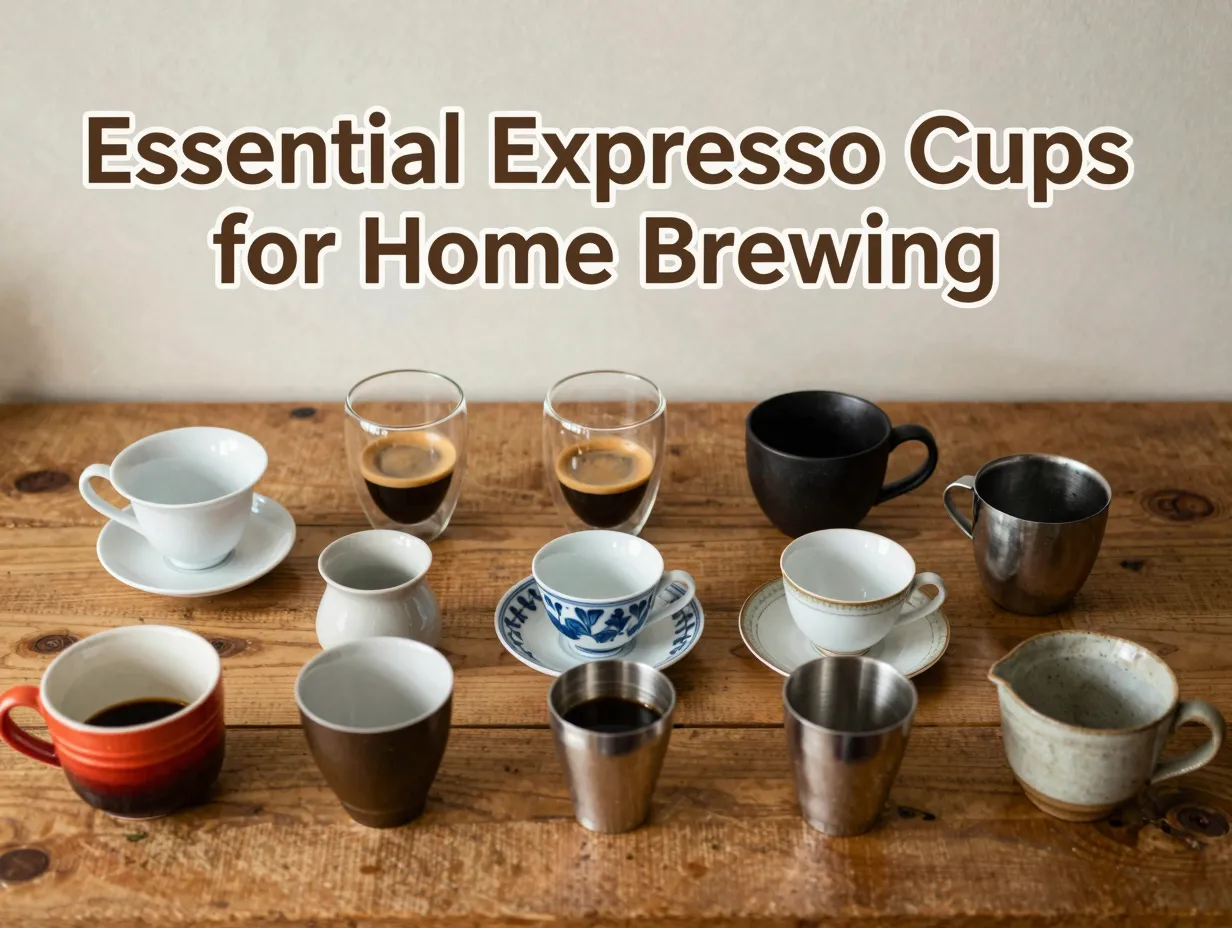
The good news? Choosing the right vessel is one of the easiest, most affordable upgrades you can make. This guide covers the 9 Essential Cups for Espresso That Elevate Your Home Brew — from classic ceramic demitasse to modern double-wall glass — so every shot lands exactly the way it should. Whether you’re pulling a tight ristretto or a generous doppio, there’s a perfect cup for the job. [4]
Key Takeaways 🎯
- Size matters: A single espresso needs ~1 oz (30ml); a double shot needs ~2 oz (60ml) — using the wrong size ruins crema and heat retention [4]
- Material is everything: Ceramic, glass, and stoneware each offer different benefits for heat, aesthetics, and durability [6]
- Preheating your cup is a simple habit that dramatically improves espresso temperature and taste
- Double-wall designs keep the exterior cool while maintaining interior heat — ideal for both safety and performance [4]
- Investing in quality cups is one of the most cost-effective upgrades for home espresso brewing [5]
Why the Right Espresso Cup Changes Everything
Before diving into the list, let’s get clear on why cups matter so much. Espresso is a concentrated, temperature-sensitive drink. It’s served in small volumes — typically 1 to 2 ounces — which means heat loss happens fast. A cold or oversized cup pulls heat away from the shot immediately, flattening the flavor and collapsing the crema. [4]
💬 “The cup is not just a container — it’s the final stage of the brewing process.”
Here’s a quick reference for espresso cup sizing:
| Espresso Type | Volume | Recommended Cup Size |
|---|---|---|
| Ristretto | 0.5–0.75 oz | 1–1.5 oz cup |
| Single Espresso | ~1 oz (30ml) | 2–2.5 oz cup |
| Double (Doppio) | ~2 oz (60ml) | 3–4 oz cup |
| Lungo | ~3 oz (90ml) | 4–5 oz cup |
| Cortado | ~2–3 oz | 4–5 oz glass |
Now, let’s get into the 9 Essential Cups for Espresso That Elevate Your Home Brew. Each pick has been selected based on material quality, heat retention, size accuracy, and real-world usability for home baristas. [6]
The 9 Essential Cups for Espresso That Elevate Your Home Brew
1. Classic White Ceramic Demitasse Cup
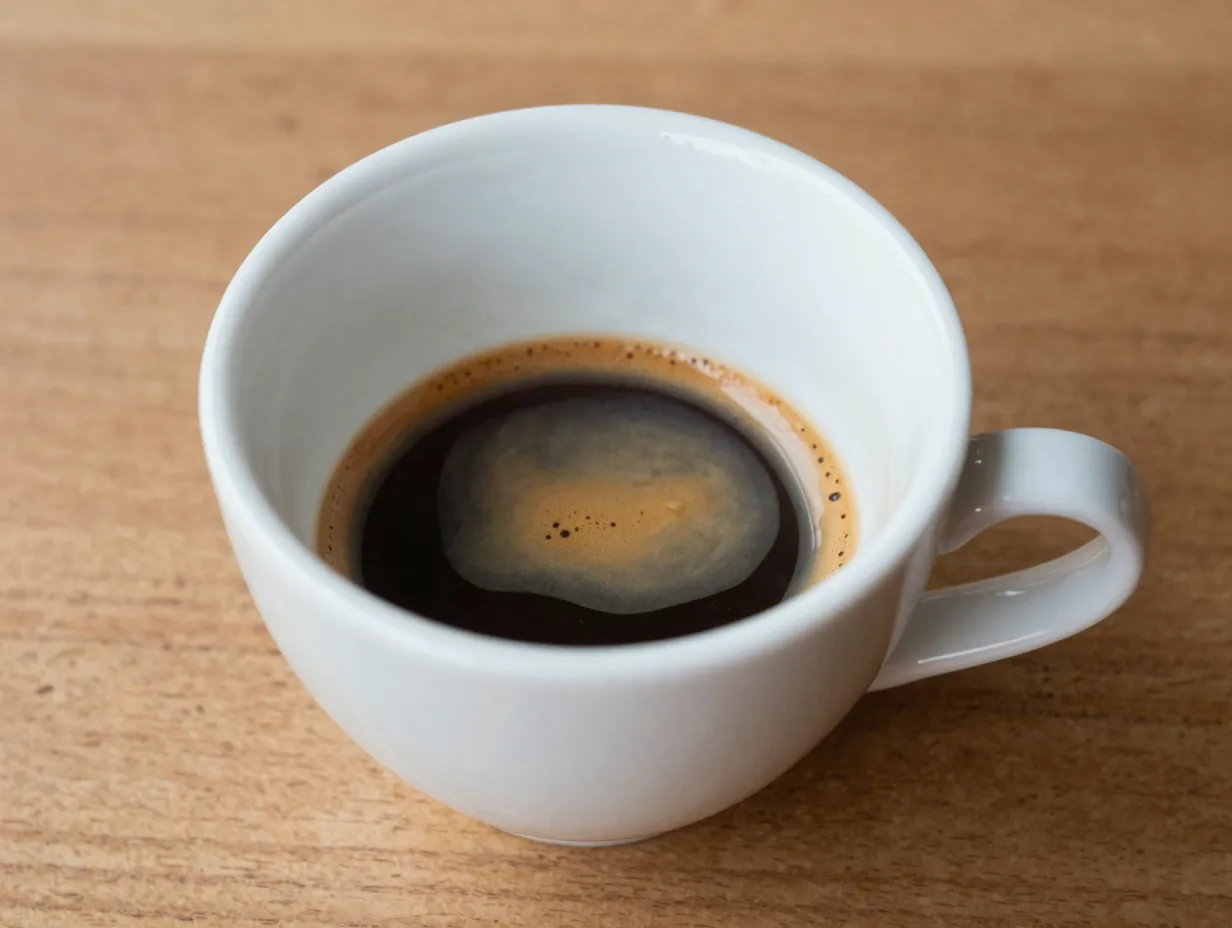
The white ceramic demitasse is the gold standard of espresso culture — and for good reason. Its thick walls hold heat well, and the neutral white interior lets you see the true color and crema of your shot. Most demitasse cups hold between 2 and 3 ounces, which is the sweet spot for a single or double espresso. [7]
Ceramic is also naturally non-porous when glazed, meaning it won’t absorb flavors or odors over time. This keeps every shot tasting clean and pure.
Best for: Single espresso, traditional espresso drinkers, visual crema assessment
Pro tip: Always preheat your ceramic cup with hot water for 30 seconds before pulling your shot.
2. De’Longhi Double-Wall Borosilicate Glass Cup
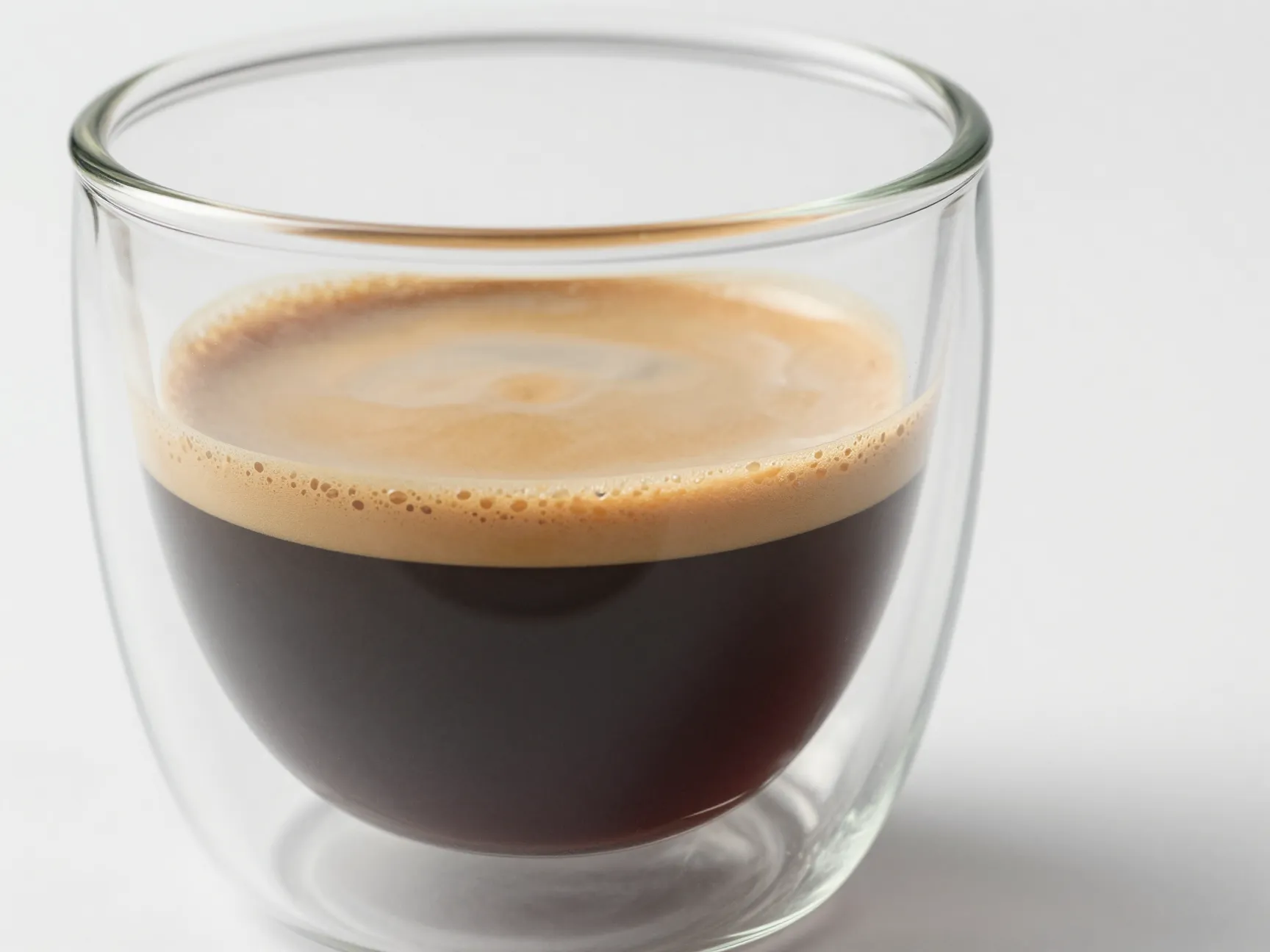
Double-wall borosilicate glass is a modern engineering marvel for espresso lovers. De’Longhi’s version features two layers of heat-resistant glass with an air gap between them. This design keeps your espresso hot inside while the exterior stays cool to the touch — no burned fingers, no heat loss. [4]
The approximately 2-ounce capacity is perfect for a doppio, and the transparent walls let you watch the espresso layers and crema in real time. It’s both functional and visually stunning.
Best for: Double espresso, visual presentation, gifting
Care note: Dishwasher-safe, but hand washing extends lifespan significantly [4]
3. Le Creuset Enamel-Coated Stoneware Espresso Cup
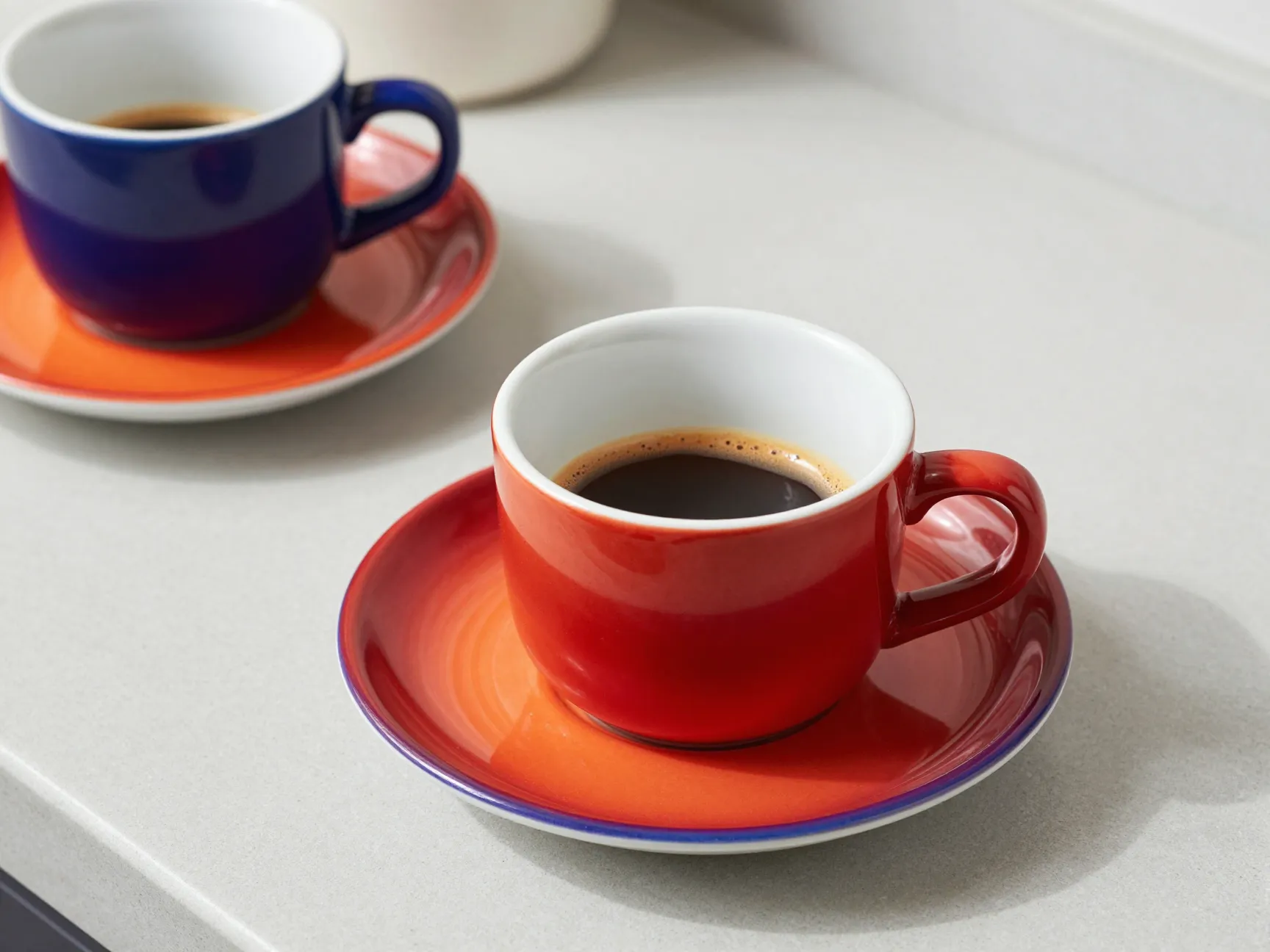
Few brands carry the same weight as Le Creuset when it comes to kitchen quality. Their stoneware are enamel-coated and thick-walled, offering exceptional heat retention that outlasts most ceramic alternatives. With a 3-ounce capacity, they comfortably handle both single and double shots. [4]
The enamel coating resists staining and chipping, and the cups are available in Le Creuset’s signature color range — making them as stylish as they are functional.
Best for: Heat-sensitive drinkers, aesthetic home setups, long sipping sessions
Key advantage: Retains heat longer than standard ceramic due to stoneware density [4]
4. Espresso Tumbler (Cortado Glass)
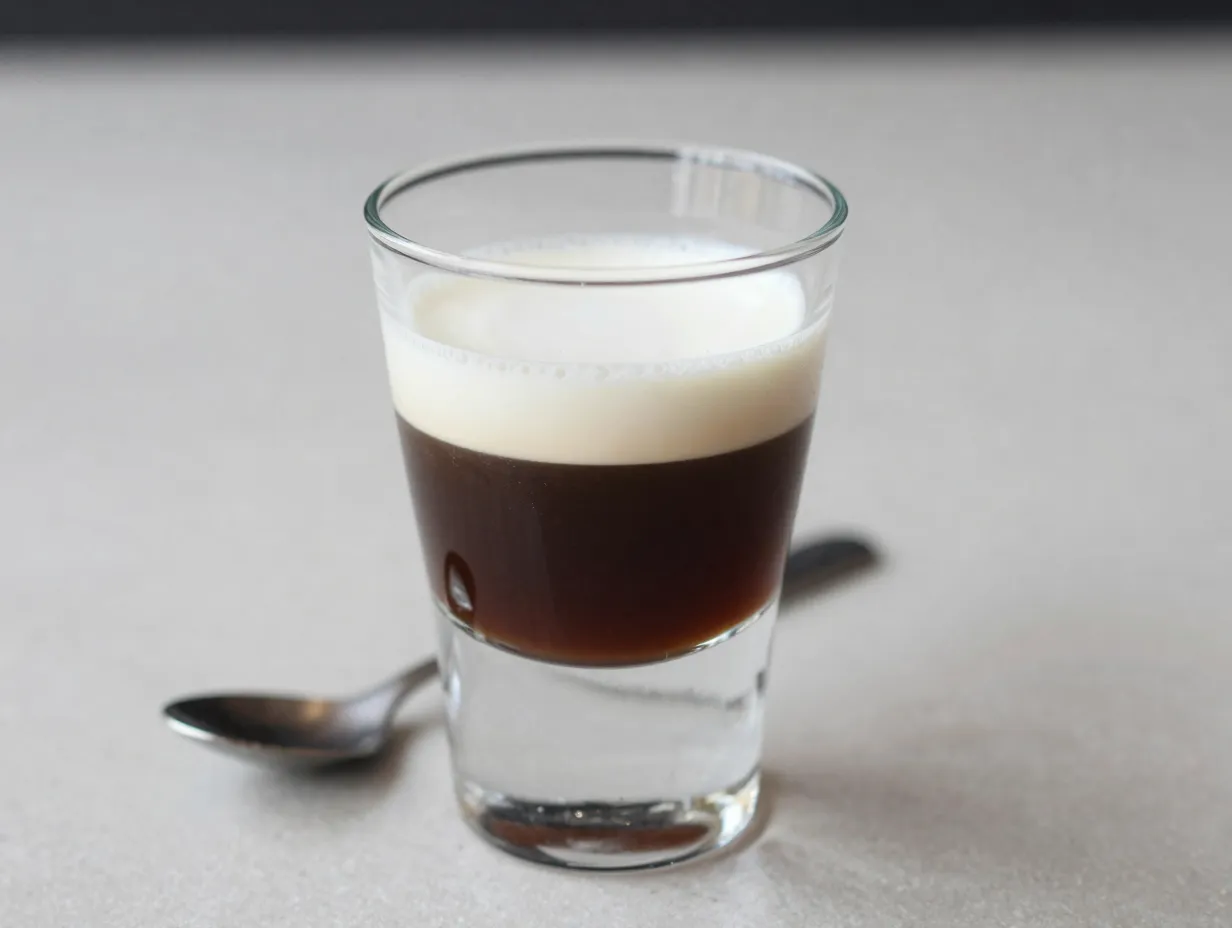
The cortado glass — often called an espresso tumbler — is a small, straight-sided glass typically holding 4 to 5 ounces. It’s the go-to vessel for cortados, Gibraltar coffees, and espresso tonics. The clear glass shows off layered drinks beautifully. [8]
While it doesn’t insulate as well as double-wall options, the visual appeal and versatility make it a must-have for any home espresso bar. [3]
Best for: Cortados, espresso tonics, layered
Style note: Pairs perfectly with a small spoon and a cube of sugar on the side 🍬
5. Porcelain Espresso Cup with Saucer Set
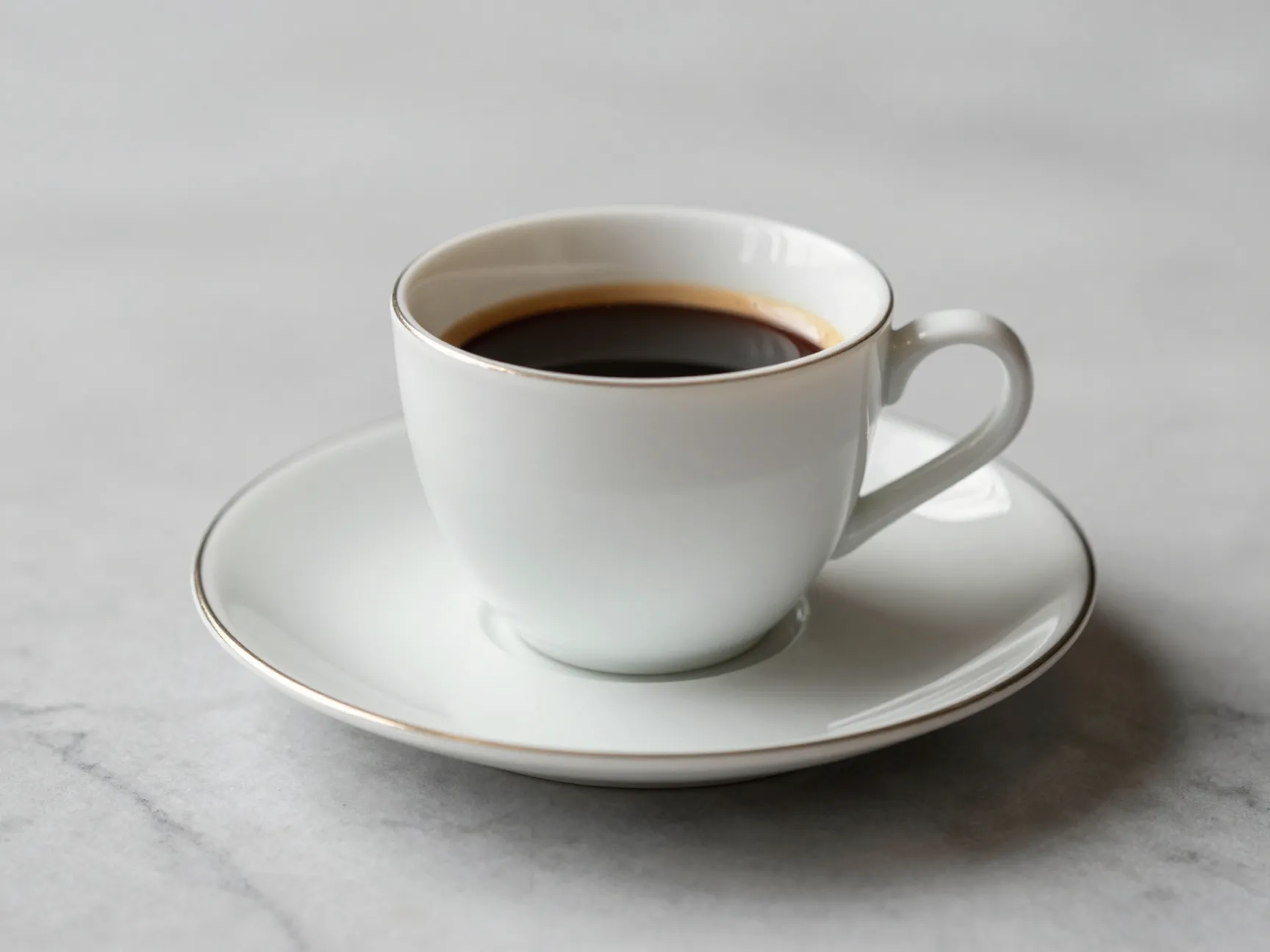
Porcelain is denser and less porous than standard ceramic, making it one of the best materials for espresso cups. A well-made porcelain cup with a matching saucer elevates the entire ritual of espresso drinking — from the weight in your hand to the clink of the cup on the saucer. [6]
Many professional café sets use porcelain for this reason. At home, it brings that same café-quality experience to your kitchen counter.
Best for: Espresso rituals, entertaining guests, café-style home setups
Look for: Cups with a rolled rim — they’re easier to drink from and reduce drips
6. Matte Black Ceramic Espresso Cup
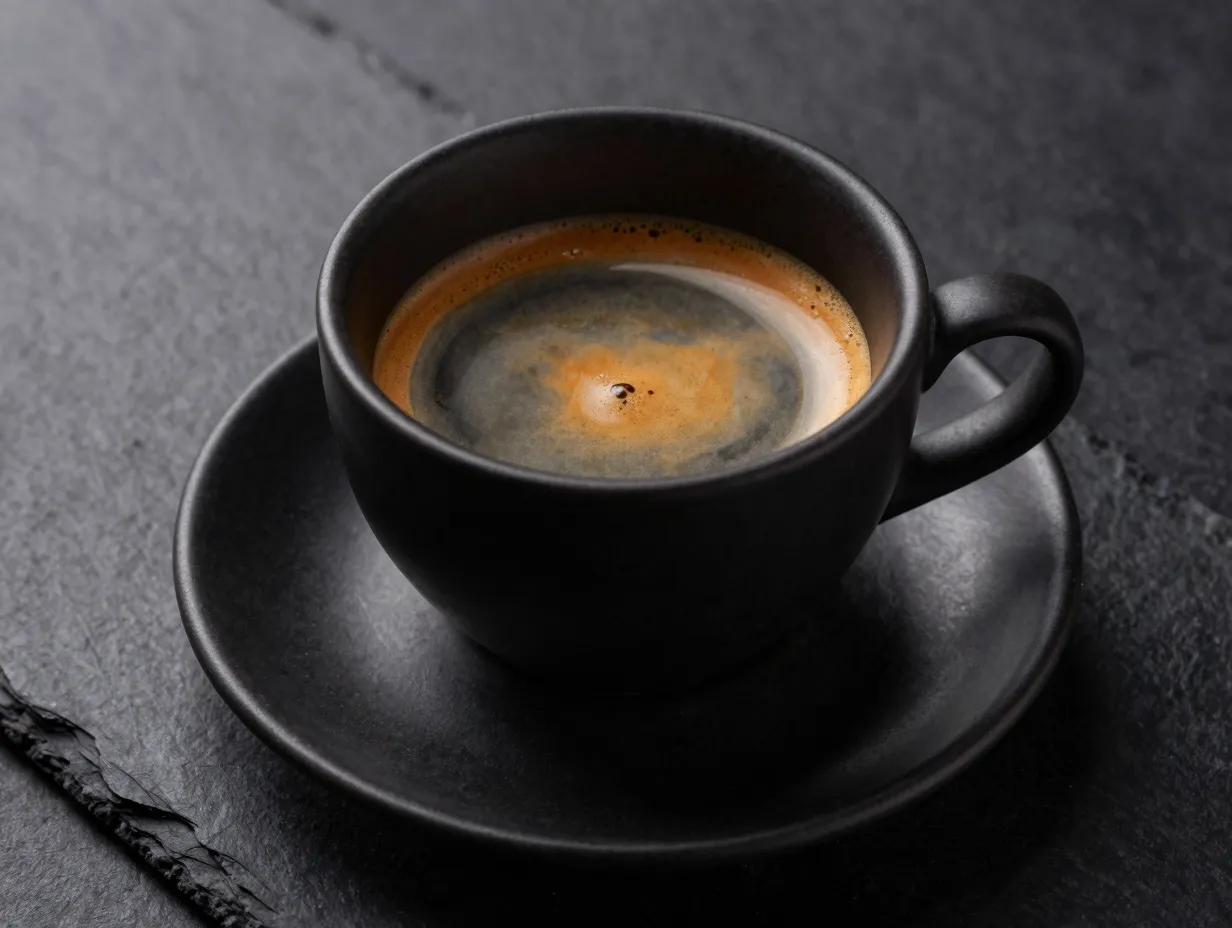
The matte black ceramic cup has become a favorite among enthusiasts and home baristas who care about aesthetics as much as performance. The dark interior provides a striking contrast against the golden-brown crema, making your espresso look as good as it tastes. [6]
Matte finishes also tend to hide minor scratches and wear better than glossy alternatives, keeping your setup looking sharp over time.
Best for: Specialty coffee lovers, Instagram-worthy setups, modern kitchen aesthetics
Pairing tip: Works beautifully with a wooden or slate saucer for a premium look 🖤
7. Acme & Co. Style Tulip Cup
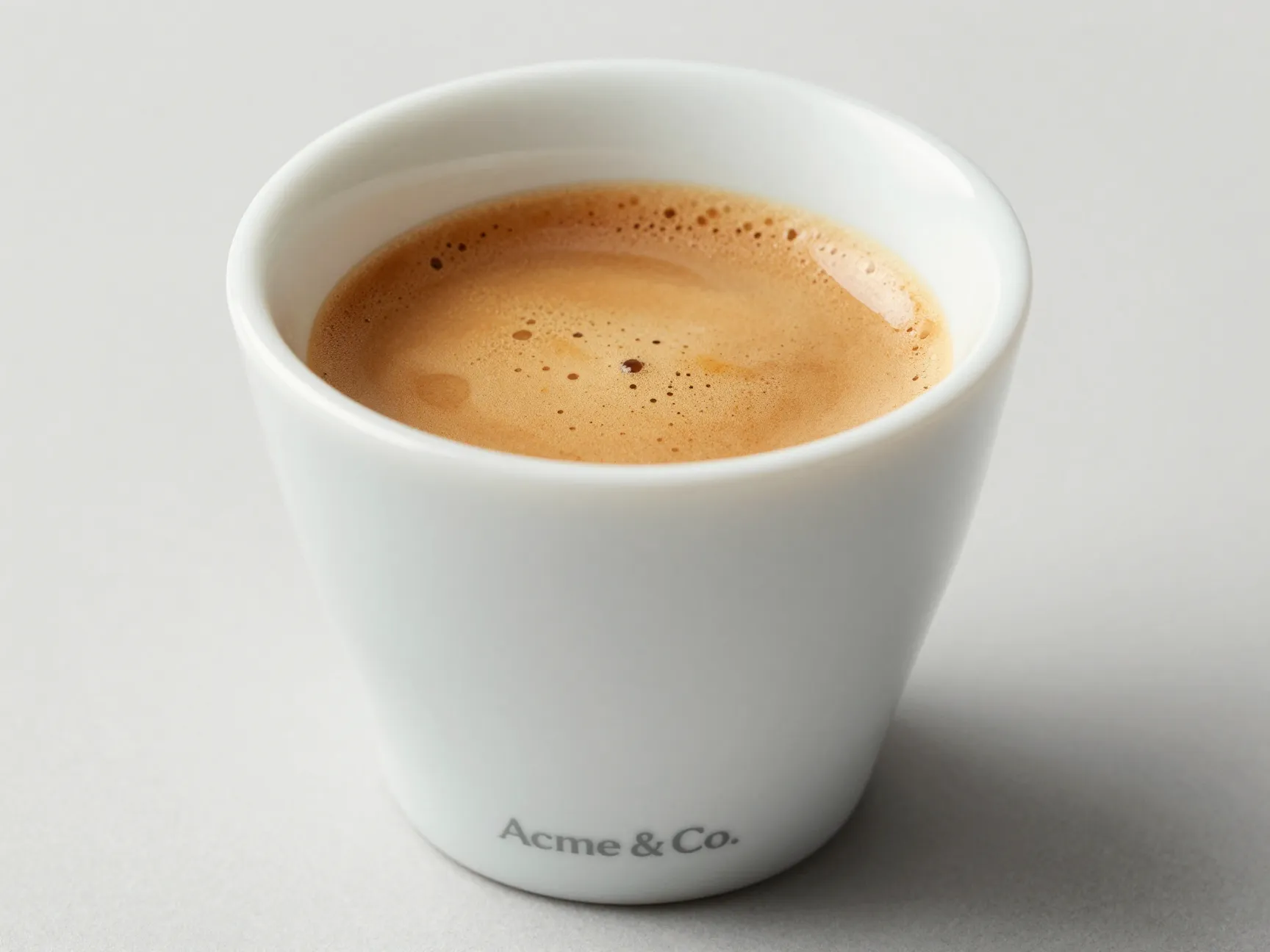
The tulip-shaped espresso cup — popularized by New Zealand brand Acme & Co. — features a curved, tapered body that narrows slightly at the base and opens at the top. This shape is specifically designed to enhance crema presentation and concentrate aroma toward your nose as you drink. [7]
The tulip design is widely used in specialty coffee competitions and third-wave cafés. Bringing it into your home setup is a genuine upgrade for sensory experience.
Best for: Aroma-forward espresso, specialty coffee exploration, competition-style brewing
Volume: Typically 2.5–3 oz, ideal for a strong doppio
8. Insulated Stainless Steel Espresso Cup
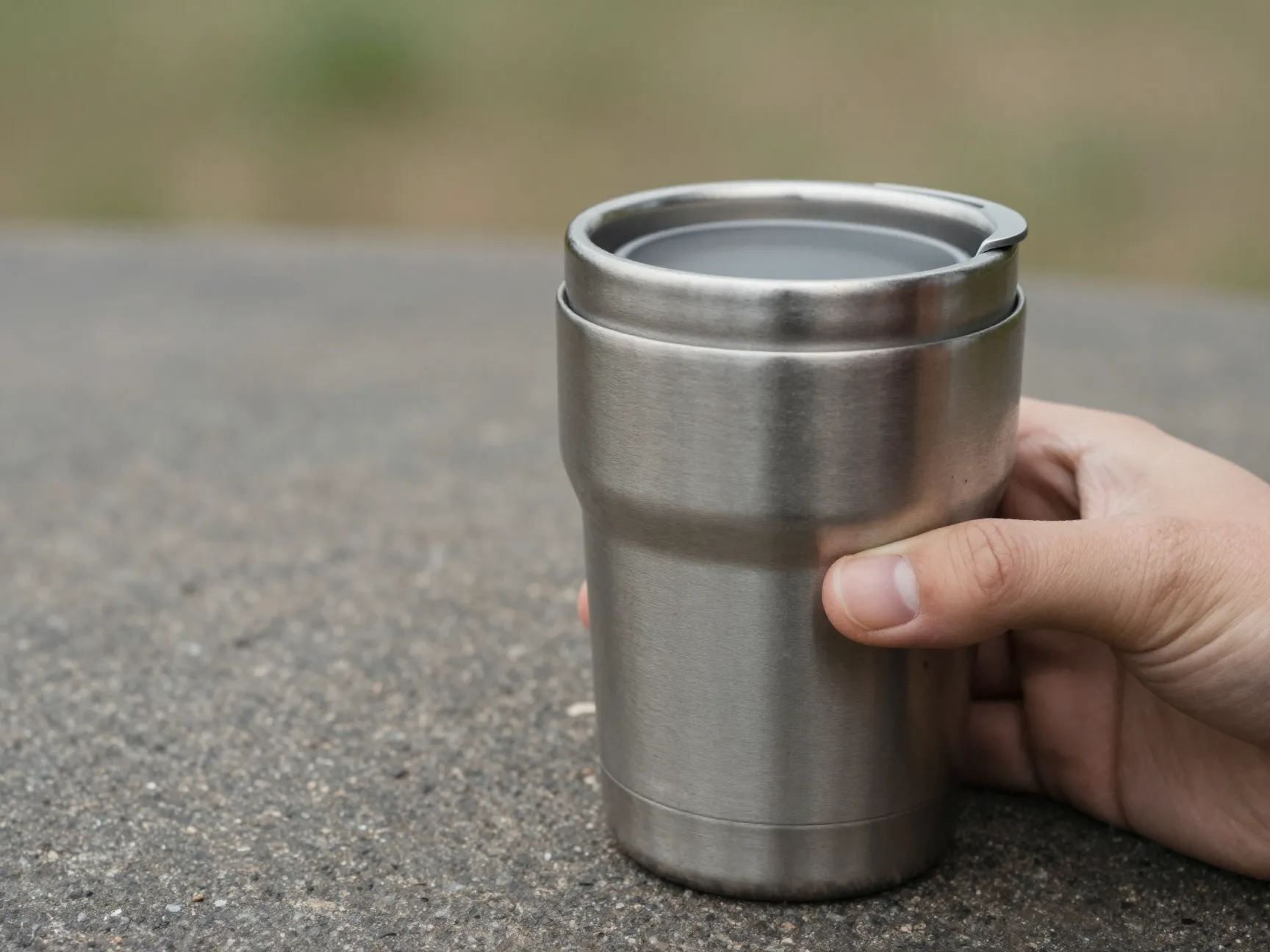
For those who sip slowly or live in cooler climates, an insulated stainless steel espresso cup is a practical powerhouse. These cups maintain temperature for significantly longer than ceramic or glass — some keeping espresso hot for up to 30 minutes. [5]
They’re also virtually indestructible, making them ideal for outdoor use, travel, or households with kids. The trade-off is that you lose the visual experience of seeing your espresso and crema.
Best for: Slow sippers, outdoor use, travel, cold environments
Note: Look for food-grade stainless steel (18/8 or 304 grade) to avoid any metallic taste
9. Handmade Artisan Ceramic Espresso Cup
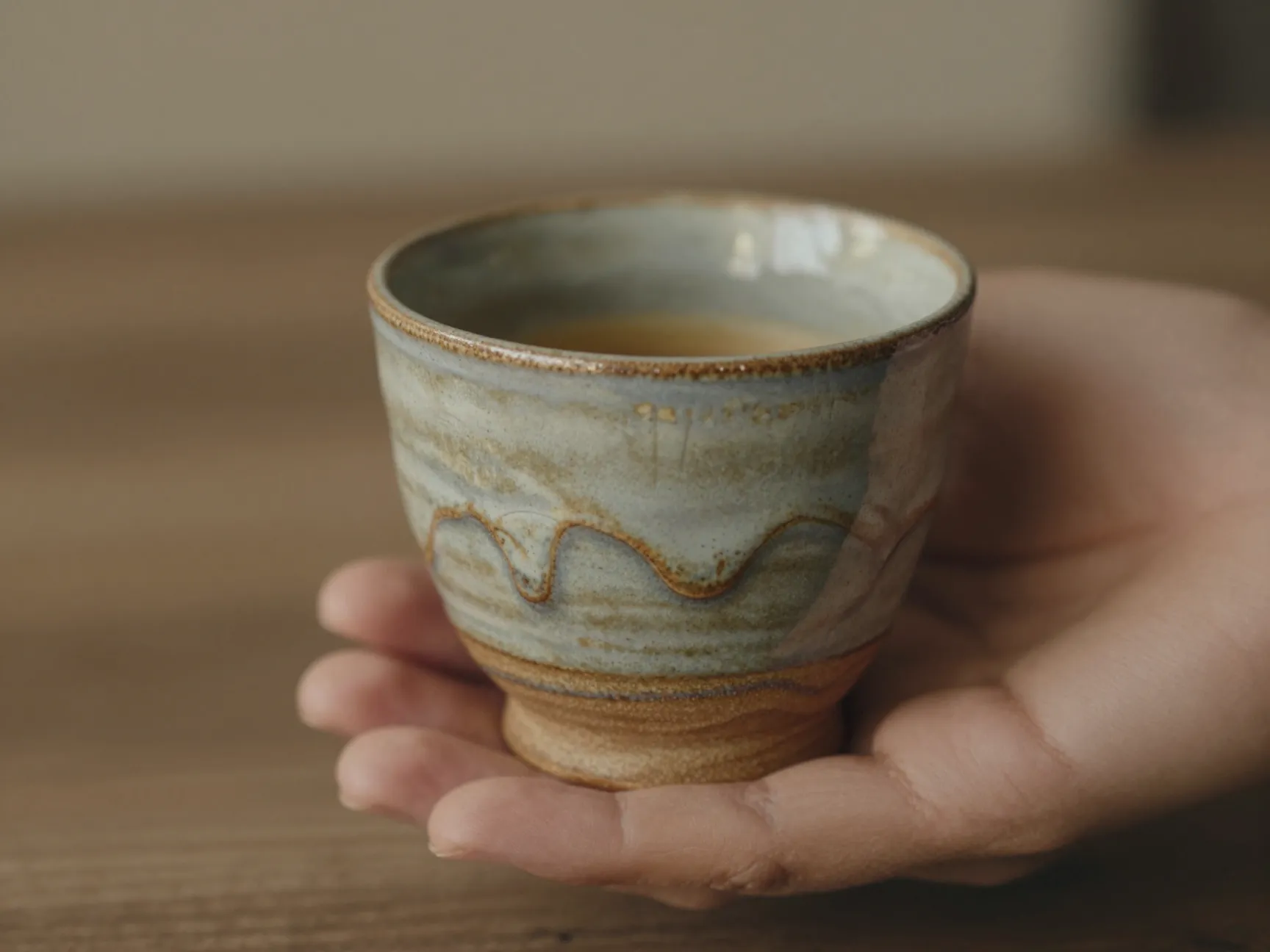
The handmade artisan ceramic cup is the most personal choice on this list. Crafted by independent potters, these cups are unique in shape, glaze, and character. No two are exactly alike, and using one transforms your morning espresso into a small ritual of appreciation. [6]
Beyond aesthetics, quality artisan ceramics are often thicker and heavier than mass-produced options, which means better heat retention and a more satisfying weight in your hand.
Best for: Coffee enthusiasts who value craft, unique gifts, personal connection to the brewing ritual
Where to find them: Local pottery studios, craft markets, Etsy — support small makers! 🏺
How to Choose the Right Espresso Cup for Your Setup
With so many options covered in the 9 Essential Cups for Espresso That Elevate Your Home Brew, it helps to have a simple decision framework. Here’s how I think about it:
Consider Your Espresso Style
- Ristretto or single shot? → Go with a 2–2.5 oz ceramic or porcelain cup
- Doppio or double shot? → Choose a 3–4 oz double-wall glass or stoneware cup [4]
- Milk-based drinks (cortado, )? → A 4–5 oz tulip or tumbler works best
Consider Your Priorities
| Priority | Best Cup Type |
|---|---|
| Maximum heat retention | Le Creuset stoneware or insulated steel |
| Visual presentation | Double-wall borosilicate glass |
| Traditional café feel | White ceramic or porcelain with saucer |
| Modern aesthetics | Matte black ceramic |
| Durability | Stainless steel or thick stoneware |
| Unique character | Handmade artisan ceramic |
Don’t Skip Preheating ☕
No matter which cup you choose, preheating is non-negotiable. Fill your cup with hot water from your machine’s or kettle for 20–30 seconds before pulling your shot. This simple step prevents the cup from stealing heat from your espresso on contact. [3]
Materials Compared: What Works Best?
Understanding cup materials helps you make smarter buying decisions. Here’s a breakdown of the most common options: [6]
Ceramic
- ✅ Good heat retention
- ✅ Widely available, affordable
- ✅ Classic look
- ❌ Can chip over time
Borosilicate Glass
- ✅ Visual appeal, shows crema
- ✅ Thermal shock resistant
- ✅ Easy to clean
- ❌ Less heat retention than ceramic (unless double-walled)
Porcelain
- ✅ Dense, excellent heat retention
- ✅ Non-porous, flavor-neutral
- ✅ Professional appearance
- ❌ Can be fragile if thin
Stoneware
- ✅ Superior heat retention
- ✅ Durable and chip-resistant
- ✅ Rustic, premium aesthetic
- ❌ Heavier than ceramic
Stainless Steel
- ✅ Best long-term heat retention
- ✅ Nearly indestructible
- ✅ Great for travel
- ❌ No visual access to the shot
Care Tips to Make Your Espresso Cups Last
Investing in quality cups means protecting that investment. Here are the most important care habits: [4]
- Hand wash when possible — even dishwasher-safe cups last longer with gentle hand washing
- Avoid sudden temperature changes — don’t pour boiling water into a cold glass cup (unless it’s borosilicate)
- Store cups upside down — prevents dust and keeps the interior clean
- Use soft cloths — abrasive scrubbers scratch glazed surfaces
- Preheat before every use — protects both the cup and your espresso temperature
Frequently Asked Questions
Q: What size cup is best for a single espresso?
A single espresso shot is approximately 1 oz (30ml), but a 2–2.5 oz cup is ideal because it gives the crema room to settle without spreading too thin. [4]
Q: Can I use a regular coffee mug for espresso?
Technically yes, but a standard mug holds 8–12 oz — far too large for espresso. The shot will cool rapidly, the crema will spread and disappear, and the flavor balance will suffer. A proper espresso cup makes a measurable difference. [7]
Q: Is glass or ceramic better for espresso?
Both work well. Ceramic retains heat slightly better, while double-wall glass offers better visual appeal and keeps the exterior cool. The best choice depends on your priorities. [6]
Q: How often should I replace my espresso cups?
Quality ceramic and stoneware cups can last years or even decades with proper care. Replace them when you notice chips, cracks, or crazing (fine surface cracks) that can harbor bacteria.
Conclusion: Upgrade Your Cup, Upgrade Your Espresso
The 9 Essential Cups for Espresso That Elevate Your Home Brew aren’t just about aesthetics — they’re about respecting the craft and getting the most out of every shot you pull. After all, espresso is a precise, intentional drink. It deserves a vessel that matches that intention.
Here are your actionable next steps:
- Audit your current cups — are they the right size for your espresso style?
- Start with one upgrade — the double-wall glass or a quality porcelain set are excellent entry points
- Build a small collection — having 2–3 cup types lets you match the vessel to the drink
- Preheat every time — make it a non-negotiable habit starting today
- Explore artisan options — support small potters and find a cup that feels personal
The right cup won’t fix bad espresso, but it will absolutely make great espresso even better. Your home brew deserves the full experience — from the first grind to the last sip. ☕
References
[1] Top Essential Accessories For The Elevate Your Brew – https://qavashop.com/en/academy/Post/top-essential-accessories-for-the-home-barista-elevate-your-brew
[2] Accessories – https://coffeeblog.co.uk/coffee-machine-accessories/
[3] Setting Up Your And Espresso Bar 10 Must Have Essentials – https://ecscoffee.com/blogs/ecs/setting-up-your-home-coffee-and-espresso-bar-10-must-have-essentials
[4] Espresso Cups – https://coffeevoila.com/espresso-cups/
[5] What Are The Best Espresso Accessories To Invest In For Cost Effective Home Brewing – https://www.ultimacosa.com/blogs/product-reviews-1/what-are-the-best-espresso-accessories-to-invest-in-for-cost-effective-home-brewing
[6] Top 10 Coffee Espresso Cups For Home Baristas – https://themilkywhisker.com/blogs/coffee-cups/top-10-coffee-espresso-cups-for-home-baristas
[7] Espresso Cup – https://bazancoffee.com/blogs/barista-tools/espresso-cup
[8] Best Espresso – https://keurigcoffee.blog/best-espresso-coffee-cups/