
8 Things Every Coffee Lover Should Know About the Perfect Café au Lait
Only 1 in 3 drinkers can correctly explain the difference between a café au lait and a latte — yet this classic French drink has been gracing breakfast tables for centuries. If you’ve ever ordered one and felt unsure whether you got it right, you’re not alone. Understanding the 8 things every coffee lover should know about the perfect café au lait can transform a simple morning ritual into something genuinely special.
Disclosure: This post contains affiliate links. As an Amazon Associate, we earn from qualifying purchases, and at no extra cost to you.

This guide breaks down everything — from the correct coffee-to-milk ratio and milk temperature to the right equipment and serving vessel. Whether you’re a casual drinker or a dedicated coffee enthusiast, mastering the café au lait is one of the most rewarding skills you can add to your repertoire in 2026.
Key Takeaways
- ☕ A traditional café au lait uses filter coffee, not espresso, for a softer, more balanced flavor.
- 🌡️ Milk should be heated to exactly 65°C — no higher — to preserve sweetness and texture.
- 📐 The classic ratio is 1 part coffee to 2 parts milk, though personal taste can guide adjustments.
- 🥛 Whole, non-ultra-pasteurized milk produces the richest, most satisfying result.
- 🍵 Serving it in a traditional ceramic bowl is part of the authentic experience.
What Exactly Is a Café au Lait? A Foundation Every Coffee Lover Needs
Before diving into the 8 things every coffee lover should know about the perfect café au lait, it helps to understand what this drink actually is — and what it is not.
The term café au lait is French for “coffee with milk.” Simple enough. But the details matter enormously. A classic French café au lait mixes brewed coffee with , traditionally in roughly equal parts, producing a drink that is smooth, mild, and deeply comforting [3]. It is not a latte. It is not a cappuccino. And it is definitely not just drip coffee with cold milk poured in.
💬 “The café au lait is one of the most misunderstood drinks in the coffee world — often copied, rarely perfected.”
Here is a quick comparison to clear up common confusion:
| Drink | Coffee Base | Milk Ratio | Texture |
|---|---|---|---|
| Café au Lait | Filter/brewed coffee | ~1:2 coffee to milk | Smooth, lightly creamy |
| Latte | Espresso | ~1:3 espresso to milk | Rich, velvety foam |
| Cappuccino | Espresso | ~1:1:1 | Thick, airy foam |
| Flat White | Espresso | ~1:2 espresso to milk | Dense, silky microfoam |
Understanding this foundation makes every tip that follows far more meaningful. Now, let’s get into the specifics.
The 8 Things Every Coffee Lover Should Know About the Perfect Café au Lait
1. The Traditional Base Is Filter Coffee, Not Espresso
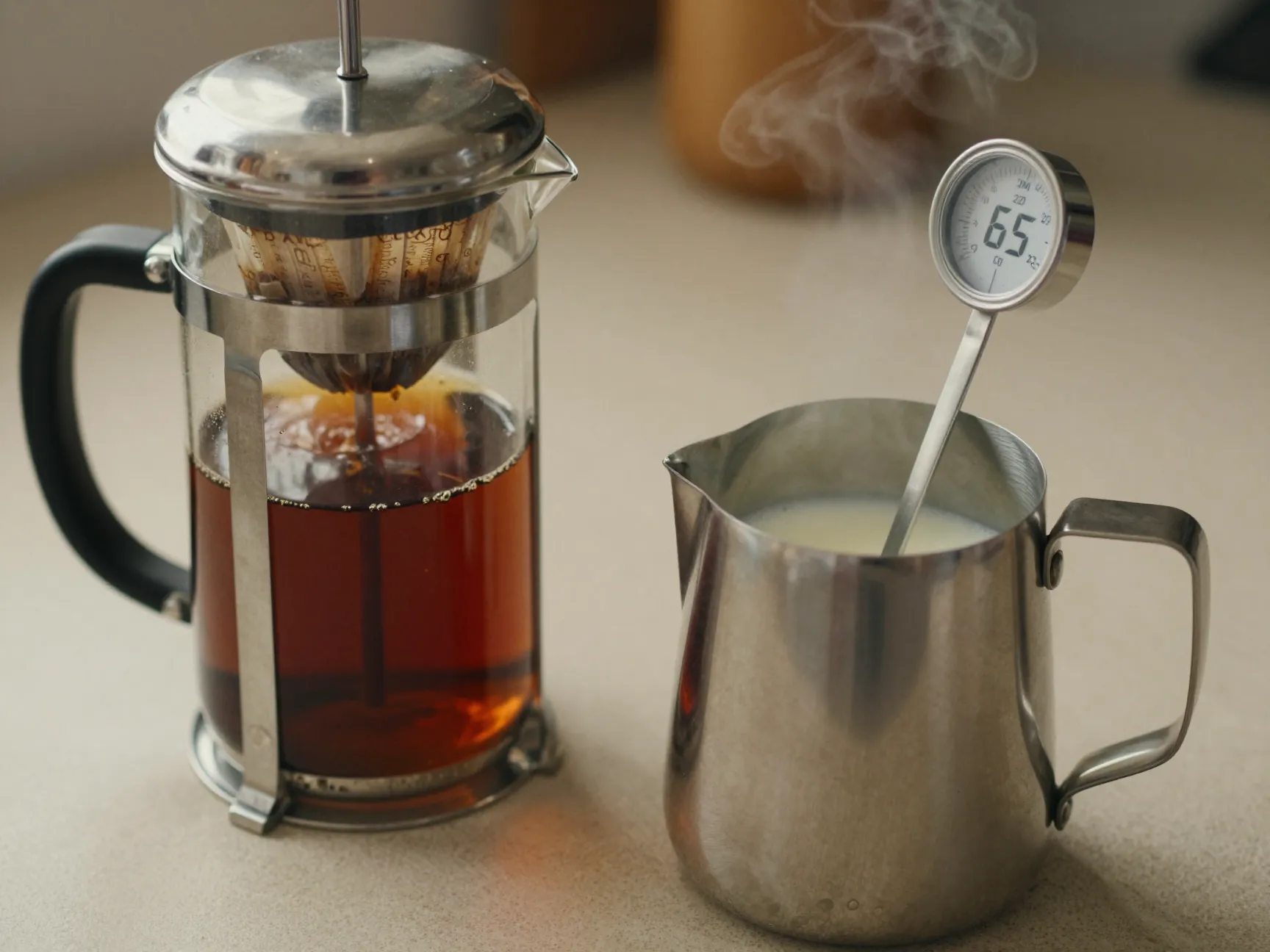
This surprises many people. A true café au lait is built on filter coffee — also called drip coffee or pour-over — rather than espresso [1][2]. This distinction shapes everything about the drink’s character.
Filter coffee produces a lighter, more nuanced brew. When combined with steamed milk, it creates a gentle balance where neither the coffee nor the milk overpowers the other. Espresso, by contrast, is concentrated and bold. Using it creates a different drink entirely — closer to a latte in flavor intensity.
Why this matters:
- Filter coffee has lower bitterness than espresso
- It allows subtle coffee flavors (fruit, nuttiness, floral notes) to come through
- The softer profile pairs naturally with the sweetness of steamed milk
If you’ve been making café au lait with espresso shots, you haven’t been making café au lait — you’ve been making a latte. Both are delicious, but they are not the same thing.
2. Freshly Ground Coffee Is Non-Negotiable
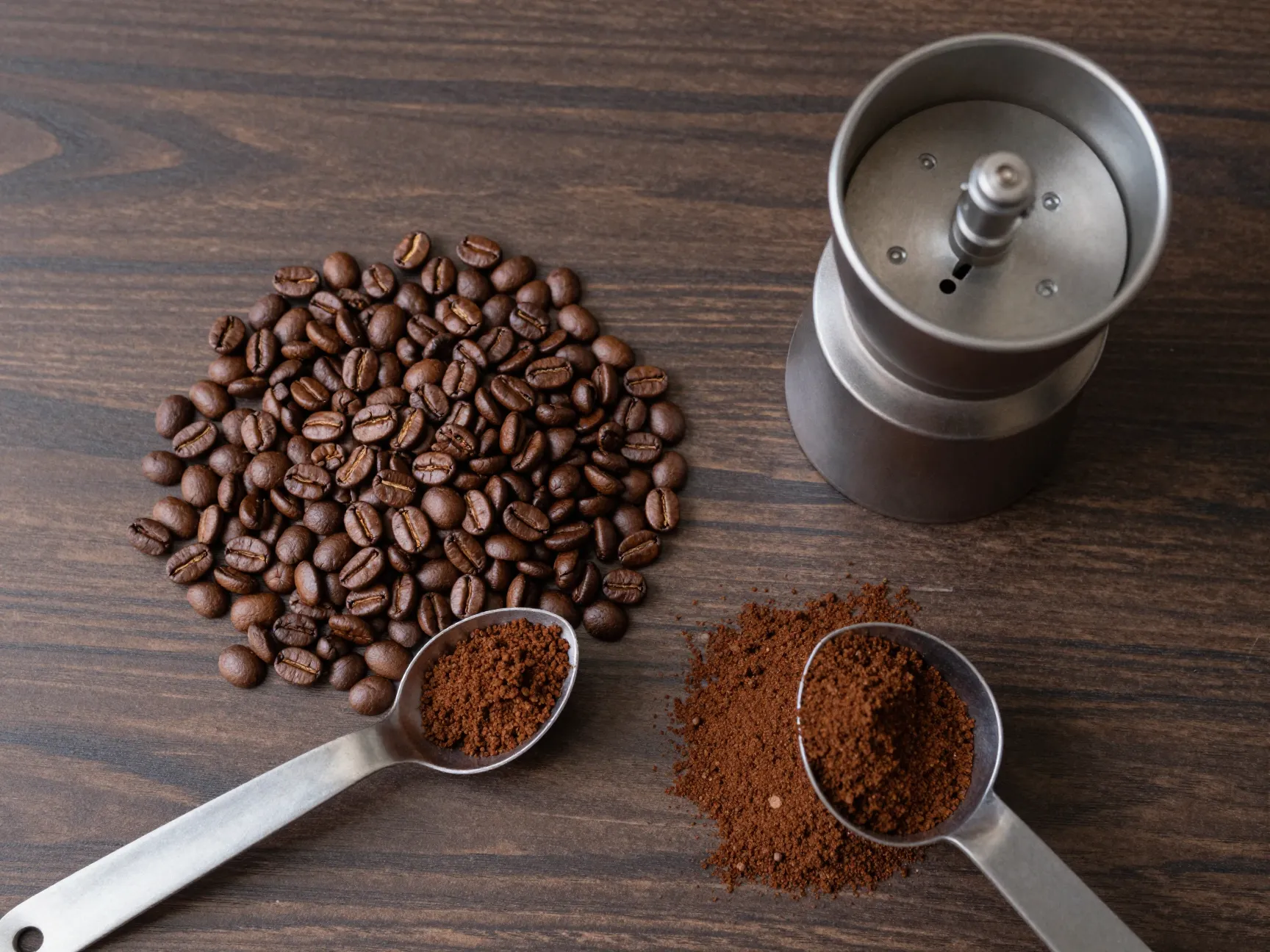
The quality of your café au lait begins before the water ever touches the coffee. Using freshly ground coffee rather than pre-ground is one of the most impactful choices you can make [1].
Pre-ground coffee loses its volatile aromatic compounds within minutes of grinding. By the time it reaches your cup, much of the complexity that makes coffee interesting has already evaporated. Freshly ground coffee, by contrast, delivers:
- 🌿 Full aromatic complexity
- 🍋 Brighter, more defined flavor notes
- ☕ Better extraction consistency
Recommended for filter coffee: Medium — similar in texture to coarse sand.
You don’t need an expensive grinder to get started. A basic in the $30–$60 range will produce dramatically better results than any pre-ground option at the store.
3. The Classic Ratio Is 1 Part Coffee to 2 Parts Milk
One of the most essential of the 8 things every coffee lover should know about the perfect café au lait is the ratio. The traditional proportion is one-third coffee to two-thirds steamed milk [1][3].
This means if you’re making a 300ml serving:
- 100ml brewed filter coffee
- 200ml steamed milk
However, this is a starting point, not a rule carved in stone. Adjust based on your taste:
| Preference | Adjustment |
|---|---|
| Stronger coffee flavor | Increase to 1:1 ratio |
| Milder, creamier | Decrease to 1:3 ratio |
| Classic French style | Stick with 1:2 |
The key is to always brew your coffee at full strength first. Do not dilute the coffee itself — adjust the balance by changing how much milk you add.
4. Milk Temperature Must Be Precisely 65°C
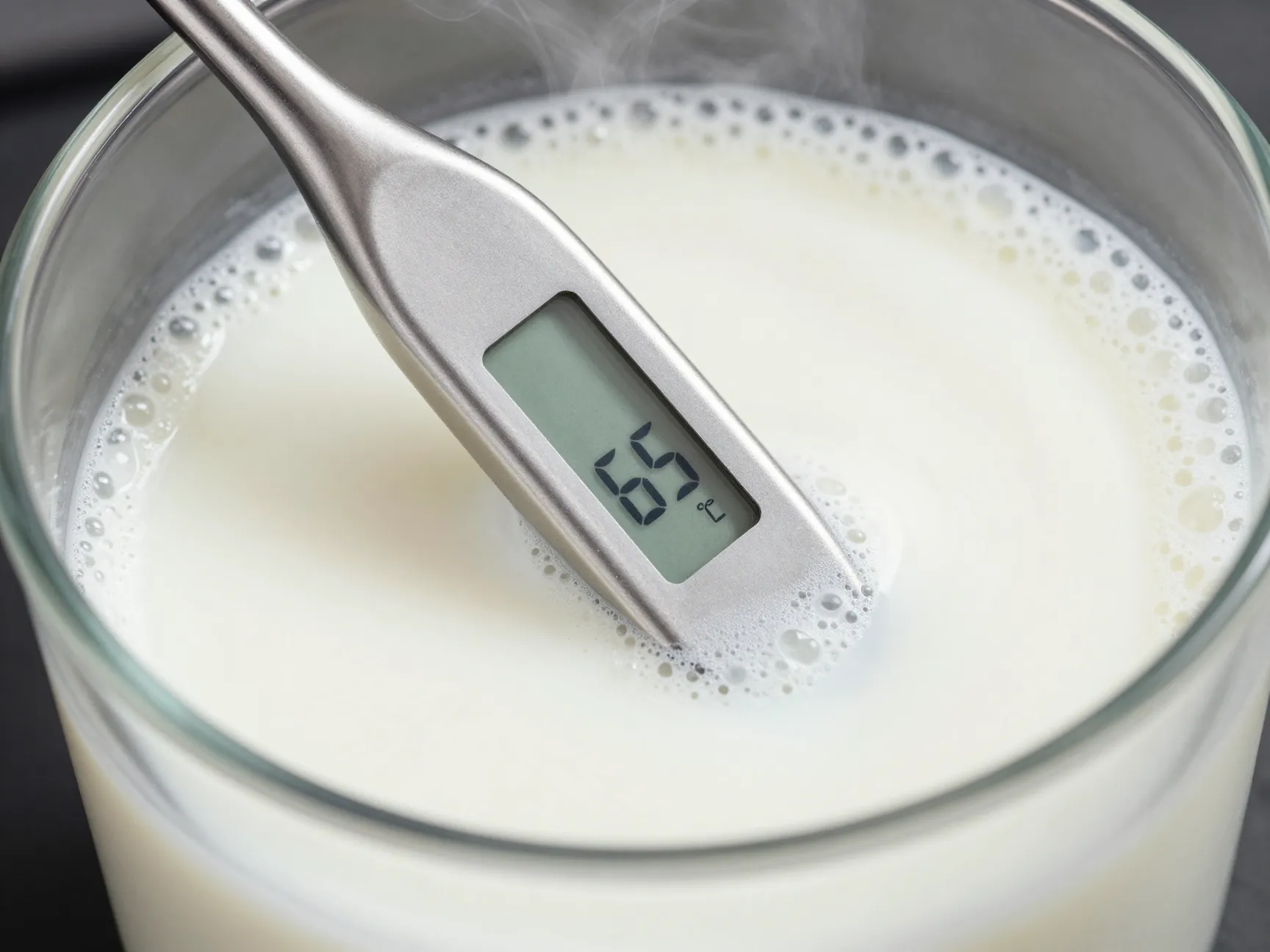
This is where most home baristas go wrong. The optimal temperature for steaming milk in a café au lait is 65°C (149°F) [1][2]. Not 70°C. Not 80°C. Exactly 65°C.
Here’s why this number matters so much:
💬 “Milk heated above 65°C loses its natural sweetness, risks burning, and diminishes foaming capacity — three things that are essential to the perfect café au lait experience.” [1]
At 65°C, milk proteins remain intact, natural sugars are preserved, and the foam holds its structure beautifully. Go above this temperature and you’ll notice:
- ❌ A slightly scorched or “cooked” taste
- ❌ Loss of natural milk sweetness
- ❌ Foam that collapses quickly
- ❌ A flat, one-dimensional flavor in the final cup
Practical tip: Use a simple digital thermometer. They cost under $15 and take all the guesswork out of milk heating. Once you’ve practiced a few times, you’ll develop a feel for the right temperature by touch alone.
5. Whole, Non-Ultra-Pasteurized Milk Produces the Best Results
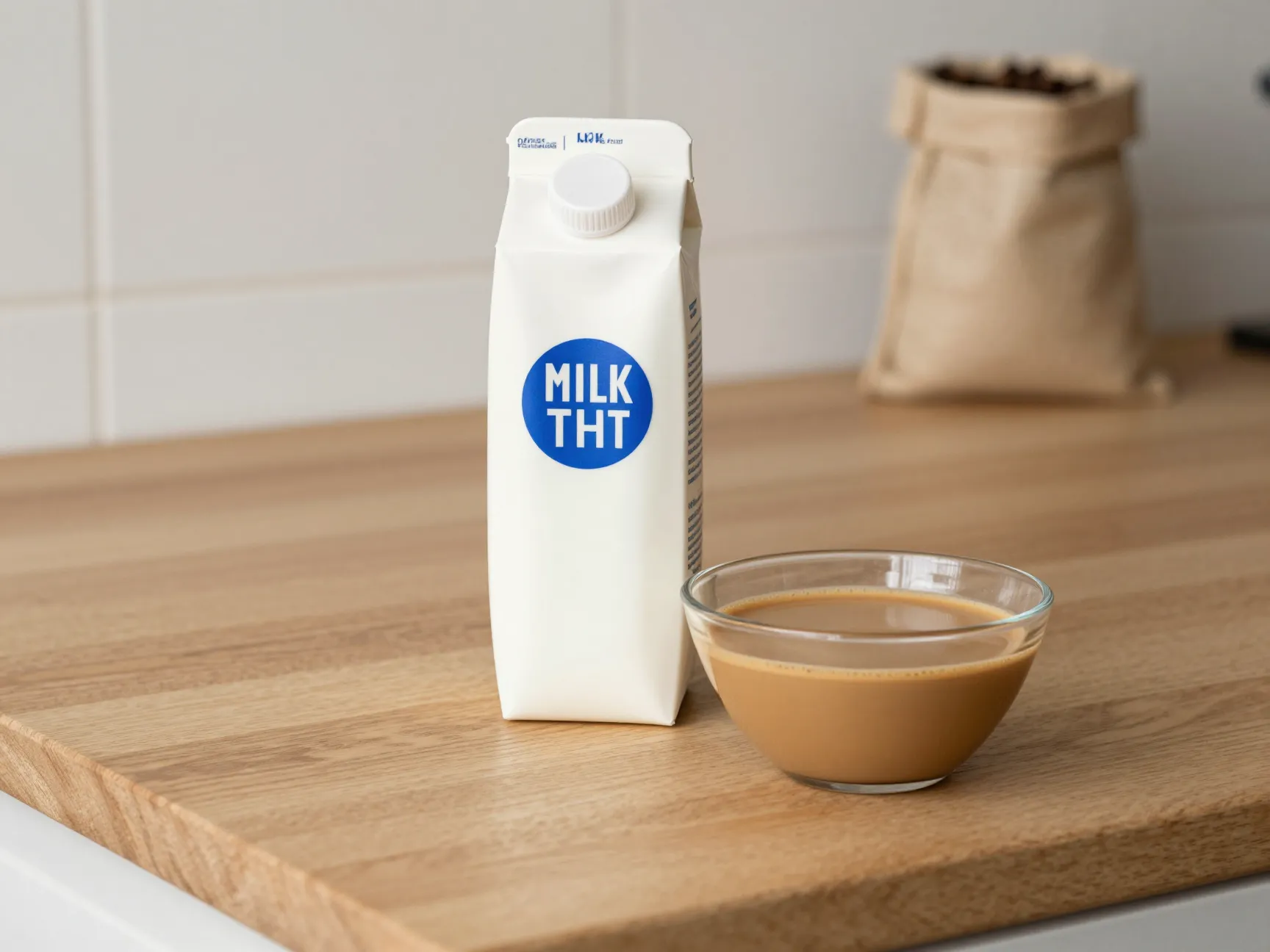
Not all milk is created equal when it comes to café au lait. Whole milk provides the richest, creamiest texture and the most satisfying mouthfeel [1]. The higher fat content (around 3.5%) creates a naturally silky consistency when steamed.
But the type of milk matters just as much as the fat content. Fresh milk that is not ultra-pasteurized preserves better flavor richness and creates superior texture compared to highly processed alternatives [1].
Ultra-pasteurized (UHT) milk has been heated to very high temperatures to extend shelf life. This process changes the protein structure, which:
- Makes it harder to foam properly
- Reduces natural sweetness
- Produces a slightly “cooked” background note
Milk options ranked for café au lait:
- 🥇 Fresh whole milk (non-UHT) — best overall
- 🥈 Fresh semi-skim milk (non-UHT) — lighter but still good
- 🥉 Whole UHT milk — acceptable but noticeably inferior
- 🏅 Oat milk (barista blend) — best plant-based alternative
- 🏅 Almond milk — thinner texture, works in a pinch
If you’re lactose intolerant or avoiding dairy, a barista-blend oat milk is currently the closest plant-based match for texture and foaming behavior.
6. You Don’t Need Fancy Equipment
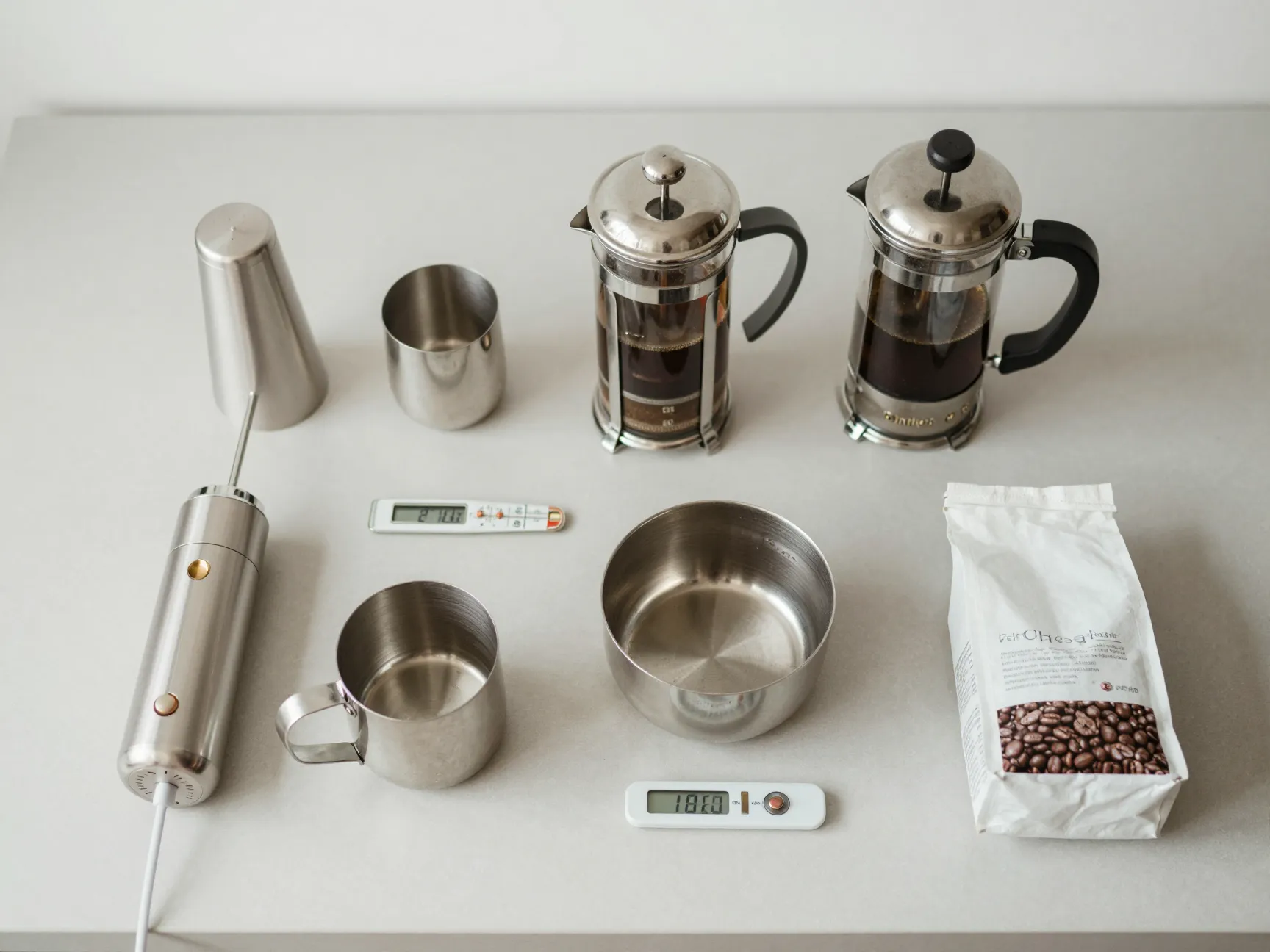
One of the most liberating facts in this list: you do not need an or a professional steam wand to make a great café au lait [1].
Since the drink is based on filter coffee, a simple pour-over setup, a French press, or even a basic drip will do the job. For the milk, there are several effective low-tech options:
- Manual : A handheld battery-powered frother aerates milk quickly and effectively
- French press: Pour warm milk into the press and pump the plunger vigorously for 30–45 seconds to create foam
- Jar method: Pour warm milk into a sealed jar and shake vigorously for 30 seconds, then microwave briefly to stabilize the foam
- Small saucepan + whisk: Heat milk gently on the stove while whisking to incorporate air
The key is to heat the milk to 65°C using any method you’re comfortable with, then aerate it. The technique matters more than the equipment.
Minimum equipment needed:
- ✅ Any coffee brewing device (French press, pour-over, drip machine)
- ✅ A small saucepan or microwave
- ✅ A thermometer
- ✅ A handheld frother or French press for milk
7. The Serving Vessel Is Part of the Experience

Presentation is not just aesthetics — it genuinely affects how a drink tastes and feels. The café au lait is traditionally served in a ceramic bowl with scalloped sides, known as a bol à café au lait [2].
These bowls range from 150ml to 500ml in size, and the larger format is part of what makes the French breakfast experience so distinctive. Wrapping both hands around a warm ceramic bowl on a cold morning is a sensory experience that a standard mug simply cannot replicate.
💬 “The bowl is not just a vessel — it’s part of the ritual.”
Why the bowl matters:
- 🍵 The wide opening allows aromas to bloom more fully
- 🤲 The shape invites you to hold it with both hands — slowing you down and encouraging mindfulness
- 🌡️ Ceramic retains heat well, keeping your drink warm longer
- 👁️ The visual presentation enhances the overall enjoyment
If you don’t have a traditional café au lait bowl, a wide-mouthed ceramic mug is the next best option. Avoid thin glass or plastic — they don’t retain heat well enough.
8. Small Details Separate a Good Café au Lait from a Great One
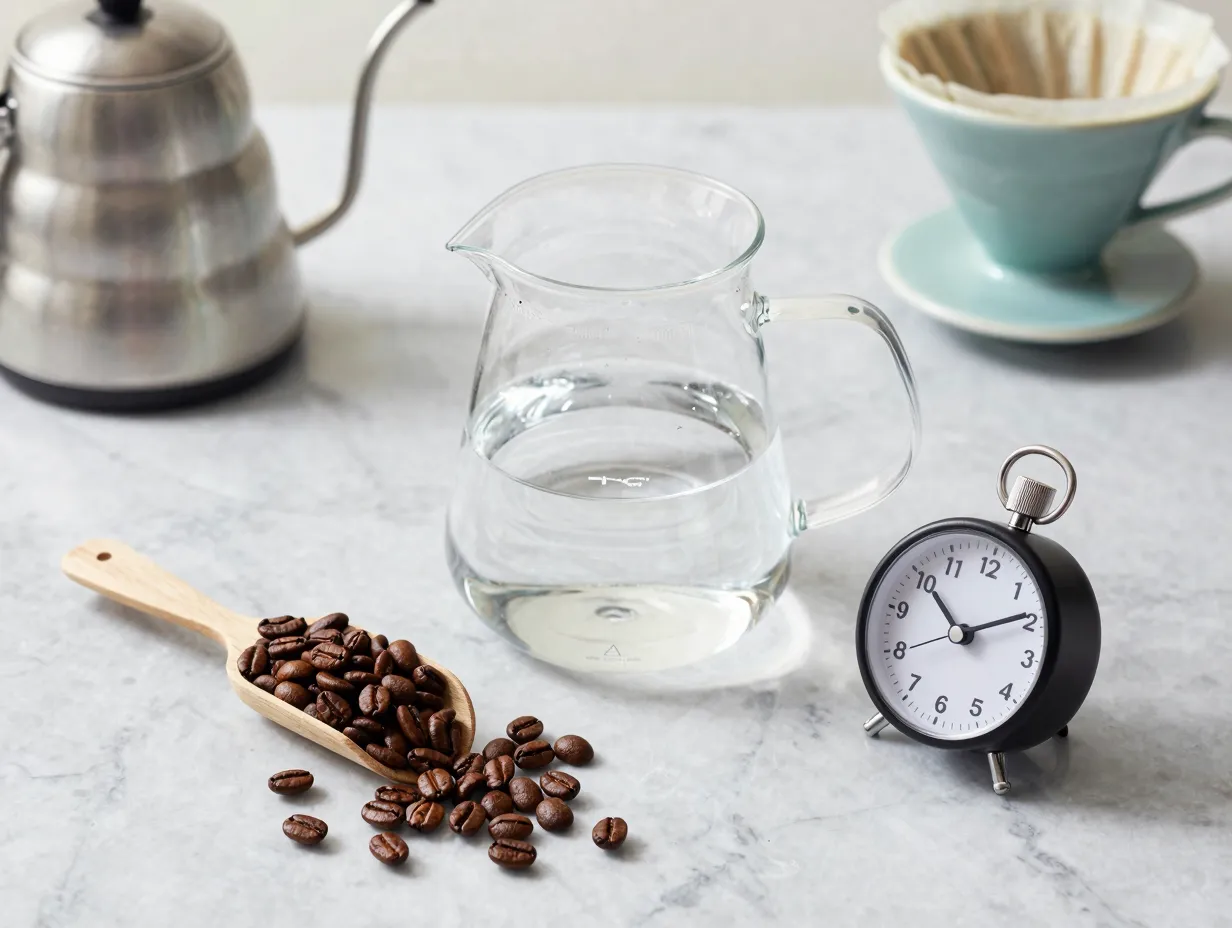
The final point in the 8 things every coffee lover should know about the perfect café au lait is about refinement. Once you have the basics right, these small details push your drink from good to genuinely exceptional.
: Choose a medium-roast single-origin coffee with natural sweetness — Ethiopian or Colombian beans work beautifully with milk. Dark roasts can overpower the milk; light roasts may feel too delicate.
Water quality: Use filtered water if your tap water is heavily chlorinated. Coffee is 98% water — its quality matters more than most people realize.
Brewing temperature: Brew your filter coffee at 90–96°C for optimal extraction. Too hot and you get bitterness; too cool and the coffee tastes flat and under-extracted.
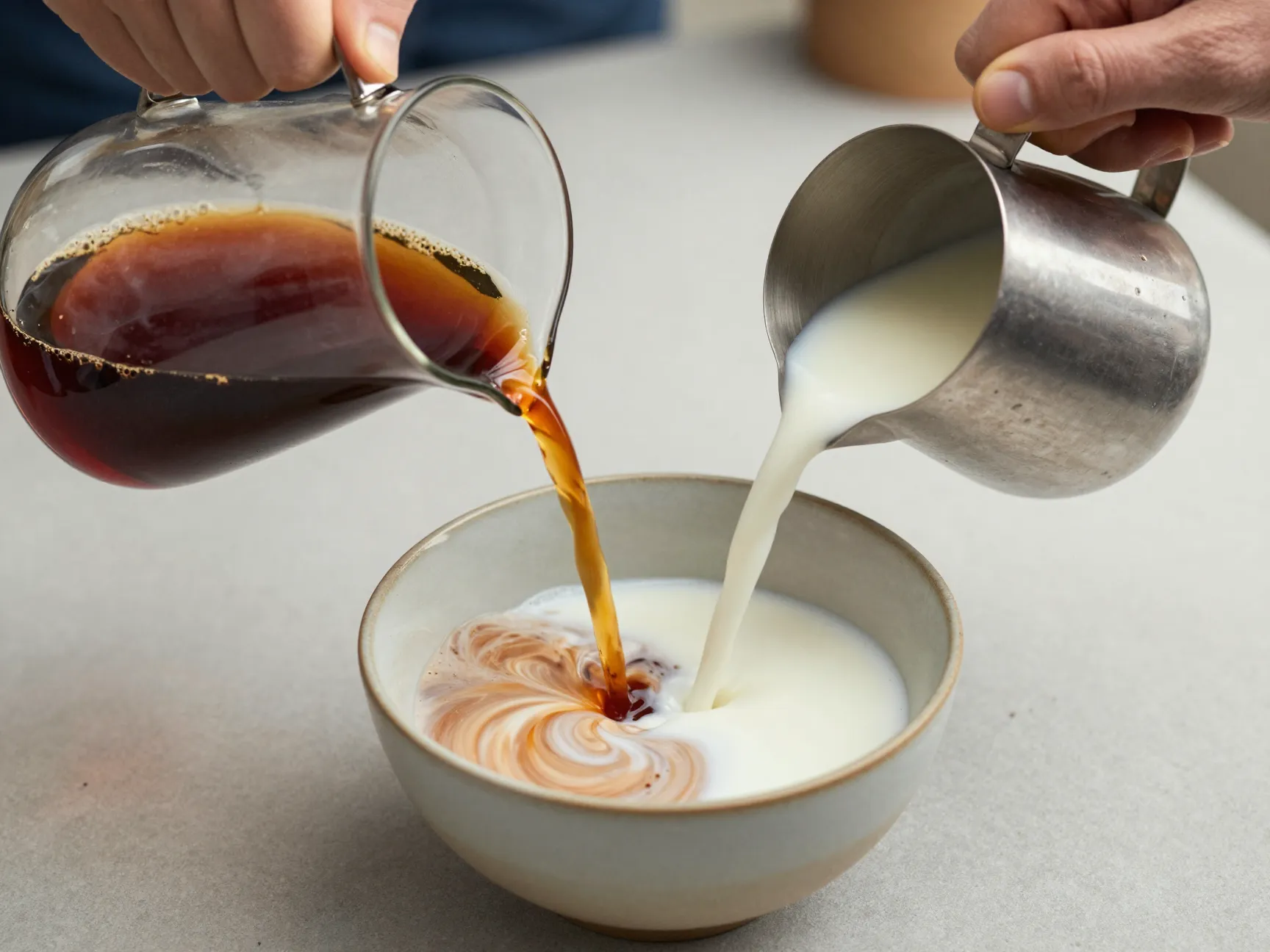
Simultaneous pouring: In the classic French style, pour the coffee and milk into the bowl at the same time from two separate vessels. This creates a natural blend without stirring and produces a beautiful visual effect.
Freshness: Drink your café au lait immediately after preparation. Both brewed coffee and steamed milk degrade quickly — within minutes, the aromas begin to fade and the foam starts to collapse.
| Detail | Why It Matters |
|---|---|
| Medium-roast beans | Balances sweetness and body with milk |
| Filtered water | Cleaner extraction, no off-flavors |
| Brew temp 90–96°C | Optimal extraction without bitterness |
| Simultaneous pouring | Natural blend, beautiful presentation |
| Drink immediately | Peak flavor and foam texture |
Common Mistakes to Avoid
Even with the best intentions, a few common errors can undermine your café au lait. Here’s what to watch out for:
- Using espresso instead of filter coffee — creates a latte, not a café au lait
- Overheating the milk — destroys sweetness and foaming ability above 65°C [1][2]
- Using pre-ground coffee — sacrifices aroma and flavor complexity [1]
- Using ultra-pasteurized milk — produces inferior foam and flat flavor [1]
- Letting the coffee sit before adding milk — brewed coffee oxidizes quickly; combine promptly
- Skipping the thermometer — guessing milk temperature almost always leads to overheating
Café au Lait vs. Latte: The Definitive Comparison
This question comes up constantly, so let’s settle it clearly.
| Feature | Café au Lait | Latte |
|---|---|---|
| Coffee base | Filter/brewed coffee | Espresso |
| Milk ratio | ~1:2 | ~1:3 |
| Flavor profile | Mild, balanced, gentle | Rich, bold, intense |
| Foam | Light, soft | Dense microfoam |
| Origin | French | Italian |
| Equipment needed | Basic | Espresso machine |
| Serving vessel | Ceramic bowl | Glass or mug |
The café au lait is more accessible, more forgiving, and — many would argue — more nuanced in its flavor than a latte. It rewards quality ingredients and careful technique rather than expensive machinery.
Conclusion: Your Next Steps Toward the Perfect Cup
Mastering the 8 things every coffee lover should know about the perfect café au lait doesn’t require professional barista training or a kitchen full of expensive gadgets. It requires attention, good ingredients, and a willingness to slow down and enjoy the process.
Here’s your action plan for this week:
- Buy whole, non-ultra-pasteurized milk from your local grocery store or farmers’ market.
- Pick up a bag of medium-roast whole bean coffee — Ethiopian Yirgacheffe or Colombian Huila are excellent starting points.
- Get a simple burr grinder if you don’t already own one.
- Grab a digital thermometer — under $15 and completely transformative.
- Find a traditional café au lait bowl — check local kitchen stores or online marketplaces.
- Practice the 1:2 ratio and adjust from there based on your taste.
The beauty of café au lait is its simplicity. There are no syrups, no complicated techniques, no pressure. Just great coffee, perfectly steamed milk, and the right vessel. Once you get it right, you’ll wonder why you ever settled for anything less.
References
[1] Cafe Au Lait Comment Preparer – https://incapto.com/fr/blog/cafe-au-lait-comment-preparer/
[2] Cafe Au Lait How To – https://coffeegeek.com/guides/howtos/cafe-au-lait-how-to/
[3] The Coffee Glossary Every Coffee Lover Should Know – https://gorillascoffee.com/2024/10/02/the-coffee-glossary-every-coffee-lover-should-know/
[4] Watch – https://www.youtube.com/watch?v=KEqqurVhmaI&vl=fr-FR