The Ultimate Guide to Providing Great Coffee at Office (9 Tips)
Employees who have access to quality are 96% more likely to report being happy at work, according to workplace satisfaction research. Yet most offices still serve stale, burnt drip coffee that nobody actually wants to drink. If your team is sneaking out to the nearest café every morning, your program isn’t just a minor inconvenience — it’s a productivity and retention problem.
Disclosure: This post contains affiliate links. As an Amazon Associate, we earn from qualifying purchases, and at no extra cost to you.
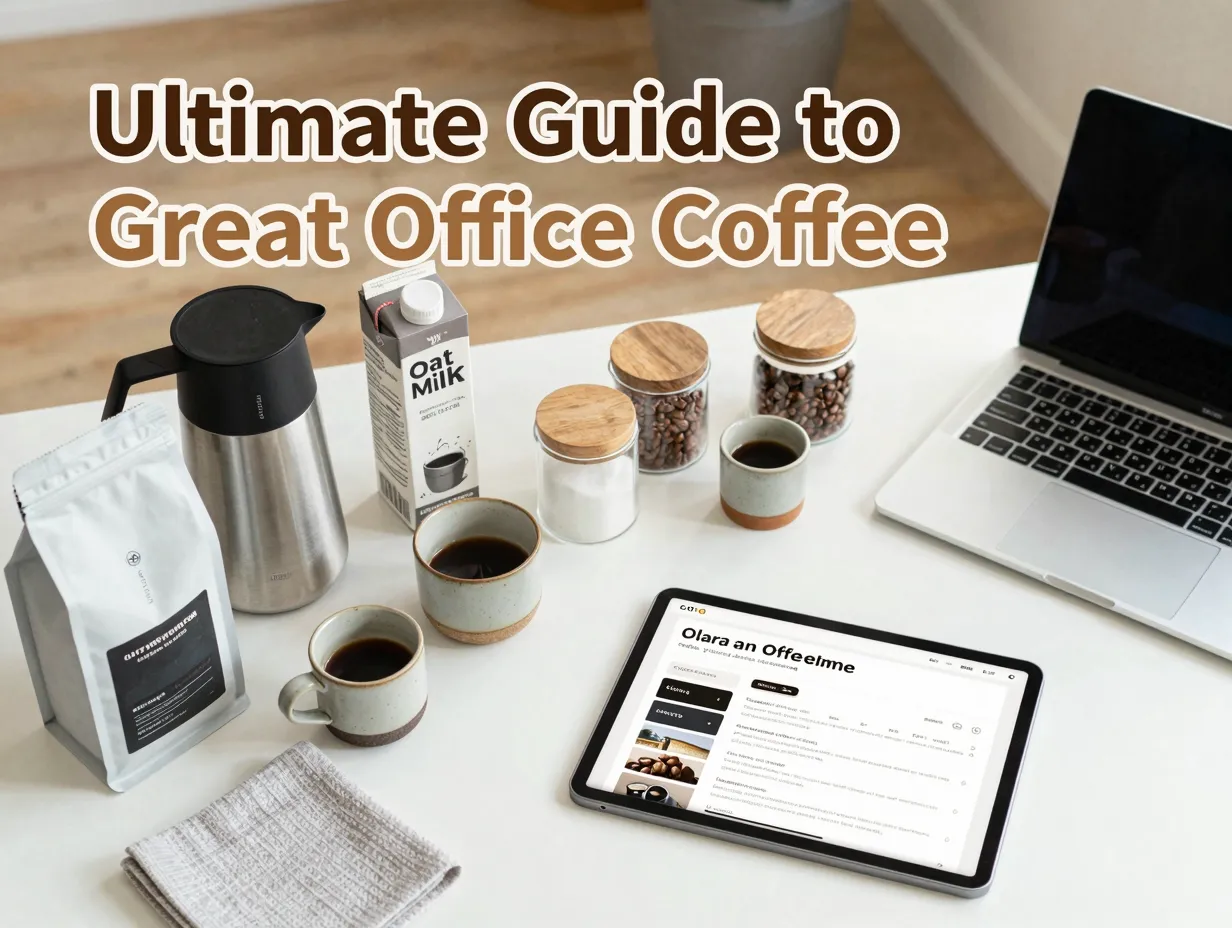
This article is The Ultimate Guide to Providing Great Coffee at Office (9 Tips), designed to help managers, HR professionals, and office administrators build a coffee program that employees genuinely appreciate. Whether you’re starting from scratch or upgrading an existing setup, these nine actionable tips will transform your office coffee experience in 2026.
Key Takeaways
- ☕ Know your team first — surveying preferences before buying equipment saves money and prevents waste.
- 🏆 Fresh beans and clean machines are the two biggest factors separating great coffee from mediocre coffee.
- 📐 Match equipment to office size to avoid long queues and under-serving your team.
- 🥛 Customization options (milk alternatives, sweeteners) are no longer optional — they’re expected.
- 💼 Great coffee is an employee wellbeing investment, not just a perk.
Why Office Coffee Matters More Than You Think
Before diving into the tips, it’s worth understanding the stakes. Coffee is the most consumed beverage in most workplaces. It fuels morning meetings, afternoon slumps, and creative brainstorming sessions. But bad coffee does more harm than good — it signals to employees that their comfort isn’t a priority.
“Quality coffee in the workplace isn’t a luxury. It’s a signal that the organization values the people who work there.”
A well-executed office coffee program reduces the time employees spend leaving the building for coffee runs, supports focus and energy during the workday, and contributes meaningfully to workplace culture. When coffee is good, people gather around it — and that informal social interaction builds team cohesion [4].
Now, let’s get into the nine tips that make up The Ultimate Guide to Providing Great Coffee at Office.
The 9 Tips: The Ultimate Guide to Providing Great Coffee at Office
1. Know Your Team’s Coffee Preferences Before Buying Anything

The single biggest mistake office managers make is purchasing equipment based on personal preference or price alone. Before spending a dollar on machines or beans, survey your team.
Ask employees:
- Do you prefer espresso-based drinks, drip coffee, or cold brew?
- How many cups do you drink per day?
- Do you have any dietary restrictions (dairy-free, sugar-free)?
- What time of day do you drink coffee most?
This data shapes every decision that follows. An office full of espresso drinkers needs a completely different setup than one where everyone wants a large drip coffee in the morning [1]. A quick Google Form or Slack poll takes five minutes and prevents months of wasted spending.
Pro tip: Revisit preferences every six months. Tastes evolve, and new team members bring new preferences.
2. Match Your Equipment to Your Office Size
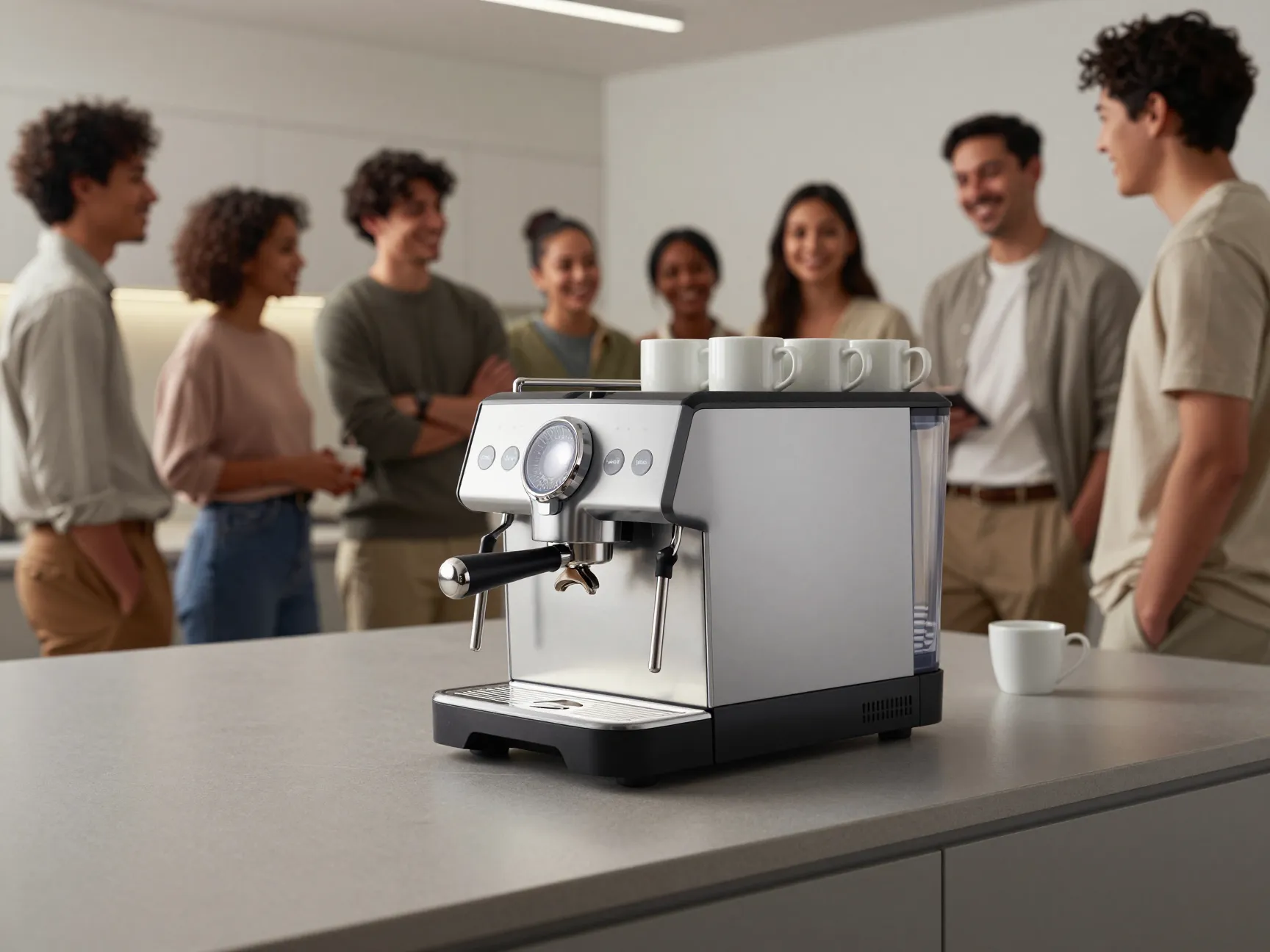
Choosing the right coffee machine isn’t just about features — it’s about capacity and workflow. A single-serve pod machine might work perfectly for a team of eight, but it becomes a bottleneck nightmare in an office of fifty.
Here’s a quick reference guide:
| Office Size | Recommended Equipment |
|---|---|
| 1–10 employees | Single-serve pod machine or small drip maker |
| 11–30 employees | Multi-cup drip brewer + espresso machine |
| 31–75 employees | Commercial drip brewer + bean-to-cup machine |
| 75+ employees | Full office coffee service with multiple stations |
Matching capacity to demand eliminates the dreaded morning queue and ensures everyone gets their coffee when they need it — not twenty minutes later [5]. If your office has multiple floors or wings, consider setting up satellite stations rather than one central point.
Key consideration: Factor in peak usage times. If 80% of your team arrives between 8:30 and 9:00 AM, your equipment needs to handle that surge efficiently.
3. Use Freshly Roasted Beans
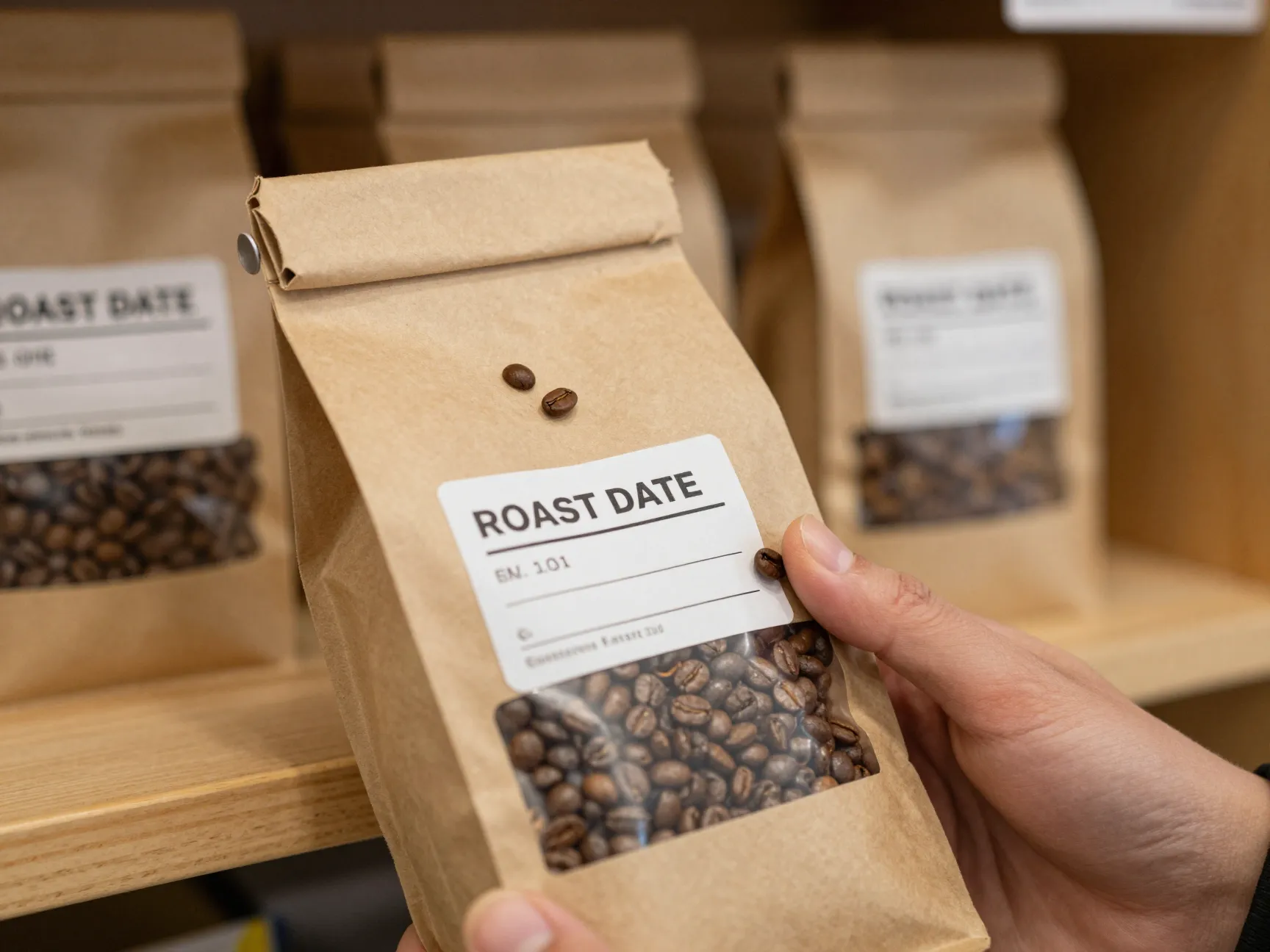
This is the tip that separates genuinely great office coffee from the forgettable brown liquid most offices serve. Coffee has a peak freshness window, and most pre-packaged office coffee is already well past it by the time it reaches your .
Fresh are at their flavor peak within two to four weeks of their roast date. After that, the complex aromatic compounds that make coffee taste rich and nuanced begin to degrade. Stale beans produce flat, bitter, or sour-tasting coffee — no matter how good your machine is [2].
What to look for when sourcing beans:
- Roast date printed on the bag (not just a “best by” date)
- Local or specialty roasters who roast in small batches
- Whole beans over pre-ground, whenever possible
- Airtight, valve-sealed packaging to preserve freshness
Ordering in smaller quantities more frequently is better than buying in bulk and letting beans go stale. Many specialty roasters now offer subscription services specifically for offices, delivering freshly roasted beans on a schedule that matches your consumption rate.
4. Clean Your Equipment Regularly — And Seriously
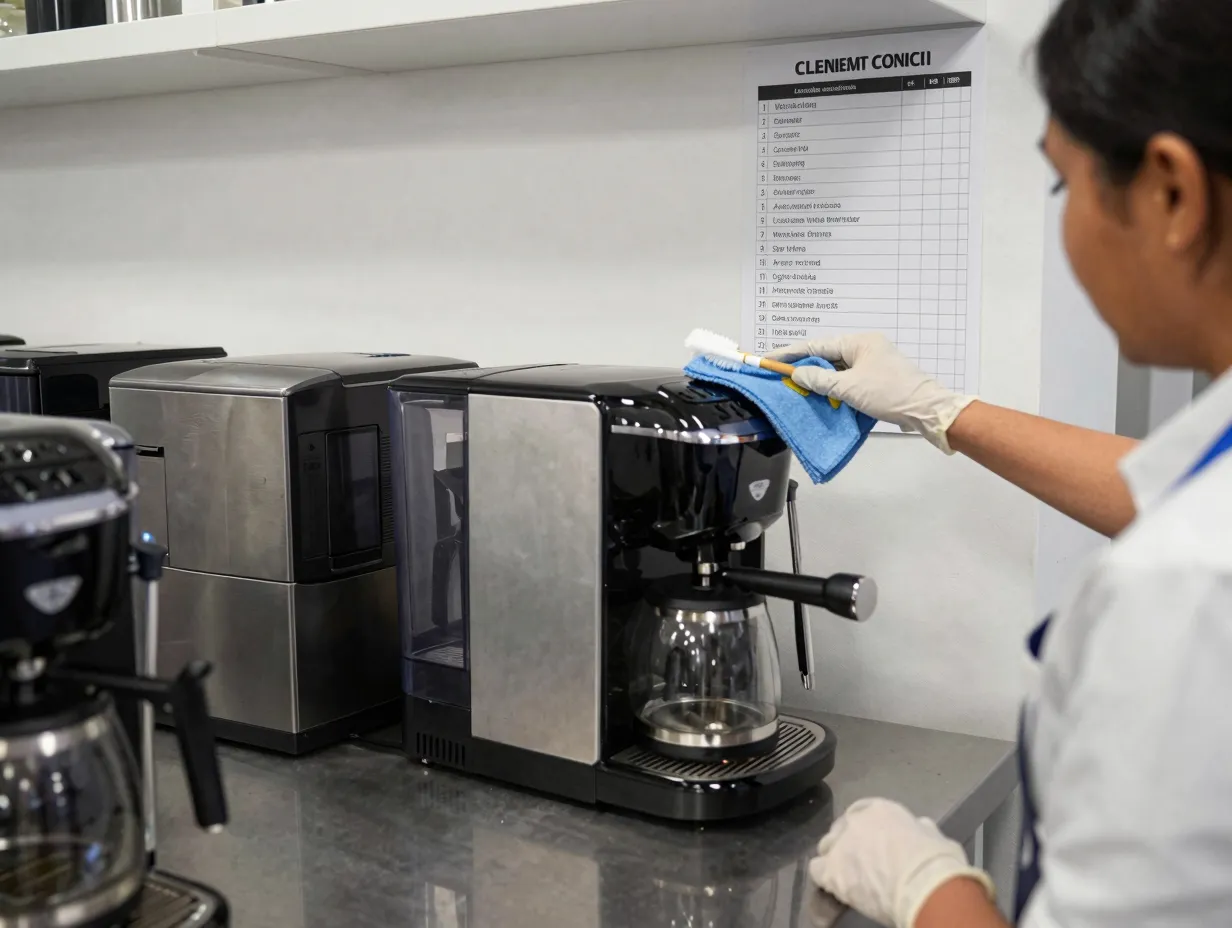
Here’s an uncomfortable truth: most office are disgustingly dirty. Coffee oils are sticky and rancid, mineral deposits build up inside boilers and pipes, and the warm, moist environment inside a coffee maker is ideal for bacterial growth.
Even a high-end espresso machine will produce terrible coffee if it isn’t cleaned properly and consistently [2].
Cleaning schedule to follow:
- Daily: Rinse portafilters, wipe steam wands, empty drip trays
- Weekly: Backflush , clean carafes and brewers with a coffee-safe cleaner
- Monthly: Descale machines using a food-safe descaling solution
- Quarterly: Deep clean all removable parts; inspect seals and filters
Assign cleaning responsibility clearly. If it’s “everyone’s job,” it becomes no one’s job. Consider posting a laminated cleaning checklist near each machine and rotating responsibility among team members or assigning it to an office manager [7].
“A clean machine is the foundation of great-tasting coffee. No amount of premium beans can compensate for a dirty brewer.”
5. Brew Coffee Fresh and Stop Keeping It Hot
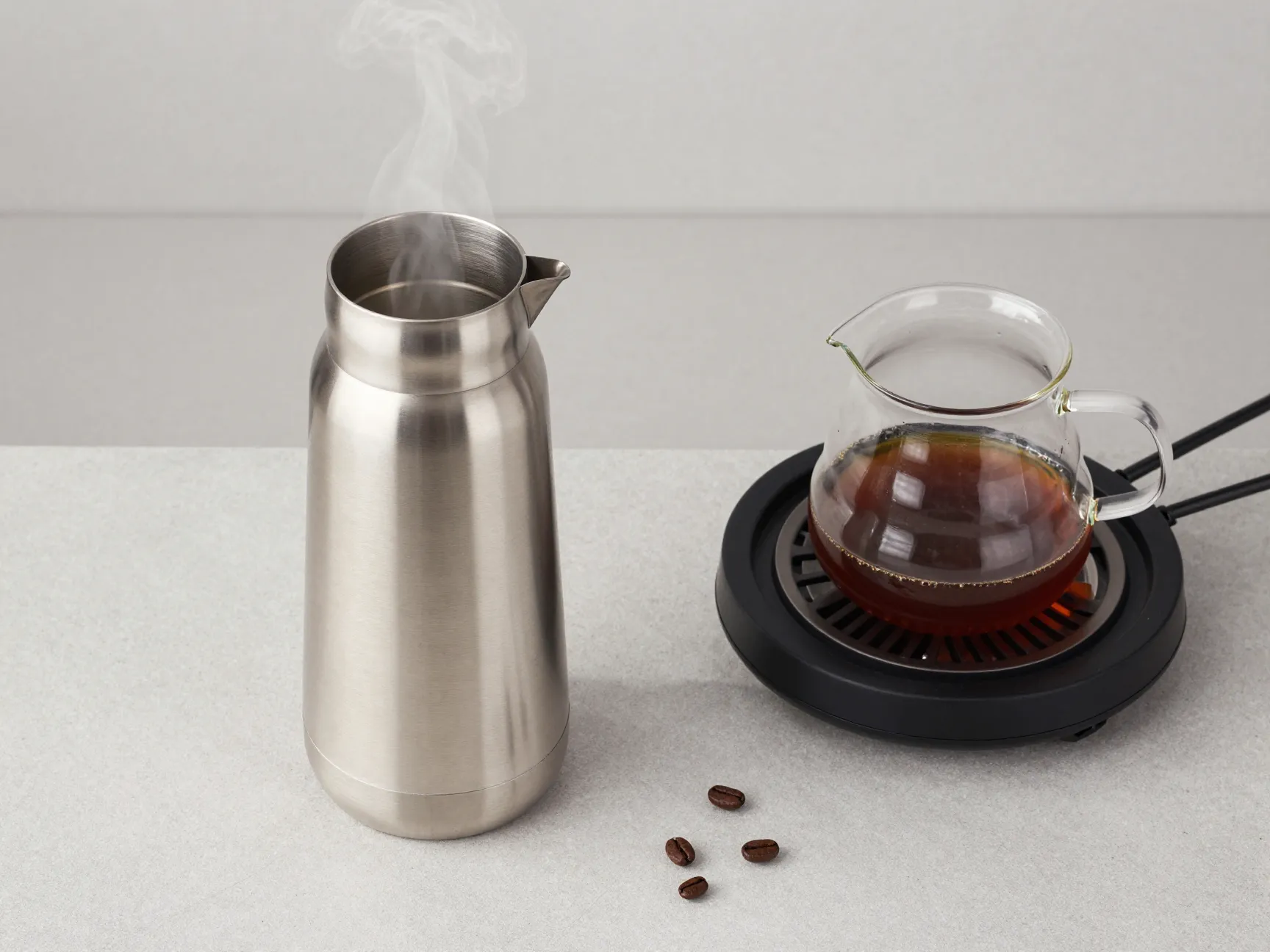
One of the most common — and easily fixable — office coffee mistakes is leaving a pot of coffee sitting on a hot plate for hours. Heat is coffee’s enemy after brewing. Keeping brewed coffee hot causes it to continue cooking, which breaks down compounds and produces a bitter, harsh taste within 20–30 minutes [2].
The fix is simple: switch to thermal carafes.
Thermal carafes keep coffee hot without applying additional heat, preserving flavor for up to two hours. They’re an inexpensive upgrade that makes an immediate, noticeable difference in taste.
Additional freshness tips:
- Brew in smaller batches more frequently rather than one large batch in the morning
- Label carafes with brew times so employees know how fresh the coffee is
- Discard coffee that has been sitting for more than 90 minutes
- If demand is low, consider single-serve options to eliminate waste entirely
This one change alone can dramatically improve how your office coffee tastes — without changing beans or machines.
6. Offer Meaningful Customization Options
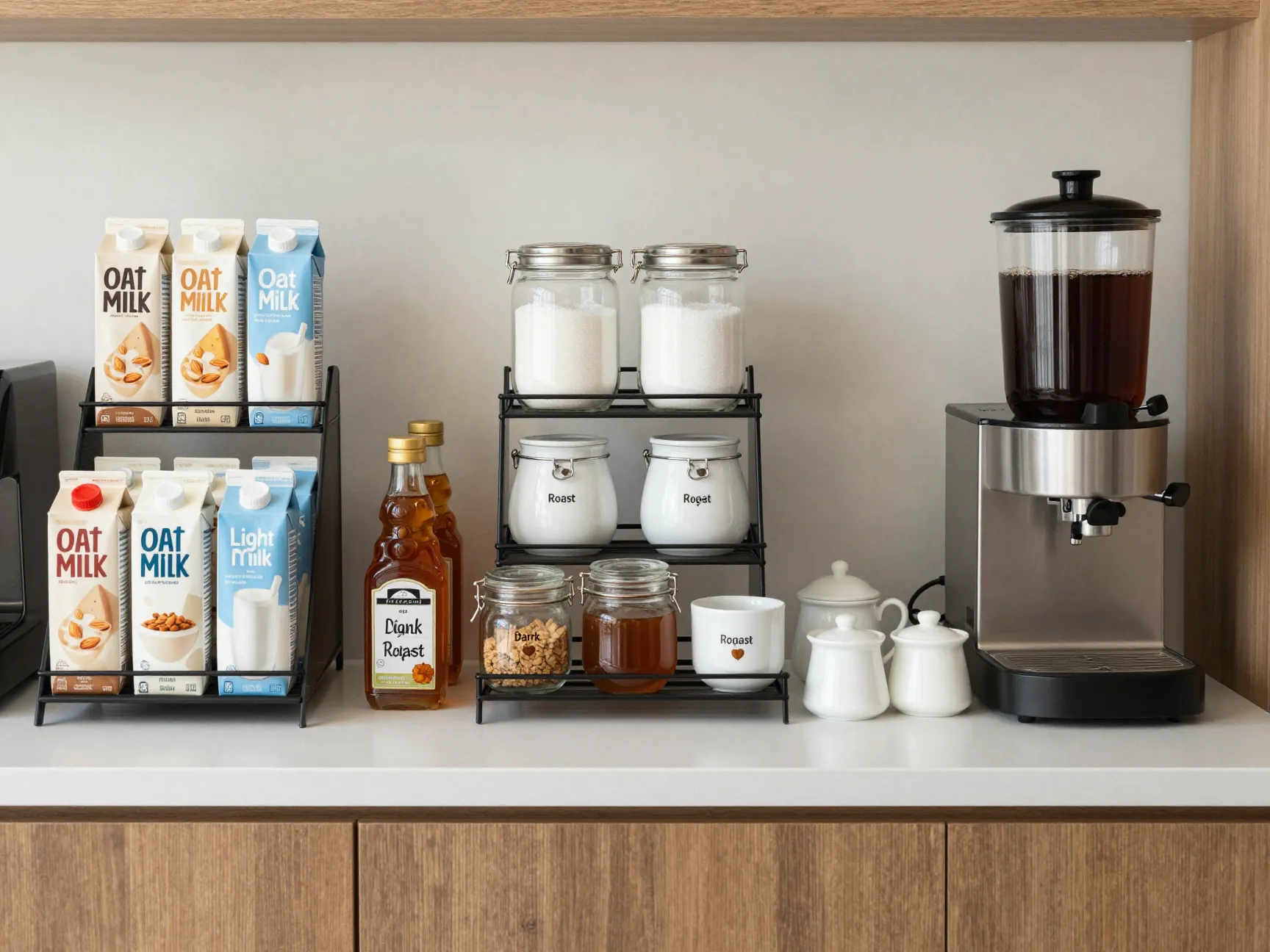
In 2026, a one-size-fits-all is simply not enough. Employees have diverse dietary needs, health goals, and flavor preferences. Providing customization options shows respect for individual differences and makes your coffee program genuinely inclusive [3].
Must-have customization options:
- 🥛 Milk alternatives: Oat milk, almond milk, soy milk, and full-fat dairy
- 🍬 Sweeteners: White sugar, raw sugar, stevia, monk fruit, and honey
- ☕ Roast varieties: At least one light roast and one dark roast option
- 🧊 Cold brew or : Increasingly popular year-round
- 🍵 Non-coffee options: Quality tea, herbal infusions, or matcha for non-coffee drinkers
Oat milk in particular has become a workplace staple. Stocking it is no longer a niche accommodation — it’s standard practice in modern offices.
Organization tip: Use a tiered organizer or labeled baskets to keep customization options tidy and easy to access. A cluttered station discourages use and creates a negative experience.
7. Consider a Professional Office Coffee Service
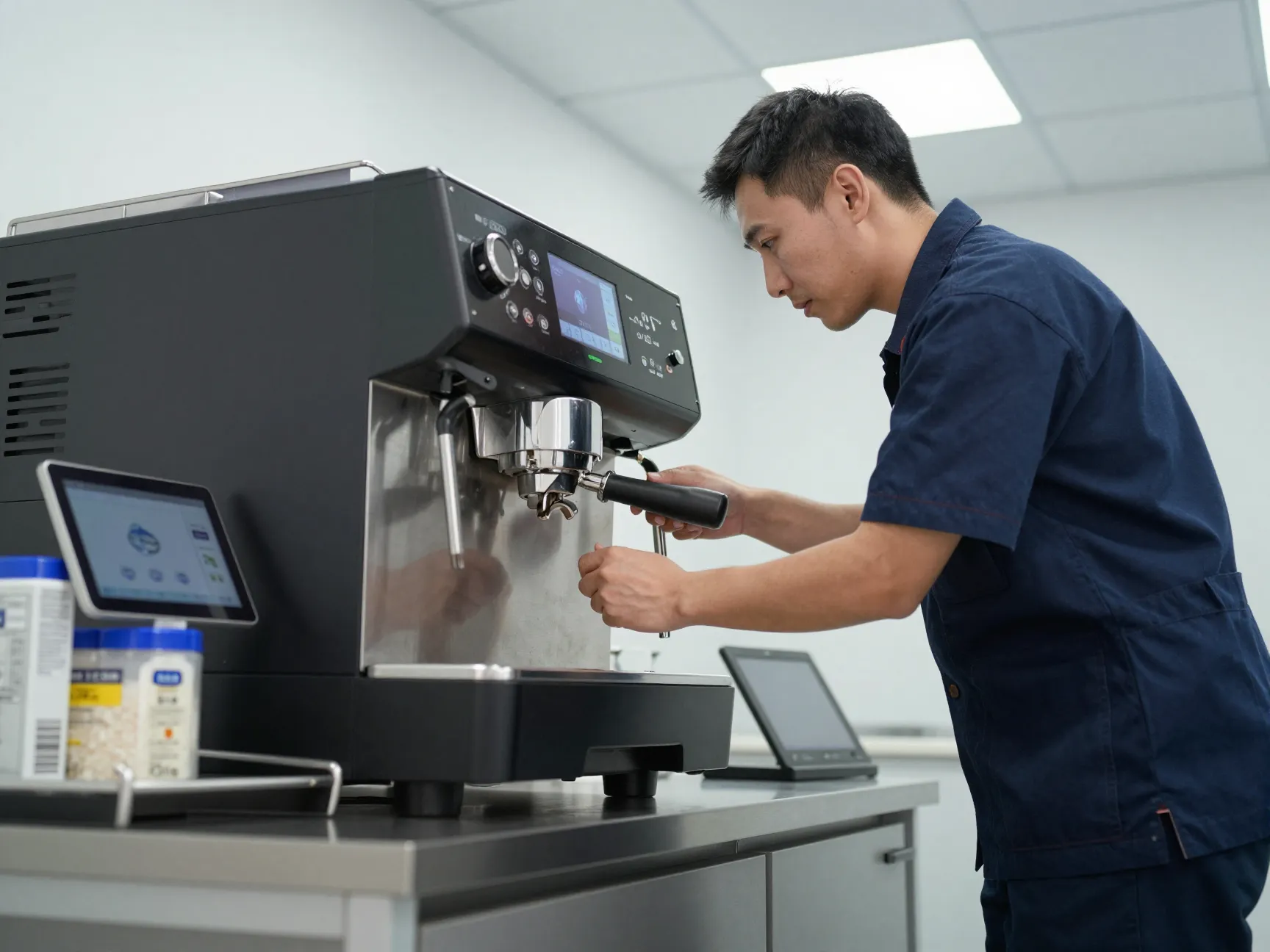
If managing beans, machines, cleaning, and restocking feels overwhelming, you don’t have to do it alone. Professional office coffee services handle everything from equipment installation to regular restocking and maintenance — and they’re more affordable than most managers expect [1][5].
What a good office coffee service typically includes:
- Equipment installation and setup
- Regular delivery of fresh coffee, milk, and supplies
- Machine maintenance and repair
- Customizable product selection based on team preferences
- Usage analytics to optimize quantities and reduce waste
When evaluating providers, ask about:
- Contract flexibility — can you adjust quantities or switch products?
- Equipment ownership vs. rental — who is responsible for repairs?
- Response time for maintenance issues
- Sustainability practices — do they offer compostable pods or eco-friendly packaging?
For offices with 20+ employees, a managed coffee service often costs less per cup than buying supplies ad hoc, while delivering a consistently better product [5].
8. Integrate Coffee Into Your Employee Wellbeing Strategy

Great office coffee isn’t just about taste — it’s about what coffee represents in the workplace. Coffee breaks are one of the few moments in the workday when employees step away from screens, decompress, and connect with colleagues informally.
Research consistently shows that these micro-breaks improve focus, reduce stress, and increase overall job satisfaction. By investing in quality coffee, organizations are investing in the conditions that make those breaks restorative rather than rushed [4].
Ways to elevate coffee as a wellbeing tool:
- Create a comfortable coffee area with seating that encourages brief social interaction
- Schedule informal “coffee chats” between team members or across departments
- Celebrate milestones with specialty coffee tastings or barista-style coffee events
- Pair coffee with healthy snacks to support balanced energy throughout the day
- Include coffee quality in employee satisfaction surveys to show it’s taken seriously
“When employees feel cared for in small, daily ways — like having access to genuinely good coffee — it builds the kind of trust that drives long-term engagement.”
Including coffee quality as a line item in your employee wellbeing program sends a clear message: the organization pays attention to the details that matter to people [4].
9. Track Usage, Gather Feedback, and Keep Improving

The final tip in The Ultimate Guide to Providing Great Coffee at Office (9 Tips) is the one most offices skip: measuring and iterating. A coffee program that isn’t evaluated regularly will drift toward mediocrity as team size, preferences, and options change.
Build a simple feedback loop:
- Send a brief quarterly survey asking employees to rate coffee quality and suggest improvements
- Track consumption data (how quickly supplies run out) to identify what’s popular and what’s wasted
- Monitor machine usage patterns to identify peak times and capacity gaps
- Review cleanliness compliance by checking the cleaning log weekly
Metrics worth tracking:
| Metric | Why It Matters |
|---|---|
| Daily cups consumed per employee | Helps right-size supply orders |
| Most popular coffee type | Informs future purchasing decisions |
| Frequency of machine issues | Signals maintenance needs |
| Employee satisfaction score | Measures program ROI |
Small, data-informed adjustments — switching roast profiles, adding a milk alternative, upgrading one machine — compound over time into a coffee program that employees genuinely rave about [6][7].
Common Office Coffee Mistakes to Avoid
Even with the best intentions, some mistakes are surprisingly common. Here’s a quick reference of what not to do:
- ❌ Buying in bulk to save money — freshness suffers, and savings disappear in wasted stale coffee
- ❌ Ignoring machine cleaning — the fastest way to ruin good beans
- ❌ Offering only one option — alienates employees with dietary restrictions or different taste preferences
- ❌ Leaving coffee on a hot plate — destroys flavor within 30 minutes
- ❌ Setting it and forgetting it — coffee programs need regular review and adjustment
- ❌ Overlooking non-coffee drinkers — a great office beverage station includes tea and other options
How Much Should You Budget for Office Coffee?
Budget is always a consideration, but it’s worth reframing the question. Instead of asking “how little can we spend on coffee?”, ask “what is the cost of employees leaving the building for coffee three times a week?”
A rough budget framework for 2026:
| Office Size | Monthly Coffee Budget Estimate |
|---|---|
| 1–15 employees | $75–$200/month |
| 16–50 employees | $200–$600/month |
| 51–100 employees | $600–$1,500/month |
| 100+ employees | $1,500+/month (managed service recommended) |
These figures include beans or pods, milk and creamers, sweeteners, and basic supplies. Equipment costs are separate and typically amortized over 3–5 years [5][6].
The ROI calculation is straightforward: if great office coffee saves each employee one 15-minute coffee run per day, a team of 30 recovers over 112 hours of productive time per month.
Conclusion: Build a Coffee Program Your Team Will Love
The Ultimate Guide to Providing Great Coffee at Office (9 Tips) comes down to one core principle: treat coffee as a serious investment in your people, not an afterthought.
Here’s a quick action plan to get started:
- This week: Survey your team about coffee preferences using a simple online form.
- This month: Audit your current equipment — is it the right size? Is it clean? Does it meet demand?
- Next quarter: Source freshly roasted beans from a local or specialty roaster and switch to thermal carafes.
- Ongoing: Gather feedback, track usage, and keep refining.
You don’t need to overhaul everything overnight. Start with the tips that address your biggest current pain points — whether that’s stale beans, a dirty machine, or a lack of milk alternatives — and build from there.
Great office coffee isn’t complicated. It just requires intention, consistency, and a genuine commitment to making the workday a little better for everyone who shows up. ☕
References
[1] Office Coffee Service 101 – https://www.craftydelivers.com/insights/office-coffee-service-101
[2] Improve Office Coffee – https://driftaway.coffee/improve-office-coffee/
[3] Coffee In The Office – https://cartographcoffee.com/blogs/news/coffee-in-the-office
[4] Nespresso Professional 9 Tips For Employee Wellbeing – https://www.nespresso.com/ecom/medias/sys_master/public/13460092092446/Nespresso-Professional-9-Tips-For-Employee-Wellbeing.pdf
[5] The Ultimate Guide To Office Coffee Services – https://www.evergreenrefreshments.com/post/the-ultimate-guide-to-office-coffee-services
[6] Pods Grounds Or Instant A Quill Guide To Office Coffee – https://www.quill.com/blog/pods-grounds-or-instant-a-quill-guide-to-office-coffee/
[7] Ultimate Office Coffee Checklist – https://itsinreach.com/blog/ultimate-office-coffee-checklist
[8] Watch – https://www.youtube.com/watch?v=3knPDIkjkNY