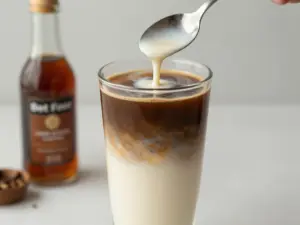
Caffe Latte vs Cappuccino: 9 Definitive Differences Explained
Nearly two-thirds of all espresso-based drinks ordered in coffee shops worldwide fall into just two categories — the caffe latte and the cappuccino. Yet most people ordering them couldn’t tell you what actually separates one from the other beyond a vague sense that “cappuccinos are foamier.” That gap between familiarity and real understanding is exactly what this guide closes.
Disclosure: This post contains affiliate links. As an Amazon Associate, we earn from qualifying purchases, and at no extra cost to you.
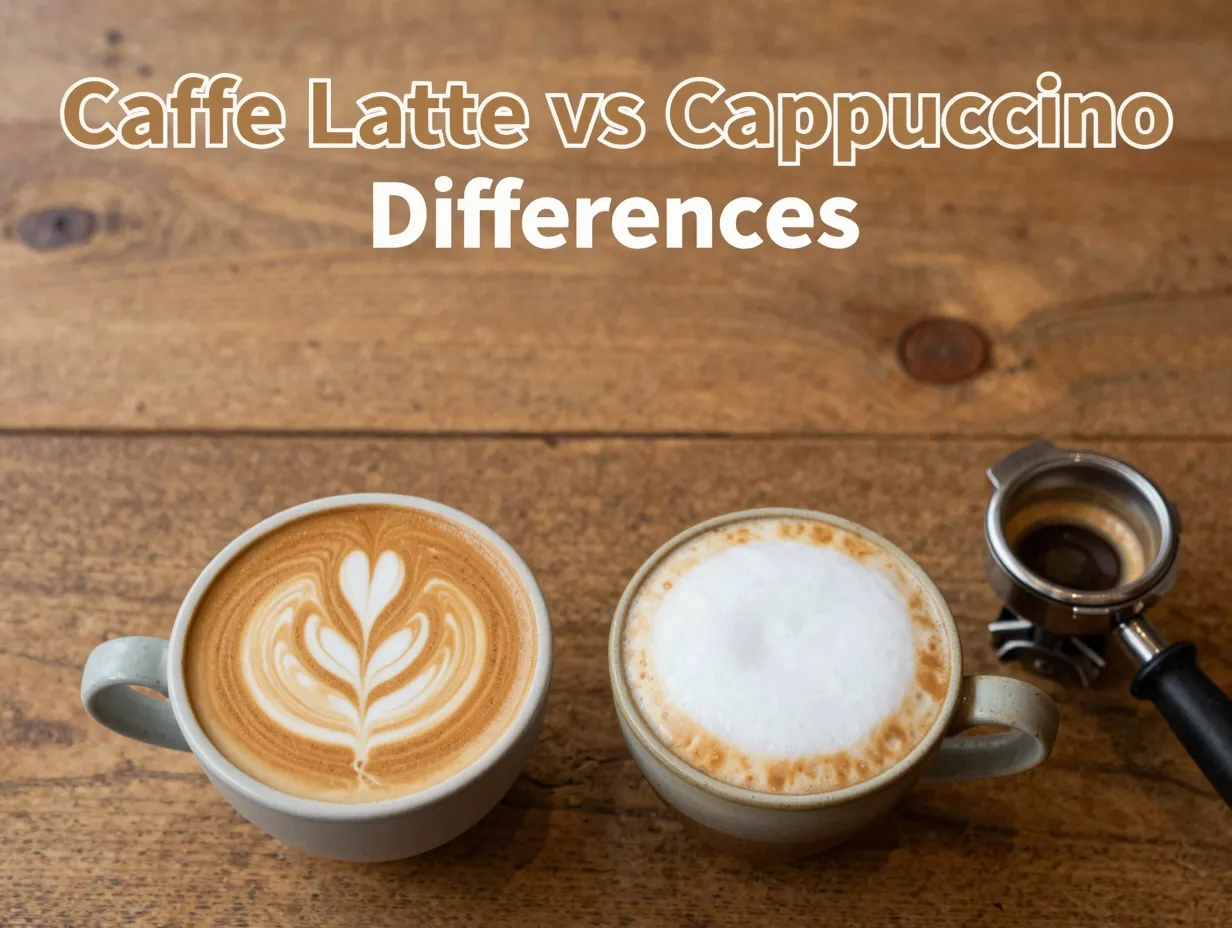
Whether you’re a home barista dialing in your technique or a trying to order with confidence, this deep dive into Caffe Latte vs Cappuccino: 9 Definitive Differences Explained will give you the full picture — from milk ratios and mouthfeel to calories and . By the end of 2026, with culture more mainstream than ever, knowing these differences isn’t just trivia. It’s how you get the drink you actually want.
Key Takeaways ☕
- Milk ratio is the core difference: A cappuccino is one-third espresso, one-third steamed milk, one-third foam. A latte is mostly steamed milk with just a thin layer of foam.
- Cappuccinos taste bolder: Less milk means the espresso flavor comes through more intensely, even though both drinks use the same amount of espresso.
- Size matters: Lattes are served larger (8–12 oz) while cappuccinos are traditionally smaller (5–6 oz).
- Calories differ significantly: A 12 oz cappuccino has roughly 130 calories vs. 210 for a 12 oz latte.
- Latte art is easier on a latte: The thin, silky microfoam on a latte creates the perfect canvas for barista artwork.
What Is a Caffe Latte?
The word latte simply means “milk” in Italian. A caffe latte is espresso combined with a generous pour of steamed milk and finished with a very thin layer of microfoam on top. The result is a smooth, creamy, mildly coffee-flavored drink that’s approachable for people who find straight espresso too intense.
A standard latte uses one or two shots of espresso topped with steamed milk to fill a cup that typically holds 8 to 12 ounces [1]. The microfoam is incorporated into the milk rather than sitting separately on top, giving the latte its signature velvety texture [3].
What Is a Cappuccino?
A cappuccino is a more structured drink. Its Italian origins trace back to the Capuchin friars, whose brown robes inspired the drink’s color name. Traditionally, a cappuccino is built in three equal layers: espresso on the bottom, steamed milk in the middle, and a thick dome of on top [2].
Served in a smaller 5–6 oz cup, the cappuccino delivers a much more concentrated coffee experience. The foam isn’t just decoration — it acts as an insulating layer that keeps the drink hotter longer and provides a distinct textural contrast with every sip [4].
Caffe Latte vs Cappuccino: 9 Definitive Differences Explained
Now let’s get into the specifics. Here are the nine differences that definitively separate these two iconic drinks.
1. Milk-to-Espresso Ratio
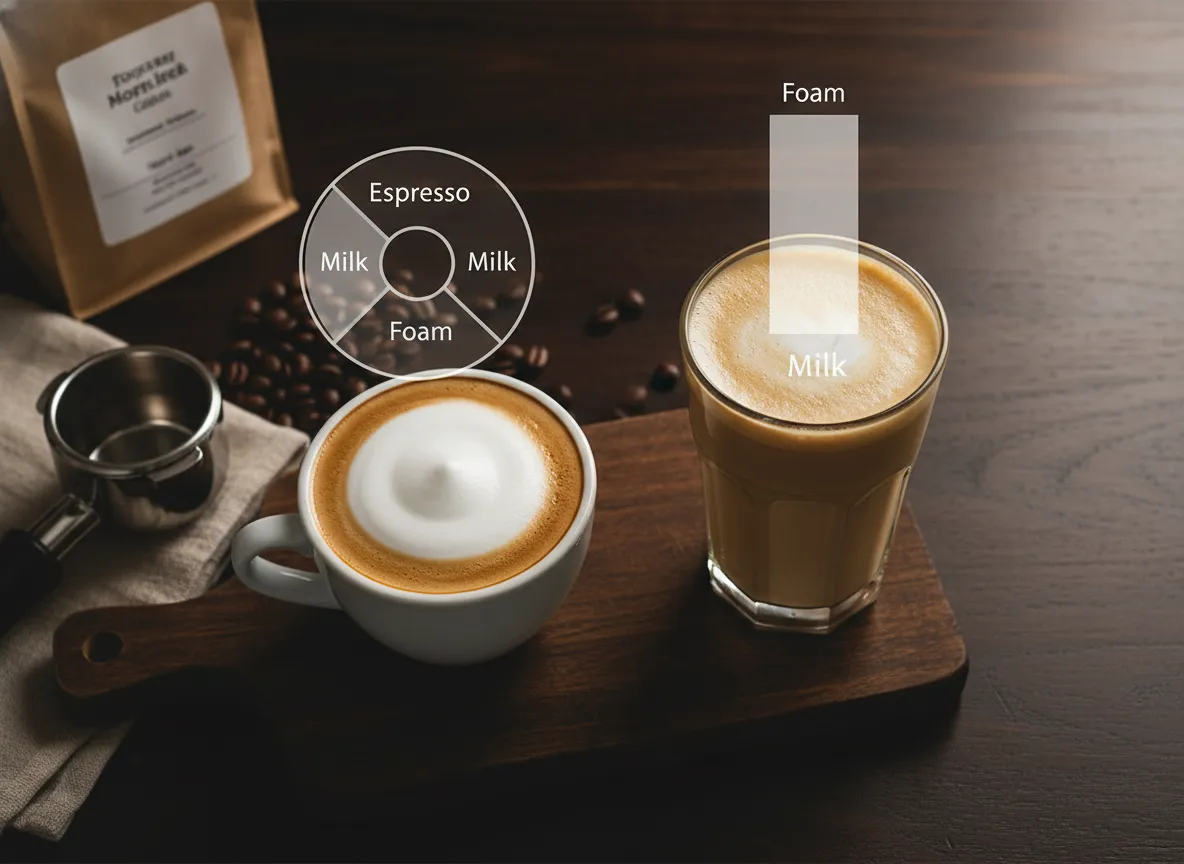
This is the foundational difference — everything else flows from it.
A cappuccino follows a strict 1:1:1 ratio: one-third espresso, one-third steamed milk, one-third milk foam [1][2]. Each component gets equal real estate in the cup.
A latte breaks that balance dramatically. It uses the same amount of espresso but fills the rest of the cup with steamed milk, leaving only a thin skim of microfoam on top [1]. In a 12 oz latte, you might have 2 oz of espresso and 10 oz of milk. In a 6 oz cappuccino, each component gets about 2 oz.
“The ratio isn’t a preference — it’s the definition. Change the ratio and you’ve changed the drink.”
| Component | Cappuccino (6 oz) | Latte (12 oz) |
|---|---|---|
| Espresso | ~2 oz | ~2 oz |
| Steamed Milk | ~2 oz | ~9.5 oz |
| Foam | ~2 oz (thick) | ~0.5 oz (thin) |
2. Foam Texture and Thickness
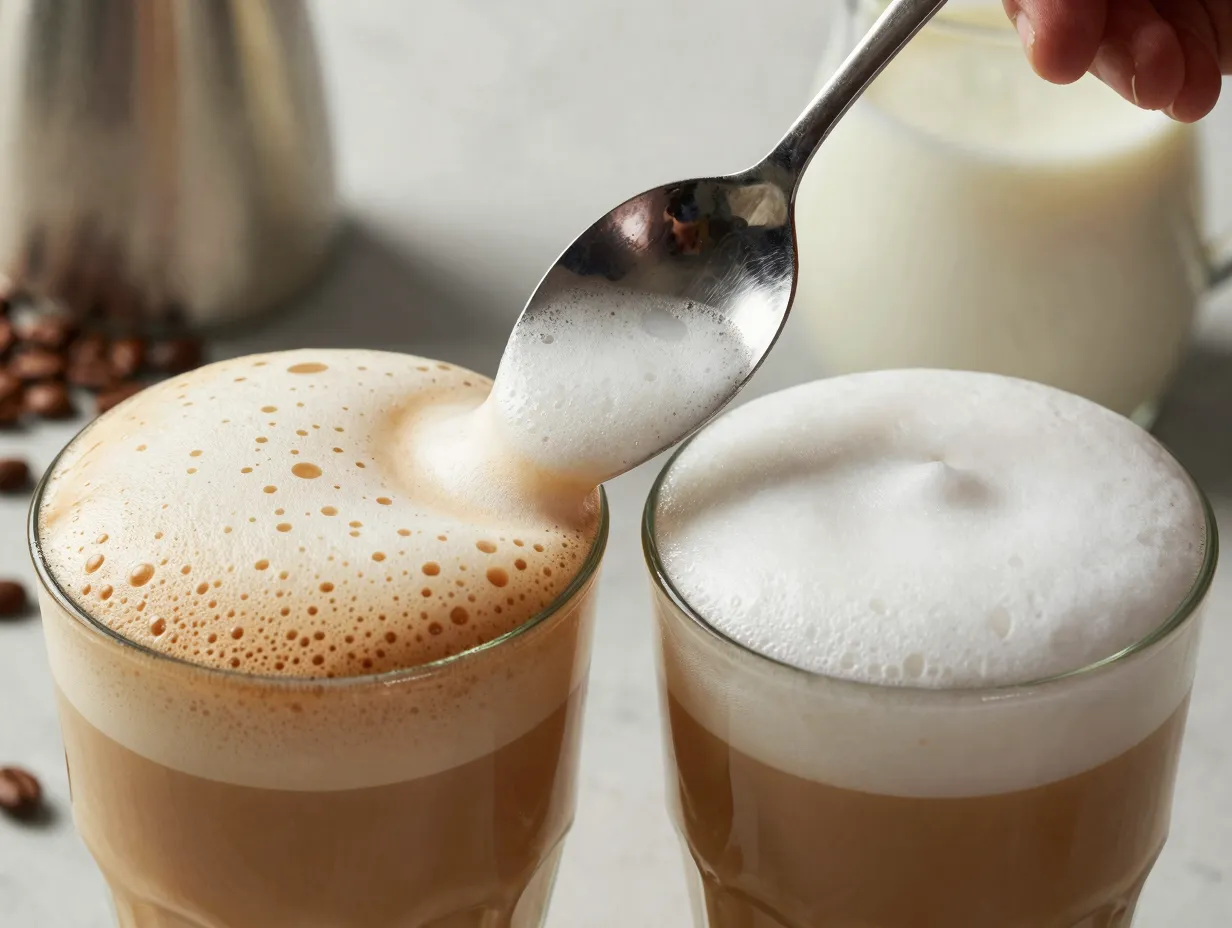
Not all foam is created equal. This difference is subtle but critical to the drinking experience.
A latte uses microfoam — milk that’s been steamed to a silky, almost paint-like consistency where the bubbles are too small to see individually [1][3]. This foam blends seamlessly into the milk below it.
A cappuccino uses macrofoam — thicker, drier foam with more air incorporated [3]. You can see the bubbles, and the foam holds its shape well above the rim of the cup. Some traditional Italian cappuccinos use foam so stiff it doesn’t collapse even when you spoon it.
🔑 Pro tip: If you press a spoon lightly on the foam and it bounces back, you’re holding a cappuccino. If the spoon sinks through, it’s a latte.
3. Coffee Flavor Intensity

Both drinks use the same espresso shot — typically one to two shots — so the caffeine content is essentially identical [1][2][3]. But the flavor intensity is very different.
In a cappuccino, the smaller amount of milk means the espresso flavor dominates. You taste the roast, the bitterness, the subtle fruity or nutty notes of the coffee more clearly [2].
In a latte, the large volume of steamed milk dilutes and softens the espresso. The result is a milder, creamier coffee flavor that lets the milk’s natural sweetness come forward [3].
If you love bold coffee flavor, cappuccino wins. If you prefer a gentler, milkier drink, latte is your match.
4. Serving Size
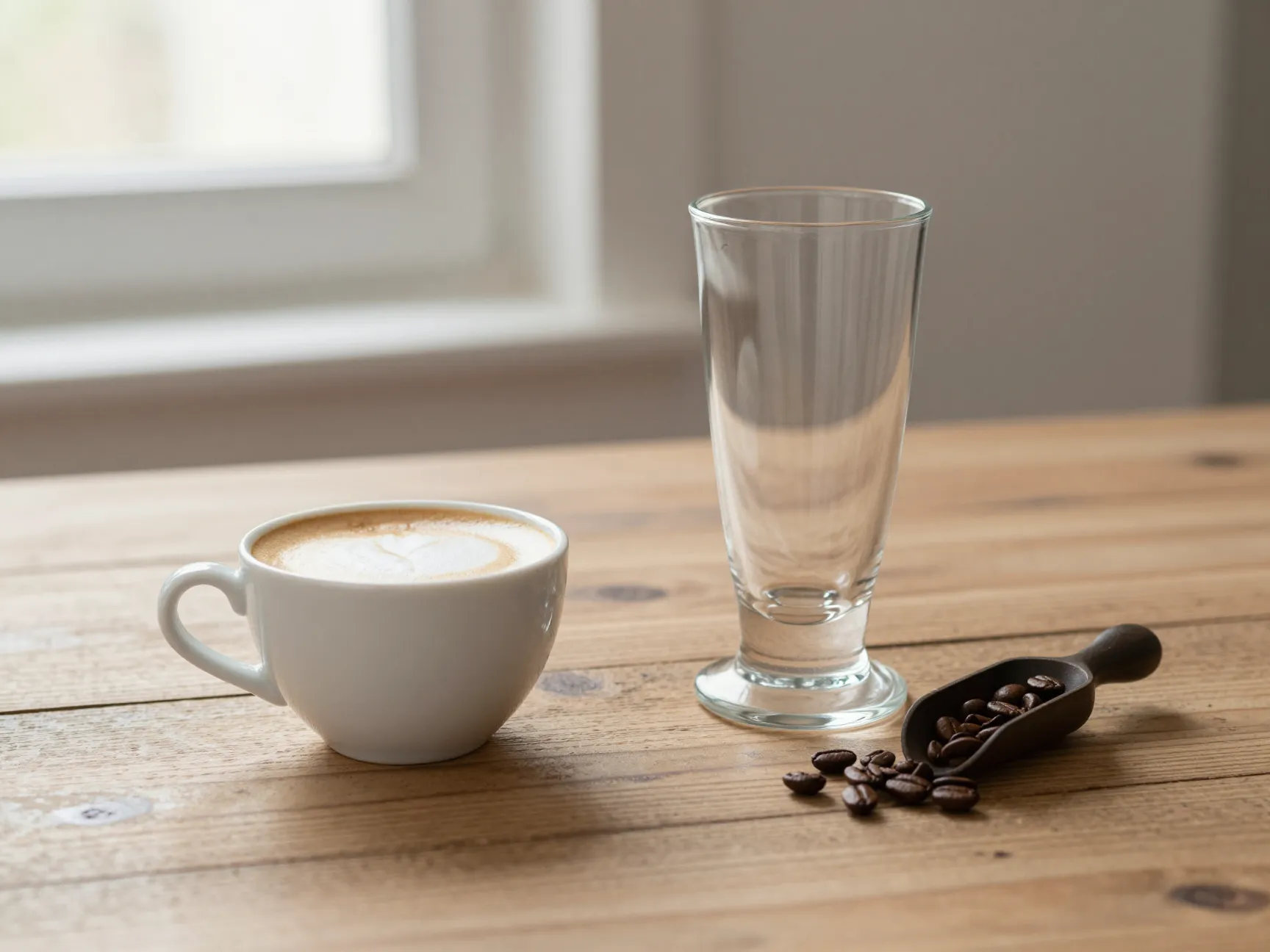
Size is one of the most immediately visible differences between the two drinks.
- Lattes: Typically served in 8–12 oz cups [1][4]
- Cappuccinos: Traditionally served in 5–6 oz cups [1][4]
This size difference isn’t arbitrary. The cappuccino’s smaller size is intentional — it’s designed to be consumed quickly, almost like a short . The latte’s larger size makes it a longer, more leisurely drink.
In many specialty coffee shops in 2026, you’ll see cappuccinos served in pre-warmed that look almost tiny compared to the tall glasses used for lattes. That size difference is your first visual clue before you even taste either drink.
5. Layering and Visual Appearance
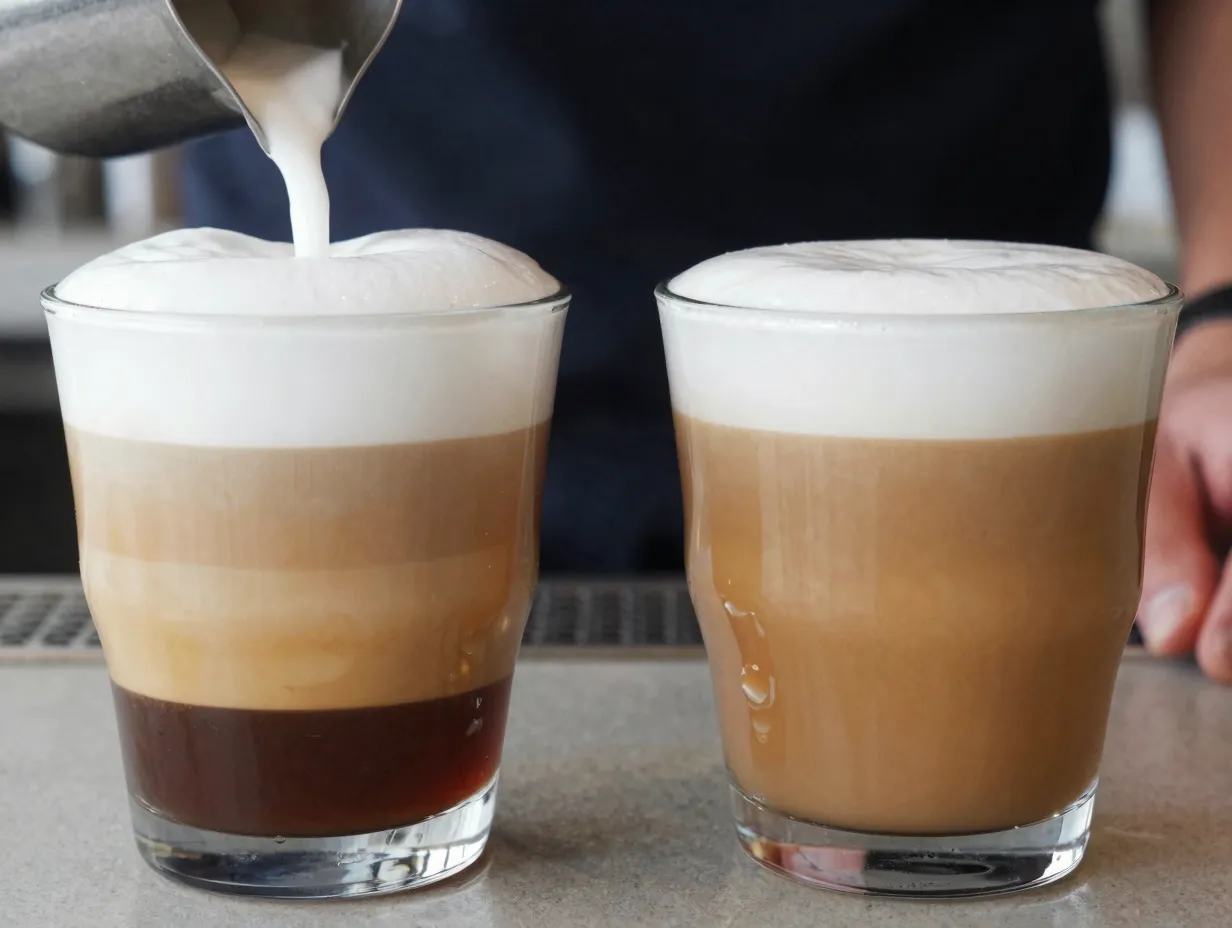
Pour a latte and a cappuccino side by side and you’ll notice an immediate visual difference.
A cappuccino has distinct, visible layers [4][5]. The espresso sits at the bottom, the steamed milk floats in the middle, and the foam crowns the top. Some baristas pour the milk in a way that keeps these layers separated, creating a striped effect through the glass.
A latte looks more uniform and integrated [4][5]. Because the microfoam is folded into the milk during steaming, the drink appears as one smooth, consistent color — a warm caramel-brown throughout, with just a thin white layer on top.
This layering difference also affects how you drink each one. A cappuccino gives you different flavor notes depending on where you sip. A latte delivers the same experience from first sip to last.
6. Calorie Content
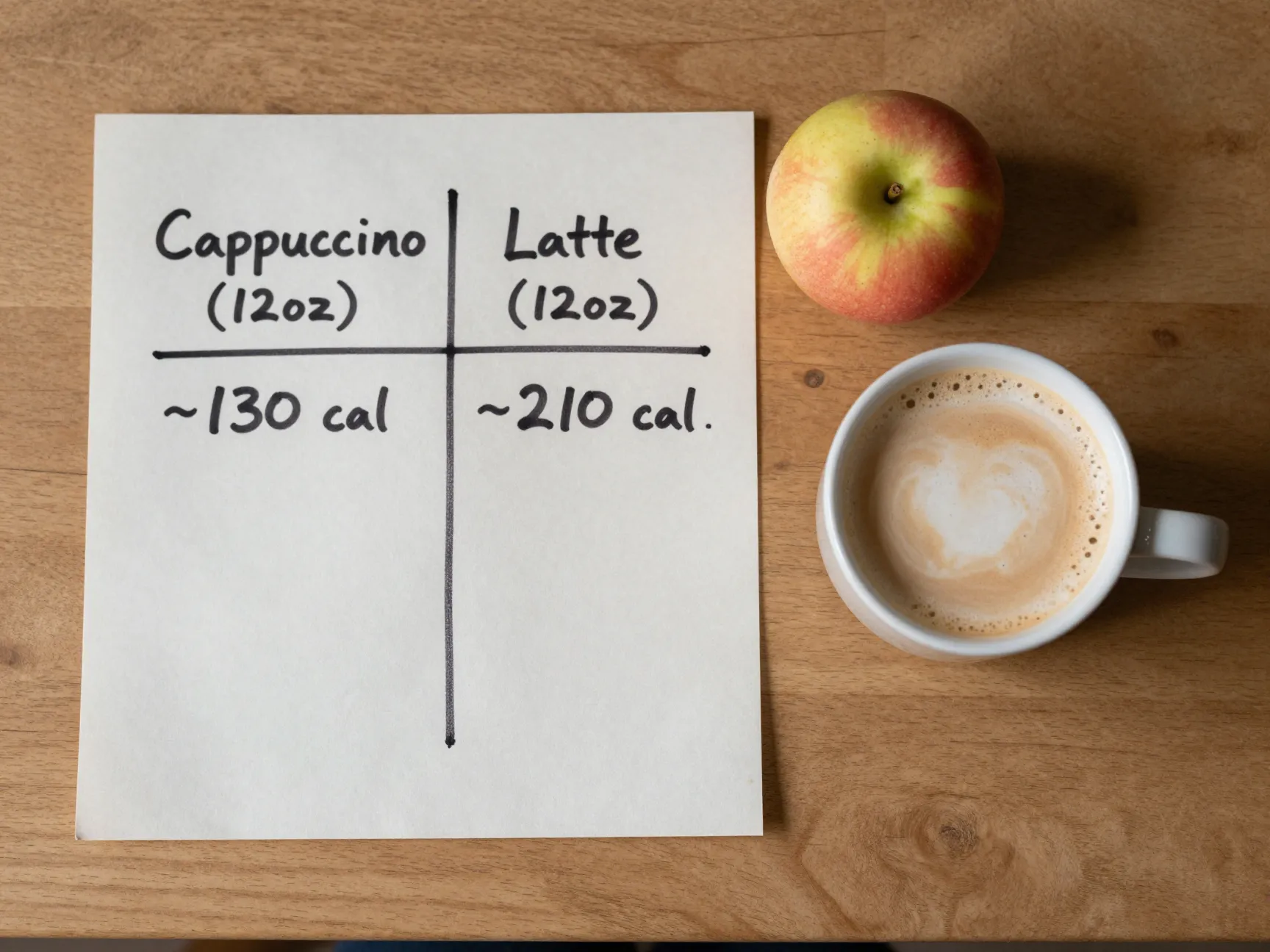
For anyone watching their intake, this difference matters more than most people realize.
A 12 oz cappuccino contains approximately 130 calories [4]. A 12 oz latte contains approximately 210 calories [4]. That’s an 80-calorie gap — roughly the equivalent of a small apple — just from the extra milk.
Here’s a quick calorie comparison using whole milk:
| Drink | Size | Approximate Calories |
|---|---|---|
| Cappuccino | 6 oz | ~80 calories |
| Cappuccino | 12 oz | ~130 calories |
| Latte | 8 oz | ~140 calories |
| Latte | 12 oz | ~210 calories |
These numbers shift with milk type. Oat milk, almond milk, and skim milk all change the calorie count. But the relative difference stays consistent — cappuccinos are always lower in calories than lattes of the same size because they contain less milk [4].
7. Mouthfeel and Texture
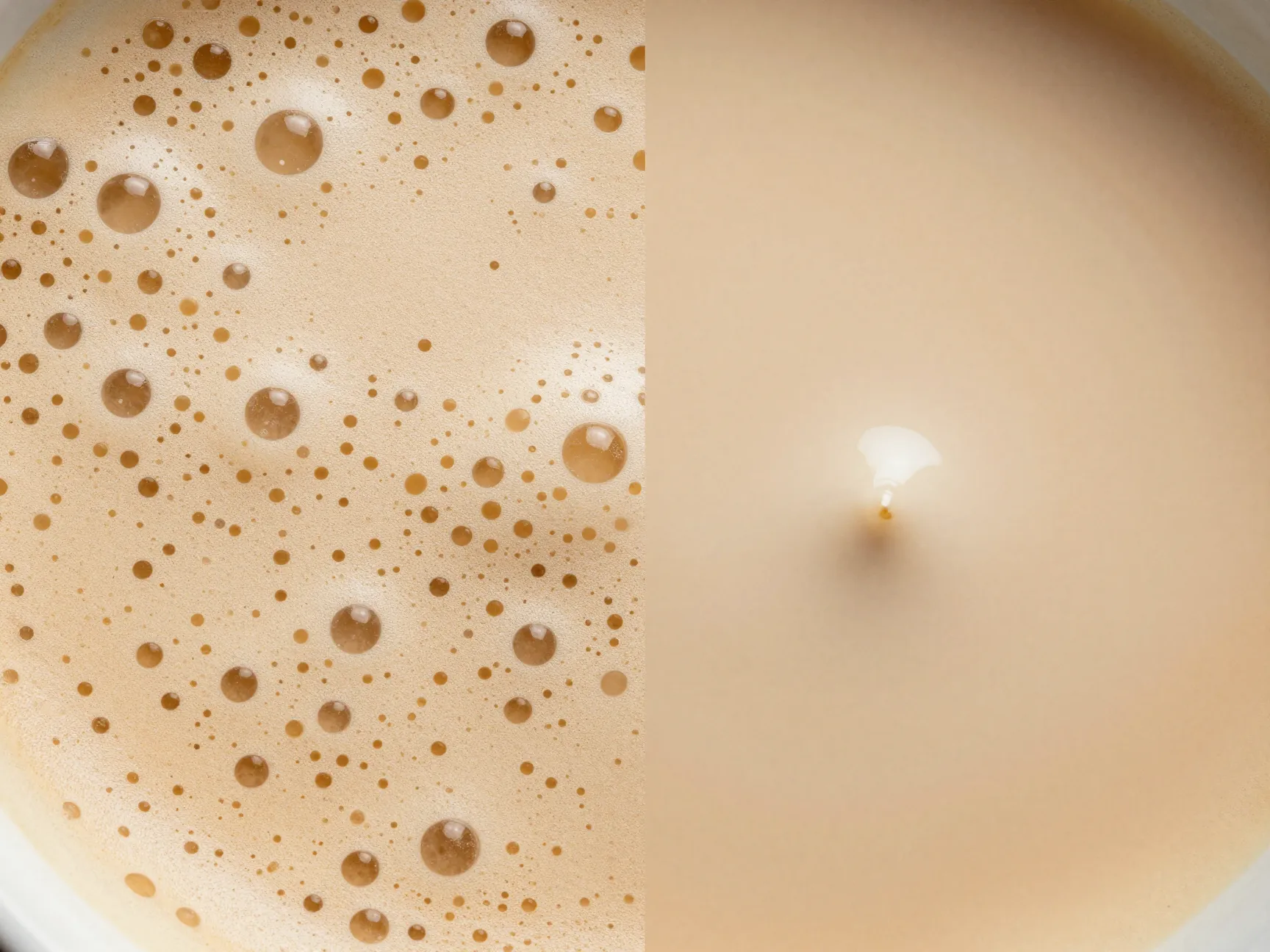
Close your eyes and take a sip of each drink. The sensory experience is strikingly different.
A latte feels smooth, creamy, and coating [1][3]. The microfoam integrates with the milk to create a texture that feels almost like warm cream. It’s comforting and consistent from start to finish.
A cappuccino feels airy, light, and layered [1][3]. The thick foam creates a cushion of air that hits your lips first, followed by the hot, concentrated coffee-milk mixture beneath. There’s a textural contrast built into every sip.
“Drinking a latte is like wrapping yourself in a warm blanket. Drinking a cappuccino is like a handshake — firm, distinct, and memorable.”
This textural difference is why many coffee purists prefer cappuccinos. The foam isn’t just filler — it’s a functional part of the experience.
8. Latte Art Potential
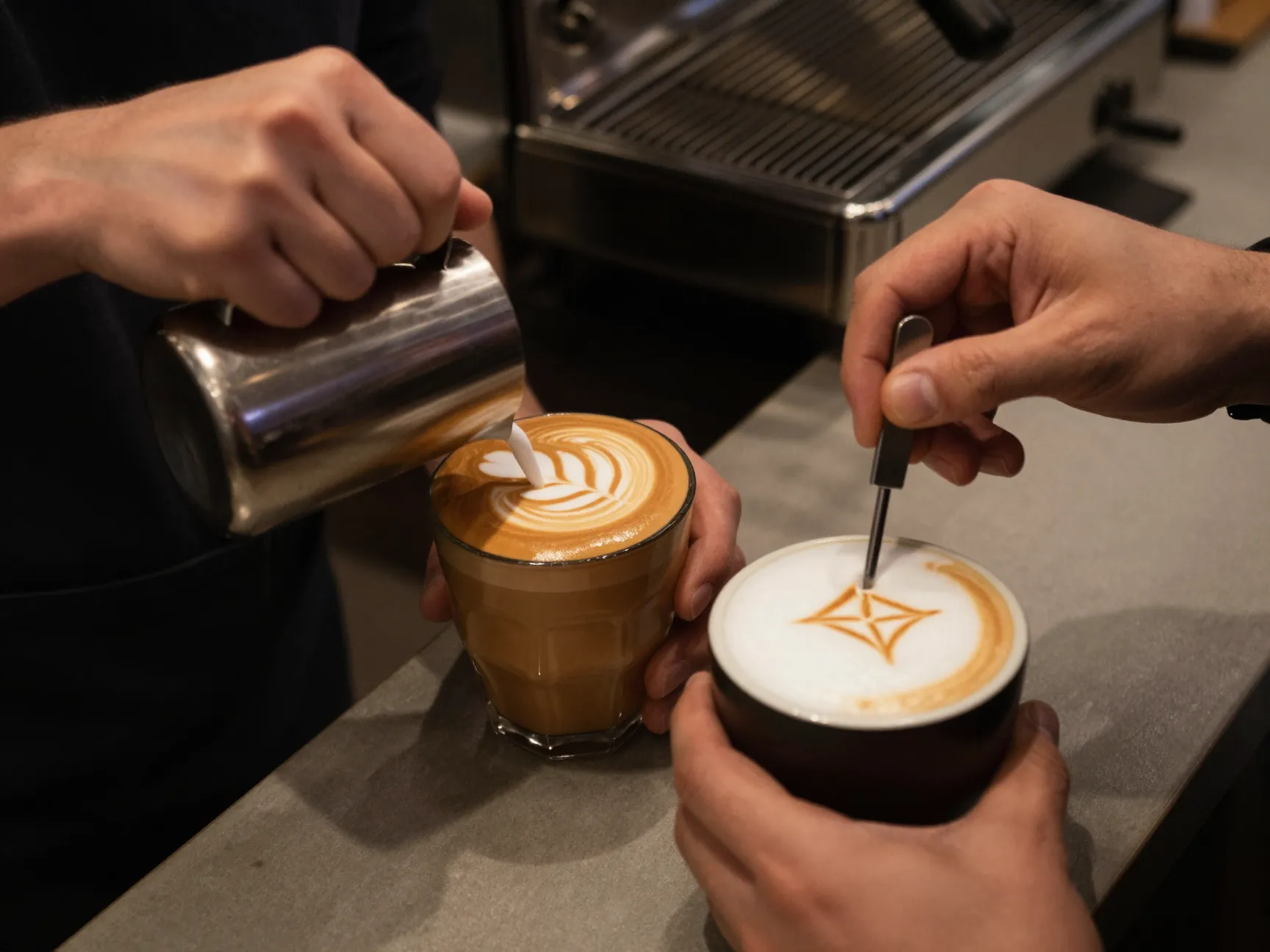
If you’ve ever watched a barista pour a beautiful rosette or tulip design into a cup, you’ve seen latte art in action. But not every drink is equally suited for it.
Lattes are the gold standard for latte art [1]. The thin, silky microfoam blends with the steamed milk to create a single fluid canvas. A skilled barista can pour intricate designs — hearts, rosettas, phoenixes — because the microfoam flows predictably and contrasts beautifully against the espresso-darkened milk below.
Cappuccinos are harder to decorate with traditional pour art because the thick foam doesn’t flow the same way [1]. However, baristas can use a technique called etching — drawing patterns in the foam with a tool — to create designs on cappuccinos.
🎨 If latte art matters to you (for Instagram or just for joy), order the latte.
9. Cultural and Historical Context
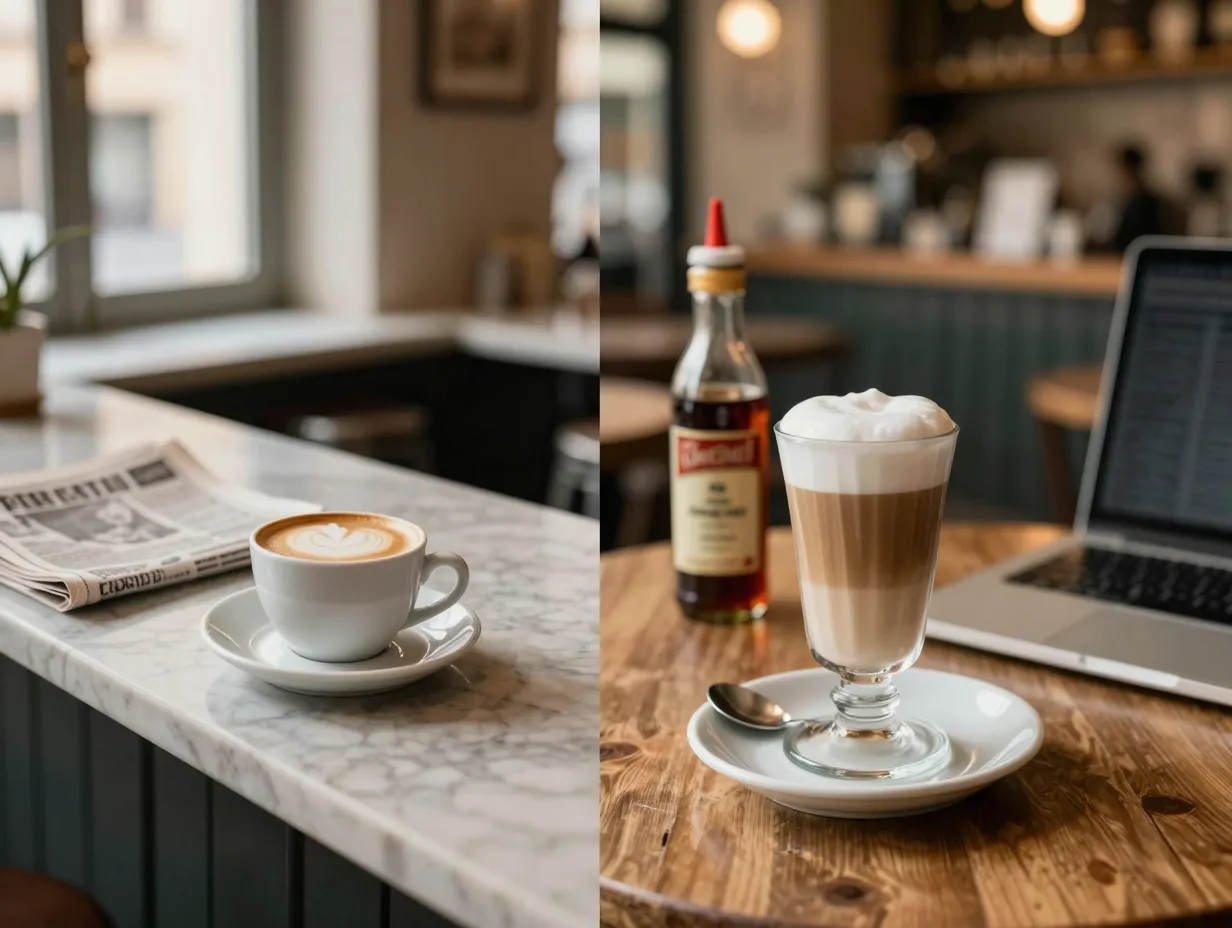
The final difference isn’t in the cup — it’s in the culture around it.
The cappuccino has deep roots in Italian café tradition. In Italy, cappuccinos are almost exclusively a morning drink — ordering one after 11 AM marks you as a tourist. The drink is tied to ritual, brevity, and the idea of coffee as a quick, purposeful act [8].
The latte, while also Italian in origin, became globally popularized through American coffee culture in the 1980s and 1990s, largely through chains like Starbucks [6]. It evolved into a customizable, all-day drink — the base for flavored syrups, seasonal variations, and cold versions like iced lattes.
In 2026, both drinks have massive global followings, but their cultural DNA remains distinct:
- ☕ Cappuccino = tradition, ritual, brevity, intensity
- 🥛 Latte = customization, comfort, accessibility, creativity
Quick Reference: Caffe Latte vs Cappuccino at a Glance
Here’s a summary table pulling together all nine differences for easy reference:
| Feature | Caffe Latte | Cappuccino |
|---|---|---|
| 1. Milk Ratio | Mostly milk, thin foam | Equal thirds |
| 2. Foam Texture | Thin microfoam | Thick macrofoam |
| 3. Flavor Intensity | Mild, creamy | Bold, espresso-forward |
| 4. Serving Size | 8–12 oz | 5–6 oz |
| 5. Layering | Integrated, uniform | Distinct layers |
| 6. Calories (12 oz) | ~210 | ~130 |
| 7. Mouthfeel | Smooth, coating | Airy, layered |
| 8. Latte Art | Excellent | Limited (etching only) |
| 9. Cultural Context | American/global, all-day | Italian, morning ritual |
Which One Should You Choose?
Choosing between a latte and a cappuccino comes down to three personal factors:
Choose a latte if you:
- Prefer a milder, creamier coffee flavor
- Want a larger, longer drink
- Love latte art or customized flavors
- Are newer to espresso-based drinks
Choose a cappuccino if you:
- Want a stronger, more espresso-forward taste
- Prefer a smaller, more concentrated drink
- Are watching your calorie intake
- Want to experience coffee the traditional Italian way
There’s no wrong answer. Both drinks use quality espresso as their foundation. The difference is entirely in how that espresso is framed by milk and foam [9].
Frequently Asked Questions
Does a cappuccino have more caffeine than a latte?
No. Both drinks typically use one to two shots of espresso, so caffeine content is essentially the same [1][2][3]. The difference in perceived strength comes from flavor intensity, not actual caffeine.
Can I make both drinks at home?
Yes, with an and a steam wand. The key skill is — practice creating thin microfoam for lattes and thicker foam for cappuccinos. A milk frother can approximate both, though results vary.
What’s a “wet” vs “dry” cappuccino?
A wet cappuccino has more steamed milk and less foam — closer to a latte. A dry cappuccino has more foam and less steamed milk — more intense and airy. Both are still cappuccinos by name, but they sit at different points on the milk spectrum [5][8].
Are iced versions the same?
Iced lattes are very common and work well because the microfoam concept doesn’t apply to . Iced cappuccinos exist but are less traditional — the cold foam on top is a modern adaptation rather than a classic preparation [6].
Conclusion: Know Your Drink, Order with Confidence
Understanding the Caffe Latte vs Cappuccino: 9 Definitive Differences Explained isn’t about being a coffee snob. It’s about knowing exactly what you want and being able to ask for it. The milk ratio, foam texture, serving size, calorie count, flavor intensity, layering, mouthfeel, latte art potential, and cultural context all combine to make these two drinks genuinely distinct experiences — not just variations of the same thing.
Here are your actionable next steps:
- Order both on your next café visit and taste them back-to-back. The differences become obvious the moment you compare them directly.
- Ask your barista about their milk steaming technique — a good barista will love the question and may even show you the difference.
- If you’re a home brewer, practice steaming milk to different textures and notice how it changes the drink’s character.
- Use the calorie table in this article to make informed choices if nutrition is part of your decision.
- Embrace the culture — try a traditional cappuccino in the morning before noon, the Italian way, at least once.
Coffee is one of the few daily rituals that rewards curiosity. The more you understand what’s in your cup, the more you enjoy every sip. ☕
References
[1] Latte Vs Cappuccino Whats The Difference – https://chroniclecoffee.ca/latte-vs-cappuccino-whats-the-difference/
[2] Cappuccino Vs Latte Key Differences Explained – https://noirepack.com/blogs/at-the-cafe/cappuccino-vs-latte-key-differences-explained
[3] Latte Vs Cappuccino – https://www.nescafe.com/gb/coffee-culture/knowledge/latte-vs-cappuccino
[4] Cappuccino Vs Latte Whats The Difference – https://www.coffeebean.com/blogs/blog/cappuccino-vs-latte-whats-the-difference
[5] Difference Between A Latte Vs Cappuccino – https://commandcoffee.com/blogs/news/difference-between-a-latte-vs-cappuccino
[6] Cappuccino Vs Latte – https://www.starbucks.com.cn/coffee-blog/en/cappuccino-vs-latte/
[8] Cappuccino Vs Latte – https://coffeebros.com/blogs/coffee/cappuccino-vs-latte
[9] Caffe Latte Vs Cappuccino – https://drinkduel.com/compare/caffe-latte-vs-cappuccino/