Cafe Latte vs Cappuccino: 8 Distinctions for Your Next Coffee Order
Nearly two-thirds of American adults drink coffee every single day — yet most of them couldn’t explain the difference between the two most popular on any café menu. If you’ve ever stood at a counter, unsure whether to order a latte or a cappuccino, you’re far from alone.
Disclosure: This post contains affiliate links. As an Amazon Associate, we earn from qualifying purchases, and at no extra cost to you.
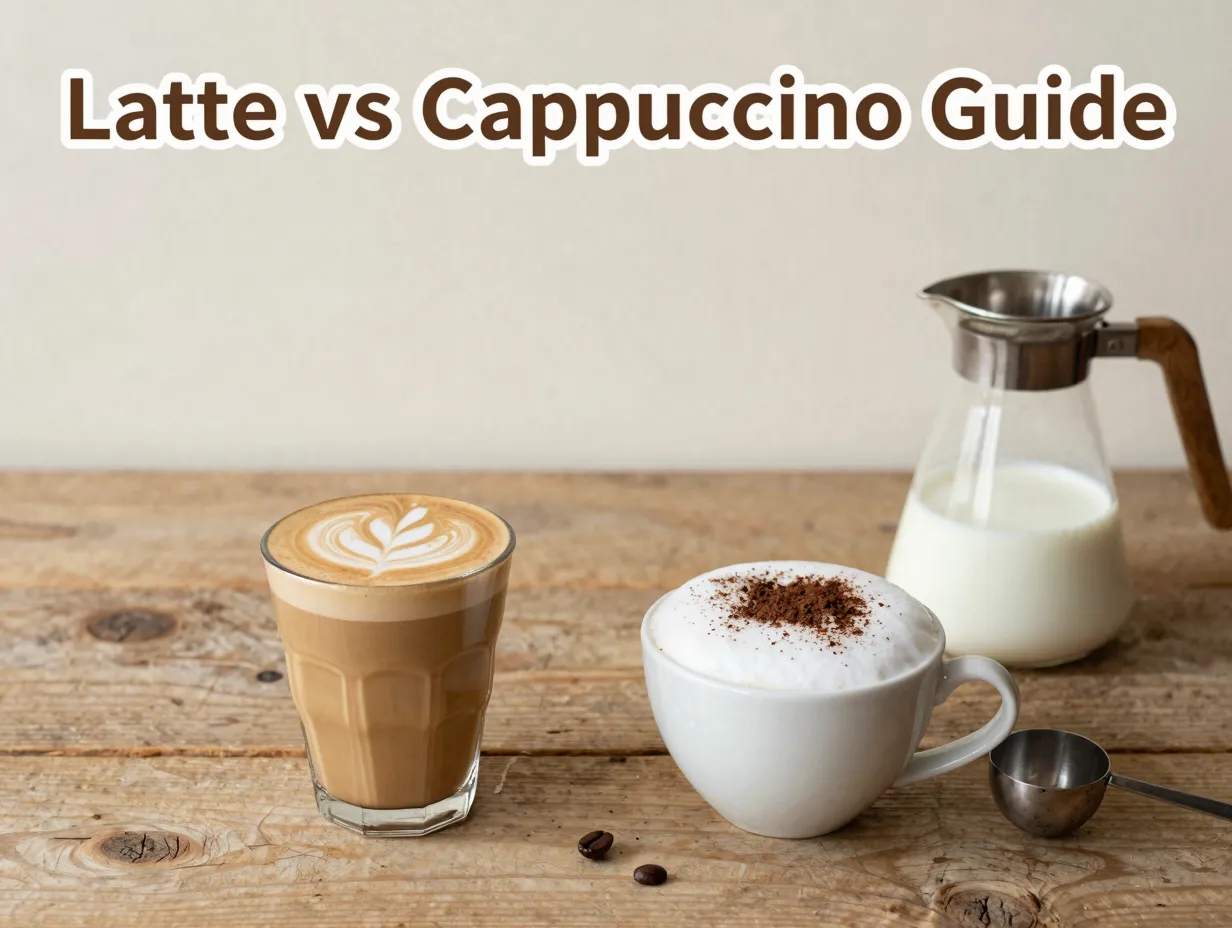
This guide on Cafe Latte vs Cappuccino: 8 Distinctions for Your Next Coffee Order breaks down exactly what separates these two beloved drinks — from the ratio of milk to espresso, to , flavor strength, serving size, and beyond. By the time you finish reading, you’ll order with total confidence and maybe even impress your barista.
Key Takeaways
- ☕ Milk ratio is the biggest difference: A latte contains roughly 3× more milk than a cappuccino (180ml vs. 50ml).
- 🫧 Foam texture differs dramatically: Cappuccinos have thick, airy foam; lattes have a thin, silky microfoam layer.
- 💪 Cappuccinos taste stronger despite both drinks containing the same amount of espresso.
- 🍬 Lattes are naturally sweeter because more steamed milk releases more natural milk sugars.
- 🎨 Lattes win on customization: Their smooth texture and larger volume make them ideal for syrups, flavors, and alternative milks.
What Is a Cafe Latte?
A café latte (Italian for “”) is a smooth, drink made with one or two shots of espresso topped with a generous pour of steamed milk and finished with a thin layer of microfoam. Its texture is silky, its flavor is mild, and its canvas is wide — lattes are the drink baristas use to create those stunning rosette and heart designs you see on Instagram every morning.
Lattes typically range from 12 to 16 ounces, making them one of the larger espresso-based drinks on any menu. [3]
What Is a Cappuccino?
A cappuccino is a bold, layered espresso drink built on a classic Italian formula: equal parts espresso, steamed milk, and thick milk foam. The result is a smaller, more intense drink that lets the espresso flavor shine through every sip.
Cappuccinos are traditionally served in 6-ounce cups — roughly half the size of a standard latte — which concentrates both the flavor and the experience. [3]
Cafe Latte vs Cappuccino: 8 Distinctions for Your Next Coffee Order
Now let’s get into the real detail. Here are the eight key differences that define these two drinks.
1. Milk-to-Espresso Ratio
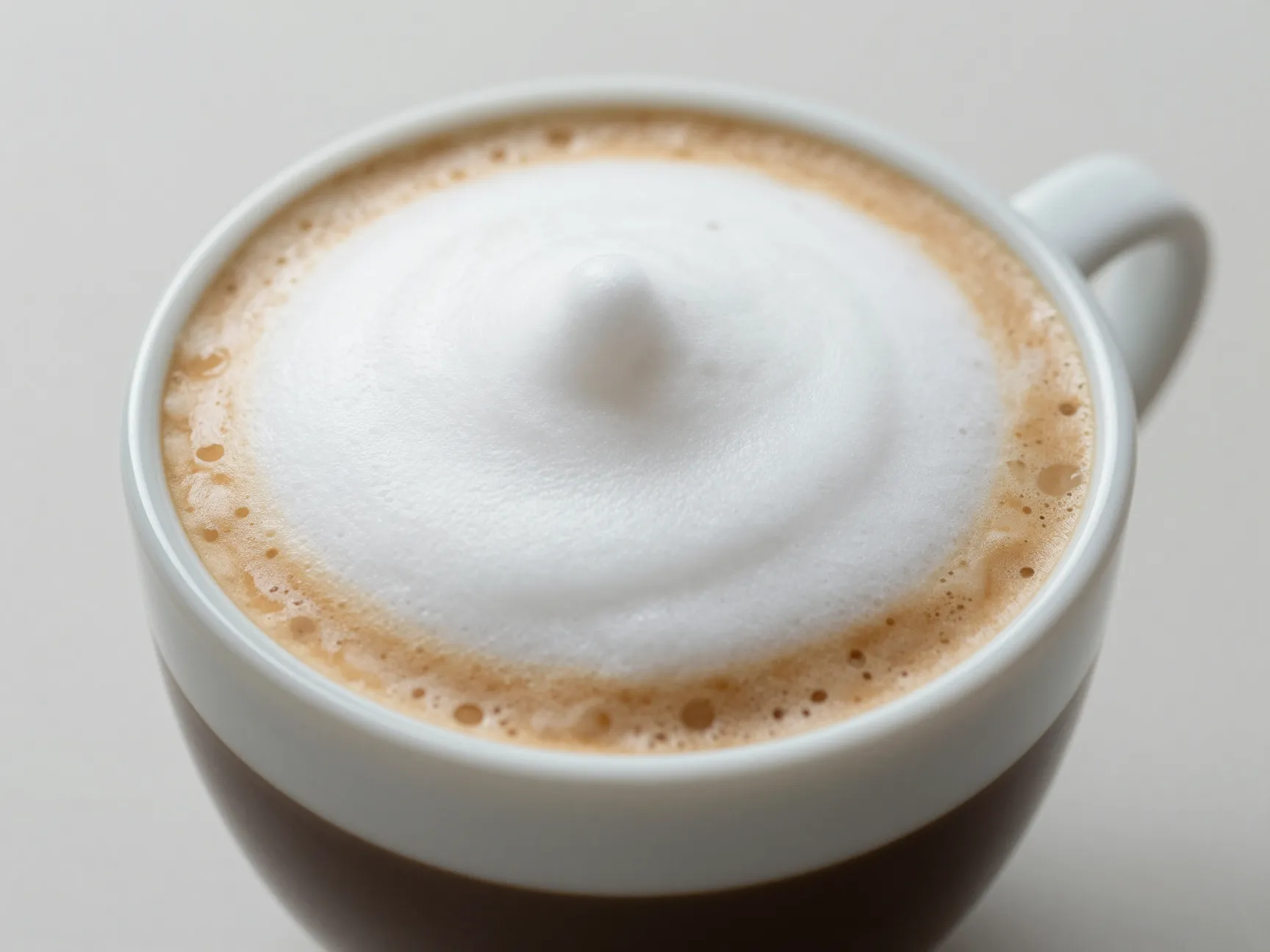
The single most important difference between a latte and a cappuccino is how much milk goes into the cup.
A latte is built on approximately 180ml of steamed milk combined with one or two espresso shots, meaning milk makes up about two-thirds of the entire drink. [3] A cappuccino, by contrast, uses only around 50ml of steamed milk — roughly one-third of the drink’s total volume — alongside equal parts espresso and foam. [9]
In practical terms, a latte contains approximately 3× more milk than a cappuccino. That single fact drives nearly every other difference on this list.
| Component | Cafe Latte | Cappuccino |
|---|---|---|
| Espresso | 1–2 shots | 1–2 shots |
| Steamed Milk | ~180ml | ~50ml |
| Milk Foam | ~6mm (thin layer) | ~1/3 of drink (thick) |
| Total Volume | 12–16 oz | 5–6 oz |
2. Foam Thickness and Texture
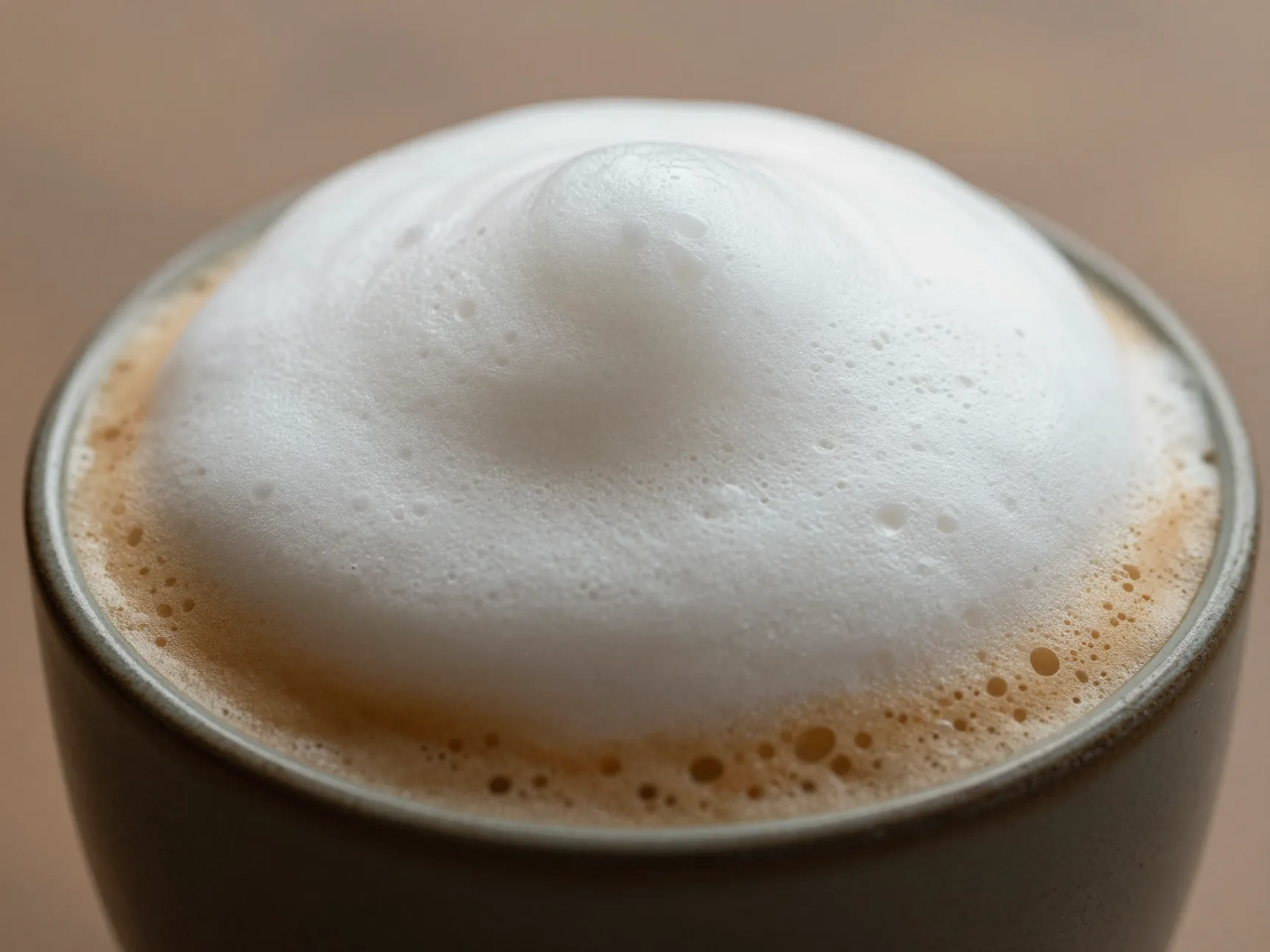
Both drinks use steamed milk, but the foam they produce couldn’t be more different.
A cappuccino features thick, dense foam that makes up about one-third of the drink’s total volume. [1] This foam sits proudly on top, holding its shape and creating that signature domed look. Baristas describe cappuccino milk as reaching a “liquid marshmallow” texture — light, airy, and slightly stiff. [3]
A latte, on the other hand, uses milk that is stretched to a “wet paint” consistency — smooth, glossy, and pourable. [3] The resulting foam layer is only about ¼ inch thick, just enough to support without adding significant volume or texture to the drink. [1]
💬 “The foam in a cappuccino is an experience in itself. In a latte, it’s a finishing touch.”
3. Coffee Flavor Strength
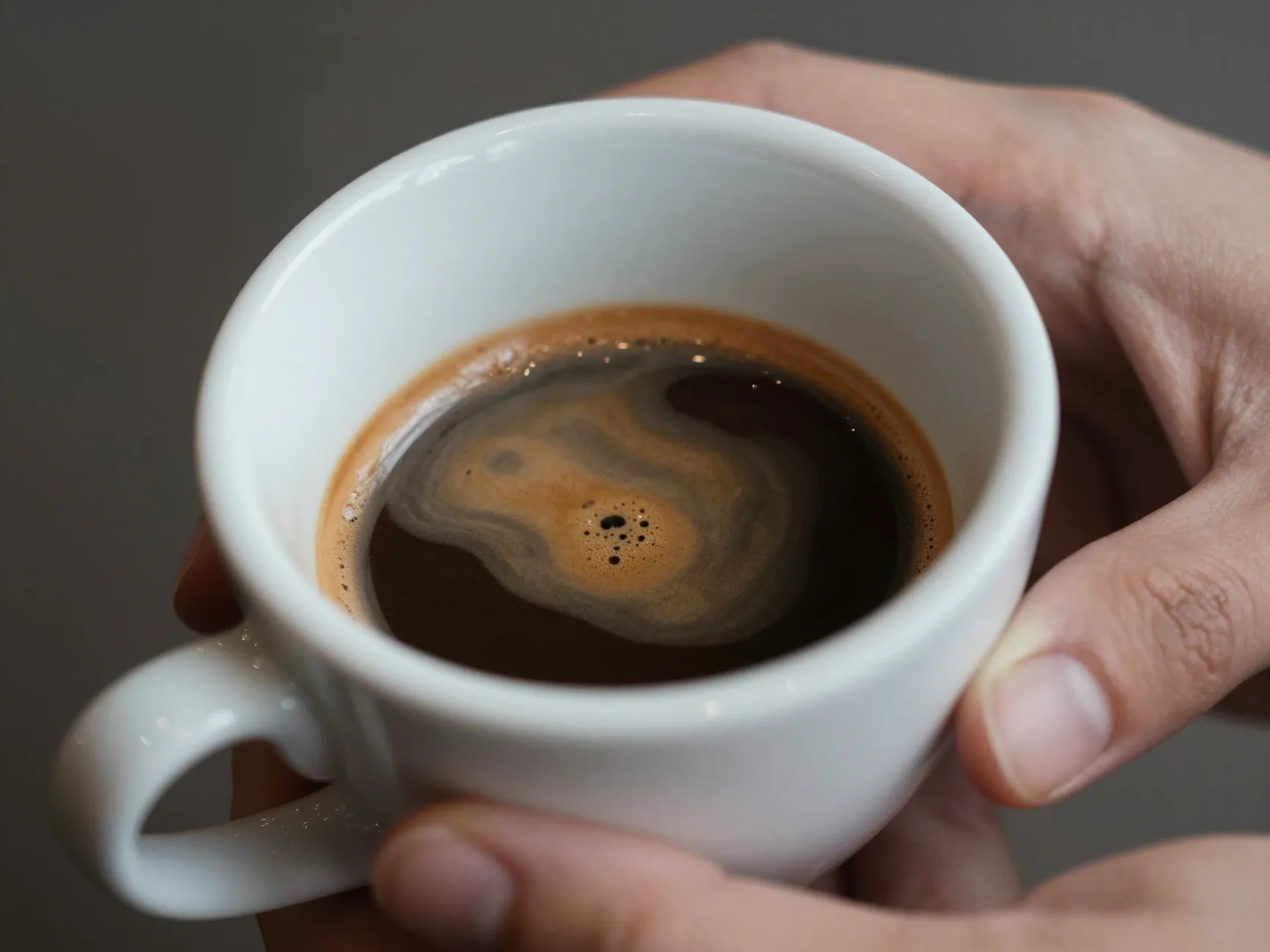
Here’s something that surprises many coffee drinkers: a cappuccino tastes stronger than a latte, even though both contain the same amount of espresso. [2]
The reason is simple — dilution. With 3× more milk in a latte, the espresso flavor gets spread across a much larger volume of liquid. The milk softens and rounds out the coffee’s natural bitterness and intensity.
In a cappuccino, the espresso has far less milk to compete with. Every sip delivers a more concentrated, more assertive coffee flavor. [6]
It’s important to note that flavor strength is not the same as caffeine content — we’ll cover that distinction in the next point. [6]
4. Caffeine Content
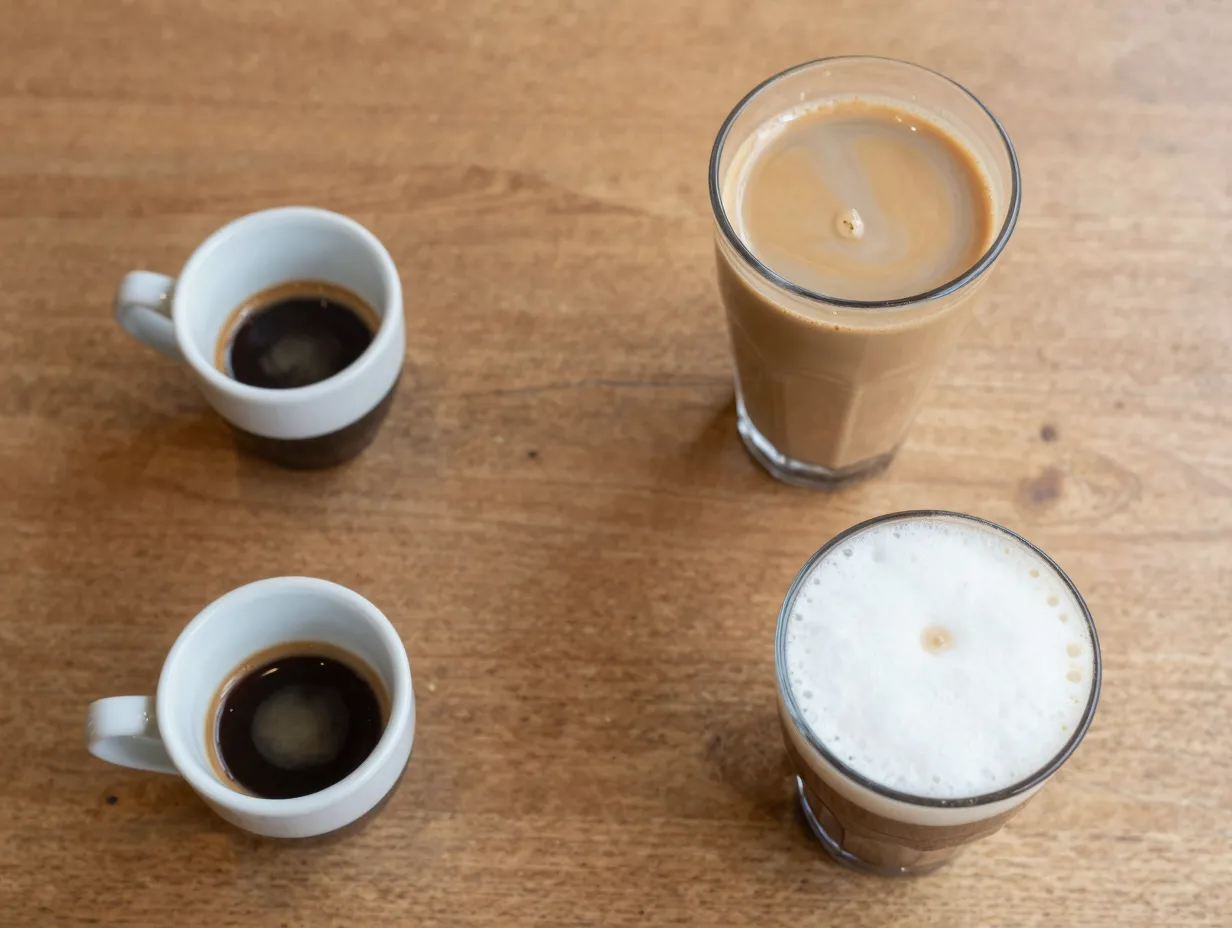
This is one of the most common misconceptions in coffee: many people assume cappuccinos have more caffeine because they taste stronger. They don’t.
Both drinks contain identical caffeine levels when made with the same number of espresso shots. A standard double shot delivers approximately 60–100mg of caffeine in either drink. [7] Scale up to a 16-ounce serving of either, and you’re looking at roughly 173mg of caffeine. [3]
The takeaway? If you’re choosing between a latte and a cappuccino purely for an energy boost, the espresso shot count is what matters — not the drink style.
☕ Quick Caffeine Reference:
- Single shot espresso: ~30–50mg caffeine
- Double shot (standard latte or cappuccino): ~60–100mg caffeine
- 16oz serving of either: ~173mg caffeine
5. Sweetness Profile
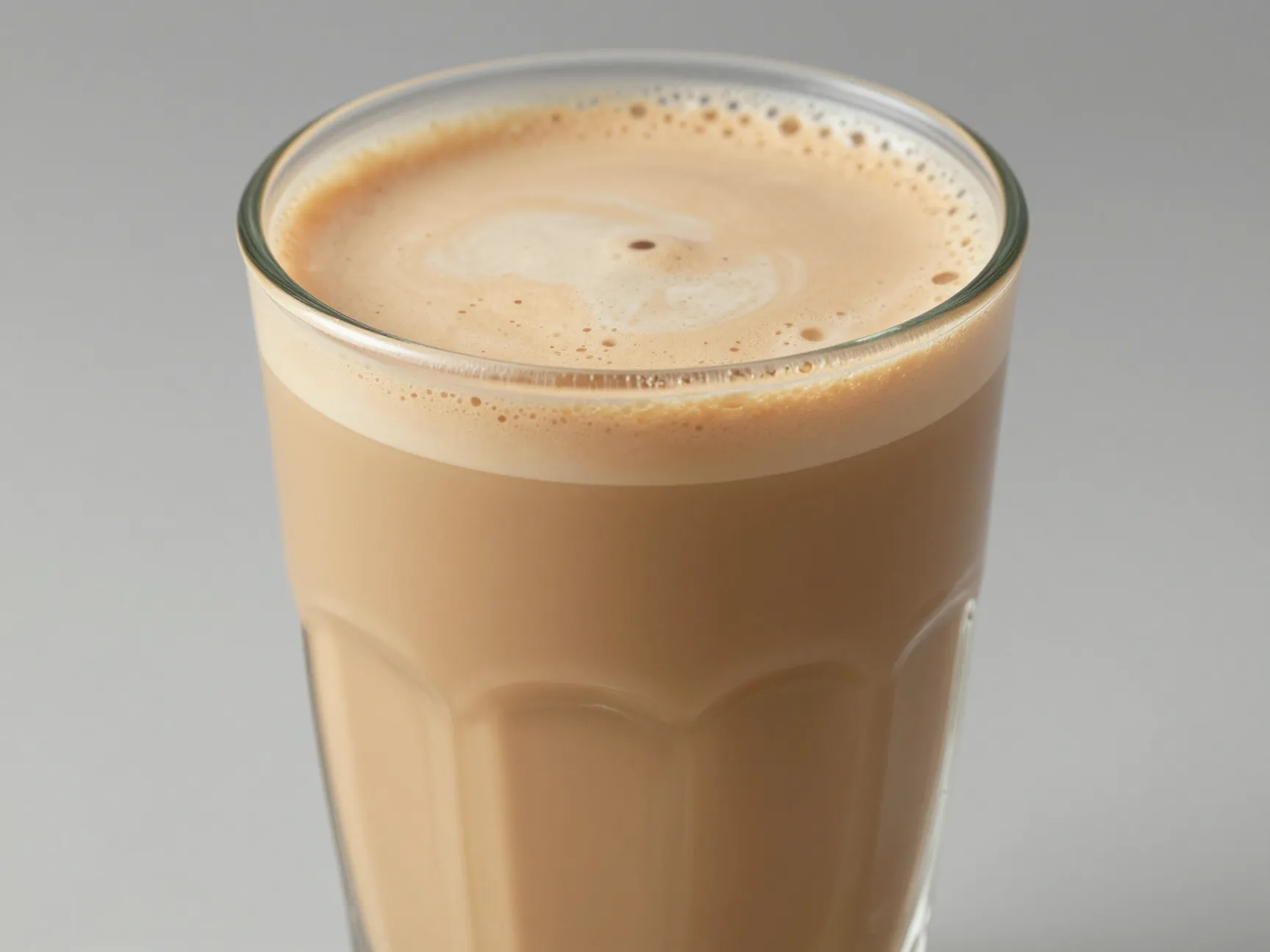
Even without adding sugar or syrup, a latte tastes noticeably sweeter than a cappuccino. [6]
Why? When milk is steamed, heat breaks down the lactose (milk sugar) and releases it into the liquid. The more milk you steam, the more natural sweetness you get. Because lattes contain significantly more steamed milk, they naturally carry a sweeter, creamier flavor profile. [6]
Cappuccinos, with their smaller milk volume and stronger espresso presence, tend to taste more bitter and bold by comparison — which many coffee purists actually prefer.
🍬 If you like your coffee sweet without reaching for the sugar packet, a latte is your natural ally.
6. Serving Size and Presentation
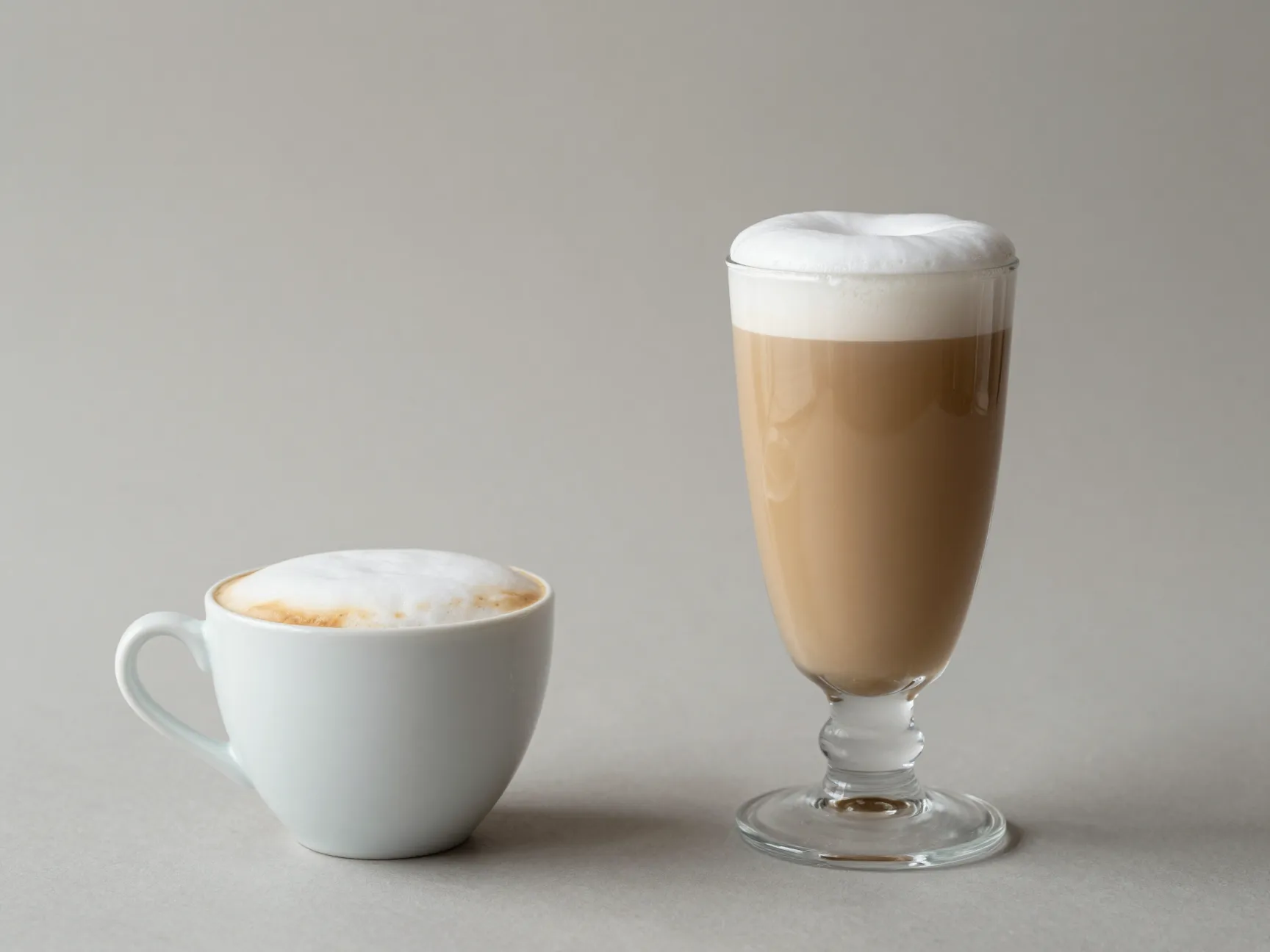
The visual difference between these two drinks is immediately obvious when they arrive at your table.
A traditional cappuccino is served in a small 5–6 ounce ceramic cup, designed to highlight the espresso’s flavor and preserve the foam structure. [3] The smaller size is intentional — it’s a concentrated experience meant to be savored quickly, in the Italian tradition.
A latte typically arrives in a 12–16 ounce cup or glass, often with elaborate latte art on the surface. [3] It’s a longer, more leisurely drink.
It’s worth noting that chain coffee shops often deviate from tradition. Starbucks, for example, serves cappuccinos in 8oz cups and lattes starting at 12oz — slightly larger than the Italian originals but still maintaining the relative size difference. [7]
7. Layering and Mixing
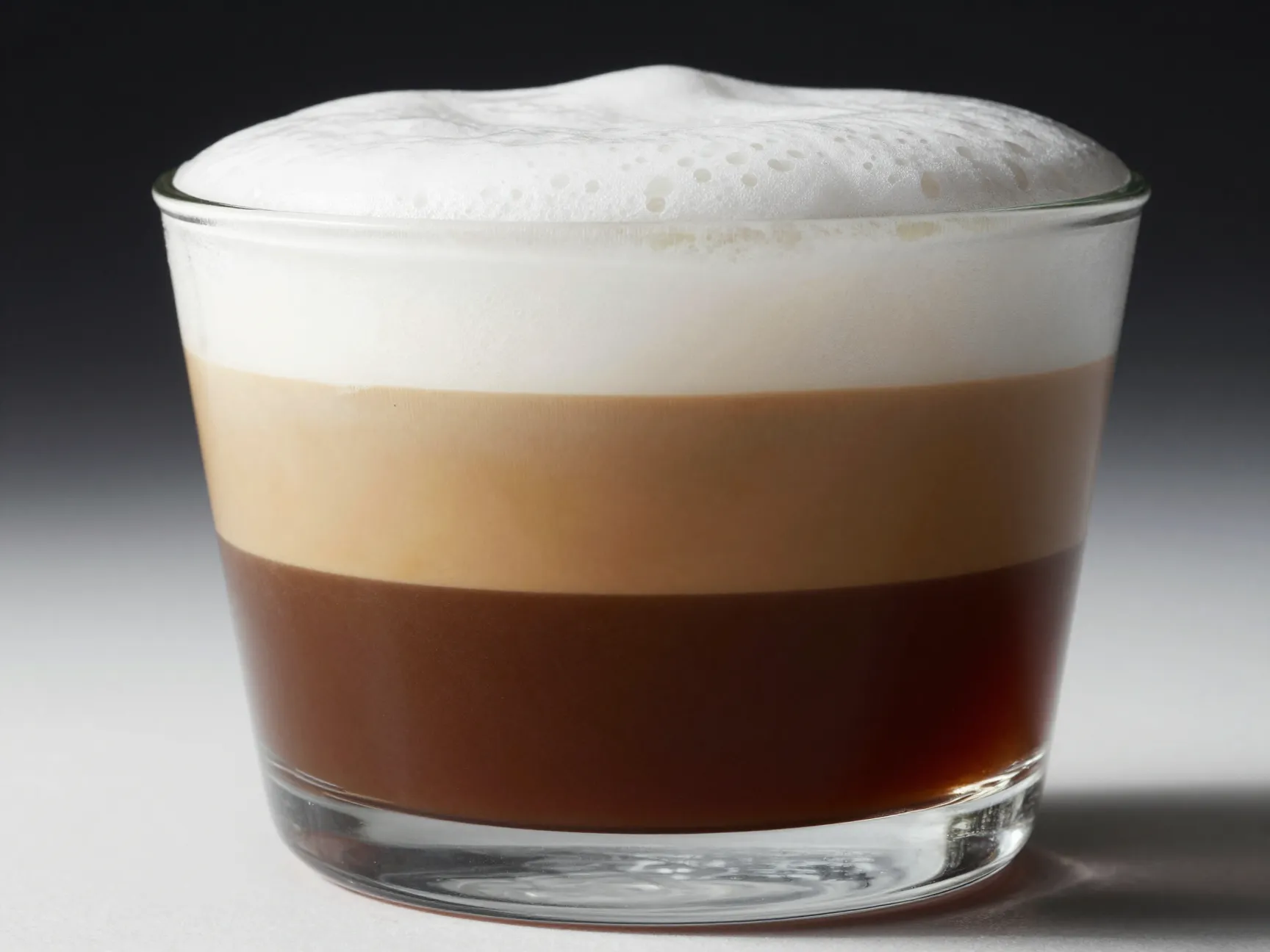
A cappuccino is a layered drink by design. When made correctly, you can see three distinct zones: espresso on the bottom, steamed milk in the middle, and thick foam on top. [2] Each sip passes through all three layers, creating a dynamic flavor experience that shifts slightly from the first sip to the last.
A latte is a blended drink. The espresso and steamed milk are combined together, creating a uniform, consistent flavor throughout the entire cup. [2] The thin microfoam layer on top is more decorative than structural.
This layering distinction also affects how the drinks look in the cup:
- Cappuccino: Visible layers, foam dome, rustic appearance 🏔️
- Latte: Smooth surface, latte art, uniform color ☁️
8. Customization Potential
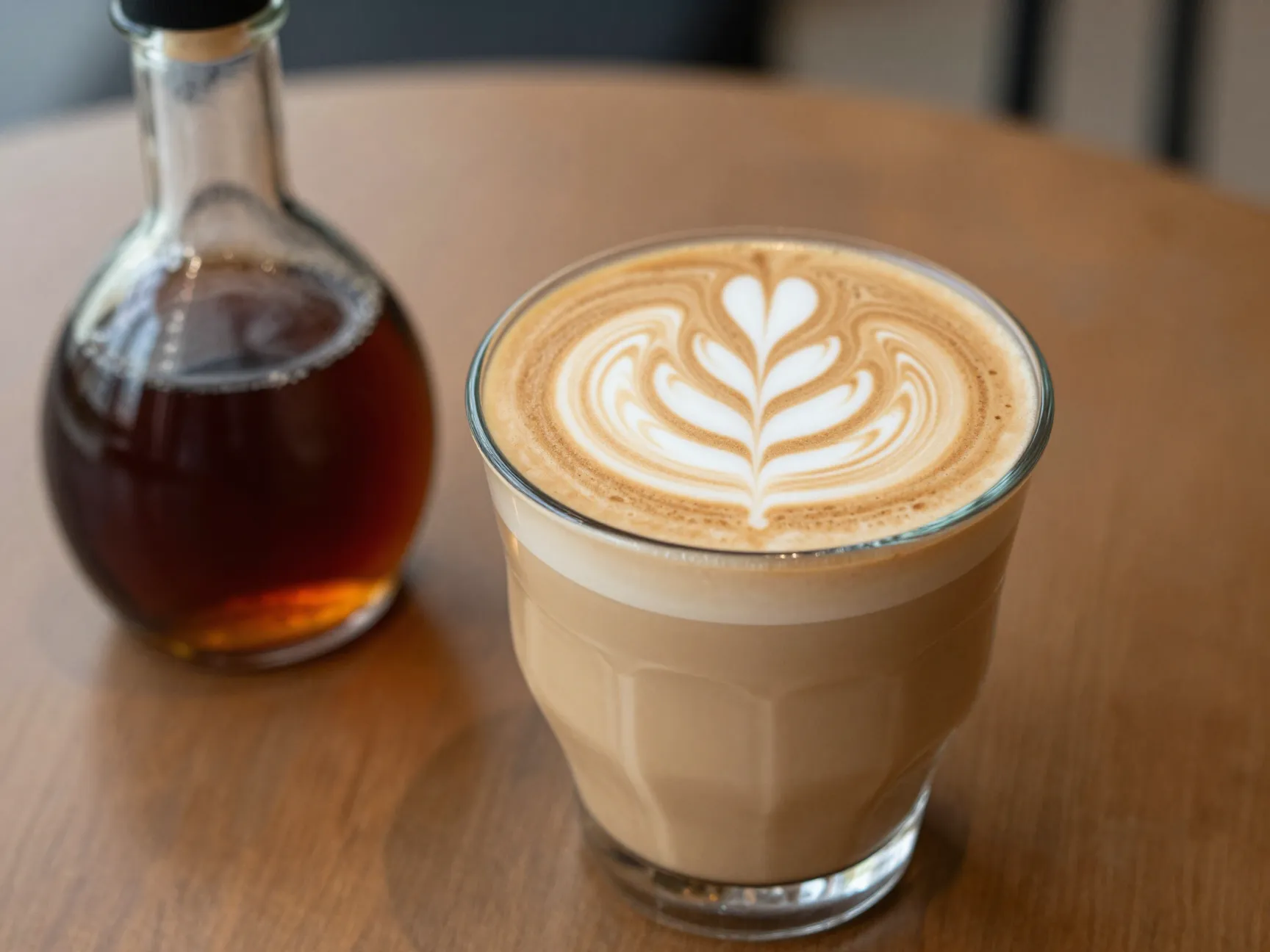
If you love flavored coffee drinks, the latte is your best friend.
Lattes are far better suited for customization than cappuccinos. Their higher milk volume, smoother texture, and larger serving size make them the ideal base for syrups, flavored powders, and alternative milks. [5] Vanilla lattes, oat milk lattes, caramel lattes, matcha lattes — the latte format is endlessly adaptable.
Cappuccinos can certainly be customized, but their smaller size and thick foam structure don’t absorb added flavors as smoothly. The bold espresso flavor also tends to overpower more delicate additions like floral syrups or light fruit flavors.
Best customization options for each drink:
☕ Latte
- Vanilla, caramel, hazelnut syrups
- Oat milk, almond milk, coconut milk
- Matcha, chai, or turmeric variations
- Iced versions with cold foam
☕ Cappuccino
- Cinnamon or cocoa powder dusting
- A drizzle of chocolate sauce
- Extra dry (more foam) or wet (more milk) adjustments
- Classic flavors like vanilla or caramel (in moderation)
Cafe Latte vs Cappuccino: 8 Distinctions for Your Next Coffee Order — A Quick Summary
Here’s a fast-reference comparison table covering all eight distinctions:
| Distinction | Cafe Latte | Cappuccino |
|---|---|---|
| 1. Milk-to-Espresso Ratio | ~180ml milk (2/3 of drink) | ~50ml milk (1/3 of drink) |
| 2. Foam Texture | Thin, silky microfoam (~¼ inch) | Thick, airy foam (1/3 of volume) |
| 3. Flavor Strength | Mild, smooth, mellow | Bold, intense, robust |
| 4. Caffeine Content | Equal (60–100mg per double shot) | Equal (60–100mg per double shot) |
| 5. Sweetness | Naturally sweeter | Less sweet, more bitter |
| 6. Serving Size | 12–16 oz | 5–6 oz (traditional) |
| 7. Layering | Mixed, uniform | Distinctly layered |
| 8. Customization | Highly customizable | Less flexible |
Which One Should You Order?
The honest answer: it depends entirely on what you want from your coffee.
Order a latte if you:
- Prefer a mild, smooth, creamy coffee experience
- Want a larger drink to sip over time
- Love flavored coffee or alternative milks
- Are newer to espresso drinks and want something approachable
- Enjoy latte art and the visual experience of coffee
Order a cappuccino if you:
- Want a bolder, more intense espresso flavor
- Prefer a smaller, more concentrated drink
- Love the contrast of thick foam with strong coffee
- Appreciate traditional Italian
- Want to taste the espresso itself, not just the milk
There’s no wrong answer here. Both drinks use the same espresso foundation — the difference is entirely in how you want that espresso delivered to your palate.
A Note on Variations You’ll Encounter in 2026
The coffee world in 2026 continues to evolve, and you’ll find creative spins on both drinks at specialty cafés worldwide. A few worth knowing:
- Flat White: Closer to a latte but smaller (6oz) with a higher espresso-to-milk ratio and velvety microfoam
- Dry Cappuccino: More foam, less milk — even bolder than a standard cappuccino
- Wet Cappuccino: More milk, less foam — closer to a small latte
- : Espresso over ice with cold milk — no foam at all
- Cortado: Equal parts espresso and warm milk, no foam — halfway between both drinks
Understanding the latte vs. cappuccino spectrum makes it much easier to navigate these variations and find exactly what suits your taste.
Conclusion
The debate of Cafe Latte vs Cappuccino: 8 Distinctions for Your Next Coffee Order ultimately comes down to one core question: how much do you want your espresso to shine?
Cappuccinos let the espresso lead — bold, layered, and intense in a small cup. Lattes let the milk take center stage — smooth, sweet, and endlessly customizable in a larger format. Both are made with the same core ingredients; it’s the ratios, textures, and proportions that create two completely different drinking experiences.
Your actionable next steps:
- Try both back-to-back at your next café visit. Order a cappuccino first (while your palate is fresh), then a latte. Notice the difference in foam, flavor, and sweetness.
- Ask your barista about their technique — a well-made cappuccino with proper “liquid marshmallow” foam is a revelation.
- Experiment with customization on your latte — try oat milk or a single pump of vanilla to see how the format adapts.
- Use the table above as your quick reference the next time you’re standing at a coffee counter feeling unsure.
The best is always the one you enjoy most. Now you have everything you need to make that choice with confidence. ☕
References
[1] Cappuccino Vs Latte Key Differences Explained – https://noirepack.com/blogs/at-the-cafe/cappuccino-vs-latte-key-differences-explained
[2] Cappuccino Vs Latte Whats The Difference – https://www.coffeebean.com/blogs/blog/cappuccino-vs-latte-whats-the-difference
[3] Cappuccino Vs Latte The Key Differences – https://www.wabilogic.com/blogs/did-brew-know/cappuccino-vs-latte-the-key-differences
[4] Latte Vs Cappuccino – https://www.nescafe.com/gb/coffee-culture/knowledge/latte-vs-cappuccino
[5] Difference Between A Latte Vs Cappuccino – https://commandcoffee.com/blogs/news/difference-between-a-latte-vs-cappuccino
[6] Cappuccino Vs Latte – https://ideascafe.com/blogs/news/cappuccino-vs-latte
[7] Cappuccino Vs Latte – https://coffeebros.com/blogs/coffee/cappuccino-vs-latte
[8] Cappuccino Vs Latte – https://www.masterclass.com/articles/cappuccino-vs-latte
[9] Caffe Latte Vs Cappuccino – https://drinkduel.com/compare/caffe-latte-vs-cappuccino/