9 Reasons Why Coffee Might Make You Bloated (And How to Stop It)
Over 400 billion cups of coffee are consumed worldwide every year — yet millions of those drinkers quietly suffer through uncomfortable bloating, gas, and stomach cramps after every sip. If you’ve ever pushed back from your morning cup wondering why your belly feels like a balloon, you’re not imagining it. Understanding the 9 reasons why coffee might make you bloated (and how to stop it) could genuinely change your daily routine.
Disclosure: This post contains affiliate links. As an Amazon Associate, we earn from qualifying purchases, and at no extra cost to you.

The good news? Coffee itself isn’t always the villain. Often, it’s how you drink it, what you add to it, and when you consume it that triggers digestive distress. In this article, I’ll break down each cause clearly and give you practical, science-backed fixes for every single one.
Key Takeaways 📌
- Coffee stimulates stomach acid and speeds up digestion, both of which can cause bloating in sensitive individuals
- Dairy, artificial sweeteners, and sugar added to coffee are common hidden culprits
- Caffeine raises cortisol levels, which can disrupt gut function and cause gastrointestinal discomfort
- Timing matters — bloating from coffee typically appears within 30 minutes to a couple of hours after drinking [2]
- Simple swaps — like switching to low-acid coffee, plant-based milk, or drinking water alongside your cup — can significantly reduce symptoms
The 9 Reasons Why Coffee Might Make You Bloated (And How to Stop It)
Let’s get into the detail. Each reason below comes with a clear explanation of why it happens and a concrete fix you can start using today.
1. Coffee Stimulates Excess Stomach Acid
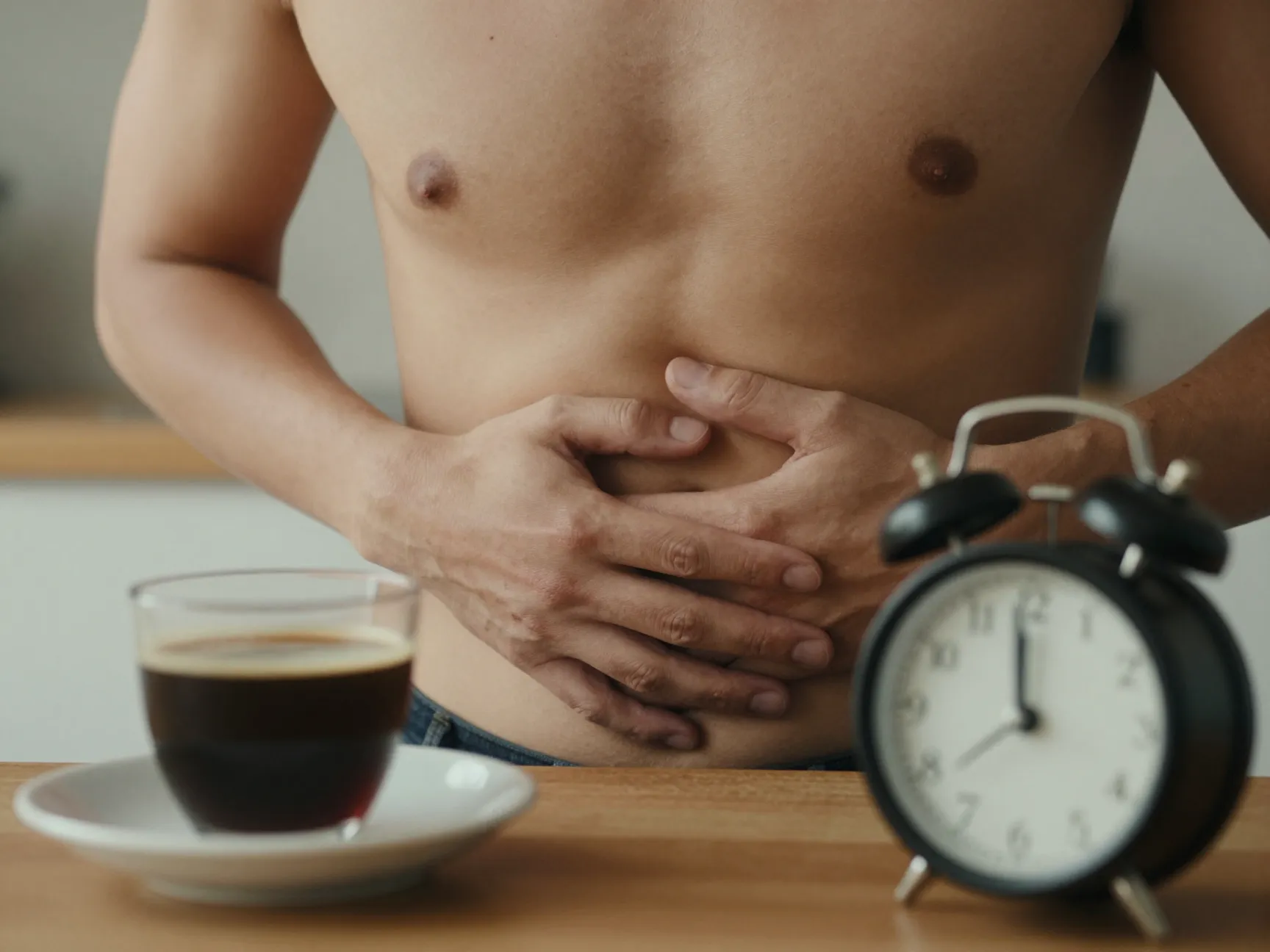
What’s happening: Coffee triggers the production of hydrochloric acid (HCl) in your stomach — even before food arrives [1]. When there’s more acid than your stomach needs, it can irritate the stomach lining, cause inflammation, and lead to that familiar tight, gassy feeling [2].
This effect is especially pronounced when you drink coffee on an empty stomach, giving the acid nothing to work on except your gut wall.
💡 “Coffee essentially puts your stomach into digestion mode without giving it anything to digest — and that mismatch causes irritation.”
How to stop it:
- Eat a small meal or snack before your first cup
- Choose a low-acid coffee variety ( tends to be significantly less acidic)
- Try dark roast beans, which are slightly lower in acid-producing compounds than light roasts
2. Coffee Speeds Up Your Digestion Too Fast
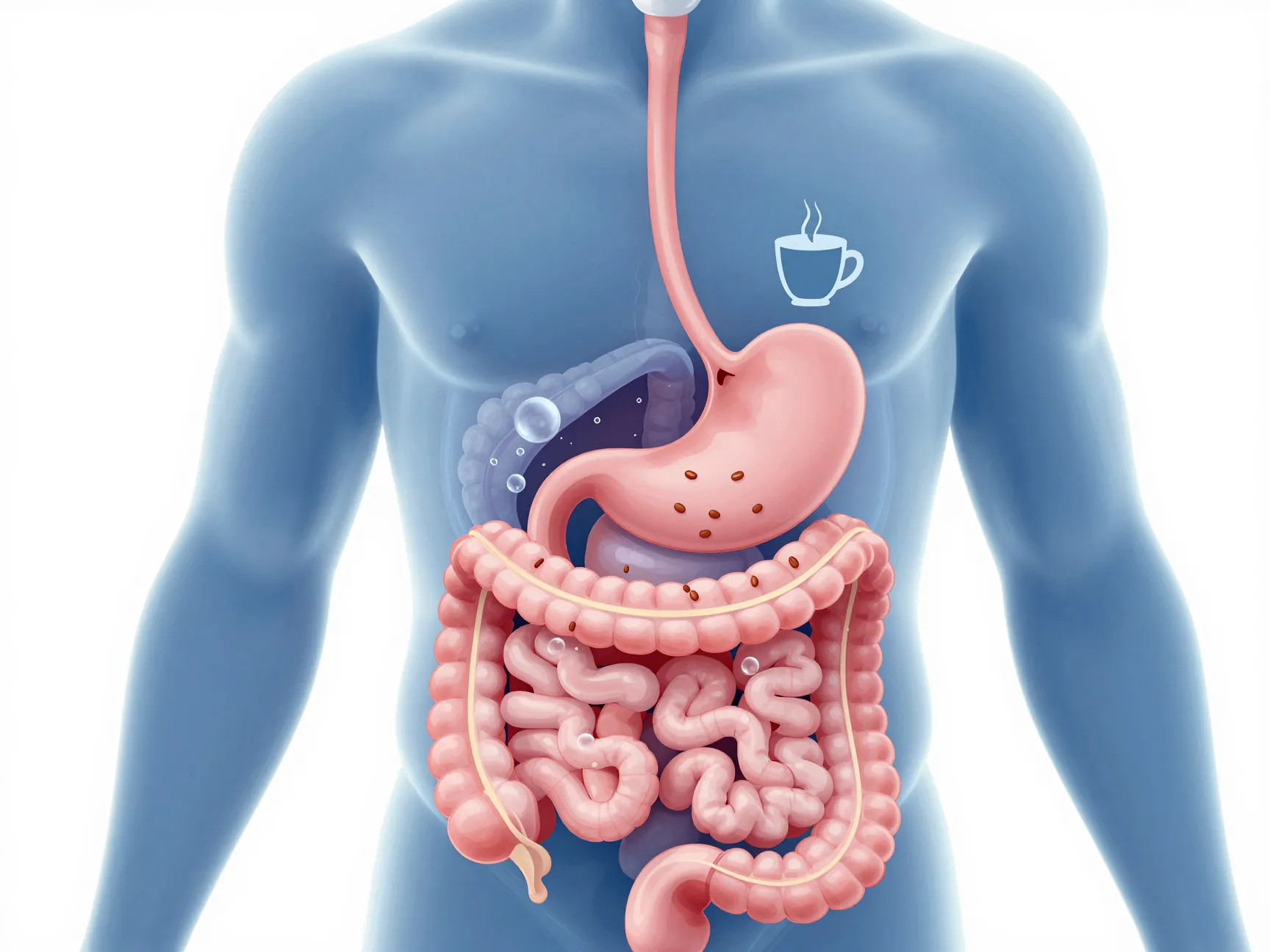
What’s happening: Caffeine is a natural stimulant that activates your digestive system and accelerates bowel movements [1]. While this sounds like a good thing, moving food through your gut too quickly means incomplete digestion. Undigested food particles that reach the large intestine are fermented by gut bacteria — and that fermentation produces gas and bloating [2].
This is why some people feel the urge to use the bathroom almost immediately after their .
How to stop it:
- Drink coffee slowly rather than gulping it down
- Pair your coffee with a fiber-rich, easily digestible meal to slow transit time
- Consider switching to half-caf blends if you’re particularly sensitive
3. Coffee Acts as a Mild Diuretic, Causing Dehydration

What’s happening: Caffeine has a mild diuretic effect, meaning it increases urine output and can lead to fluid loss [1]. When your body becomes even mildly dehydrated, your colon absorbs more water from your stool, slowing digestion and contributing to constipation — one of the leading causes of bloating [5].
| Effect | Result |
|---|---|
| Increased urination | Fluid loss |
| Reduced gut hydration | Slower digestion |
| Harder stools | Constipation and bloating |
How to stop it:
- Drink one glass of water for every cup of coffee you consume
- Aim to have water before your coffee, not just after
- Monitor your total daily fluid intake, especially if you drink multiple cups
4. Dairy Milk and Creamers Are a Hidden Trigger
What’s happening: Many people add full-fat cow’s milk, cream, or flavored creamers to their coffee without realizing these additions could be the real cause of their bloating. Lactose intolerance — the inability to properly digest lactose, the sugar in dairy — is more common than most people think. One 2017 study found that approximately 44% of Australians experience some degree of lactose intolerance [3].
When lactose isn’t fully digested in the small intestine, it passes to the large intestine where gut bacteria ferment it, producing gas, bloating, and cramping.
How to stop it:
- Switch to lactose-free milk or a plant-based alternative (oat milk, almond milk, or soy milk)
- Try your coffee black for a week to see if symptoms improve
- If you suspect lactose intolerance, speak with your doctor about a formal diagnosis
5. Sugar and Artificial Sweeteners Disrupt Your Gut

What’s happening: Adding sugar or artificial sweeteners to your coffee can quietly sabotage your [1]. Regular sugar in large amounts feeds certain gut bacteria, potentially causing imbalance and gas production. But artificial sweeteners like sorbitol, xylitol, and aspartame are often worse — they are poorly absorbed by the small intestine and are rapidly fermented in the colon, producing significant amounts of gas [2].
⚠️ Many “sugar-free” syrups used in coffee shops contain sugar alcohols that are well-known bloating triggers.
How to stop it:
- Reduce or eliminate added sugar from your coffee
- Avoid sugar-free syrups that contain sorbitol or xylitol
- If you need sweetness, try a small amount of pure maple syrup or a monk fruit sweetener, which tends to be better tolerated
6. Caffeine Raises Cortisol and Disrupts Gut Function
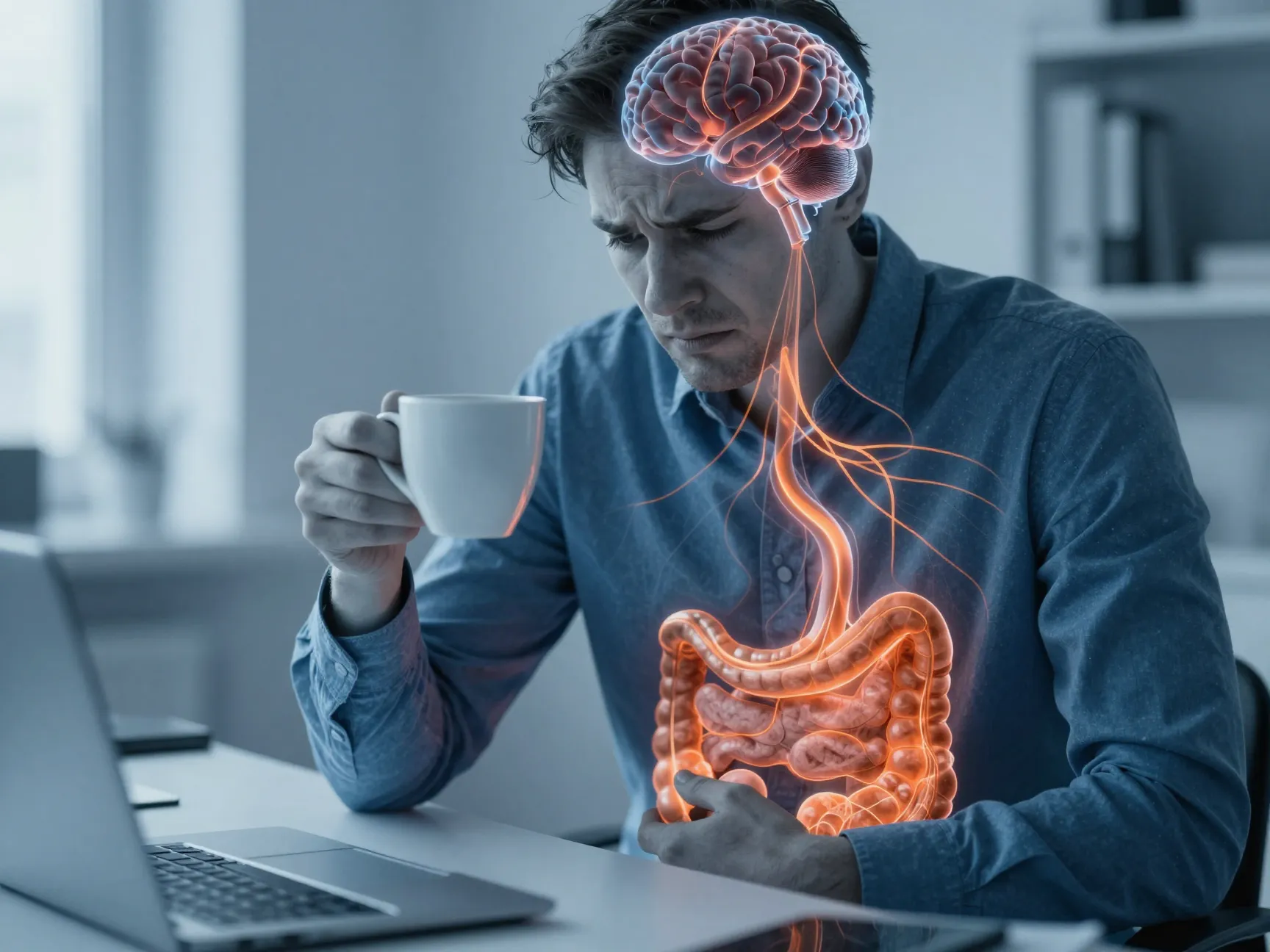
What’s happening: Caffeine doesn’t just wake up your brain — it also triggers the release of cortisol (the stress hormone) and adrenaline [3]. Research has established that elevated cortisol levels can cause gastrointestinal upset, affecting and increasing intestinal permeability [3]. This stress response can make your digestive system more reactive and prone to bloating.
Interestingly, the effects may differ between men and women, with some research suggesting hormonal interactions play a role in how cortisol affects the gut [3].
How to stop it:
- Avoid drinking coffee when you’re already stressed or anxious
- Don’t drink coffee first thing in the morning when cortisol levels are naturally at their peak (roughly 8–9 AM for most people)
- Try shifting your first cup to mid-morning, around 9:30–11:00 AM
7. Coffee’s High Acidity Irritates Sensitive Stomachs
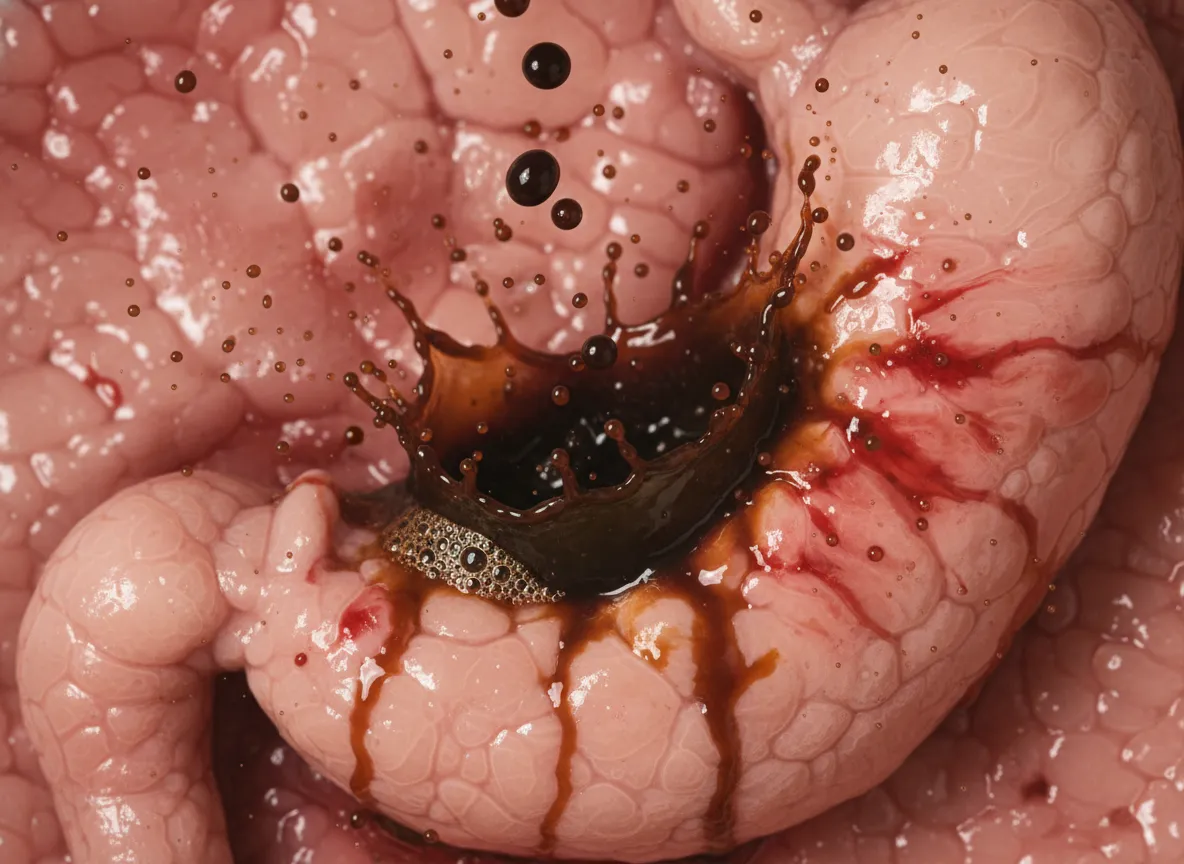
What’s happening: Black coffee has a pH of around 4.5 to 5, making it noticeably acidic. For people with pre-existing digestive conditions — such as IBS (irritable bowel syndrome), acid reflux, or gastritis — this acidity can directly irritate the lining of the stomach and small intestine, leading to gas, cramping, and bloating [1][2].
Even people without diagnosed conditions can experience sensitivity if they drink large quantities or drink on an empty stomach.
Acidity comparison of common beverages:
| Beverage | Approximate pH |
|---|---|
| Black coffee | 4.5–5.0 |
| Cold | 5.0–6.0 |
| Orange juice | 3.5–4.0 |
| Water | 7.0 (neutral) |
How to stop it:
- Switch to cold brew, which is up to 67% less acidic than hot-brewed coffee
- Add a pinch of baking soda to your before brewing (it neutralizes acidity)
- Look for coffee brands that are specifically marketed as “low-acid”
8. Drinking Coffee After High-FODMAP Foods Amplifies Bloating

What’s happening: FODMAPs are a group of fermentable carbohydrates found in foods like beans, garlic, onions, apples, and wheat. They are already known to cause bloating and gas in sensitive individuals. When you drink coffee shortly after eating high-FODMAP foods, the combined digestive stress can amplify bloating significantly [2].
Coffee speeds up gut motility, pushing partially digested high-FODMAP food through your system faster, which increases fermentation and gas production in the colon.
Common high-FODMAP foods to watch:
- Garlic and onions
- Legumes (chickpeas, lentils, beans)
- Wheat bread and pasta
- Apples and pears
- Dairy products (also a FODMAP source)
How to stop it:
- Be mindful of what you eat before your coffee
- If you follow a low-FODMAP diet, keep a food and symptom diary to identify patterns
- Wait at least 60–90 minutes after a high-FODMAP meal before drinking coffee
9. Even Decaf Coffee Can Cause Bloating

What’s happening: Many people switch to decaffeinated coffee hoping to eliminate bloating — and are surprised when symptoms persist. The reason? Decaf still contains small amounts of caffeine and continues to stimulate gastric acid secretion, though less severely than regular coffee [4]. The other compounds in coffee — including chlorogenic acids and other bioactive chemicals — are largely retained in decaf and can still irritate the gut lining.
📊 A 2015 study found that participants reported an average bloating score of just 1 out of 10 after coffee consumption, suggesting individual sensitivity varies widely — but for those who do react, even decaf isn’t always a safe haven [4].
How to stop it:
- If you’ve switched to decaf and still experience bloating, try a as a coffee alternative for a few days
- Look for decaf varieties processed using the Swiss Water Process, which removes more chemical residues
- Consider whether other factors (dairy, sweeteners, timing) might still be contributing even with decaf
A Surprising Twist: Coffee Can Also Reduce Bloating 🔄
Here’s something counterintuitive worth knowing. For regular coffee drinkers who consume moderate amounts, caffeine can actually stimulate digestion and promote healthy bowel movements — potentially reducing bloating rather than causing it [1]. The key word is moderate.
If your gut has adapted to regular coffee consumption and you don’t overdo it, the digestive-stimulating effects can work in your favor. The problems tend to arise when:
- You drink too much (more than 3–4 cups per day)
- You add problematic ingredients (dairy, artificial sweeteners)
- You drink it on an empty stomach
- You’re already stressed or have a sensitive gut
How to Know If Coffee Is Causing Your Bloating
Not everyone reacts to coffee the same way. Individual caffeine sensitivity varies significantly, and some people can drink multiple cups daily with zero digestive issues [4]. Here’s a simple method to identify whether coffee is your trigger:
The Elimination Test:
- Remove coffee completely for 7–10 days
- Track your bloating symptoms daily (use a 1–10 scale)
- Reintroduce coffee on day 11 and monitor symptoms for 30 minutes to 2 hours after drinking [2]
- If bloating returns, coffee (or something in it) is likely a trigger
- Then reintroduce variables one at a time (dairy, sweeteners, timing) to isolate the exact cause
Quick Reference: All 9 Reasons and Their Fixes
| # | Reason | Quick Fix |
|---|---|---|
| 1 | Excess stomach acid | Eat before coffee; choose low-acid or cold brew |
| 2 | Too-fast digestion | Drink slowly; pair with food |
| 3 | Dehydration/constipation | Drink water alongside coffee |
| 4 | Dairy additives | Switch to plant-based milk |
| 5 | Sugar/artificial sweeteners | Eliminate sweeteners or use monk fruit |
| 6 | Cortisol spike | Delay first cup to mid-morning |
| 7 | High acidity | Use cold brew or add baking soda |
| 8 | High-FODMAP food pairing | Wait 60–90 min after FODMAP meals |
| 9 | Decaf still irritates | Try ; check Swiss Water Process decaf |
Conclusion: Take Back Control of Your Coffee Habit
Understanding the 9 reasons why coffee might make you bloated (and how to stop it) puts you firmly in the driver’s seat. Bloating after coffee is common, but it’s rarely inevitable. In most cases, a few targeted adjustments — switching your milk, timing your cup better, or simply drinking more water — can make a dramatic difference.
Your actionable next steps for 2026:
- ✅ Start the 7-day elimination test to confirm whether coffee is your trigger
- ✅ Swap dairy milk for oat milk or almond milk in your next cup
- ✅ Try cold brew if regular consistently causes discomfort
- ✅ Move your first coffee to mid-morning to avoid the cortisol peak
- ✅ Track your symptoms in a simple food diary app for two weeks
You don’t have to choose between your love of coffee and a comfortable stomach. With the right adjustments, most people can continue enjoying their daily cup without the bloat.
References
[1] Can Coffee Cause Bloating – https://thehappypear.ie/articles/can-coffee-cause-bloating/
[2] Does Coffee Cause Bloating – https://www.bonescoffee.com/a/blog/does-coffee-cause-bloating
[3] Can Coffee Cause Bloating – https://kinfertility.com.au/blog/can-coffee-cause-bloating
[4] Does Coffee Cause Bloating – https://www.medicalnewstoday.com/articles/does-coffee-cause-bloating
[5] Does Coffee Make You Feel Bloated – https://siemedical.com/does-coffee-make-you-feel-bloated/