9 Authentic Italian Drinks Coffee Lovers Need to Try
Italy produces just 2% of the world’s coffee beans — yet it gave the world the espresso machine, the cappuccino, and a coffee culture so precise that UNESCO recognized it as an Intangible Cultural Heritage in 2022. That gap between production and influence tells you everything about what Italy actually does with coffee: it transforms it.
Disclosure: This post contains affiliate links. As an Amazon Associate, we earn from qualifying purchases, and at no extra cost to you.
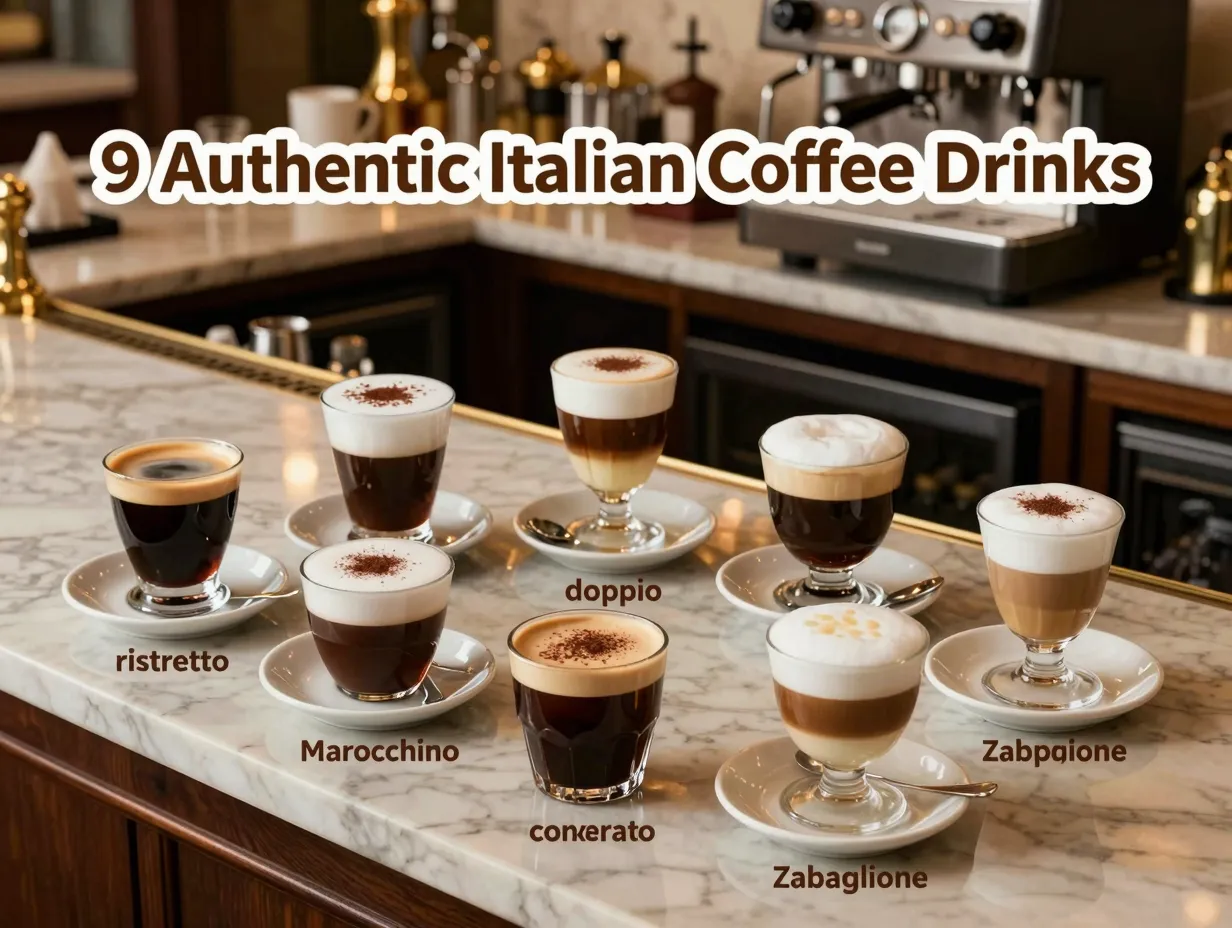
If you’ve only ever ordered a cappuccino at your local café, you’ve barely scratched the surface. The 9 authentic Italian drinks coffee lovers need to try range from a razor-sharp ristretto to a custard-laced regional specialty from Bologna — and each one reveals a different dimension of Italy’s coffee obsession. This guide walks you through every one of them, with tasting notes, cultural context, and practical tips so you know exactly what to order on your next visit.
Key Takeaways
- 🇮🇹 Italian coffee culture is built around ritual and precision — the drink you order signals the time of day and your level of coffee sophistication.
- ☕ Beyond espresso and cappuccino, Italy offers at least seven other distinct , each with its own flavor profile and tradition.
- 🍫 Some Italian coffees double as dessert drinks — the Marocchino and Caffè con Panna are perfect examples.
- 🌿 Caffè Ginseng and Caffè Hag offer caffeine-free or reduced-caffeine alternatives without sacrificing Italian coffee flavor.
- 📍 A few drinks, like Caffè allo Zabaglione, are regional specialties you’ll only find in specific Italian cities.
What Makes Italian Coffee Culture Unique?
Before diving into the 9 authentic Italian drinks coffee lovers need to try, it helps to understand the rules of the game. In Italy, coffee is not a beverage — it’s a social contract.
Italians drink espresso standing at the bar, not sitting at a table with a laptop. Ordering a cappuccino after 11 a.m. marks you as a tourist immediately. Milk-heavy drinks are breakfast drinks; strong, short shots are for after lunch and dinner. These aren’t arbitrary rules — they reflect centuries of culinary logic about digestion, flavor, and social rhythm.
“In Italy, the bar is the of the street. Coffee is just the excuse to be there.”
Understanding this context makes each drink on this list richer. You’re not just tasting coffee — you’re participating in a way of life.
The Italian Coffee Ratio System
Italian coffee drinks are largely defined by their coffee-to-water ratios. Here’s a quick reference:
| Drink | Ratio (Coffee:Water) | Volume | Intensity |
|---|---|---|---|
| Ristretto | 1:1 | ~15ml | 🔥🔥🔥🔥🔥 |
| Espresso | 1:2 | ~30ml | 🔥🔥🔥🔥 |
| Doppio | 1:2 (double) | ~60ml | 🔥🔥🔥🔥 |
| Lungo | 1:4 | ~60ml | 🔥🔥🔥 |
| Cappuccino | Espresso + milk | ~150ml | 🔥🔥🔥 |
The 9 Authentic Italian Drinks Coffee Lovers Need to Try
Here are all nine drinks, ranked from most concentrated to most elaborate, with everything you need to know about each one.
1. Caffè Ristretto (Caffè Corto)
Best for: Espresso lovers who want more flavor, less bitterness
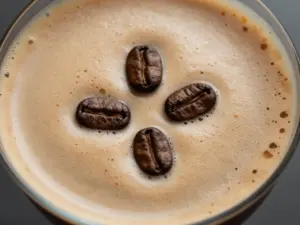
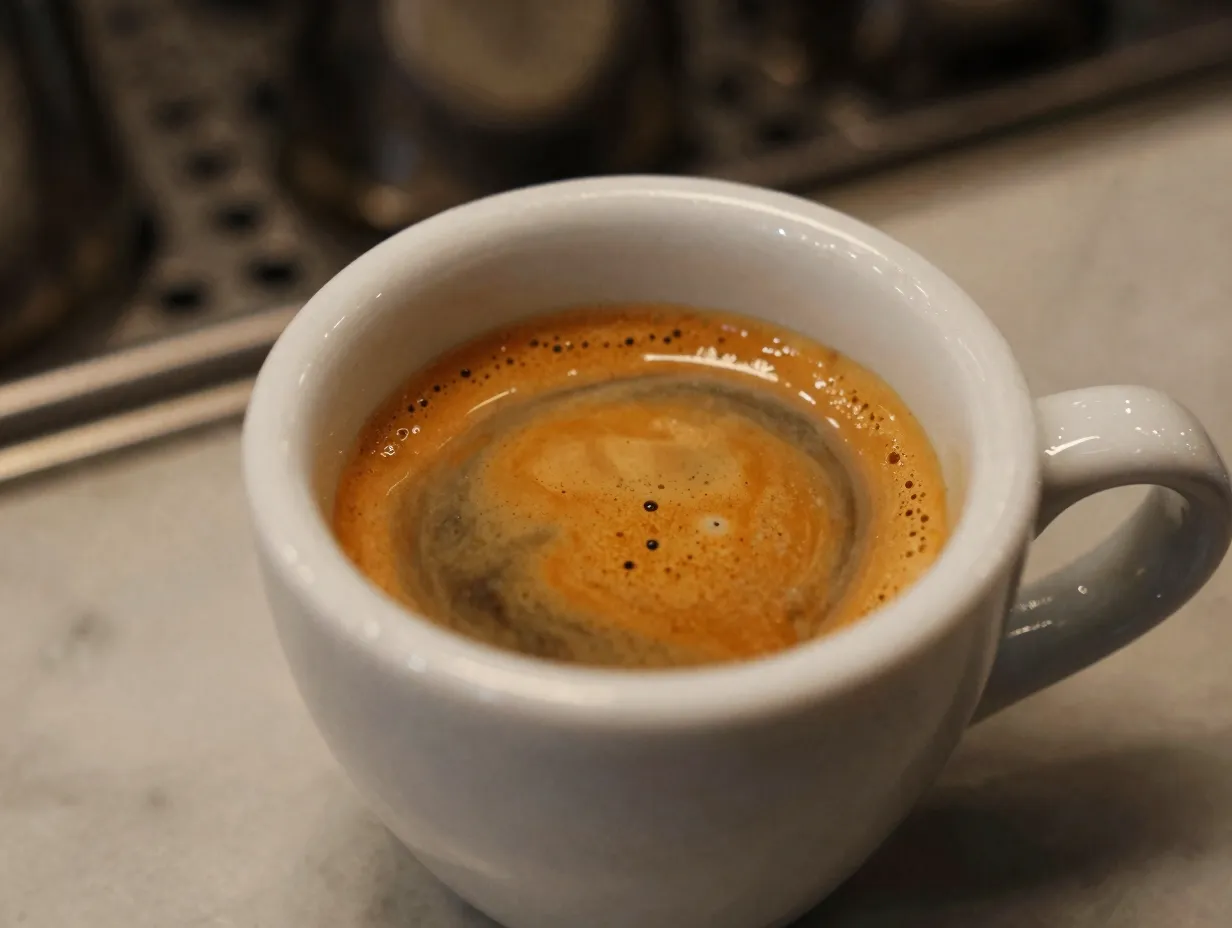
The ristretto is the most intense coffee experience in Italy — and arguably in the world. Using a 1:1 ratio of coffee to water, it produces roughly half the volume of a standard . The result is a drink that is paradoxically sweeter and more concentrated than regular espresso, because the shorter extraction time pulls fewer bitter compounds from the grounds [1].
Think of it as espresso with the volume turned down and the flavor turned up. The crema is thick, the aroma is bold, and the finish lingers.
How to order it: Walk up to the bar and say “Un ristretto, per favore.” Drink it in two or three sips. Do not add sugar — it doesn’t need it.
Pro tip: 🏆 If you find standard espresso too bitter, ristretto is your answer. The shorter extraction time means less bitterness, not more.
2. Espresso (Caffè)
Best for: Everyone — this is the foundation of Italian coffee
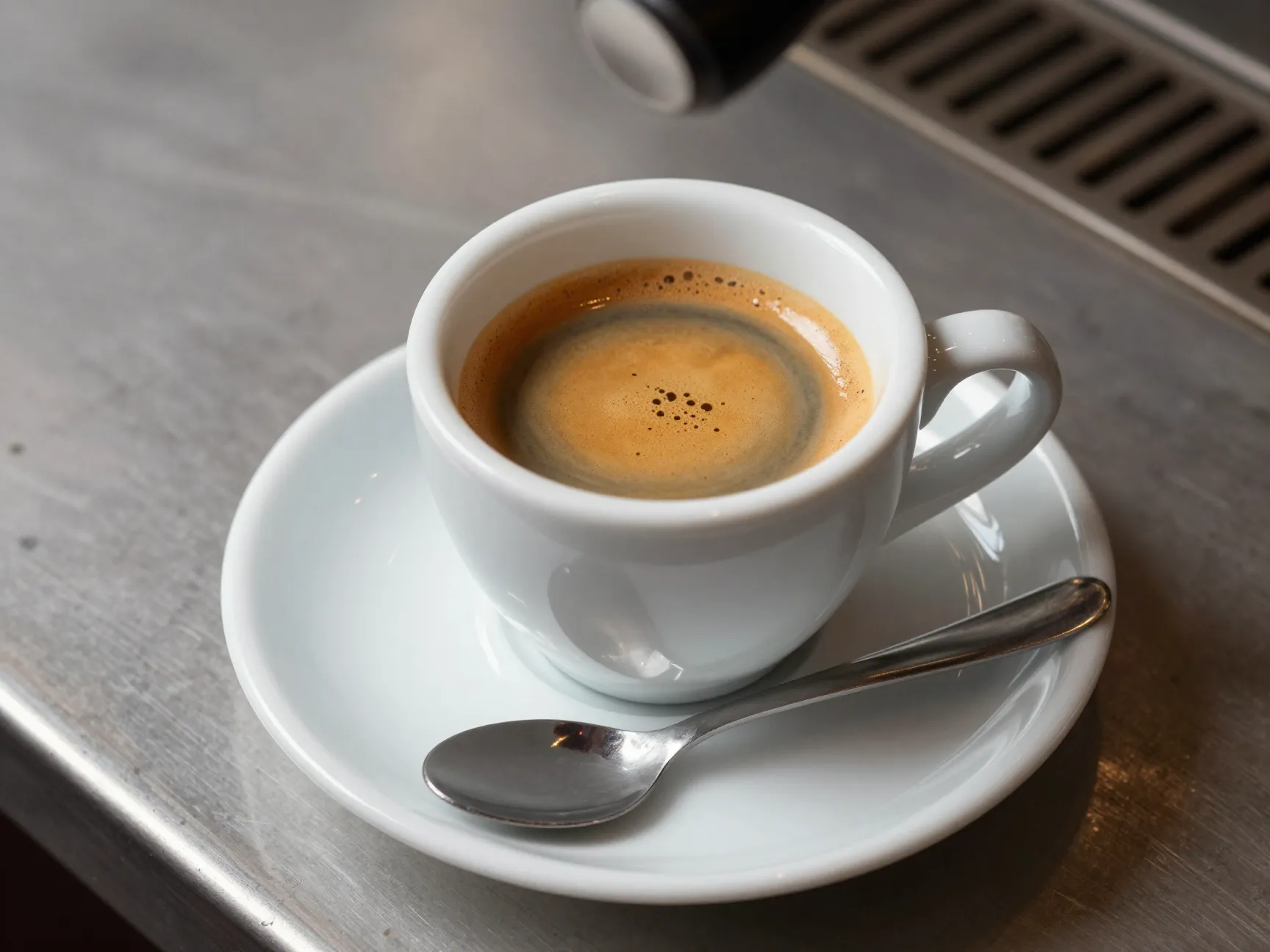
In Italy, you don’t order an “espresso.” You order “un caffè.” The word espresso is implied. This single shot — brewed at high pressure through finely ground coffee — is the backbone of every other drink on this list [2].
A proper Italian espresso has:
- A golden-brown crema on top
- A volume of about 25–30ml
- A brewing time of 25–30 seconds
- A balance of sweet, bitter, and acidic notes
It’s worth ordering a plain espresso first in any new Italian city. Regional roast profiles vary significantly — Naples tends toward darker, more bitter roasts; Milan leans lighter and more aromatic.
3. Doppio Espresso
Best for: High-caffeine seekers and those transitioning from American-style coffee
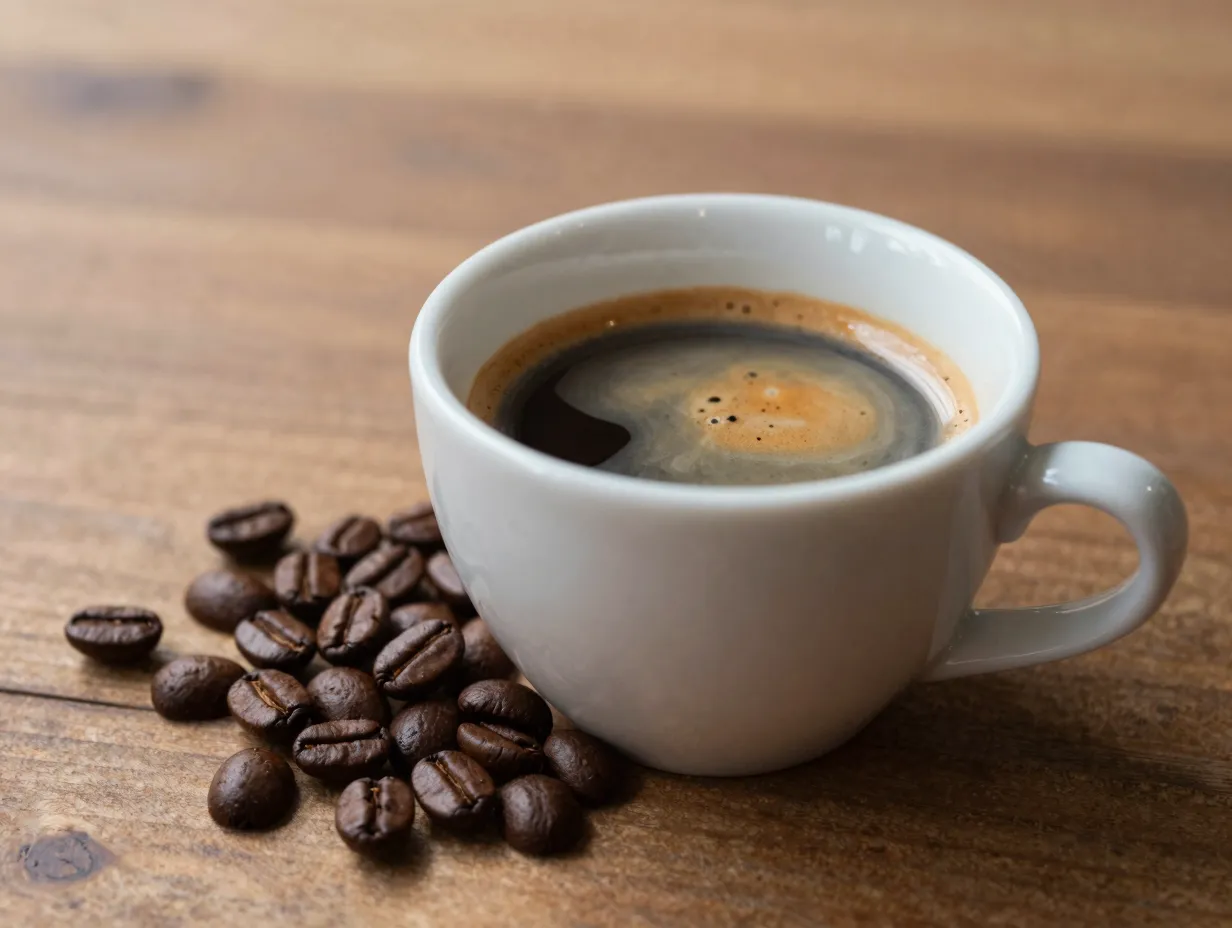
The doppio is simply a double shot of espresso, using the same 1:2 coffee-to-water ratio but twice the coffee. It measures approximately 2 fluid ounces (60ml) and delivers twice the caffeine of a single shot [1].
This is the drink that most closely resembles what North American shops serve as their standard espresso. In Italy, it’s less common than the single shot — Italians prefer frequency over volume, stopping at the bar two or three times a day rather than drinking one large coffee.
When to order it: After a long overnight flight into Rome. You’ll need it.
4. Caffè Lungo
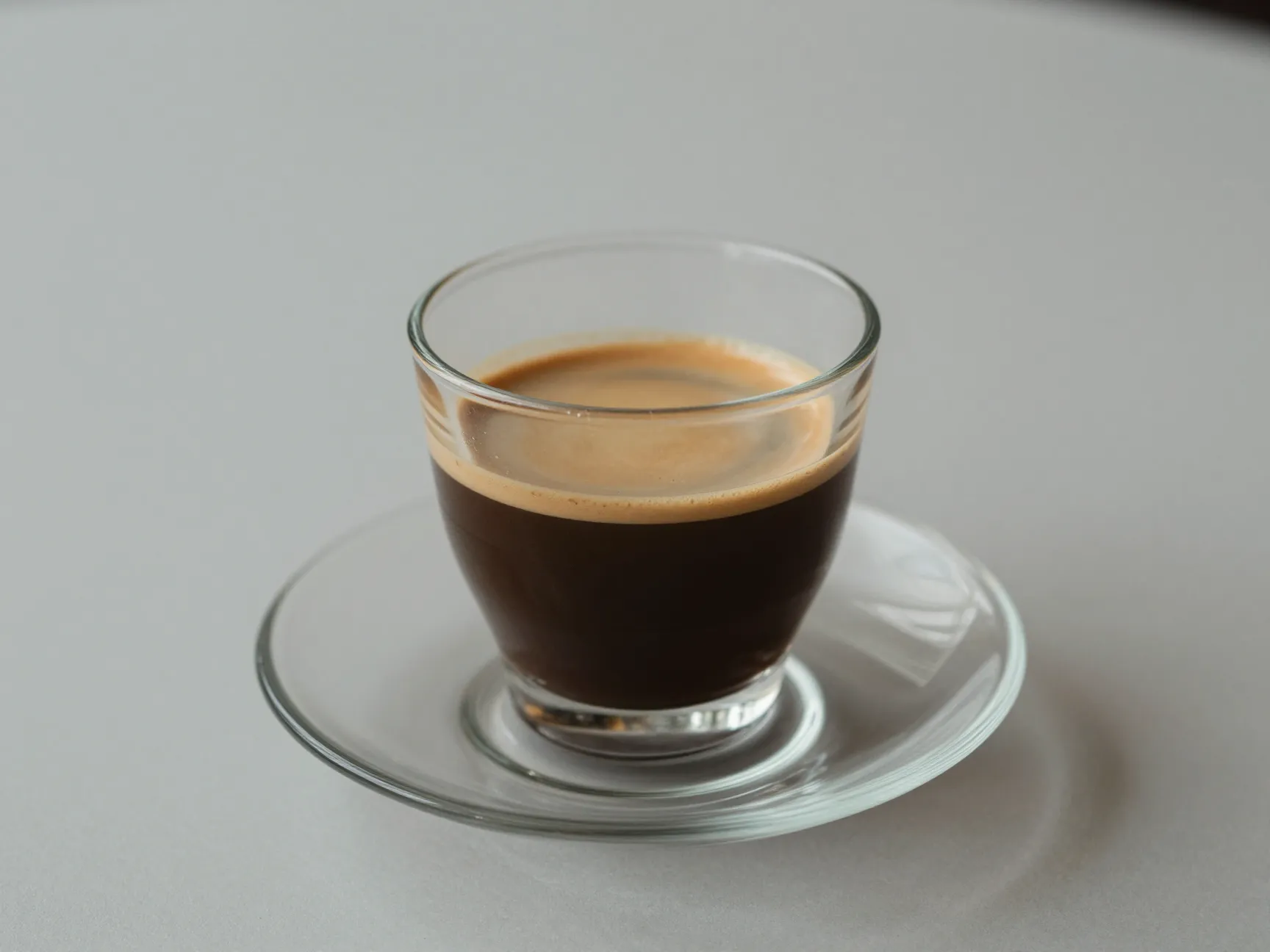
Best for: Those who want to sip slowly without overdoing caffeine
Where the ristretto cuts the extraction short, the lungo extends it. Using a 1:4 ratio of coffee to water, the lungo pulls more liquid through the grounds over a longer time, producing a drink that is more diluted and slightly more bitter than standard espresso [1].
The lungo is a good choice if you:
- Prefer a larger volume in your cup
- Want to sit and sip rather than drink in one go
- Find espresso too intense but don’t want milk
⚠️ Common mistake: Many tourists confuse lungo with Americano. They are not the same. An Americano adds hot water after brewing. A lungo extracts more water through the grounds — a fundamentally different process that produces a different flavor.
5. Cappuccino
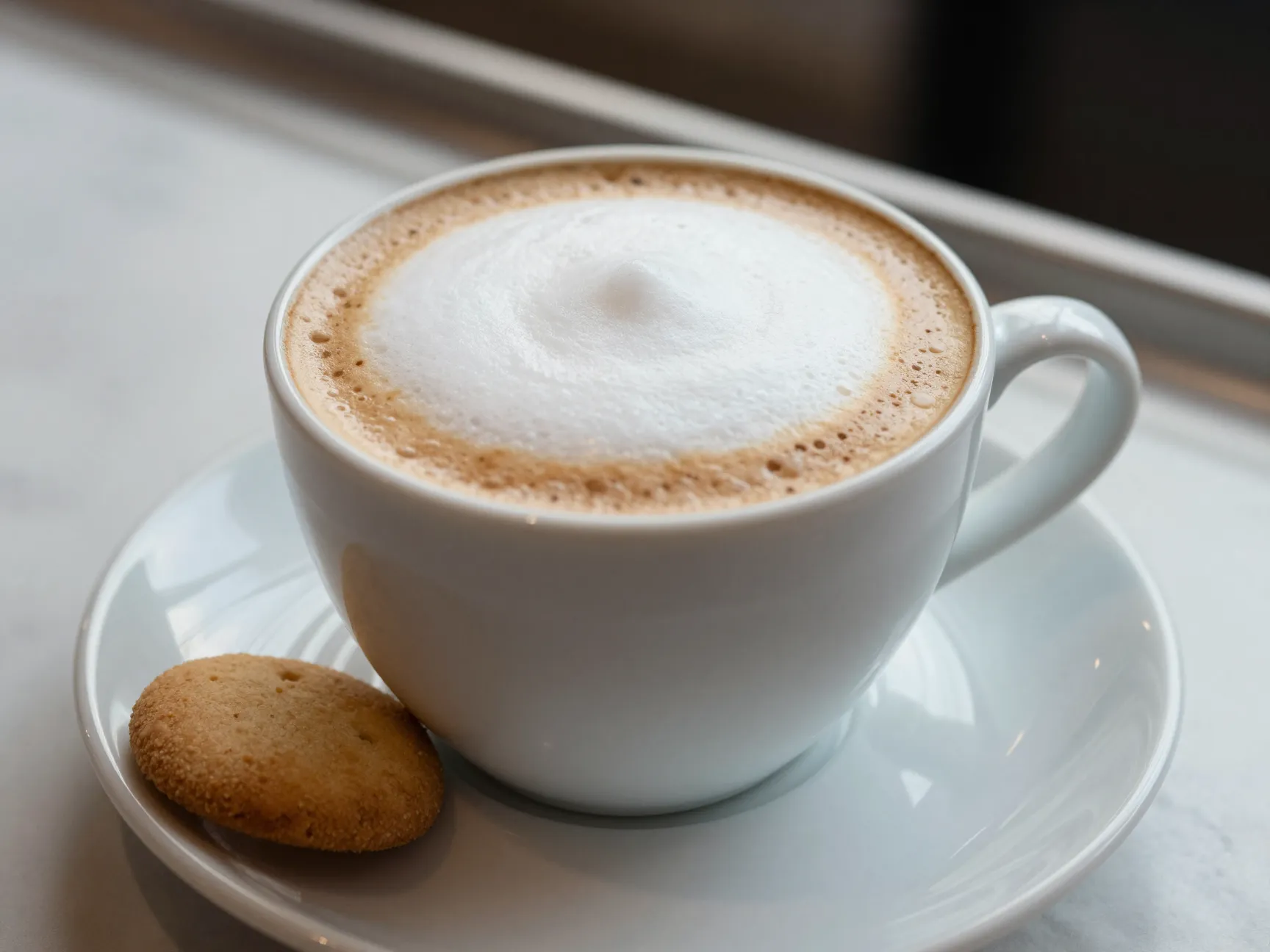
Best for: Breakfast, mid-morning, and anyone who loves balanced milk and espresso
The cappuccino is the most recognized Italian coffee drink worldwide, and for good reason — it is a masterpiece of proportion. Equal parts espresso, steamed milk, and frothed milk combine in a ceramic cup to create something that is simultaneously bold and creamy [1][2].
In Italy, cappuccino is a morning drink. Full stop. Ordering one after 11 a.m. — especially after a meal — will earn you a polite but unmistakable look of concern from your barista. Italians believe that milk interferes with digestion after eating, so cappuccino belongs to the first half of the day.
What makes Italian cappuccino different from café versions abroad:
- Smaller volume (typically 150ml, not 350ml)
- Drier foam — more air, less liquid
- No flavored syrups
- Almost always served with a small biscuit or sugar on the side
“A cappuccino in Milan at 8 a.m. beside a warm cornetto is one of the great breakfast experiences on earth.”
6. Marocchino
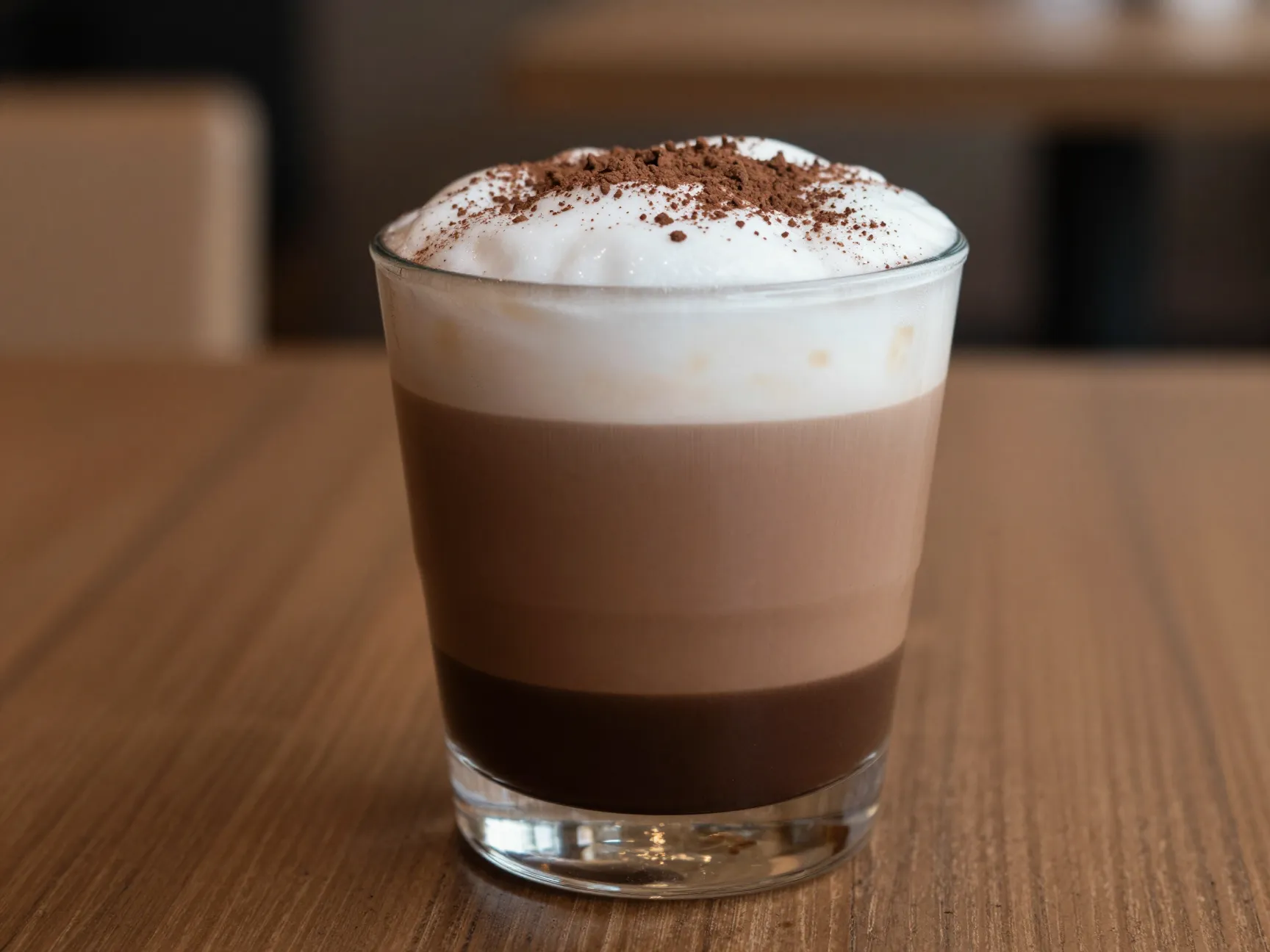
Best for: Chocolate lovers who also love coffee ☕🍫
The Marocchino is where cappuccino meets . This layered dessert-style coffee drink features:
- A shot of espresso at the base
- A layer of hot chocolate or cocoa powder
- Frothed milk on top
- A dusting of cocoa to finish
The result is a drink with strong cocoa notes and a chocolaty foam that makes it feel more like a treat than a morning ritual [2]. The name “Marocchino” means “little Moroccan” in Italian — a nod to the drink’s warm, spiced color.
It’s typically served in a small glass so you can see the layers, making it as visually appealing as it is delicious. If you have a sweet tooth and want something more indulgent than a standard cappuccino, this is your drink.
7. Caffè con Panna
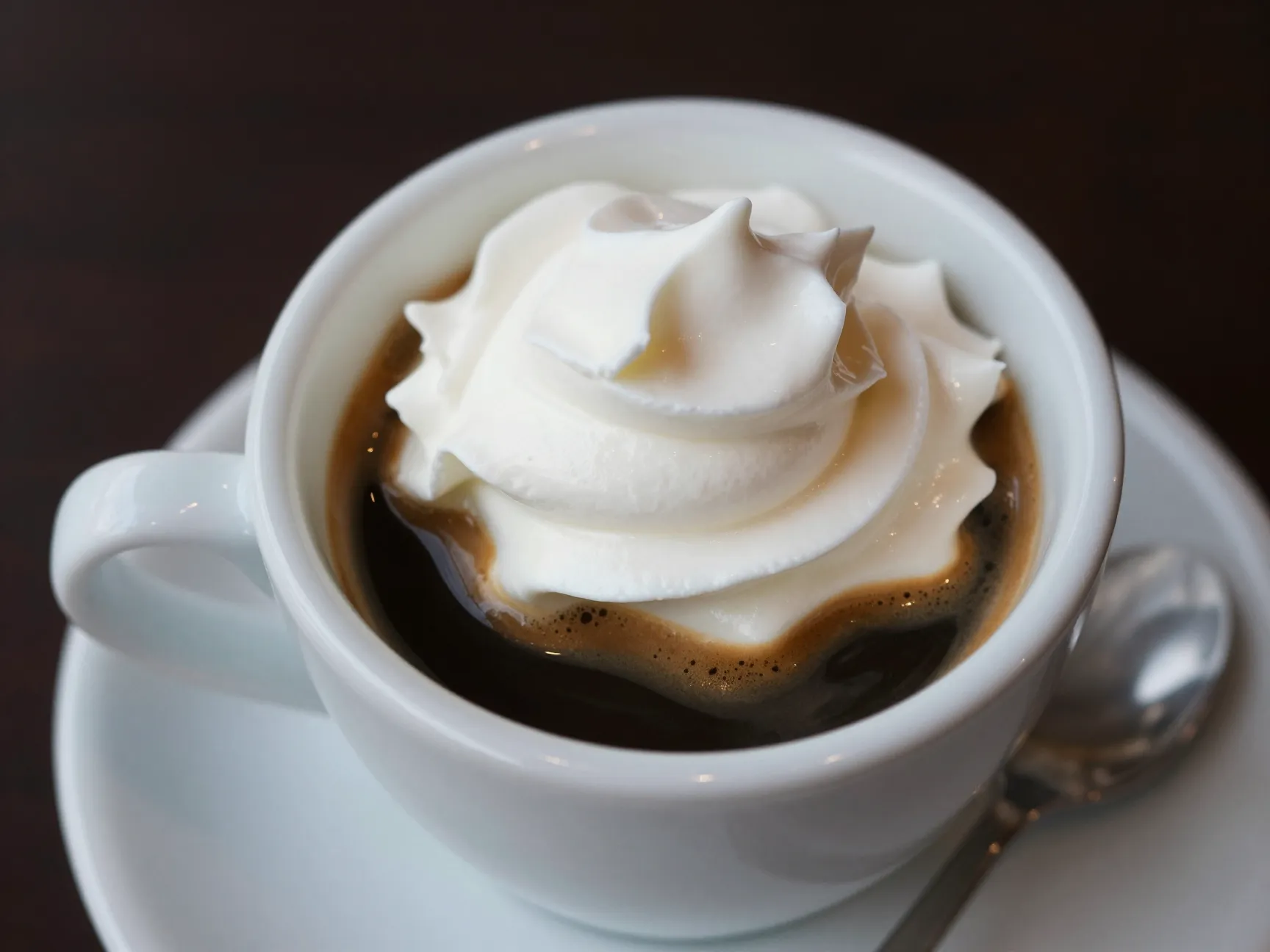
Best for: Sweet coffee drinkers who want a simple indulgence
Caffè con Panna translates literally to “coffee with cream” — and that’s exactly what it is. A single shot of espresso topped with a generous dollop of freshly whipped cream [3].
It sounds simple because it is. The magic is in the contrast: the bitter intensity of the espresso cuts through the rich sweetness of the cream, creating a balance that feels luxurious without being overwhelming.
Key facts:
- Served in a small espresso cup
- The cream is always panna montata — whipped, not poured
- No sugar needed — the cream provides all the sweetness
- Best enjoyed slowly, letting the cream melt into the espresso
This is a drink that rewards patience. Don’t stir it immediately — let the cream sit on top for a moment and sip through it.
8. Caffè Shakerato
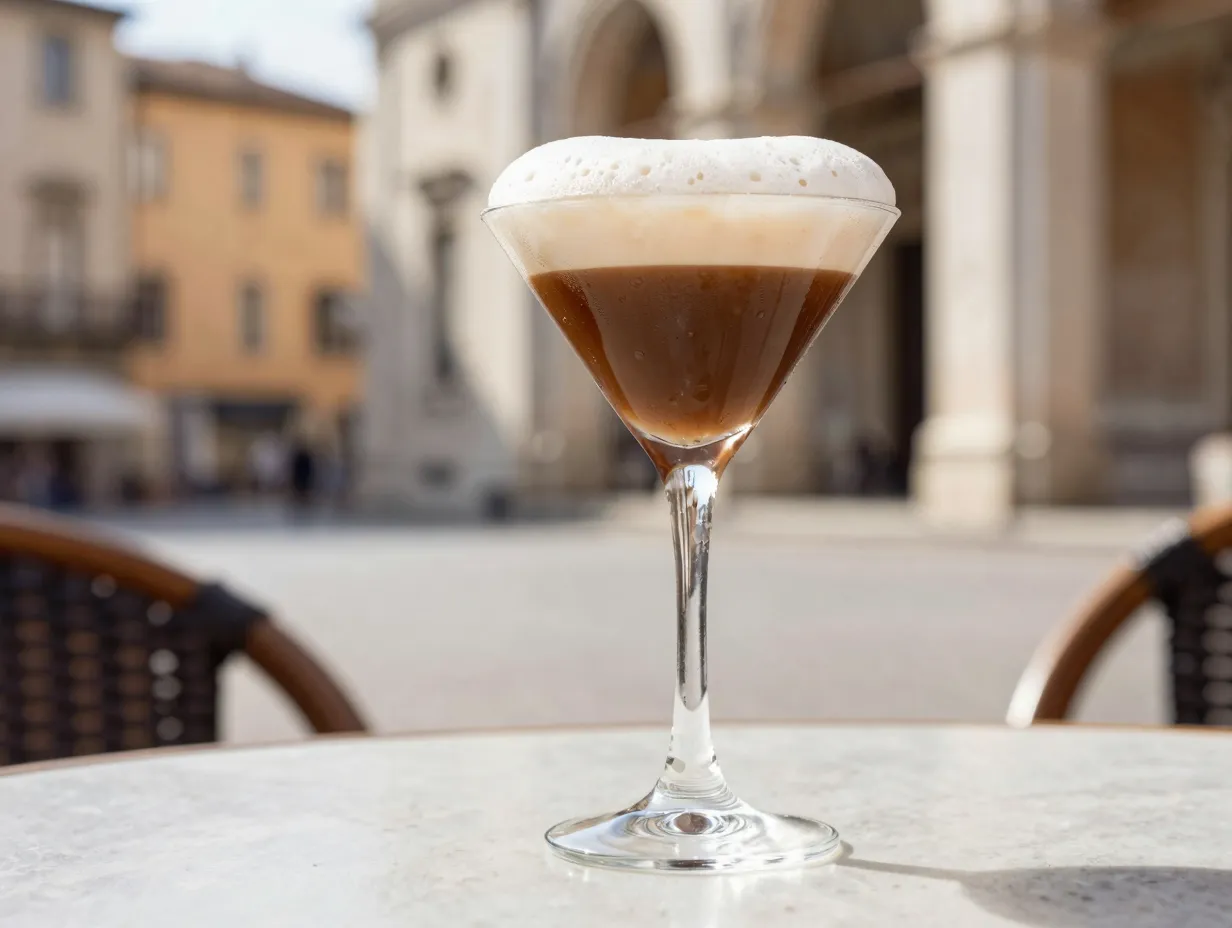
Best for: Hot summer days in Italian cities 🧊
The Caffè Shakerato is Italy’s answer to — and it’s nothing like what you’ll find at a drive-through. A shot of hot espresso is poured into a with ice and sugar, then shaken vigorously until cold and frothy. It’s strained into a martini-style glass, creating a drink with a beautiful foam head and a silky, chilled texture [3].
Some versions include a splash of Amaro Averna liqueur, turning it into an elegant afternoon cocktail [3]. Either way, it’s a sophisticated, refreshing alternative to the watered-down iced coffees common in other countries.
Why it works: Shaking the espresso with ice aerates it and creates a natural foam without any milk. The result is light, cold, and intensely flavored all at once.
When to order it: June through September, between 2 and 5 p.m., ideally near a piazza.
9. Caffè allo Zabaglione
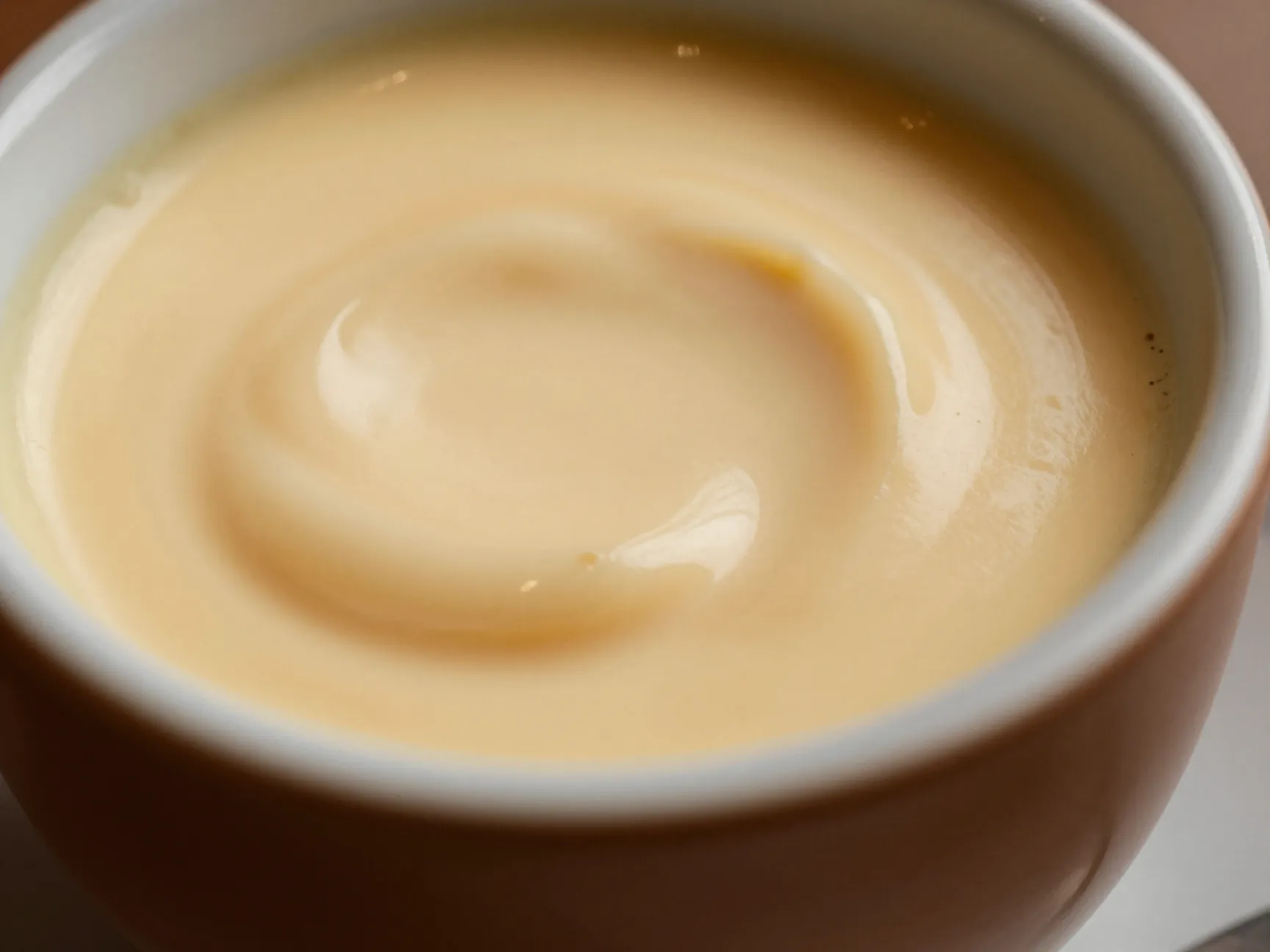
Best for: Adventurous coffee drinkers who want something truly unique 🥚
This is the most unusual entry in our list of 9 authentic Italian drinks coffee lovers need to try — and possibly the most rewarding. Caffè allo Zabaglione is a regional specialty from Bologna that combines espresso with zabaglione: a traditional Italian custard made from egg yolks, sugar, and Marsala wine [3].
The result is a drink that blurs the line between coffee and dessert. The zabaglione adds:
- A rich, eggy sweetness
- A subtle wine note from the Marsala
- A velvety texture that coats the palate
You won’t find this on every menu in Italy — it’s a Bologna specialty, so seek it out if you’re visiting Emilia-Romagna. Some upscale cafés in other cities offer their own versions, but the original is worth the trip.
Flavor profile: Think tiramisu in a cup — because tiramisu itself is made with zabaglione and espresso.
Bonus Drinks Worth Knowing
While the core list covers the 9 authentic Italian drinks coffee lovers need to try, two more deserve a mention for specific audiences.
Caffè Ginseng
Caffè Ginseng blends Italian espresso with ginseng root extract, producing an unusual drink with a nutty, slightly sweet flavor that appeals to both coffee and tea lovers [3]. It’s popular in northern Italy and is often found in vending machines at train stations — which tells you how mainstream it has become.
It contains less caffeine than standard espresso and is believed (though not clinically proven in all studies) to have energizing properties from the ginseng. Worth trying if you’re curious about herbal-coffee hybrids.
Caffè Hag
Caffè Hag is Italy’s premium decaffeinated espresso, processed using a carbon dioxide extraction method that removes caffeine while preserving the coffee’s aromatic compounds and flavor [2]. It’s named after the German company that pioneered decaf coffee in the early 20th century, but in Italy, “Hag” has become a generic term for decaf espresso — much like “Kleenex” for tissues.
If you want to enjoy Italian coffee culture after dinner without losing sleep, this is the authentic way to do it.
How to Order Italian Coffee Like a Local
Knowing the drinks is only half the battle. Here’s a quick etiquette guide:
| Rule | Why It Matters |
|---|---|
| ☀️ Cappuccino before 11 a.m. only | Milk drinks are for morning in Italian food culture |
| 🧍 Stand at the bar | Sitting at a table often costs 2–3x more |
| 💶 Pay first, then order | In many Italian bars, you pay at the cashier first |
| 🚫 No flavored syrups | They’re considered an insult to the coffee |
| ✅ Say “un caffè” not “un espresso” | Sounds more natural to Italian ears |
Pairing Italian Coffee Drinks with Food
Italian coffee culture is inseparable from Italian food culture. Here’s how each drink pairs:
- Ristretto → Dark chocolate or a small square of bitter torrone
- Cappuccino → Cornetto (Italian croissant), brioche
- Marocchino → Biscotti, chocolate-filled pastry
- Caffè con Panna → Cantucci, amaretti cookies
- Caffè Shakerato → Light afternoon snacks, bruschetta
- Caffè allo Zabaglione → Savoiardi (ladyfinger biscuits), fresh fruit
Conclusion: Your Italian Coffee Journey Starts Now
The 9 authentic Italian drinks coffee lovers need to try aren’t just beverages — they’re a passport to one of the world’s most refined food cultures. From the laser-focused intensity of a ristretto to the custard-laced indulgence of a caffè allo zabaglione, each drink tells a story about Italian values: precision, pleasure, and the belief that even a two-minute deserves to be done beautifully.
Your Actionable Next Steps
- Start at home. Order quality Italian and brew a ristretto or lungo to understand how ratios change flavor.
- Plan your itinerary around coffee. If you’re visiting Italy in 2026, build in time for a café stop in Naples, Milan, and Bologna — three cities with distinctly different coffee cultures.
- Try one unfamiliar drink per day. Don’t default to cappuccino every morning. Challenge yourself with a Marocchino, a Shakerato, or a Caffè con Panna.
- Skip the tourist cafés near major landmarks. The best coffee in Italy is always at the neighborhood bar where locals stand three-deep at 8 a.m.
- Respect the ritual. Put the phone down. Stand at the bar. Drink slowly. That’s the whole point.
Italian coffee is not complicated — but it is intentional. Once you understand the logic behind each drink, ordering becomes effortless and every cup becomes an experience worth remembering. ☕🇮🇹
References
[1] 10 Must Try Coffee Drinks To Order When Visiting Italy – https://appetitomagazine.com/features/10-must-try-coffee-drinks-to-order-when-visiting-italy
[2] Italian Coffee Drinks – https://supermarketitaly.com/blogs/food-blog/italian-coffee-drinks
[3] Types Of Italian Coffee Culture In Italy – https://www.italyfoodies.com/blog/types-of-italian-coffee-culture-in-italy
[4] The Best Coffee Drinks In Italy – https://stregabynickvarano.com/the-best-coffee-drinks-in-italy/
[5] Beyond Espresso And Cappuccino 5 Must Try Italian Coffees – https://www.wetheitalians.com/news/beyond-espresso-and-cappuccino-5-must-try-italian-coffees
[6] Best Rated Alcoholic Coffee Drinks In Italy – https://www.tasteatlas.com/best-rated-alcoholic-coffee-drinks-in-italy