Why Does Coffee Make You Poop? 8 Science-Backed Reasons Explained
Nearly 29% of coffee drinkers feel the urge to rush to the bathroom within minutes of finishing their morning cup — sometimes in as little as four minutes [1]. If you’ve ever wondered why your daily brew sends you sprinting to the toilet, you’re far from alone. The question of why does coffee make you poop is one of the most Googled digestive health topics in 2026, and the answer is far more complex than “it’s just the caffeine.”
Disclosure: This post contains affiliate links. As an Amazon Associate, we earn from qualifying purchases, and at no extra cost to you.
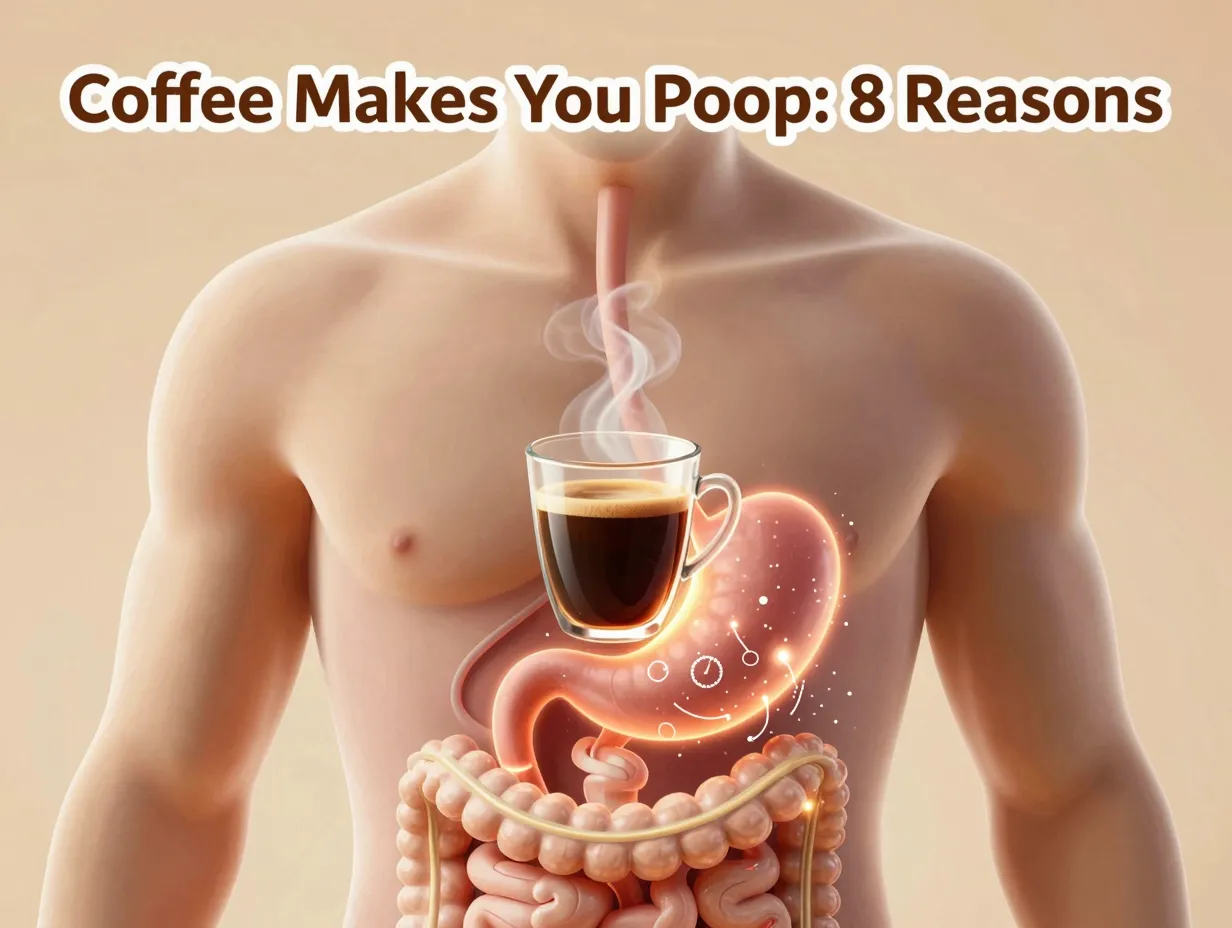
This article breaks down Why Does Coffee Make You Poop? 8 Science-Backed Reasons Explained — covering everything from gut hormones and stomach acid to the fascinating gastrocolic reflex. Whether you drink regular or decaf, understanding what’s happening inside your body can help you manage the effect, or even use it to your advantage.
Key Takeaways
- ☕ 29% of coffee drinkers experience a bowel movement urge after drinking coffee, sometimes within 4 minutes
- 🧪 Caffeinated coffee increases colon activity 60% more than water and 23% more than decaf
- 🔬 It’s not just caffeine — decaf coffee also triggers laxative hormones like gastrin and CCK
- 🕗 The gastrocolic reflex is naturally stronger in the morning, which is why your A.M. cup hits hardest
- 💊 Coffee contains roughly 1,000 bioactive compounds that collectively influence gut motility
The Science Behind Why Coffee Makes You Poop
Before diving into the eight specific reasons, it helps to understand the big picture. Your gut is not a passive tube. It’s a dynamic, hormonally driven system that responds to what you eat and drink with remarkable speed. Coffee, with its roughly 1,000 different bioactive substances, is one of the most potent dietary triggers for digestive activity known to researchers [2].
When coffee hits your stomach lining, it sets off a cascade of hormonal, chemical, and neurological signals that tell your colon: it’s time to move. Some of these signals are caffeine-driven. Others come from acids, polyphenols, and compounds unique to the coffee bean. Together, they create a powerful laxative-like effect that scientists are still fully mapping.
Let’s get into each reason — numbered and explained clearly.
Why Does Coffee Make You Poop? 8 Science-Backed Reasons Explained
1. Caffeine Directly Stimulates Colon Contractions
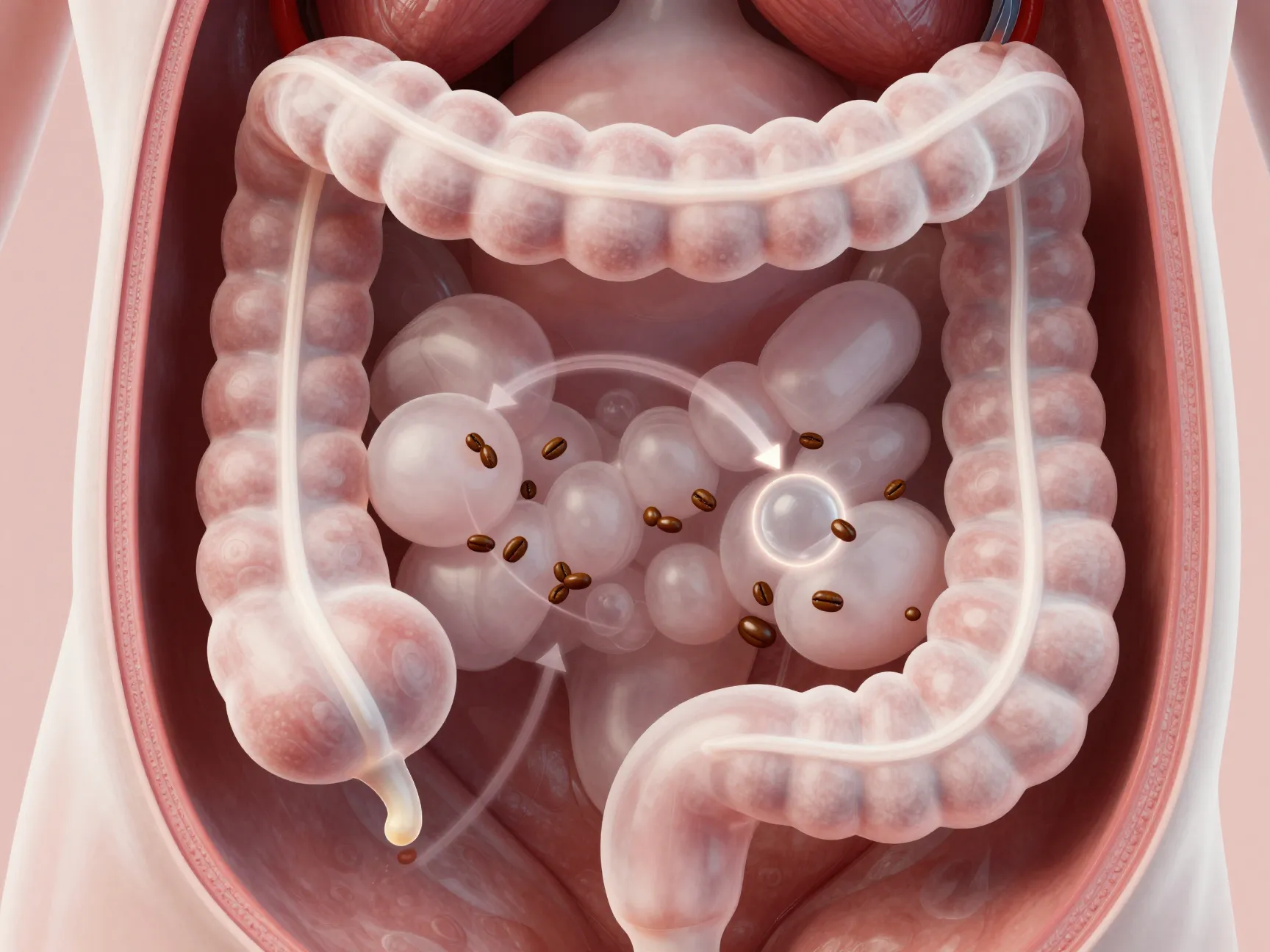
Caffeine is the most well-known active compound in coffee, and it plays a major role in your bathroom dash. A single brewed cup of coffee contains approximately 95 mg of caffeine — enough to activate colon contractions that push contents toward the rectum [4].
Caffeine acts as a systemic stimulant, increasing muscle contractions, circulation, and motility throughout the entire body — including the digestive tract [3]. In the colon specifically, caffeine triggers a process called peristalsis: rhythmic, wave-like muscle contractions that move waste through the large intestine and toward the exit.
💡 Pull Quote: “Caffeinated coffee increases gut activity 60% more than water alone — that’s a significant physiological response from a single cup.” [1]
Research confirms that caffeinated coffee cranks up gut activity 60% more than water and 23% more than decaffeinated coffee [1]. That gap between regular and decaf tells us caffeine is a big player — but not the only one.
2. Coffee Triggers Gastrin Hormone Release
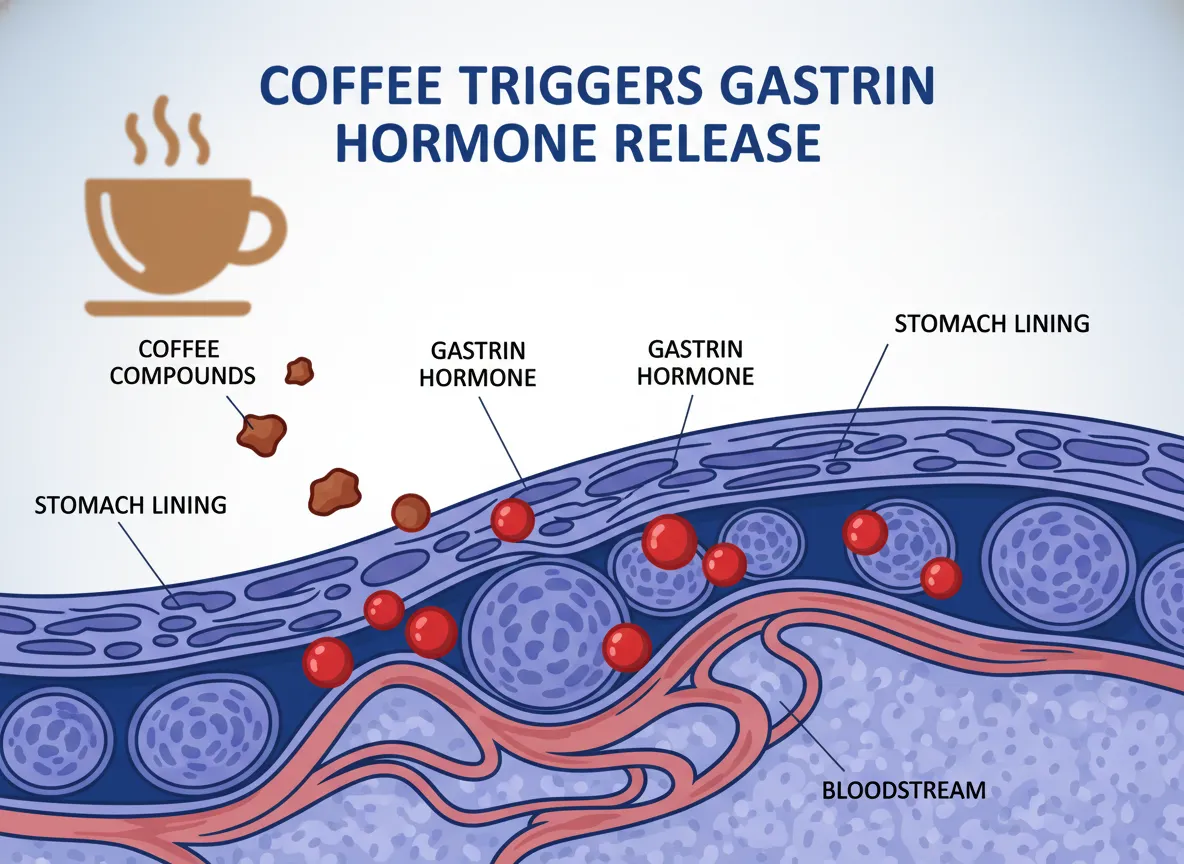
One of the most important hormones in this story is gastrin. This digestive hormone is released by the lining of your stomach in direct response to coffee’s acidic compounds. Gastrin’s job is to stimulate involuntary muscle contractions — peristalsis — in your bowels to move feces through the colon [1].
Here’s what makes this especially interesting: both regular and decaffeinated coffee boost gastrin levels. Studies show:
| Coffee Type | Gastrin Increase vs. Water |
|---|---|
| Decaffeinated coffee | 1.7x higher |
| Regular (caffeinated) coffee | 2.3x higher |
| Water | Baseline (1x) |
Source: [4]
This data proves that gastrin release is triggered by coffee’s non-caffeine components — likely its acids — not just the caffeine itself. Even if you switch to decaf, your stomach is still getting the gastrin signal.
3. The Gastrocolic Reflex Is Supercharged in the Morning
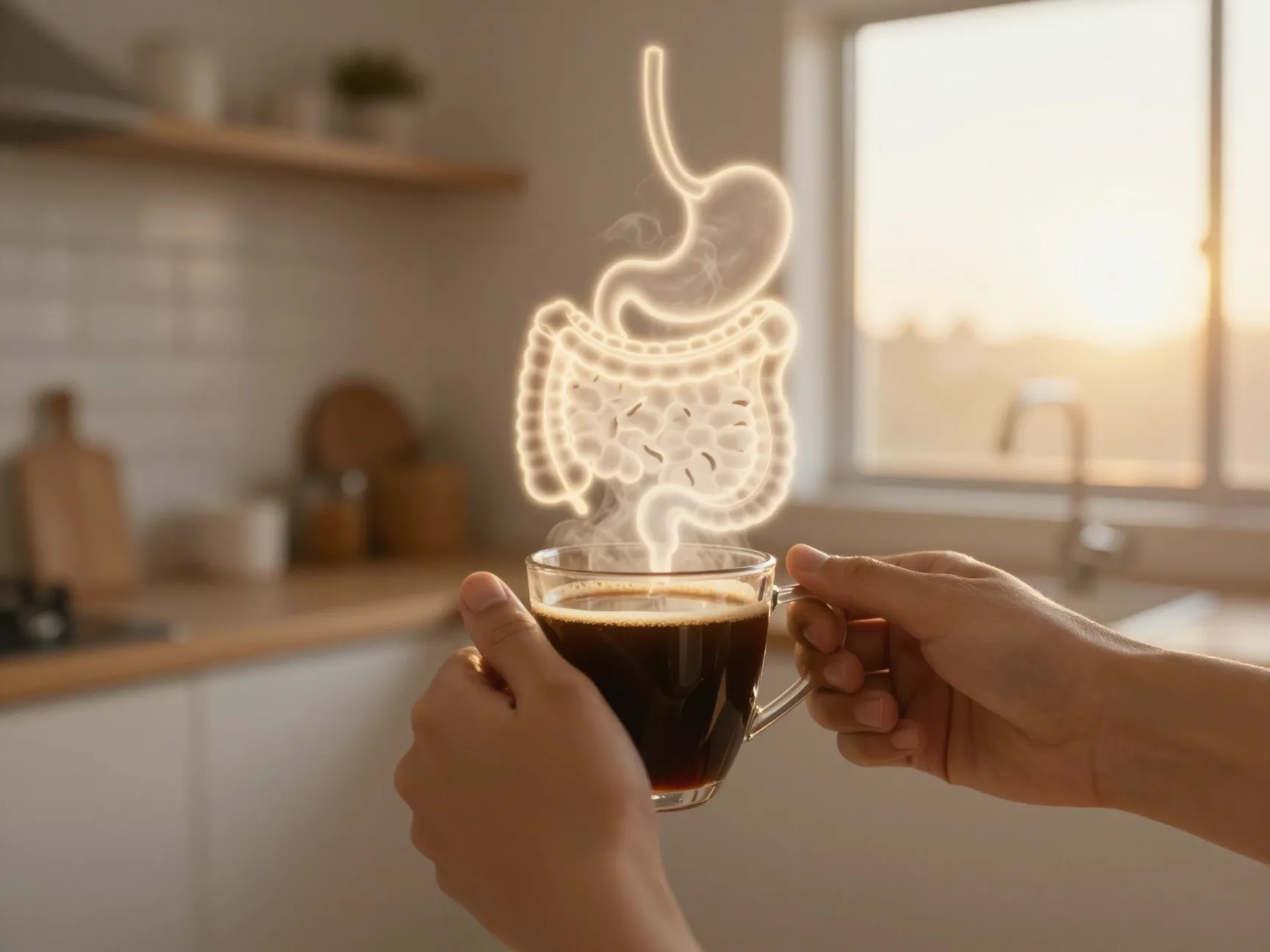
The gastrocolic reflex is a natural, involuntary response your body has to eating or drinking. When your stomach fills up, it sends a signal to your colon saying, “make room — more food is coming.” This triggers a wave of movement through the large intestine [2].
Coffee is a powerful activator of this reflex. But here’s the key detail most people miss: the gastrocolic reflex is naturally more active in the morning [2]. After a night of fasting, your colon is primed and ready to respond. When you add coffee to an already-active morning gut, the effect is amplified significantly.
This is why your morning cup is far more likely to send you to the bathroom than an afternoon espresso with the same caffeine content. It’s not just the coffee — it’s the timing.
4. Cholecystokinin (CCK) Accelerates Food Movement
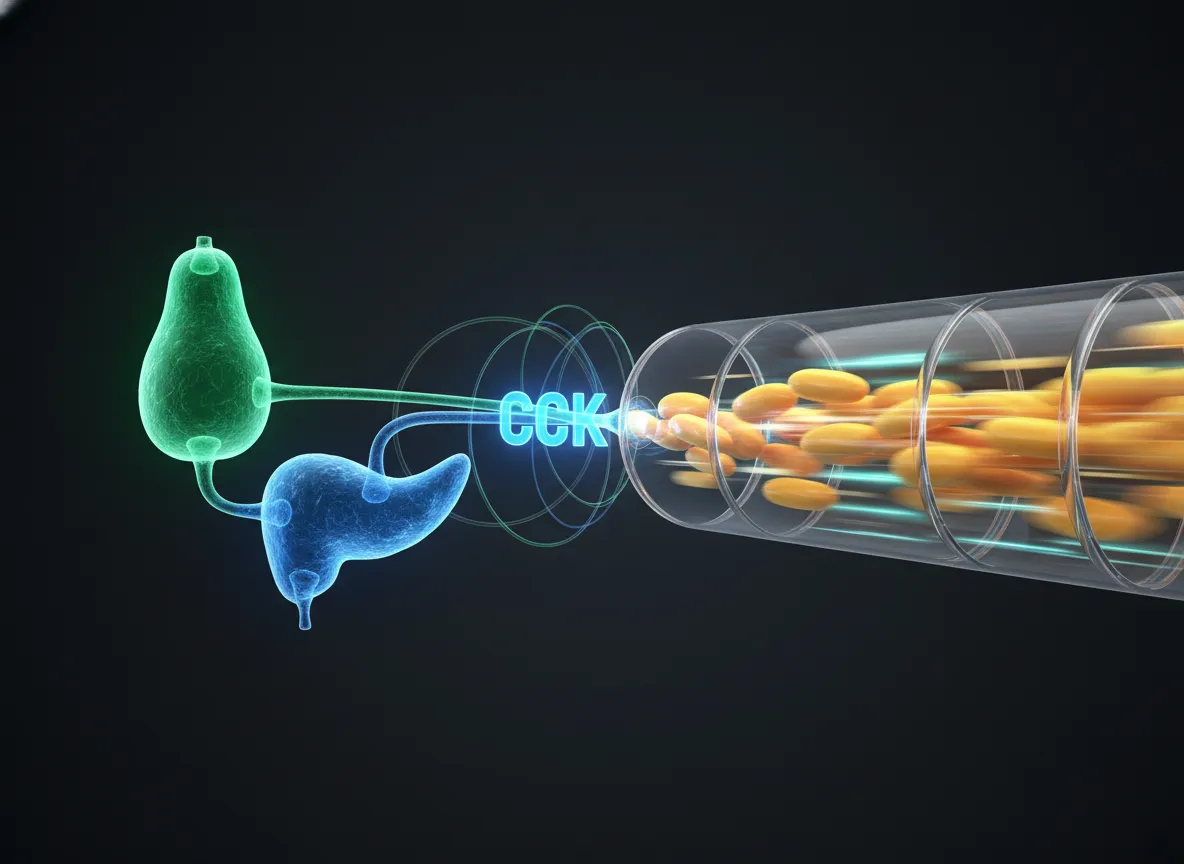
Another key hormone in the coffee-poop equation is cholecystokinin, commonly abbreviated as CCK. This digestive hormone is released in the small intestine in response to food and drink, and it plays a direct role in increasing the movement of food through the colon [4].
CCK is closely linked to the gastrocolic reflex and helps coordinate the overall digestive response to a meal or beverage. When coffee triggers CCK release, it essentially tells your entire digestive system to speed up — accelerating the journey from stomach to toilet.
CCK also stimulates the gallbladder and pancreas, which further supports digestion. The combined hormonal response — gastrin and CCK — creates a one-two punch that few other beverages can match.
5. Chlorogenic Acids Increase Stomach Acid Production
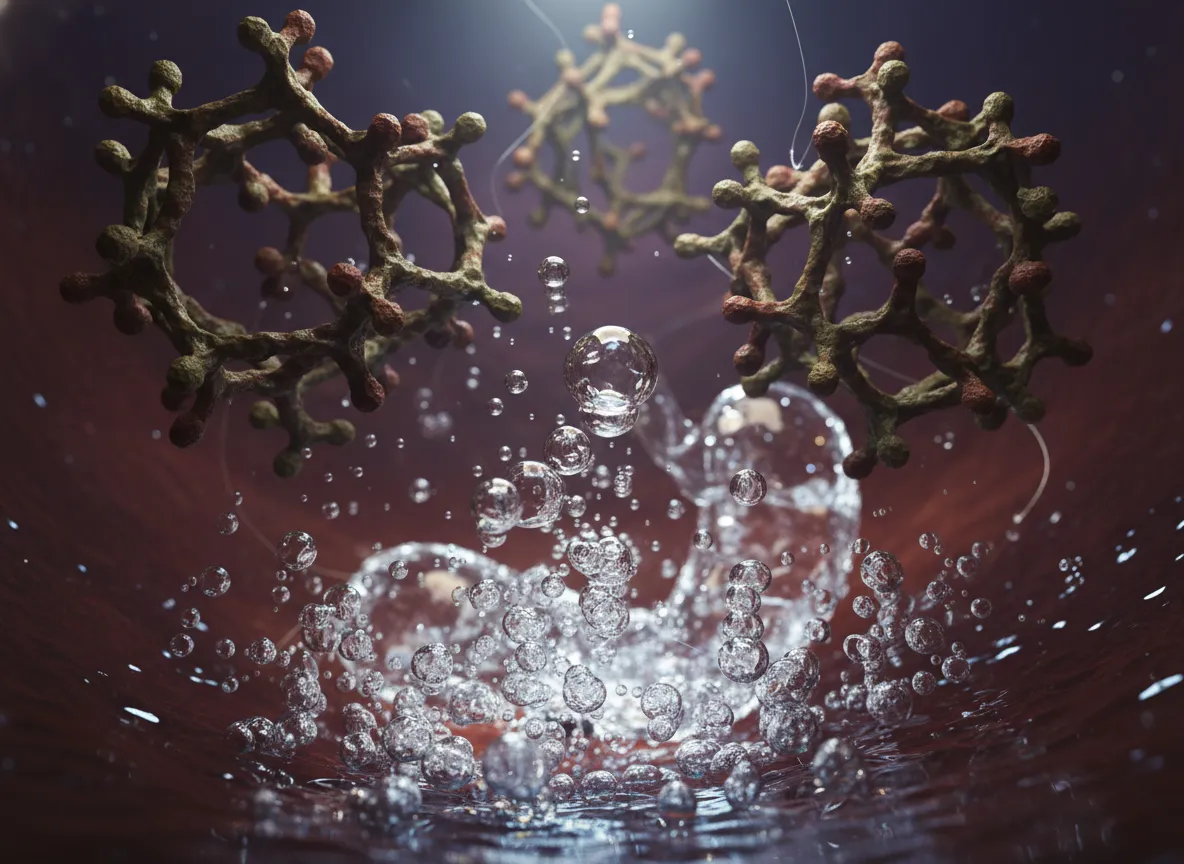
Coffee is naturally rich in chlorogenic acids, a family of polyphenolic compounds that give coffee part of its characteristic taste and aroma. These acids directly stimulate the production of stomach acid (hydrochloric acid) [4].
More stomach acid means faster and more efficient breakdown of food — which speeds up the entire digestive process. When food moves more quickly through the stomach and into the small intestine, the downstream effect is faster transit through the colon.
Chlorogenic acids are present in both regular and decaffeinated coffee, which is another reason why decaf still has a laxative effect for many people. The acid profile of coffee is largely independent of its caffeine content.
6. N-Alkanoyl-5-Hydroxytryptamides Stimulate Gut Activity
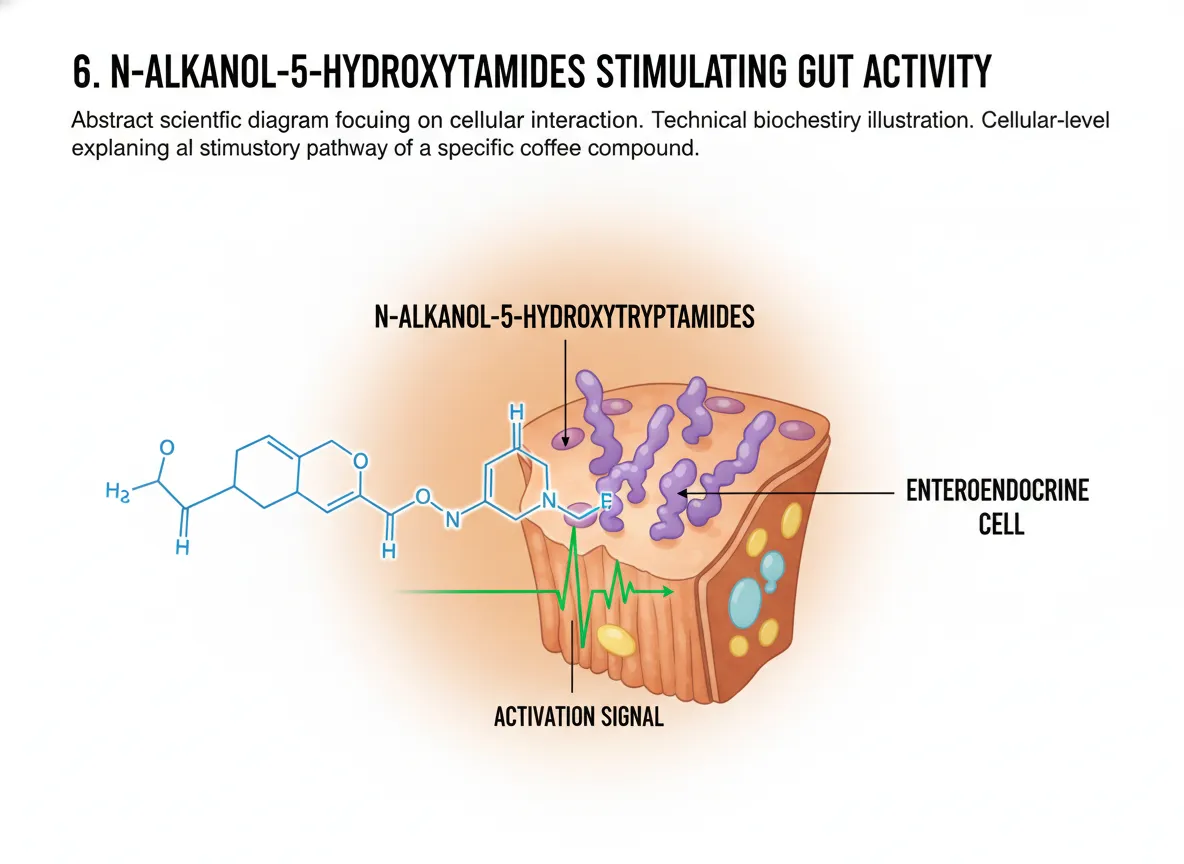
This is the compound with the most intimidating name on our list, but it’s worth knowing about. N-alkanoyl-5-hydroxytryptamides (NAs) are unique fatty acid compounds found in coffee that have been shown to stimulate the production of stomach acid and increase gut motility [4].
These compounds work alongside chlorogenic acids to create a more acidic, active digestive environment. Research suggests that NAs may directly stimulate cells in the stomach lining, contributing to the overall speed-up of digestion that coffee is known for.
Because NAs are present regardless of caffeine content, they represent yet another non-caffeine pathway through which coffee influences your bowels. The more researchers look, the more it becomes clear that coffee’s effect on digestion is a team effort involving dozens of compounds.
7. Coffee Contains ~1,000 Bioactive Compounds That Collectively Influence the Gut
Beyond the specific compounds already mentioned, coffee is one of the most chemically complex beverages humans consume. Scientists have identified approximately 1,000 different bioactive substances in a single cup of coffee [2].
These include:
- Polyphenols (including chlorogenic acids)
- Diterpenes (cafestol and kahweol)
- Melanoidins (formed during roasting)
- Trigonelline (a nitrogen compound)
- Various organic acids
Many of these compounds have not been individually studied for their gut effects, but their collective presence likely contributes to coffee’s powerful digestive impact. The interaction between these compounds — what scientists call the matrix effect — may produce a stronger gut response than any single compound could on its own.
🔬 Key Insight: Coffee’s laxative effect is not a single-ingredient story. It’s the result of hundreds of compounds working together on your digestive system simultaneously.
8. Individual Biology Determines How Strong the Effect Is
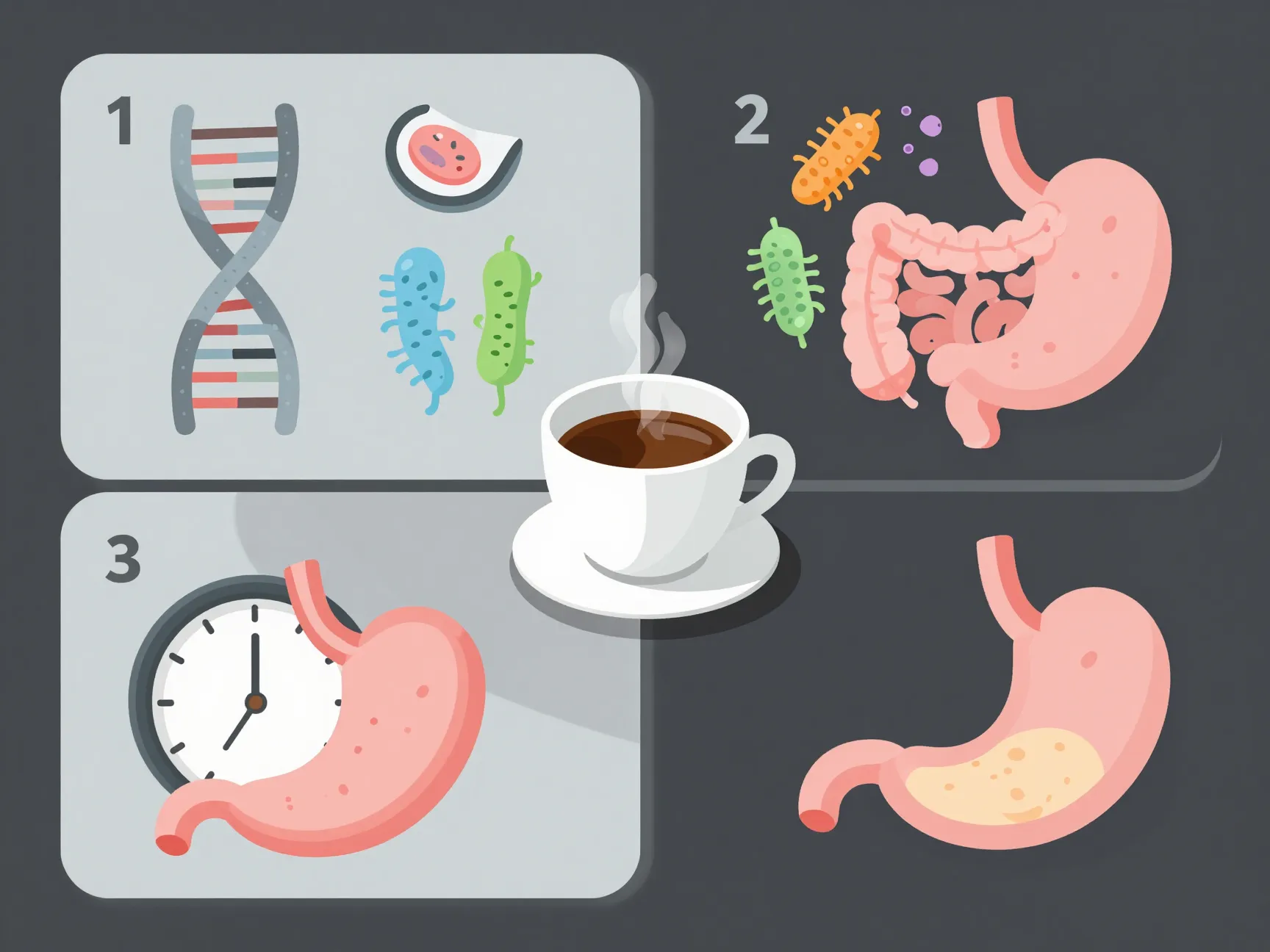
Not everyone runs to the bathroom after coffee. For some people, the effect happens within minutes; for others, it might take hours — or not occur at all [7]. This variation comes down to several individual biological factors:
Factors that influence your coffee-poop response:
- 🧬 Gut microbiome composition — your unique bacterial ecosystem affects how you process coffee compounds
- ⚡ Caffeine metabolism speed — genetic variants in the CYP1A2 enzyme determine how fast you break down caffeine
- 🥛 Milk and cream additions — dairy can trigger its own digestive response (especially in those with lactose sensitivity)
- 🍽️ Whether you drink coffee on an empty stomach — amplifies the gastrocolic reflex
- 💊 Gut sensitivity — people with IBS or other functional gut disorders often have a stronger response
- 🕐 Time of day — morning coffee hits harder due to the natural morning peak of the gastrocolic reflex [2]
This is why the answer to why does coffee make you poop is never one-size-fits-all. Your personal response is shaped by genetics, gut health, habits, and timing all at once.
Does Decaf Coffee Make You Poop Too?
This is one of the most common follow-up questions — and the answer is yes, decaf can still make you poop [4].
As the gastrin data above shows, decaffeinated coffee raises gastrin levels 1.7 times compared to water [4]. That’s a significant hormonal response without a single milligram of caffeine. The chlorogenic acids, N-alkanoyl-5-hydroxytryptamides, and other bioactive compounds that stimulate stomach acid and gut motility are still present in decaf.
That said, the effect is generally weaker with decaf than with regular coffee. Regular coffee raises gastrin levels 2.3 times versus water, compared to decaf’s 1.7x — meaning caffeine does add a meaningful boost on top of the non-caffeine effects [1].
Bottom line: If you switch to decaf hoping to stop the bathroom effect entirely, you may be disappointed. You’ll likely just experience a milder version of the same response.
How to Manage Coffee’s Laxative Effect
If coffee’s effect on your digestion is inconvenient, disruptive, or uncomfortable, there are practical steps you can take:
Strategies to reduce the coffee-poop effect:
- Eat before you drink — having food in your stomach before coffee dampens the gastrocolic reflex
- Switch to decaf — reduces but doesn’t eliminate the effect
- Avoid coffee on an empty stomach — this is when the reflex is strongest
- Try cold brew — cold brew coffee is generally lower in acids, which may reduce gastrin stimulation
- Reduce cup size — less coffee means fewer stimulating compounds
- Avoid dairy additions — if you’re lactose sensitive, milk in your coffee may compound the effect
- Shift your coffee time — drinking later in the morning (after breakfast) rather than immediately upon waking can reduce the intensity
On the flip side, if you want to use coffee’s digestive effects to your advantage — for example, if you struggle with constipation — a morning cup on an empty stomach may be a natural, low-risk option worth discussing with your doctor.
When Should You Be Concerned?
For most people, coffee-induced bowel movements are completely normal and harmless. However, there are situations where you should pay attention:
⚠️ Talk to a doctor if:
- Coffee consistently causes urgent, painful, or uncontrollable bowel movements
- You notice blood in your stool after coffee
- Coffee triggers severe cramping or diarrhea regularly
- You have a diagnosed condition like IBS, Crohn’s disease, or ulcerative colitis and coffee worsens your symptoms
- The effect has recently changed in intensity or character without explanation
In these cases, your response to coffee may be a symptom of an underlying digestive condition that deserves professional attention.
Conclusion: What Your Morning Cup Is Really Doing to Your Gut
So, why does coffee make you poop? The short answer: it’s a perfect storm of hormones, acids, and bioactive compounds all working together to speed up your digestive system. From caffeine’s direct stimulation of colon contractions to gastrin release, CCK activation, chlorogenic acids, and the morning-amplified gastrocolic reflex — coffee is one of the most potent gut-activating beverages on the planet.
Understanding Why Does Coffee Make You Poop? 8 Science-Backed Reasons Explained gives you real power over your digestive health. You can time your coffee strategically, choose between regular and decaf with full knowledge of the trade-offs, and recognize when your body’s response might be telling you something more important.
Your actionable next steps:
- ✅ If the effect bothers you, eat breakfast before your first cup — it’s the single most effective change
- ✅ Consider cold brew or decaf if acid sensitivity is the issue
- ✅ If you have IBS or chronic digestive issues, discuss your coffee habits with a gastroenterologist
- ✅ Use coffee’s natural gut-stimulating properties intentionally if you struggle with constipation
- ✅ Pay attention to what you add to your coffee — dairy, sweeteners, and syrups can all contribute to the effect independently
Your morning cup isn’t just waking up your brain. It’s waking up your entire digestive system — and now you know exactly why.
References
[1] Why Does Coffee Make You Poop – https://health.clevelandclinic.org/why-does-coffee-make-you-poop
[2] Why Does Coffee Make You Poop – https://www.goodrx.com/well-being/gut-health/why-does-coffee-make-you-poop
[3] Why Does Coffee Make You Poop With Dr Christine Lee – https://my.clevelandclinic.org/podcasts/health-essentials/why-does-coffee-make-you-poop-with-dr-christine-lee
[4] Why Does Coffee Make You Poop – https://www.healthline.com/nutrition/why-does-coffee-make-you-poop
[5] Why Does Coffee Make You Poop – https://zoe.com/learn/why-does-coffee-make-you-poop
[6] Watch – https://www.youtube.com/watch?v=LZnAQ-PWQdg
[7] Why Does Coffee Help With Digestion – https://www.health.harvard.edu/healthy-aging-and-longevity/why-does-coffee-help-with-digestion