8 Mistakes to Avoid When Making Cold Brew Coffee at Home
Cold has grown into a $1.37 billion global market — yet most home brewers are quietly sabotaging their batches with the same handful of fixable errors. If your tastes bitter, weak, or gritty, the problem almost certainly comes down to one of the 8 mistakes to avoid when making cold brew coffee at home that we cover in this guide.
Disclosure: This post contains affiliate links. As an Amazon Associate, we earn from qualifying purchases, and at no extra cost to you.
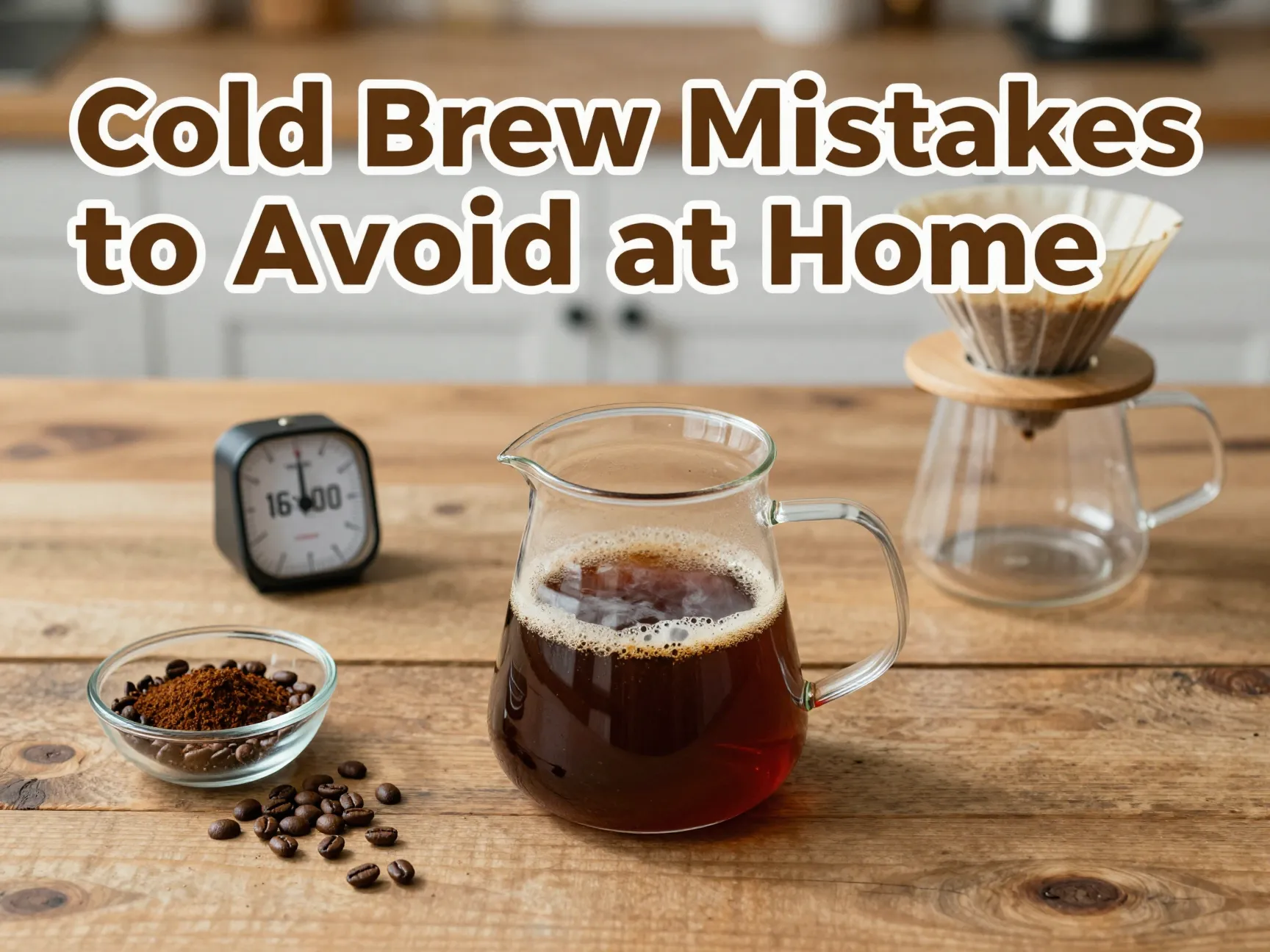
Cold brew is forgiving in some ways — no hot water, no pressure, no fancy machine required. But that simplicity is deceptive. The long steeping process amplifies every small error, turning a minor misstep into a cup that belongs down the drain. Whether you’re a first-timer or a seasoned home brewer who keeps getting inconsistent results, this article will walk you through exactly what’s going wrong and how to fix it. 🍵
Key Takeaways
- ✅ Grind size matters more than most people realize — coarse grounds are non-negotiable for cold brew.
- ✅ Your coffee-to-water ratio determines strength — use 1:4 for concentrate or 1:8 for ready-to-drink.
- ✅ Steep for 12–18 hours — anything less produces a flat, under-extracted result.
- ✅ Water quality and bean origin both shape the final flavor significantly.
- ✅ Patience during straining — pressing or rushing the filter ruins an otherwise perfect batch.
Why Home Cold Brew Goes Wrong: Understanding the 8 Mistakes to Avoid When Making Cold Brew Coffee at Home
Cold brew is not just . It’s a completely different extraction method — one that relies on time and cold water instead of heat. Because there’s no heat to speed up extraction, every variable you control (grind size, ratio, steep time, water quality) carries more weight than it would in a standard drip brew.
The 8 mistakes to avoid when making cold brew coffee at home are not random. They follow a clear pattern: most home brewers either rush the process, ignore the details, or assume that “good enough” inputs produce great outputs. They don’t. Let’s fix that.
The 8 Mistakes — Explained and Solved
1. Using Finely Ground Coffee Beans
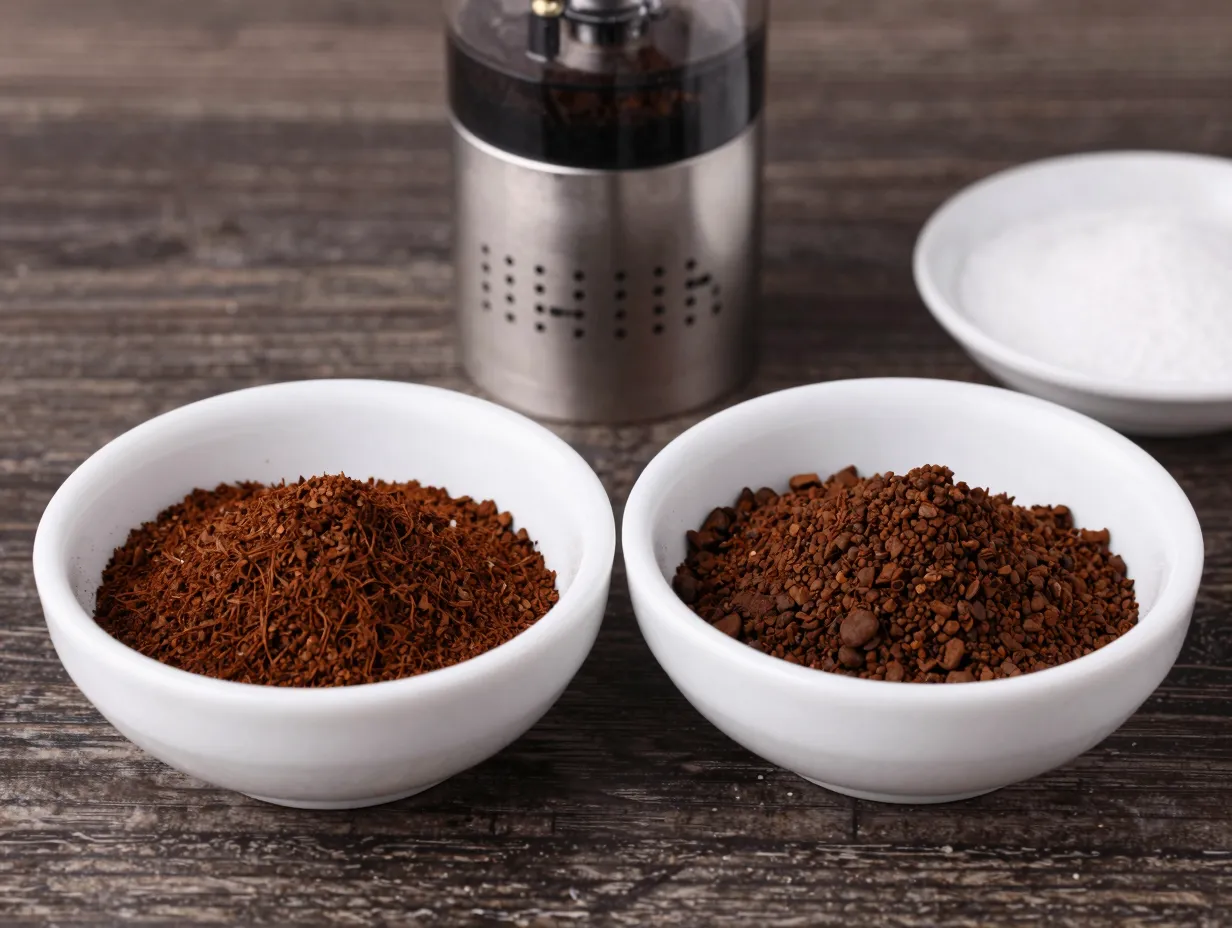
This is the single most common error, and it ruins more cold brew batches than any other mistake. According to an ACS-certified chemist, “the most common mistake folks make is not paying enough attention to the grind size.” [3]
Here’s why it matters: fine grounds have a much larger total surface area than coarse grounds. In a hot brew, that’s useful because extraction happens in minutes. In cold brew, where grounds sit in water for 12+ hours, fine grounds lead to massive over-extraction — pulling out bitter compounds and harsh tannins that no amount of dilution can fully mask. [2][3]
The fix: Grind your beans to a medium-coarse consistency, roughly similar to coarse sea salt or raw sugar. [4] If you’re using a burr grinder, set it to the coarsest or second-coarsest setting. Blade grinders make it harder to achieve consistency, but if that’s what you have, pulse briefly and aim for chunky, uneven grounds rather than a fine powder.
💡 Quick Rule: If your grounds look like , they’re too fine. If they look like breadcrumbs, you’re in the right zone.
2. Getting the Coffee-to-Water Ratio Wrong
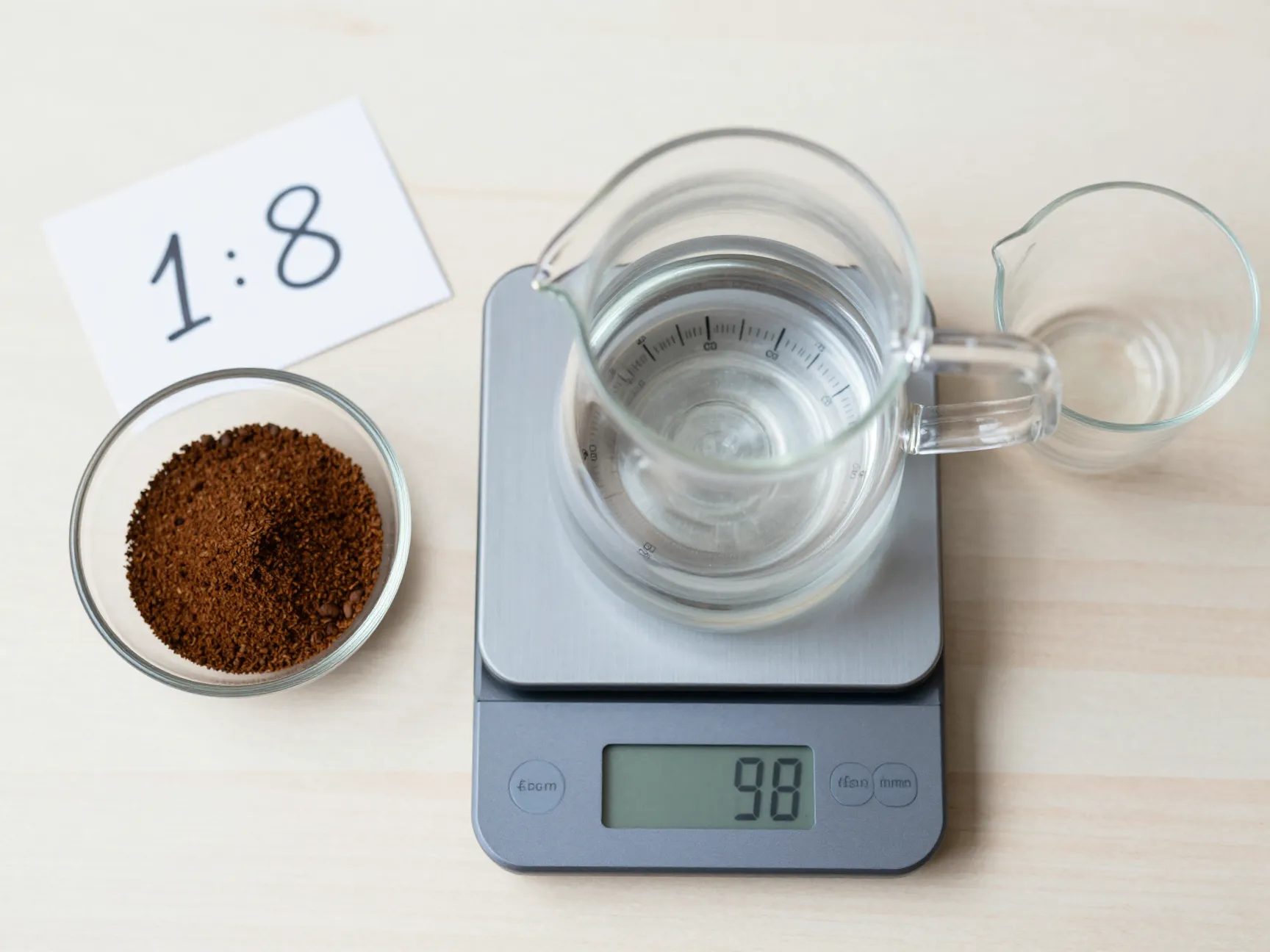
Cold brew is surprisingly flexible in terms of strength — but only if you’re intentional about your ratio. Using too much coffee wastes beans and produces an overpowering concentrate. Using too little gives you a watery, flavorless brew that no amount of steeping time can rescue. [2]
Here’s a simple reference table:
| Purpose | Ratio (Coffee:Water) | Result |
|---|---|---|
| Strong concentrate | 1:4 | Mix with milk or water before drinking |
| Ready-to-drink | 1:8 | Drink straight over ice |
| Medium strength | 1:5 or 1:6 | Flexible — adjust to taste |
The fix: Decide upfront whether you want a concentrate or a ready-to-drink brew, then measure by weight rather than volume. A kitchen scale gives you far more consistency than measuring cups. [2]
3. Steeping for the Wrong Amount of Time
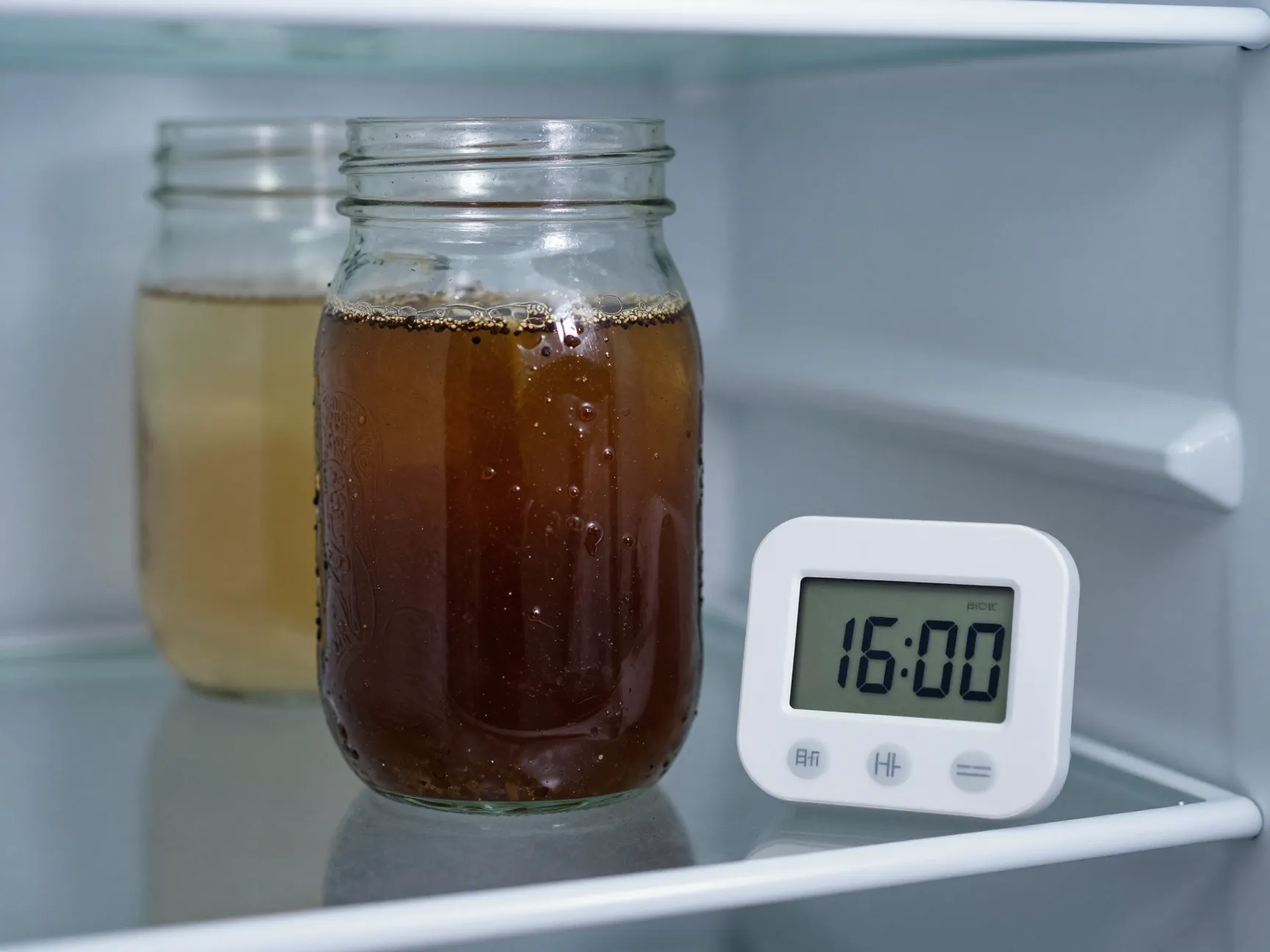
Time is the engine of cold brew extraction. Get it wrong in either direction and the result suffers.
- Too short (under 8 hours): The brew is under-extracted — thin, sour, and lacking depth. [2]
- Too long (over 24 hours): Over-extraction sets in, producing bitterness and a muddy, harsh flavor profile.
The sweet spot is 12 to 18 hours, and most experienced home brewers land around 14–16 hours for a balanced result. [2]
Steeping location also matters:
- Steeping at room temperature extracts faster (12 hours is usually enough).
- Steeping in the refrigerator is slower but produces a cleaner, smoother flavor (16–18 hours recommended).
The fix: Set a timer. Don’t guess. If you start your cold brew before bed, it’s ready by the following evening — a simple rhythm that’s easy to build into your routine.
4. Using Low-Quality or Inappropriate Water
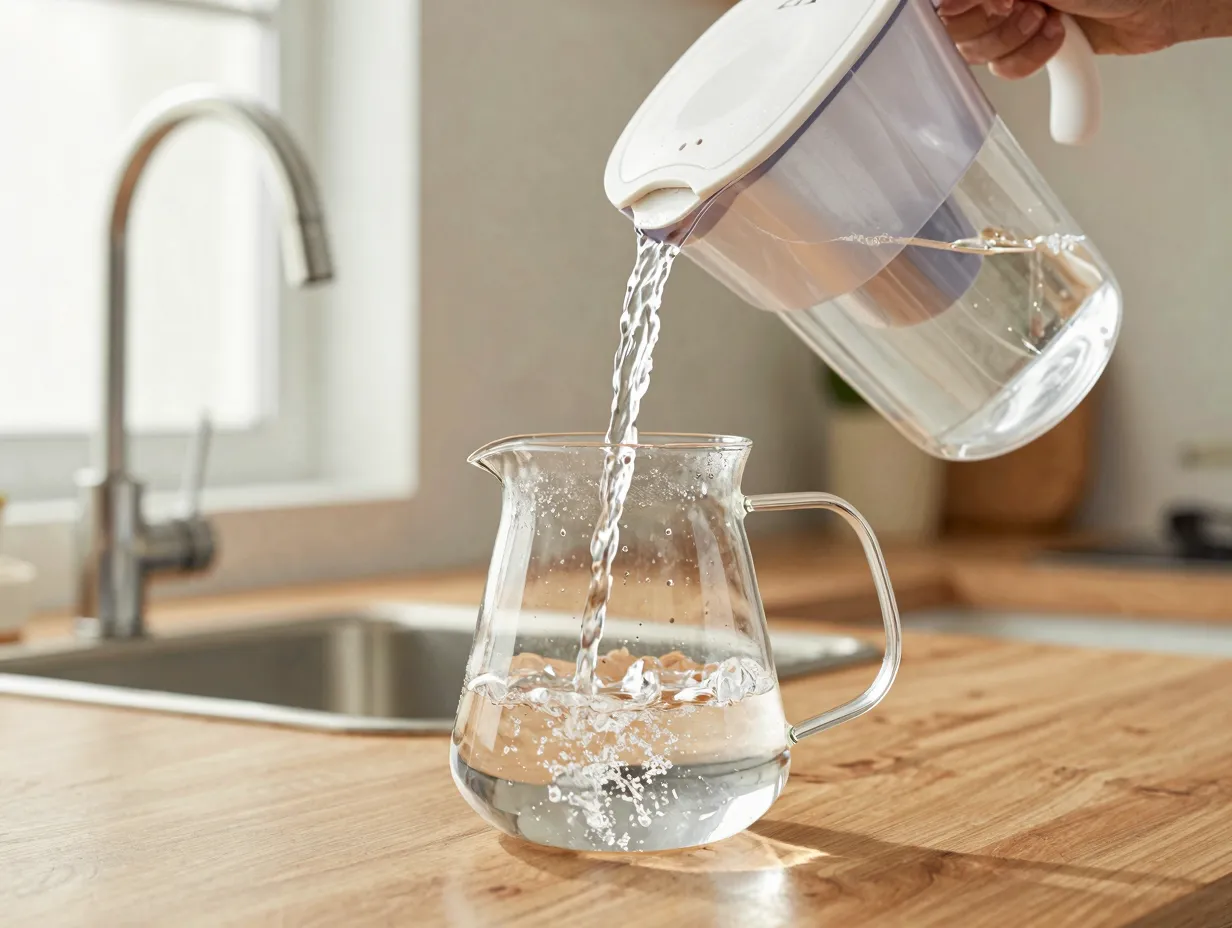
Coffee is approximately 98% water. That single fact should make water quality a top priority — yet most home brewers pour straight from the tap without a second thought. [2]
Tap water quality varies enormously by location. High chlorine content, heavy minerals, or off-flavors in your tap water transfer directly into your cold brew. The result is a brew that tastes “off” even when everything else is done correctly.
What to look for in cold brew water:
- ✅ Filtered water (a basic pitcher filter works well)
- ✅ Low chlorine content
- ✅ Moderate mineral content (completely distilled water tastes flat)
- ❌ Avoid heavily chlorinated tap water
- ❌ Avoid softened water (high sodium content)
The fix: Use filtered water. It’s the cheapest, easiest upgrade you can make to your cold brew process. [2]
5. Neglecting Proper Filtration
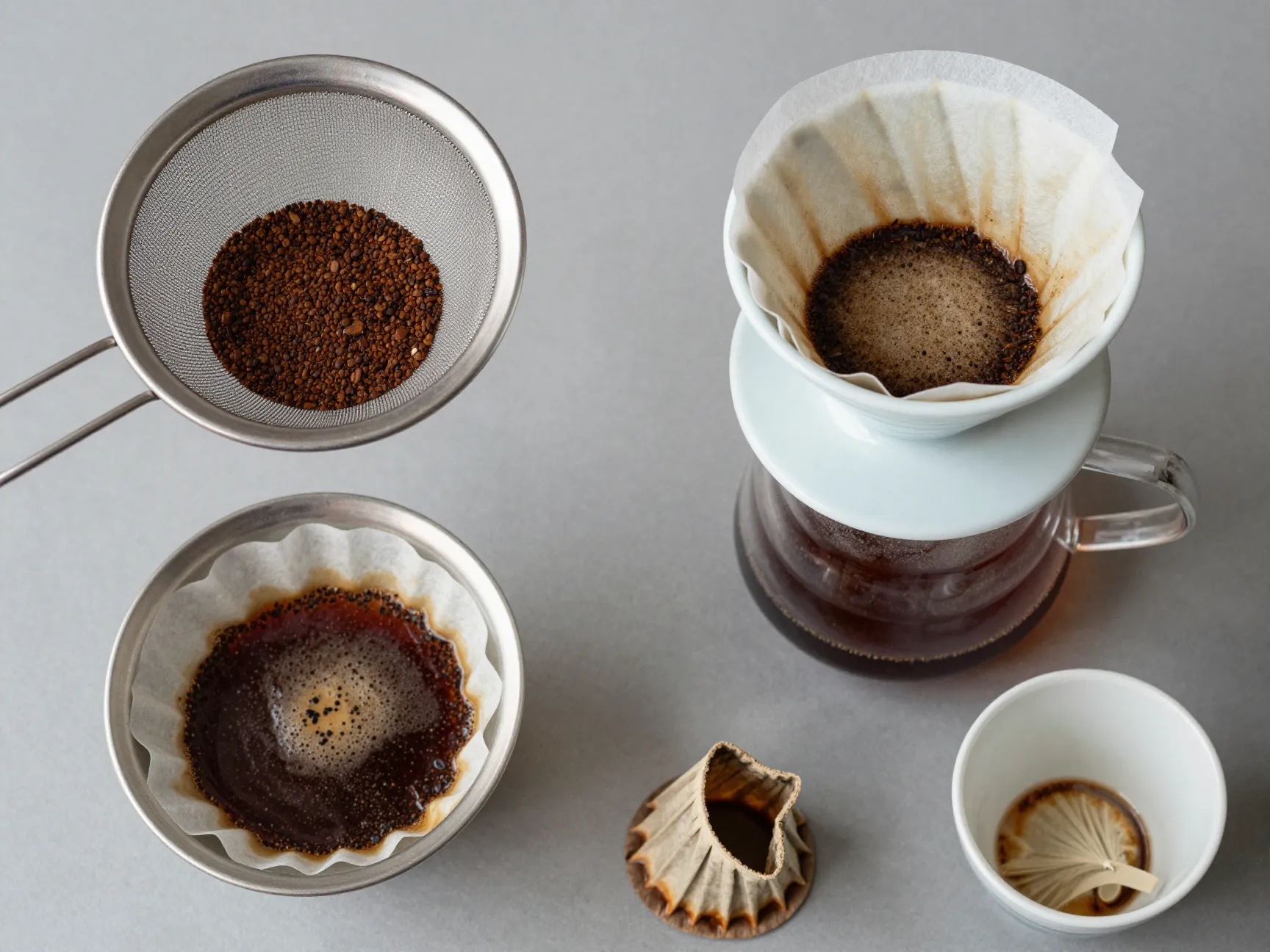
You’ve steeped your cold brew for 16 hours. You pour it through a mesh strainer, and it looks great — until you take a sip and feel that unmistakable gritty texture at the back of your throat. That’s fine coffee particulate, and it’s a filtration problem. [2]
A single pass through a metal mesh strainer is rarely enough. Smaller particles slip through easily, and they continue to extract in your finished brew — making it bitter over time as it sits in the fridge. [4]
The fix: Use a double-filtration method:
- First pass through a metal mesh strainer or cheesecloth to remove large grounds.
- Second pass through a paper filter (a standard or a pour-over filter works perfectly) to catch fine particles. [4]
This two-step process takes an extra 10–15 minutes but produces a noticeably cleaner, smoother cup. Paper filters also absorb some of the coffee oils, which can reduce bitterness for those who prefer a lighter mouthfeel.
6. Choosing the Wrong Bean Origin or Roast
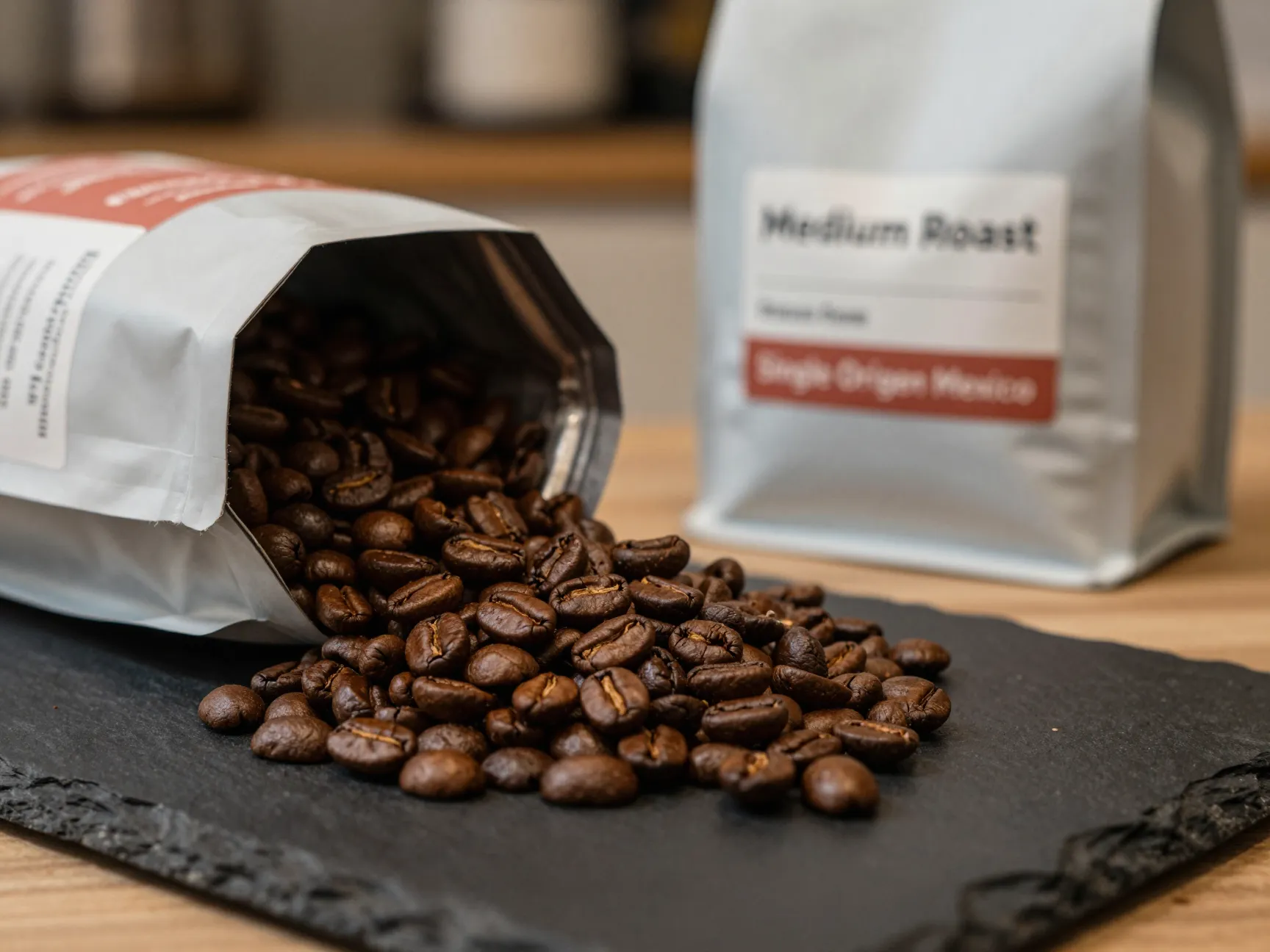
Not all are created equal for cold brew. The process highlights certain flavor compounds differently than hot brewing does, which means a bean that tastes great as a drip coffee might produce a flat or overly acidic cold brew. [4]
Most cold brew enthusiasts prefer:
- Low-acid roasts — medium to dark roasts tend to work better because the roasting process reduces acidity.
- Mexican-origin coffees — known for mild, smooth flavor with chocolatey undertones that shine in cold brew. [4]
- Single-origin East African coffees — Ethiopian or Kenyan beans bring brighter, fruitier notes that create a more complex cold brew. [4]
What to avoid:
- Very light roasts can taste sour or grassy in cold brew.
- Flavored coffees often produce artificial or cloying results after long steeping.
The fix: Start with a medium roast from a single origin you enjoy. Experiment from there. Cold brew is a great way to explore bean origins because the slow extraction reveals subtle flavor notes that heat can mask.
7. Grinding Beans Too Far in Advance
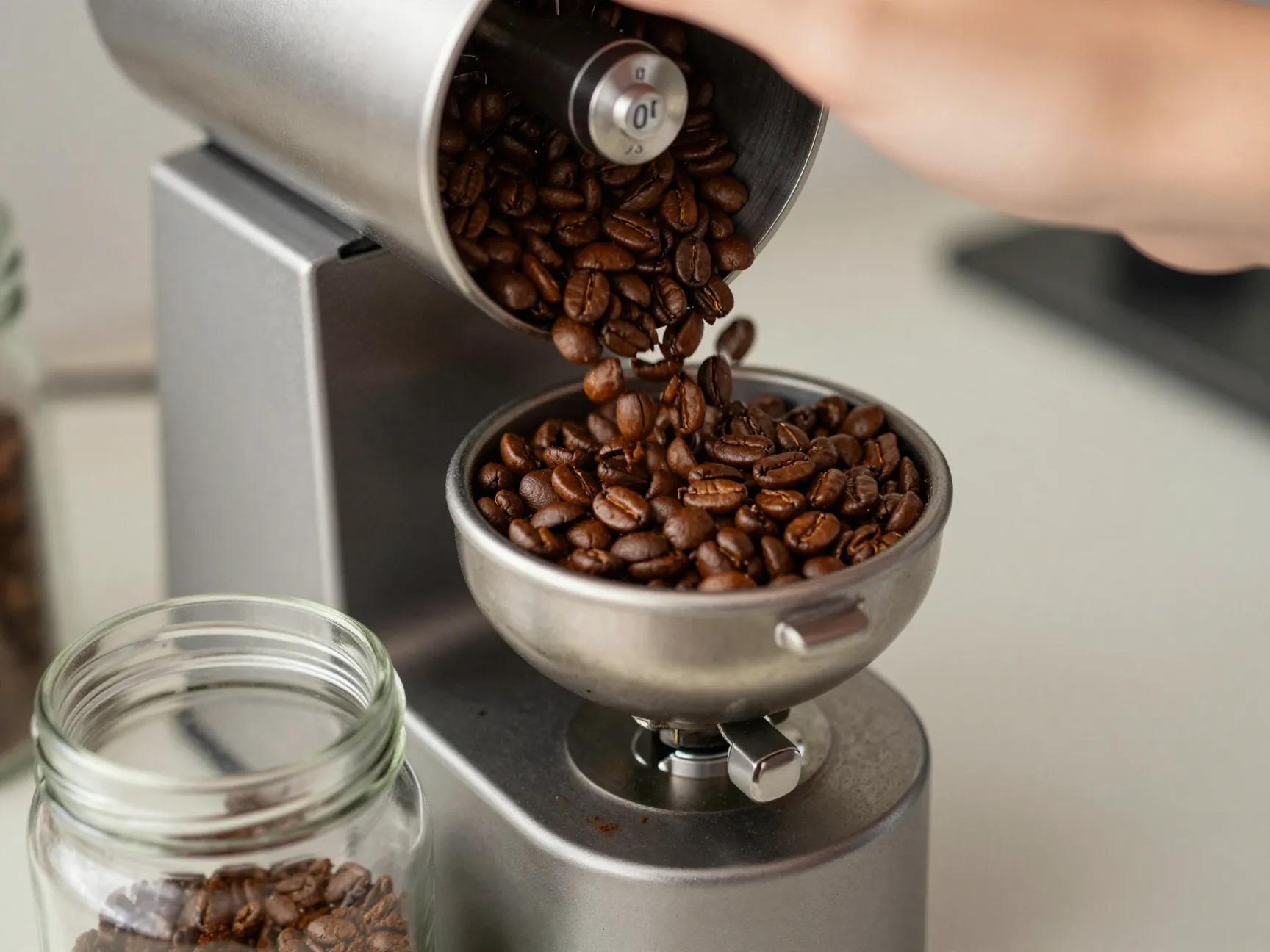
This mistake is easy to overlook because it happens before the brewing even starts. Ground coffee begins to oxidize the moment it’s exposed to air — and it loses a significant portion of its optimal flavor within approximately 30 minutes of grinding. [4]
When you grind beans days (or even hours) ahead of time, you’re starting your cold brew with stale grounds. The long steeping process can’t compensate for lost aromatics and flavor compounds that have already evaporated. [4]
The fix: Grind your beans immediately before brewing. This single habit makes a measurable difference in the brightness and complexity of your finished cold brew. [4]
If you don’t own a grinder, buy whole beans and ask your local to grind them for you — then brew the same day. Grinding your own beans at home gives you the best control over both freshness and grind size. [4]
☕ Pro tip: Store whole beans in an airtight container away from light and heat. Grind only what you need for each batch.
8. Rushing or Pressing During the Straining Process
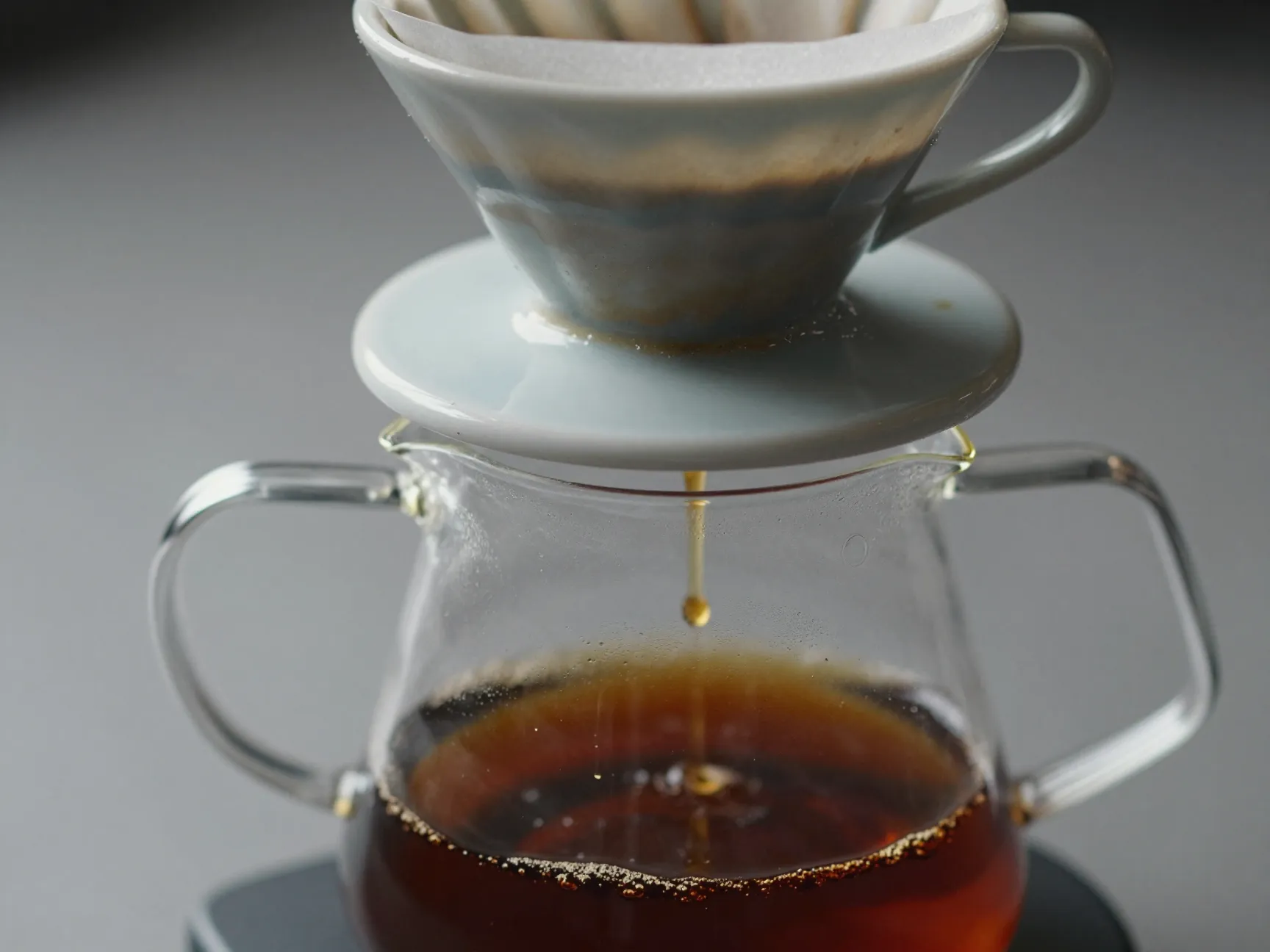
The final mistake happens at the very last step — and it’s frustrating because it undoes hours of careful brewing. When home brewers get impatient during straining, they press or squeeze the grounds to speed up the flow. This is a mistake. [4]
Pressing the grounds forces bitter, over-extracted liquid through the filter — liquid that your gravity-based straining process was carefully leaving behind. The result is a sharper, harsher brew that lacks the smooth, mellow character that makes cold brew special. [4]
The fix: Let gravity do the work. Set up your filter over a pitcher or jar, pour in the steeped coffee, and walk away. A full gravity strain through a paper filter can take 20–45 minutes, but the result is worth every minute. [4]
If you’re in a hurry, use a fine-mesh metal strainer for the first pass (faster flow), then do the paper filter pass separately. But never squeeze, press, or push the grounds.
Quick Reference: The 8 Mistakes at a Glance
| # | Mistake | The Fix |
|---|---|---|
| 1 | Fine grind | Use medium-coarse grind (like coarse sea salt) |
| 2 | Wrong ratio | 1:4 for concentrate, 1:8 for ready-to-drink |
| 3 | Wrong steep time | 12–18 hours (fridge or room temp) |
| 4 | Poor water quality | Use filtered, low-chlorine water |
| 5 | Inadequate filtration | Double-filter: mesh strainer + paper filter |
| 6 | Wrong bean/roast | Medium roast, low-acid, single origin |
| 7 | Pre-ground beans | Grind immediately before brewing |
| 8 | Pressing during straining | Let gravity strain — no squeezing |
Bonus Tips for Better Cold Brew in 2026
Beyond the 8 mistakes to avoid when making cold brew coffee at home, here are a few extra habits that separate good cold brew from genuinely great cold brew:
- Store finished cold brew in the fridge in a sealed glass container. It stays fresh for up to 2 weeks.
- Label your batches with the date brewed and the bean origin. This makes it easier to track what you love and what you’d change.
- Experiment with ratios once you’ve nailed the basics. Some people prefer a 1:5 ratio for a medium-strength brew that doesn’t need diluting.
- Try cold brew ice cubes — freeze some of your concentrate in an ice cube tray so your drink doesn’t get watered down as the ice melts.
Conclusion: Your Best Cold Brew Starts With Avoiding These Mistakes
Making exceptional cold brew at home is genuinely achievable — it doesn’t require expensive equipment or barista-level training. What it does require is attention to the details that most people skip.
The 8 mistakes to avoid when making cold brew coffee at home all share a common thread: they’re the result of rushing, guessing, or underestimating how much each variable matters in a slow-extraction process. Fix the grind, nail the ratio, respect the steep time, and let gravity do its job during straining — and you’ll produce cold brew that rivals anything you’d pay $7 for at a coffee shop.
Your actionable next steps:
- ✅ Check your current grind size — adjust to medium-coarse if needed.
- ✅ Weigh your coffee and water for your next batch instead of estimating.
- ✅ Set a 14–16 hour timer for your next steep.
- ✅ Pick up paper if you don’t already have them.
- ✅ Grind your beans right before you brew — not the night before.
Start with one change at a time if you’re troubleshooting an existing process. You’ll notice the difference within a single batch.
References
[1] Six Common Mistakes When Making Cold Brew Coffee – https://groundsandhoundscoffee.com/blogs/recent-posts/six-common-mistakes-when-making-cold-brew-coffee
[2] Common Cold Brew Coffee Mistakes To Avoid – https://cmsale.com/news/common-cold-brew-coffee-mistakes-to-avoid
[3] Avoid Mistake Better Cold Brew Coffee Home – https://www.chowhound.com/1731713/avoid-mistake-better-cold-brew-coffee-home/
[4] Mistakes Cold Brew Coffee – https://www.tastingtable.com/1261246/mistakes-cold-brew-coffee/
[5] Common Mistakes New Coffee Brewers Make And How To Fix Them – https://ratiocoffee.com/blogs/coffee-guides/common-mistakes-new-coffee-brewers-make-and-how-to-fix-them
[6] Watch – https://www.youtube.com/watch?v=JM9qOPlBfHo
[7] Top 9 Mistakes To Avoid When Brewing Coffee – https://stonestreetcoffee.com/blogs/brooklyn-coffee-academy/top-9-mistakes-to-avoid-when-brewing-coffee